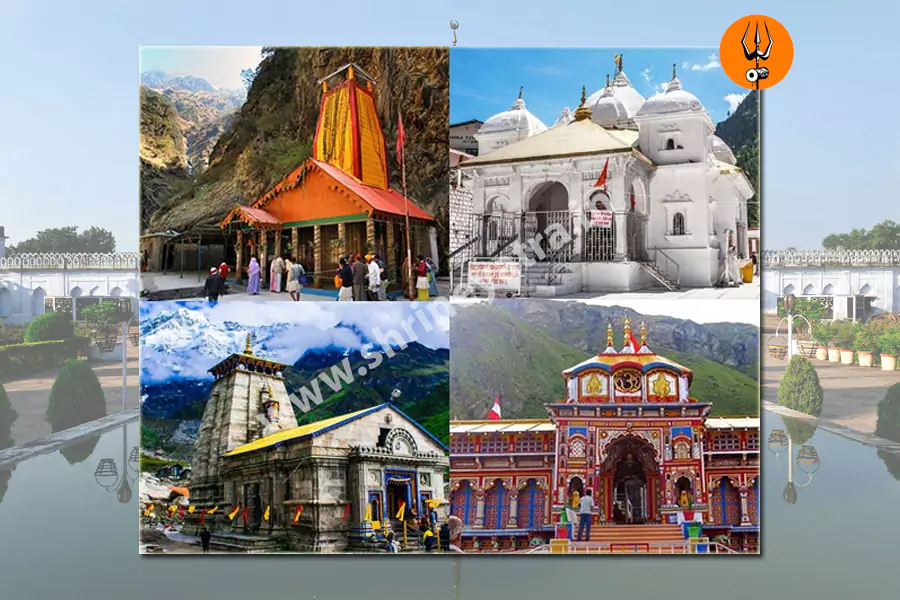

Why Amarnath Yatra Is One of India’s Toughest Pilgrimages?
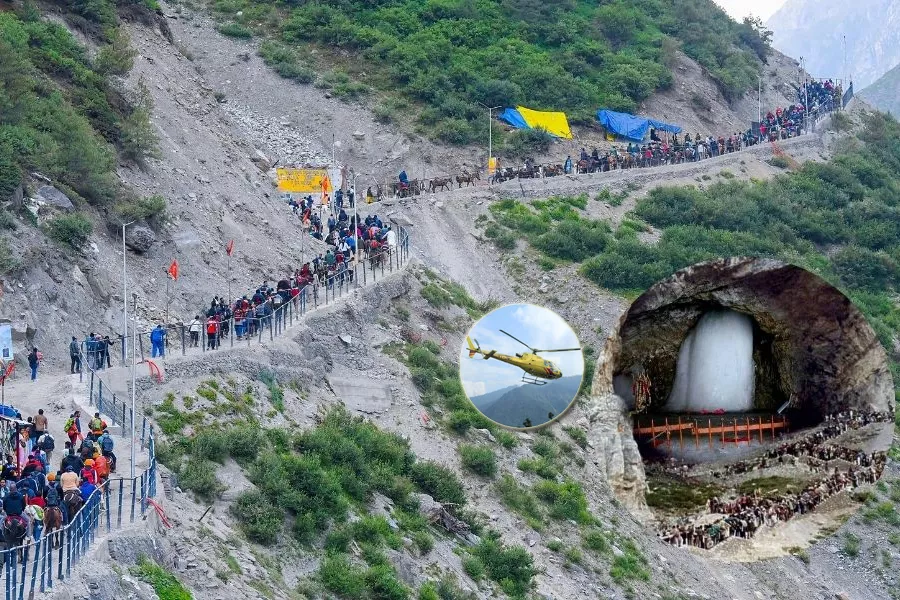
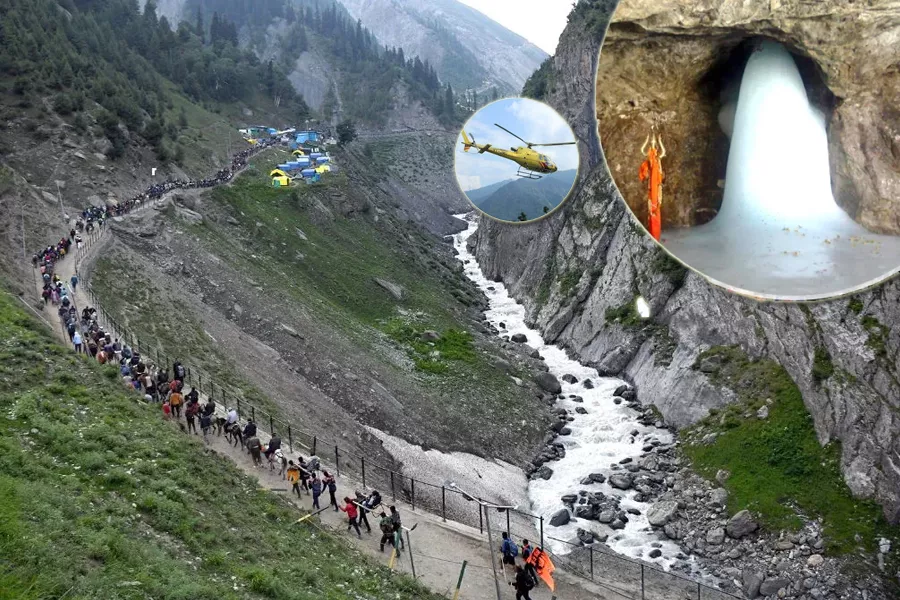
Amarnath Yatra is one of India’s most challenging high-altitude pilgrimages. Located deep in the Kashmir Himalayas, the sacred Amarnath Cave stands approximately 3,888 metres above sea level. Reaching the shrine requires pilgrims to travel through mountainous terrain where low oxygen availability, steep climbs, cold temperatures and unpredictable weather can make the journey physically demanding.
The pilgrimage has two principal trekking approaches: the traditional Pahalgam route and the shorter Baltal route. Both lead to the same sacred cave, but they offer different levels of physical difficulty. The Pahalgam route requires more walking over several stages, while the Baltal route involves a shorter but steeper ascent.
For many devotees, the spiritual importance of the journey makes the physical effort meaningful. However, understanding the actual challenges is essential before travelling. From altitude-related illness and difficult trails to medical preparation and weather delays, several factors determine how demanding the Amarnath Yatra can become.
What Makes Amarnath Yatra So Special?
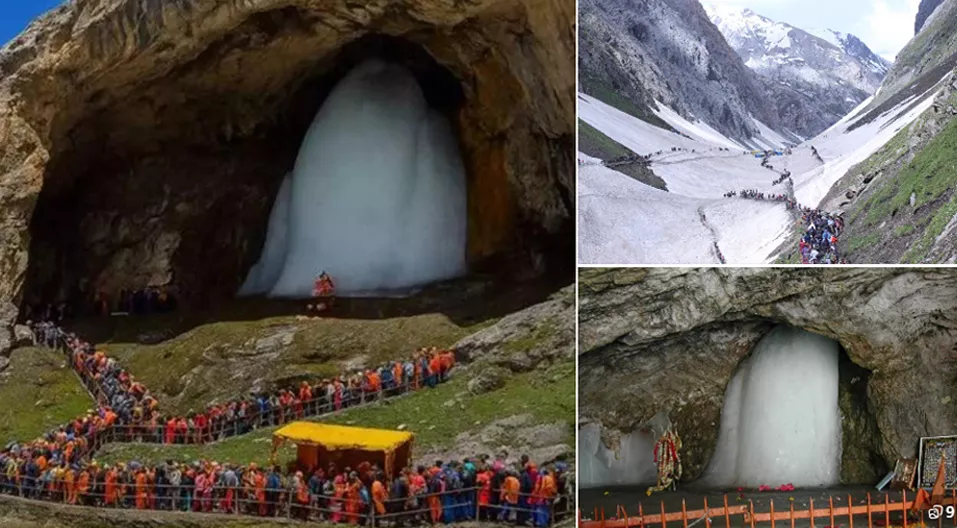
The Amarnath Cave holds immense religious significance for devotees of Lord Shiva.
According to Hindu religious tradition, Lord Shiva revealed the secret of immortality to Goddess Parvati at this sacred cave. The cave has therefore become an important destination for devotees who undertake the annual pilgrimage to seek the blessings of Lord Shiva.
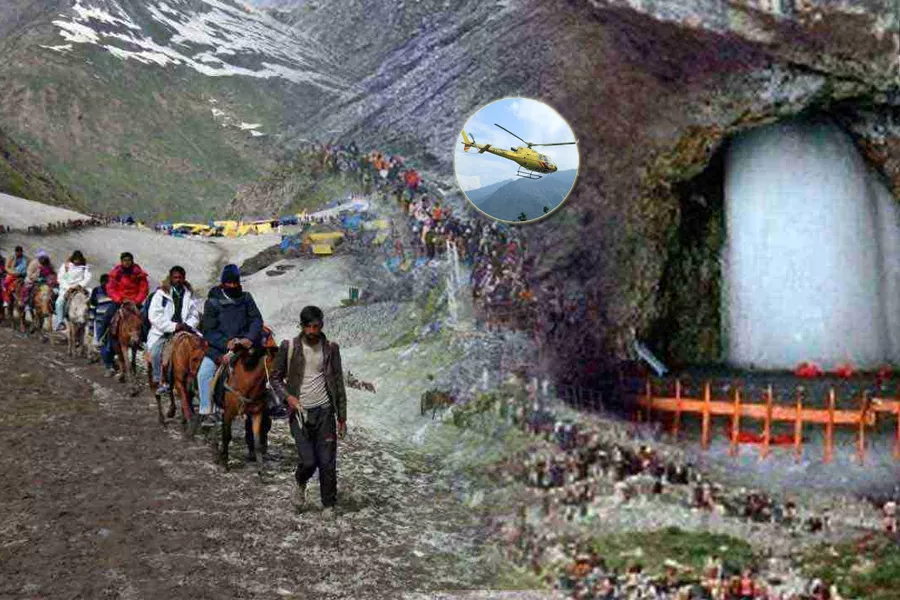
One of its most recognised features is the naturally formed ice Shiva Lingam. The ice formation develops under suitable natural conditions inside the cave and attracts pilgrims during the annual Yatra.
The pilgrimage is special for several reasons:
- Religious significance: Devotees visit the cave because of its association with Lord Shiva.
- Natural ice formation: The naturally formed ice Lingam is the central attraction.
- Himalayan location: The cave lies in a remote mountain region surrounded by high peaks.
- Seasonal pilgrimage: Access generally takes place during a limited summer pilgrimage period.
- Spiritual determination: Reaching the shrine requires preparation, patience and physical effort.
The combination of religious importance and challenging geography makes this journey different from many other temple visits.
Why Is Amarnath Yatra So Difficult?
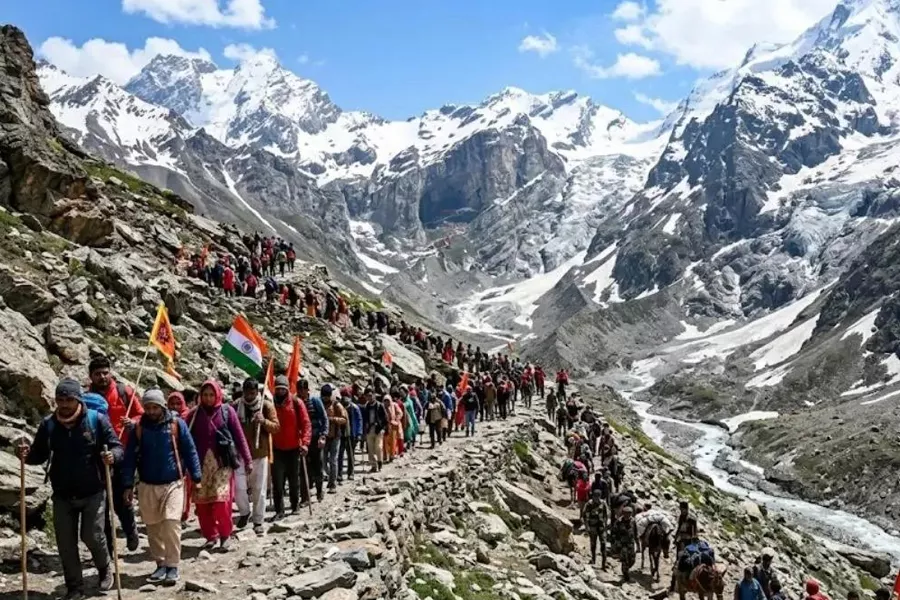
Amarnath Yatra is not difficult because of just one steep climb. Several environmental and physical factors combine to make the pilgrimage demanding.
Here are the major reasons.
1. Extremely High Altitude
Altitude is among the most important challenges during Amarnath Yatra.
The Holy Cave stands at approximately 3,888 metres (12,756 feet) above sea level. At this elevation, atmospheric pressure is lower than at sea level. As a result, every breath delivers less oxygen to the body.
Pilgrims may experience:
- Faster breathing during physical activity.
- Reduced walking stamina.
- Unusual tiredness.
- Headaches.
- Difficulty sleeping.
- Breathlessness during uphill walking.
Even people who exercise regularly can struggle at high altitude. Physical fitness helps with walking, but it does not guarantee protection against altitude sickness.
The body needs time to adjust to the changing environment. This process is called acclimatization.
Sudden ascent, inadequate rest and ignoring early symptoms can increase health risks. Pilgrims should follow medical instructions and avoid rushing towards higher elevations.
2. Long and Physically Demanding Trek
The Amarnath trekking route requires considerable physical endurance.
The two principal approaches have different distances:
- Pahalgam route: Approximately 32 km from Chandanwari to the Holy Cave.
- Baltal route: Approximately 14 km from Baltal to the Holy Cave.
These are approximate one-way route distances, not complete return journeys. The Pahalgam approach also involves reaching Chandanwari from the wider Nunwan/Pahalgam base area.
On the Pahalgam route, pilgrims generally divide the journey into multiple stages. This makes the overall pilgrimage longer but provides opportunities for rest.
The Baltal route is shorter. However, pilgrims must manage a more concentrated uphill and downhill effort.
Long walking hours can cause muscle fatigue, foot pain and exhaustion, particularly among people who have little trekking experience.
3. Steep Climbs and Difficult Terrain
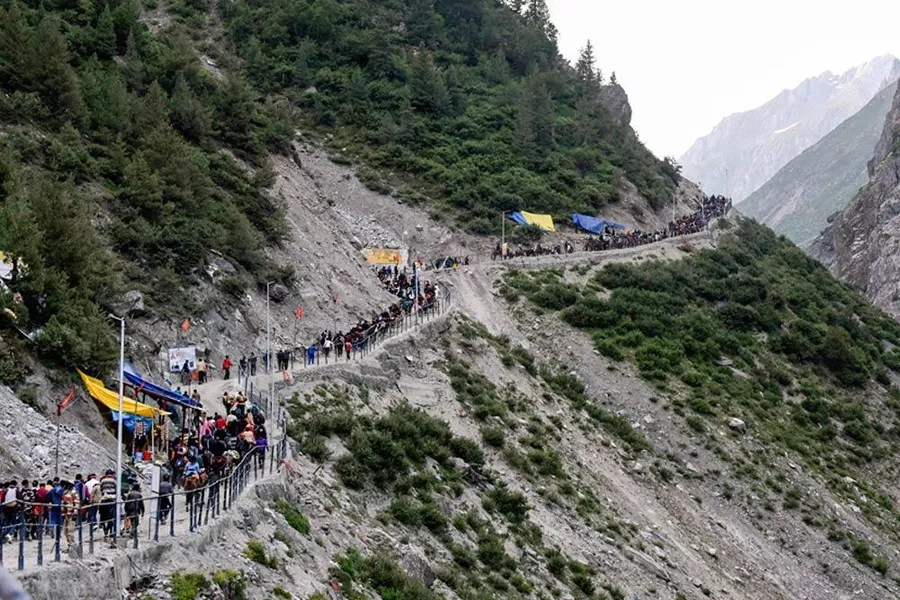
The Himalayan landscape creates another major challenge.
Unlike a smooth walking road, sections of the Amarnath route contain:
- Rocky surfaces.
- Uneven mountain paths.
- Steep uphill sections.
- Loose stones.
- Narrow stretches.
- Slippery surfaces after rainfall or snowfall.
- Descending sections that place pressure on the knees.
Walking uphill requires greater cardiovascular effort. Coming downhill can be equally demanding because the legs and knees must support body weight repeatedly.
The Baltal route is particularly known for its narrower path and steeper rises and falls. Pilgrims must walk carefully and follow designated tracks rather than attempting shortcuts.
Good trekking shoes with proper grip can help reduce the risk of slipping.
4. Freezing Temperatures and Harsh Weather
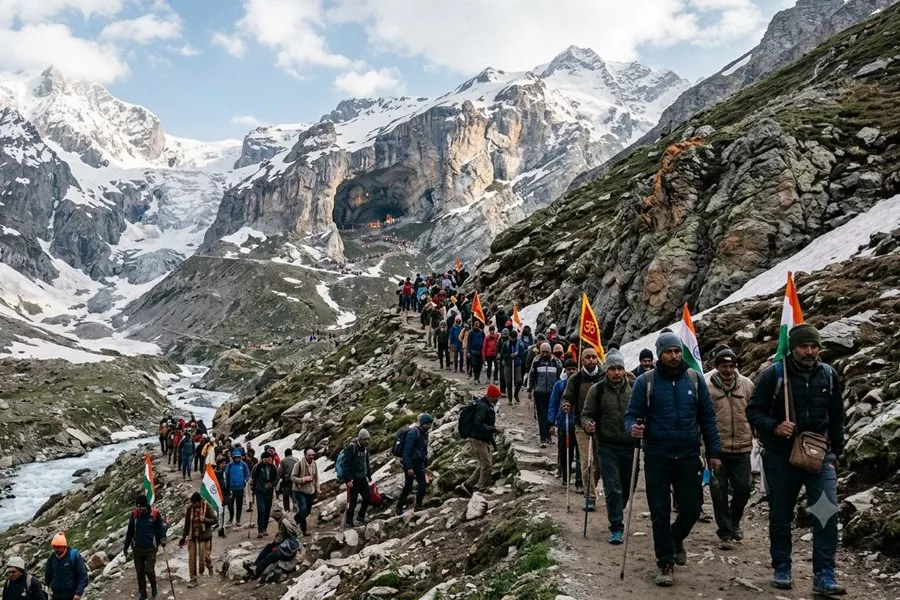
Weather conditions in the Kashmir Himalayas can change quickly.
Even though the pilgrimage takes place during summer, high-altitude locations can remain extremely cold.
Pilgrims may encounter:
- Cold winds.
- Heavy rainfall.
- Sudden temperature drops.
- Snowfall in higher areas.
- Fog and reduced visibility.
- Wet and slippery walking surfaces.
Rain can make rocky trails more difficult to cross. Strong winds and low temperatures can also increase discomfort, especially when pilgrims remain outdoors for several hours.
Weather can affect more than walking conditions. It may also delay transport, restrict movement and interrupt helicopter operations when those services are authorised.
This is why carrying warm clothing and rain protection is essential.
5. Low Oxygen and Altitude-Related Health Problems
Reduced oxygen availability is a serious concern during high-altitude travel.
One of the common altitude-related conditions is Acute Mountain Sickness (AMS).
AMS can develop when the body does not adjust properly to the lower oxygen availability at higher elevations.
Common symptoms include:
- Headache.
- Nausea.
- Dizziness.
- Loss of appetite.
- Unusual tiredness.
- Difficulty sleeping.
More serious altitude illnesses include high-altitude pulmonary edema (HAPE), which affects the lungs, and high-altitude cerebral edema (HACE), which affects the brain.
Warning signs that require urgent medical attention include:
- Breathlessness even while resting.
- Persistent or worsening cough.
- Chest tightness.
- Confusion.
- Difficulty walking straight.
- Unusual drowsiness.
- Severe weakness.
Do not continue ascending when altitude-related symptoms develop. Stop, seek medical assessment and follow instructions about descent. Suspected serious altitude illness requires urgent medical assistance.
The CDC explains that gradual acclimatization is important for reducing altitude illness risk.
6. Remote Himalayan Location
The Holy Cave is situated in a remote mountain region.
Unlike a pilgrimage destination connected directly by a motorable road, Amarnath requires visitors to travel through designated mountain routes.
This creates several practical difficulties:
- Limited road access near the shrine.
- Dependence on organised transport arrangements.
- Weather-sensitive movement.
- Restricted accommodation options along the route.
- Difficult emergency evacuation in certain locations.
- Limited access to ordinary urban facilities.
Medical assistance and organised facilities operate along the pilgrimage routes, but conditions remain different from those in a city.
Pilgrims should understand that emergency access may take time, particularly during severe weather.
7. Physical and Mental Endurance
Physical strength alone does not determine whether someone can complete the pilgrimage comfortably.
The journey can involve several hours of walking, changing weather, waiting periods and limited opportunities for comfortable rest.
Pilgrims may experience:
- Muscle soreness.
- Tired legs.
- Foot discomfort.
- Sleep disturbances.
- Cold exposure.
- Stress caused by weather delays.
- Difficulty maintaining a steady walking pace.
Mental preparation is also important.
Pilgrims need patience to manage unexpected delays, follow safety instructions and adjust their plans when weather or health conditions change.
A steady pace and regular rest are more useful than trying to finish the trek quickly.
Amarnath Yatra Routes: Which Is More Difficult?
The Amarnath pilgrimage has two principal trekking routes: Pahalgam and Baltal. Both reach the same Holy Cave, but the distance, terrain and walking requirements differ.
1. Pahalgam Route
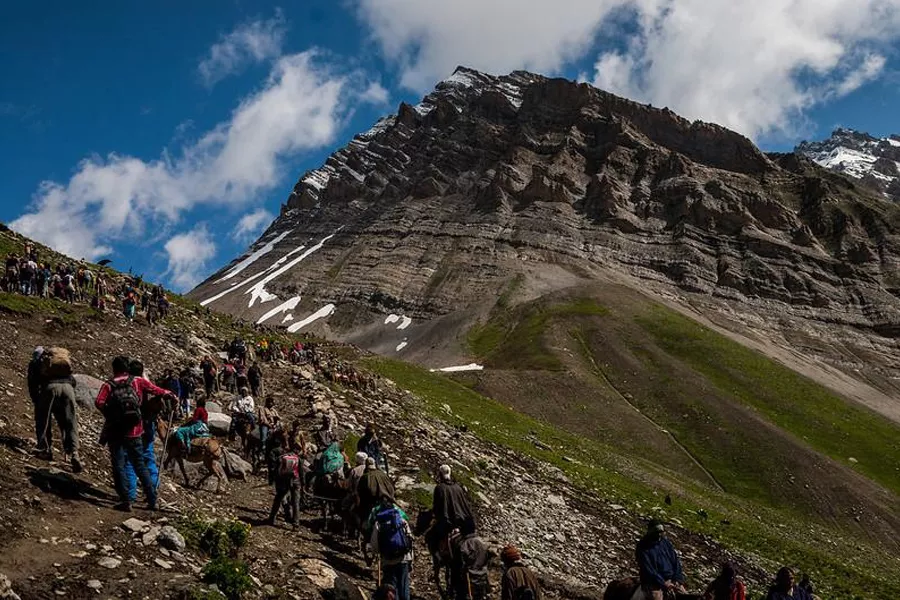
The Pahalgam route is the traditional approach to the Holy Cave. It offers a longer trekking experience through mountain valleys, scenic landscapes and designated resting locations.
The main route follows:
Nunwan → Chandanwari → Pissu Top → Sheshnag → Panchtarni → Holy Cave
The main trekking section begins at Chandanwari.
Important route details:
- Approximate distance: 32 km one way from Chandanwari.
- Trekking duration: Generally spread across multiple days.
- Terrain: Mountain paths, rocky sections and gradual or steep climbs.
- Main challenge: Long-distance walking and cumulative physical exhaustion.
- Rest opportunities: Designated camps and facilities along the route.
Pilgrims usually divide the journey into stages rather than completing the entire route in one day.
The route’s longer distance requires good walking stamina. However, the staged itinerary allows pilgrims to rest between trekking sections.
Who may prefer this route?
Pilgrims who want a traditional multi-day trekking experience and can manage longer walking distances may find the Pahalgam route more suitable.
2. Baltal Route
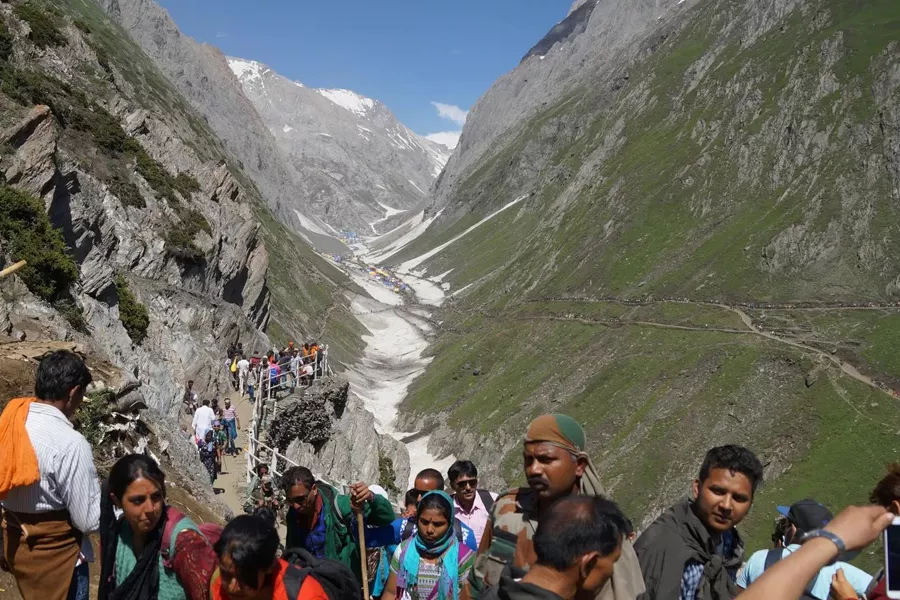
The Baltal route is a shorter approach to Amarnath Cave. It starts from Baltal, near Sonamarg, and follows a mountain trail towards the shrine.
The main route follows:
Baltal → Domail → Barari → Holy Cave
Important route details:
- Approximate distance: 14 km one way.
- Trekking duration: Often around 8 hours, depending on walking speed and conditions.
- Terrain: Narrow mountain paths, rocky sections and steep rises and falls.
- Main challenge: Steep climbing and concentrated physical effort.
- Return journey: Some pilgrims complete the return journey to Baltal on the same day, subject to fitness and official conditions.
The Shrine Board describes the Baltal path as narrower than the Chandanwari approach, with steeper rises and falls.
The shorter distance does not make this route automatically easier. Pilgrims need sufficient stamina to handle the uphill climb and the demanding descent.
Who may prefer this route?
Physically fit pilgrims who prefer a shorter trekking approach may consider Baltal, provided they understand its steep terrain and follow official guidance.
3. Pahalgam vs Baltal: Which Route Is Harder?
| Comparison factor | Pahalgam route | Baltal route |
|---|---|---|
| Approximate one-way distance | 32 km | 14 km |
| Trekking duration | Usually multiple days | Often around 8 hours |
| Terrain | Mountain trails and rocky sections | Narrower, steeper mountain trail |
| Steepness | Climbing spread across stages | More concentrated steep sections |
| Physical endurance | Long-distance stamina | Strong climbing and descending stamina |
| Main challenges | Distance, cumulative fatigue | Steepness, narrow paths |
| General suitability | Multi-day trekking preference | Fit pilgrims seeking a shorter approach |
Distances are approximate and refer to the principal trekking sections. Actual times depend on weather, route conditions, fitness, crowd movement and official arrangements.
Which route is more difficult?
There is no single answer for every pilgrim.
The Pahalgam route is more demanding in terms of total walking distance and the number of trekking stages. The Baltal route is more demanding in terms of steepness and concentrated physical effort.
A person who struggles with long-distance walking may find Pahalgam difficult. Someone with knee problems or limited uphill endurance may find Baltal especially challenging.
Choose according to medical fitness, physical ability and the current year’s official route arrangements.
How High Is Amarnath Cave?
Amarnath Cave stands approximately 3,888 metres (12,756 feet) above sea level.
At this elevation, the body must work harder because atmospheric pressure decreases and less oxygen is available with each breath.
Here is an approximate altitude comparison of important locations.
| Location | Approximate altitude |
|---|---|
| Srinagar | 1,585 m |
| Pahalgam | 2,130 m |
| Sheshnag | 3,574 m |
| Panchtarni | 3,500 m |
| Amarnath Cave | 3,888 m |
| Baltal | 2,743 m |
These are indicative elevations, not a surveyed route profile. Elevations can vary slightly between reference points and sources.
The difference between the elevation of the starting point and the cave is called elevation gain. It does not necessarily represent the total climbing effort because mountain trails can rise and fall several times.
For example, pilgrims approaching from Baltal must climb substantially towards the cave. Those travelling from Pahalgam encounter elevation changes over several trekking stages.
Acclimatization is important for both routes. Spending adequate time adjusting to altitude, avoiding rushed ascents and following medical advice can reduce health risks.
How Difficult Is the Weather During Amarnath Yatra?
Weather is one of the most unpredictable parts of the pilgrimage.
The Yatra takes place during the summer season, but the cave lies in a high-altitude Himalayan environment. Conditions can change quickly between the lower base camps and higher trekking locations.
Common weather challenges include:
- Rainfall: Rain can make rocky paths slippery and increase walking difficulty.
- Snowfall: Snow can affect visibility, movement and route conditions.
- Strong winds: Cold winds can increase heat loss from the body.
- Fog: Reduced visibility can make mountain travel more difficult.
- Temperature changes: Conditions can become much colder at higher elevations.
- Weather-related delays: Authorities may restrict movement when conditions become unsafe.
Why should pilgrims keep buffer days?
Travel plans should not depend on completing every part of the journey at an exact time.
Weather disruptions can affect road movement, trekking schedules and helicopter operations where permitted.
Keep additional time in your itinerary for:
- Delayed departures.
- Changes in route conditions.
- Medical rest.
- Transport interruptions.
- Return travel.
Avoid booking tightly connected flights or trains immediately after the expected completion of the pilgrimage.
Is Amarnath Yatra the Toughest Pilgrimage in India?
Amarnath Yatra deserves recognition as one of India’s most challenging high-altitude pilgrimages. However, declaring it the single hardest pilgrimage in the country would be misleading.
Other Himalayan pilgrimages also involve greater altitude exposure, longer journeys or demanding trekking conditions.
Three useful comparisons are Kedarnath, Hemkund Sahib and Kailash Mansarovar.
Amarnath vs Kedarnath
Kedarnath Temple stands at approximately 3,580 metres above sea level.
Its trekking route starts from Gaurikund and covers approximately 16–18 km one way, depending on the route measurement and starting reference.
Kedarnath involves a long uphill trek, changing weather and significant physical effort. Amarnath, on the other hand, has two routes with different challenges and a higher cave elevation.
The Amarnath Cave is approximately 308 metres higher than Kedarnath Temple.
Read in the details: Which Is More Tough, Kedarnath or Amarnath?






Amarnath vs Hemkund Sahib
Hemkund Sahib is situated at approximately 4,329 metres above sea level.
The trek from Ghangaria to Hemkund Sahib covers approximately 6 km one way and involves a steep climb.
Its elevation is higher than Amarnath Cave, making altitude exposure a major consideration.
Amarnath vs Kailash Mansarovar
Kailash Mansarovar involves a much longer pilgrimage experience.
The Mount Kailash parikrama covers approximately 53 km, and the Dolma La Pass reaches around 5,600 metres.
The pilgrimage involves considerable altitude exposure and multiple days of travel. Its difficulty depends on the chosen itinerary and route arrangements.
Comparison of Difficult Indian Pilgrimages
| Difficulty factor | Amarnath | Kedarnath | Kailash Mansarovar |
|---|---|---|---|
| Main shrine/route altitude | 3,888 m | 3,580 m | Dolma La around 5,600 m |
| Trekking demands | 14 or 32 km approach | Around 16–18 km one way | Around 53 km parikrama |
| Physical endurance | High | High | Very high |
| Weather challenges | Cold, rain and snow | Rain, cold and possible snowfall | High-altitude cold and changing weather |
| Altitude challenges | Significant | Significant | Very high |
| Accessibility | Designated trekking routes | Road to Gaurikund, then trek | Organised international pilgrimage routes |
Comparisons are indicative. Distances, elevation references and travel arrangements are not identical measurements of difficulty.
Amarnath is especially challenging because its high-altitude environment combines with steep trekking paths and limited seasonal accessibility.
Kailash Mansarovar involves greater maximum altitude exposure, while Hemkund Sahib reaches a higher elevation than Amarnath Cave.
Therefore, the most accurate conclusion is that Amarnath is among India’s toughest religious journeys, but it does not hold an objectively established national difficulty ranking.
Is Amarnath Yatra Difficult for Beginners?
Yes, beginners can find Amarnath Yatra physically demanding, particularly if they have never walked long distances on mountain trails.
However, being a first-time trekker does not automatically make someone unsuitable for the pilgrimage.
The main challenges for beginners include:
- Adjusting to high altitude.
- Maintaining a steady walking pace.
- Managing steep climbs.
- Walking for several hours.
- Handling cold and wet weather.
- Understanding altitude sickness symptoms.
Beginners should start physical preparation well in advance and obtain medical advice before travelling.
The Pahalgam route may suit people who prefer to divide their journey into stages. The Baltal route should not be selected simply because it is shorter.
A beginner should choose a route based on fitness, medical assessment and the advice of authorised pilgrimage officials.
Is Amarnath Yatra Suitable for Senior Citizens?
Senior citizens should take particular care before planning Amarnath Yatra.
Age alone does not determine physical ability. However, high altitude, cold weather and steep trekking paths can increase the risks for older travellers.
Before planning the pilgrimage, senior citizens should:
- Consult a qualified doctor.
- Complete the required medical assessment.
- Check the current official age eligibility.
- Discuss existing heart, lung and mobility concerns with their doctor.
- Understand the walking and climbing requirements.
- Plan sufficient rest.
- Check whether authorised pony or palki services are available.
Important eligibility information: For the 2026 Yatra, the Shrine Board’s registration guidelines did not permit registration for pilgrims below 13 or above 70 years of age. The rules also excluded women who were more than six weeks pregnant. These conditions must be checked again against the official guidelines for the year of travel.
A senior citizen should never assume that pony or palki assistance removes all altitude-related risks.
Can You Complete Amarnath Yatra Without Walking?
Pilgrims who cannot comfortably complete the entire trek on foot may have other authorised travel arrangements.
1. Helicopter Service
Helicopter services have traditionally operated on designated routes connecting pilgrims to Panchtarni.
However, reaching Panchtarni does not mean reaching the Holy Cave directly. Pilgrims generally need to cover the remaining distance through an authorised arrangement.
Helicopter services are weather-dependent and subject to annual operational permissions.
Important 2026 update: The Shrine Board announced that helicopter services would not operate in the Yatra area during the 2026 pilgrimage because of a government-declared no-flying restriction. Ponies and palkis remained available under the announced arrangements. Do not assume that 2027 services will follow either the same restriction or the previous year’s operating pattern.
2. Pony Services
Ponies can assist pilgrims who have difficulty walking the entire route.
However, availability, permitted sections and notified rates depend on official arrangements.
3. Palki Services
Palkis or dandi services provide assistance to pilgrims who cannot walk comfortably.
These services may be particularly useful for people with mobility limitations, subject to medical suitability and route conditions.
Remember: Transport assistance does not remove the effects of high altitude. Pilgrims should still complete the required medical assessment and follow official safety instructions.
What Fitness Level Is Required for Amarnath Yatra?
Amarnath Yatra requires more than the ability to walk on a flat road.
Pilgrims need sufficient endurance to manage mountain walking and recover between physically demanding stages.
Important fitness areas include:
| Fitness requirement | Why it matters |
|---|---|
| Cardiovascular endurance | Supports prolonged walking |
| Leg strength | Helps with uphill climbing |
| Knee stability | Helps manage steep descents |
| Balance | Improves movement on uneven trails |
| Walking stamina | Reduces fatigue during long trekking sections |
| Recovery ability | Helps manage repeated physical effort |
There is no universal fitness score that guarantees a safe or successful pilgrimage.
The Shrine Board advises pilgrims to prepare through regular walking and physical activity. Its health guidance recommends approximately 4–5 km of daily walking for at least a month before the Yatra. This is general preparation advice, not a guarantee of fitness or medical clearance.
How to Prepare Physically for Amarnath Yatra
Physical preparation can make the pilgrimage more manageable.
Start gradually rather than attempting long-distance walking immediately before departure.
A practical preparation plan
| Preparation activity | Suggested approach |
|---|---|
| Regular walking | Begin with comfortable daily walks |
| Distance building | Gradually increase walking distance |
| Stair climbing | Practise controlled uphill and downhill movement |
| Strength training | Include gentle leg and core exercises |
| Balance exercises | Practise safe balance movements |
| Flexibility | Include gentle stretching |
| Recovery | Allow adequate rest between sessions |
Additional preparation tips
- Wear your trekking shoes during practice walks.
- Practise walking on gentle uneven surfaces.
- Avoid suddenly increasing exercise intensity.
- Maintain regular sleep.
- Drink adequate water.
- Consult your doctor about any health concerns.
- Do not undertake strenuous exercise if it causes unusual breathlessness or chest discomfort.
A preparation period of several weeks is useful for many people, but those with limited fitness or medical concerns may need a longer period and professional guidance.
What Should You Pack for Amarnath Yatra?
Packing appropriate clothing and essential documents is important for a high-altitude pilgrimage.
Use this checklist before leaving.
Amarnath Yatra packing checklist
- Warm jacket and thermal clothing
- Waterproof jacket or raincoat
- Comfortable trekking shoes with good grip
- Extra socks
- Warm gloves
- Woollen cap
- Waterproof backpack cover
- Water bottle
- Valid photo identification
- Yatra registration permit
- RFID card and required medical documents
- Personal medicines prescribed by your doctor
- Basic first-aid supplies
- Sunscreen
- UV-protection sunglasses
- Small personal hygiene kit
- Emergency contact details
Avoid carrying unnecessary luggage. Keep essential documents in a waterproof pouch and personal medicines in an easily accessible location.
The exact packing list should depend on your selected route, accommodation and travel arrangements.
Medical Risks and Safety Precautions During Amarnath Yatra
Medical preparedness is essential because high-altitude conditions can affect even physically active travellers.
The main risks include:
| Health risk | Possible signs |
|---|---|
| Acute Mountain Sickness | Headache, nausea, dizziness and fatigue |
| Dehydration | Thirst, weakness and reduced urination |
| Hypothermia | Uncontrolled shivering, confusion and poor coordination |
| Exhaustion | Severe tiredness and reduced physical ability |
| Falls and injuries | Pain, swelling or difficulty walking |
| Serious altitude illness | Breathlessness at rest, confusion or loss of coordination |
Important safety precautions
- Follow the official trekking route.
- Walk at a comfortable pace.
- Take regular rest breaks.
- Wear suitable warm clothing.
- Carry drinking water.
- Avoid alcohol and smoking.
- Do not ignore headaches or unusual fatigue.
- Seek medical help if symptoms develop.
- Do not continue ascending when altitude sickness is suspected.
- Descend promptly under medical guidance when serious altitude symptoms occur.
The CDC identifies confusion, difficulty coordinating movement and breathing difficulties as serious warning signs associated with high-altitude illness. Urgent descent and medical treatment can be lifesaving in severe cases.
Never rely on physical fitness alone as protection against altitude-related problems.
Best Time to Undertake Amarnath Yatra
Amarnath Yatra generally takes place during the summer months when the mountain routes become accessible.
The exact annual pilgrimage period changes according to the Shrine Board’s official announcement.
Weather conditions can differ throughout the season.
- Early-season journeys may encounter snow-related route conditions.
- Mid-season journeys may still experience rain and sudden cold spells.
- Later-season journeys can also face unpredictable weather and changing accessibility.
There is no universally perfect date for every pilgrim.
Check the annual pilgrimage schedule, weather advisories and route status before finalising travel arrangements.
If your return journey involves flights or trains, keep sufficient buffer time.
Important Rules and Registration Requirements
Amarnath Yatra requires advance registration and compliance with the Shrine Board’s instructions.
The official registration process has included the following requirements:
- Registration through authorised channels.
- Compulsory Health Certificate (CHC).
- Valid photo identification.
- Route-specific Yatra permit.
- RFID card collection before entering the pilgrimage route.
- Compliance with age and medical eligibility conditions.
For 2026, the Shrine Board published specific registration guidelines, including a prescribed medical certificate and designated registration arrangements. The rules also required registered pilgrims to collect their RFID cards.
For the next pilgrimage season, check the latest announcements instead of relying on previous-year documents, also book amarnath tour package in advacnce for better planning.
The Board also provides official route information, registration updates, health instructions and helicopter booking information when applicable.
Common Mistakes Pilgrims Should Avoid
Even a well-planned pilgrimage can become difficult when travellers overlook basic preparation.
Here are common mistakes and ways to avoid them.
| Common mistake | How to avoid it |
|---|---|
| 1. Underestimating altitude | Understand altitude risks and acclimatization |
| 2. Starting without preparation | Build walking stamina gradually |
| 3. Ignoring medical requirements | Complete the official health process |
| 4. Wearing unsuitable footwear | Use comfortable trekking shoes |
| 5. Carrying excessive luggage | Pack only essential items |
| 6. Ignoring weather warnings | Check official advisories |
| 7. Not keeping buffer days | Allow extra time for delays |
| 8. Depending entirely on helicopter services | Keep an alternative plan |
| 9. Ignoring route instructions | Follow authorised paths |
| 10. Continuing despite serious symptoms | Stop and seek medical help |
| 11. Following outdated information | Verify current annual rules |
| 12. Forgetting essential documents | Check permits, identification and RFID requirements |
The most important rule is simple: do not put schedule or darshan ahead of health and safety.
Frequently Asked Questions About Amarnath Yatra
Why is Amarnath Yatra considered one of the toughest pilgrimages in India?
Amarnath Yatra is challenging because of its high altitude, steep mountain trails, long trekking distances and unpredictable weather. The Holy Cave stands at approximately 3,888 metres, where reduced oxygen availability can affect physical performance.
Is Amarnath Yatra the hardest pilgrimage in India?
There is no official ranking that identifies Amarnath as India’s hardest pilgrimage. However, it is among the most challenging because of its altitude, terrain, weather and trekking requirements. Kailash Mansarovar and Hemkund Sahib also involve demanding high-altitude conditions.
How difficult is the Amarnath trek?
The trek requires good physical endurance. The Pahalgam approach covers approximately 32 km one way from Chandanwari, while the Baltal approach covers approximately 14 km one way. The latter is shorter but has steeper and narrower sections.
What is the altitude of Amarnath Cave?
Amarnath Cave is situated at approximately 3,888 metres (12,756 feet) above sea level in the Kashmir Himalayas.
How many kilometres is the Amarnath trek?
The approximate one-way trekking distance is 32 km via Chandanwari on the Pahalgam route and 14 km via Baltal. The complete return distance is approximately 64 km and 28 km respectively, excluding additional travel around the wider base camps.
Which is harder, Baltal or Pahalgam?
The Pahalgam route is harder in terms of total walking distance. The Baltal route is shorter but has steeper climbs, narrow paths and demanding descents. The more difficult option depends on your fitness and trekking experience.
How many days does Amarnath Yatra take?
The Pahalgam trekking journey generally takes several days because pilgrims divide the route into stages. The Baltal approach can sometimes be completed in one day, depending on fitness, weather and official arrangements. The total travel schedule also depends on the starting city and return journey.
Is Amarnath Yatra suitable for beginners?
Beginners can undertake the pilgrimage if they meet the applicable medical requirements and prepare adequately. They should develop walking stamina, understand altitude-related risks and select their route according to physical ability.
Can senior citizens undertake Amarnath Yatra?
Senior citizens must meet the current year’s eligibility and medical requirements. For 2026, the official age eligibility was 13 to 70 years. Older travellers should consult a doctor and check the latest Shrine Board rules before planning.
Is Amarnath Yatra dangerous because of altitude?
High altitude creates health risks, including Acute Mountain Sickness. Headache, nausea, dizziness and unusual fatigue are possible symptoms. Severe breathlessness, confusion or difficulty walking require urgent medical attention and descent.
Can you visit Amarnath Cave by helicopter?
Helicopter services have traditionally operated to Panchtarni, from where pilgrims must arrange onward travel to the cave. Services depend on annual permissions, operational arrangements and weather. The 2026 Yatra had a specific no-flying restriction, so pilgrims must verify the rules for their travel year.
What fitness level is required for Amarnath Yatra?
Pilgrims need sufficient cardiovascular endurance, leg strength, balance and walking stamina. They should be comfortable with prolonged walking and uneven mountain paths. Medical fitness is equally important because exercise alone cannot prevent altitude sickness.
What is the best time for Amarnath Yatra?
The pilgrimage generally takes place during the summer season. Exact opening and closing dates change annually. Pilgrims should check the official schedule and weather advisories before selecting travel dates.
What are the main health risks during Amarnath Yatra?
The main risks include altitude sickness, dehydration, hypothermia, exhaustion and injuries from slippery or uneven trails. Medical assessment, appropriate clothing, hydration and timely medical attention are important.
How should pilgrims prepare for Amarnath Yatra?
Start regular walking several weeks before the journey. Gradually increase walking distance, practise stair climbing, strengthen your legs and use suitable trekking shoes. Complete the required medical assessment and carry appropriate warm and waterproof clothing.