
Uttarakhand, often called Devbhumi or the “Land of the Gods,” holds within its majestic peaks and serene valleys countless shrines dedicated to Lord Shiva. Local tradition says that every stone here is, in essence, a Shivlinga. Among these sacred sites, five stand out for their exceptional spiritual significance — Kedarnath, Rudranath, Tungnath, Madhyamaheshwar, and Kalpeshwar. Collectively, they are revered as the Panch Kedar. The word Panch means “five,” while Kedar is one of Lord Shiva’s many sacred names.
For devotees of Shiva, visiting all five of these temples is a cherished goal. Unlike many modern pilgrimages, the Panch Kedar journey still retains the physical challenges of ancient times. Located in remote mountain regions, these temples cannot be reached entirely by road — a portion of the journey must be completed on foot.
This trek is not merely a physical challenge but a spiritual one, echoing the old belief that hardships on the path prepare the soul for deeper surrender to the divine. For those seeking such an authentic pilgrimage experience, the Panch Kedar Yatra is truly a blessing.
The origins of the Panch Kedar are rooted in the legendary tale of the Pandavas from the Mahabharata.
After the great Kurukshetra war, the Pandavas were victorious but burdened with guilt for the deaths of their relatives, teachers, and friends. Seeking forgiveness for their sins, they turned to Lord Shiva. However, Shiva chose to avoid them, assuming the form of a bull and hiding in the Himalayas.
Bhim, suspecting the bull’s divine nature, chased it and managed to grasp its hind legs. The bull then vanished into the earth, leaving only its hump visible. It is believed that different parts of this divine bull’s body appeared in separate places in the Garhwal Himalayas. At each spot, the Pandavas built a temple to honor Lord Shiva.
Moved by their sincere repentance, Lord Shiva forgave them. These five temples came to be collectively known as the Panch Kedar.
RECOMMENDED TOUR: Panch Kedar Yatra Tour Package
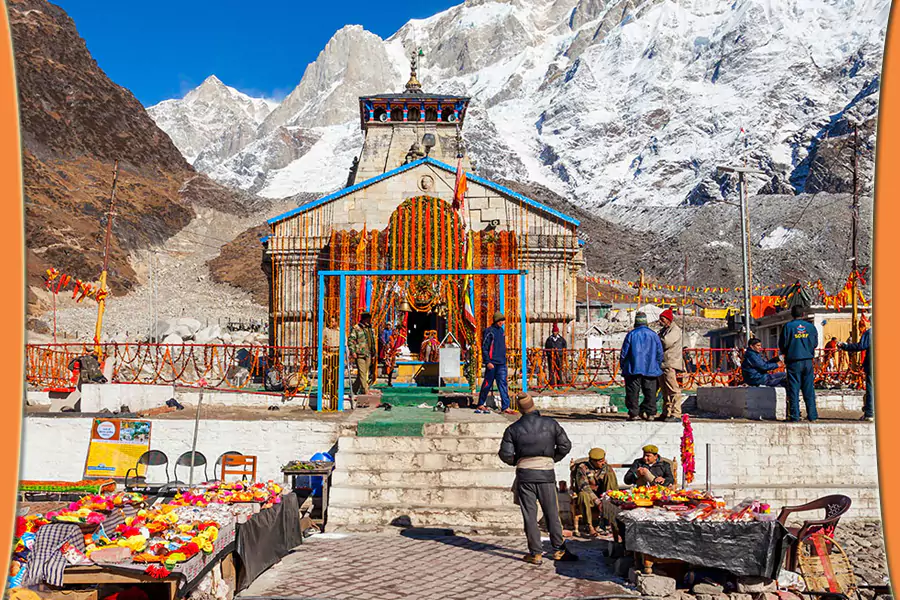
The foremost among the Panch Kedar temples, Kedarnath tmeple is also one of the twelve Jyotirlingas — the most sacred representations of Shiva’s energy. Located at 3,583 meters near the Mandakini River in Rudraprayag district, Kedarnath is famous for its conical-shaped Shivling, said to be the hump of Shiva’s bull form.
A unique ritual here is the Abhishekam of ghee, linked to the legend of Bhim massaging the bull’s injured hump. The temple, built of massive grey stone slabs, is believed to have been established by Adi Shankaracharya. The journey involves an 18–19 km trek from Gaurikund, with pilgrims chanting Om Namah Shivaya along the way.
Kedarnath and its surrounding region offer several important places to explore during the pilgrimage. Popular attractions include Gaurikund, Chorabari Tal, Bhairav Temple, and Vasuki Temple.
Gaurikund serves as the main starting point for the Kedarnath trek and is also home to the ancient Gauri Temple. Chorabari Tal, also known as Gandhi Sarovar, is a scenic high-altitude lake associated with the immersion of some ashes of Mahatma Gandhi.
Bhairav Temple is another important religious site near Kedarnath. It is traditionally believed to protect Kedarnath Dham during the winter months. Vasuki Temple is also a significant pilgrimage attraction in the region.
May to June is generally considered a favorable period for visiting Kedarnath. Temperatures remain relatively comfortable, although conditions can change quickly at higher altitudes.
During July and August, the region receives heavy monsoon rainfall, which can lead to landslides and travel disruptions. Temperatures may also fall during this period.
September to October offers clearer weather and comparatively fewer crowds, making it another good period for the pilgrimage. During winter, temperatures can fall below freezing, and Kedarnath Temple remains closed.
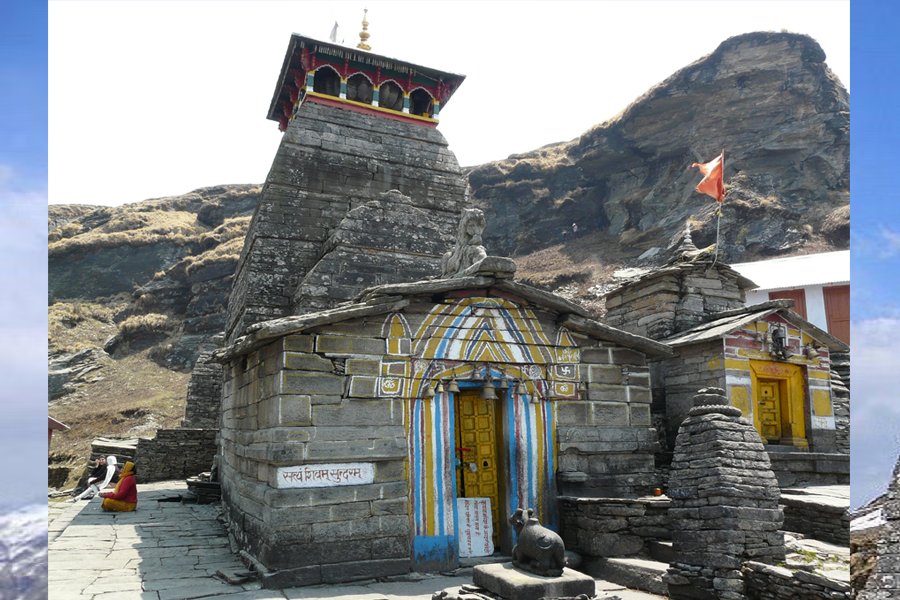
The highest Shiva temple in the world, Tungnath stands at 3,680 meters. Its name means “Lord of the Peaks.” This 5,000-year-old shrine is reached via a 4 km trek from Chopta. According to legend, the bull’s arms emerged here.
Nestled between the Alaknanda and Mandakini river basins, Tungnath is the origin of three springs that join to form the Akashkamini River. Many pilgrims also continue 2 km further to Chandrashila peak for breathtaking Himalayan views.
Tungnath attracts not only pilgrims but also nature lovers, trekkers, and travelers looking for a peaceful Himalayan experience. Chopta, Deoria Tal, and Kanchula Korak Musk Deer Sanctuary are popular attractions around the region.
Located around 4 km from Tungnath, Chopta is known for its green meadows, peaceful surroundings, and impressive Himalayan views. Deoria Tal is a beautiful high-altitude lake surrounded by the Chaukhamba range and is another popular place to visit near Tungnath.
Summer is generally the most suitable season for visiting Tungnath, as the trekking route is accessible and the weather is more favorable. The temple also receives visitors during the monsoon, although the number of pilgrims is usually lower.
During winter, Tungnath remains quieter and attracts fewer devotees. However, the snowy landscape draws adventure enthusiasts and nature lovers who want to experience the Himalayan winter.
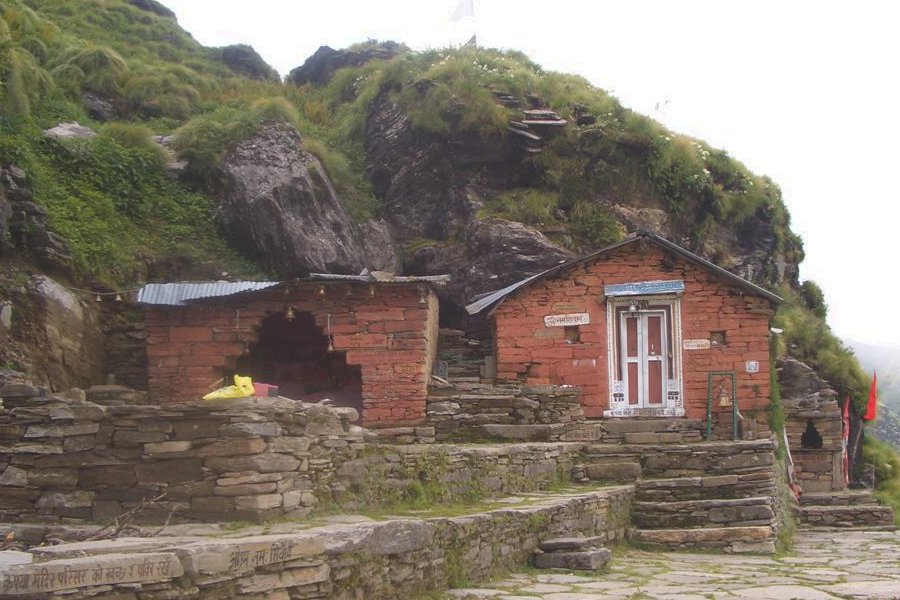
This natural rock temple marks the place where the bull’s face appeared. Lord Shiva is worshipped here as Neelkanth Mahadev. Surrounded by rhododendron forests and alpine meadows, Rudranath sits at 3,600 meters. The nearby Vaitarani River is believed to be the mystical river souls must cross after death, making the site significant for ancestral rites.
Reaching Rudranath is challenging, with treks exceeding 20 km from various starting points. The views include Hathi Parbat, Nanda Ghunti, Trishul, and Nanda Devi peaks.
Nandi Kund, Panar Bugyal, Pitradhar, and Kalpeshwar are among the notable attractions around Rudranath. Nandi Kund is traditionally associated with Lord Shiva’s Nandi Bull and is known for its extremely cold water.
Panar Bugyal is another beautiful attraction near Rudranath. Its green meadows and flower-covered valleys offer scenic views and a peaceful Himalayan setting. The surrounding landscapes make the trek as memorable as the spiritual experience.
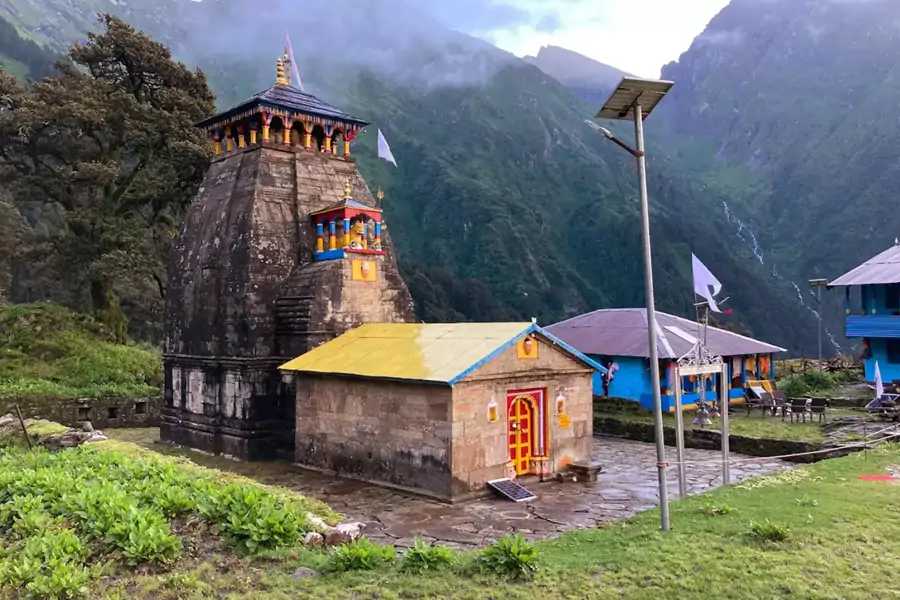
Located in Mansoona village at 3,289 meters, Madhyamaheshwar is where Shiva’s navel is believed to have appeared. The 19 km trek from Ukhimath offers panoramic views of Chaukhamba, Kedarnath, and Neelkanth peaks.
Built in the classic North Indian style, the temple is surrounded by lush meadows and has shrines dedicated to Parvati, Ardhanarishvara, and Saraswati. The water here is considered so holy that even a few drops are purifying.
Several attractions around Madhyamaheshwar are worth visiting, including Maa Hariyali Devi Temple, Ukhimath, Kanchani Tal, Guptkashi, and Sonprayag.
Located around 14 km from Madhyamaheshwar, Ukhimath is regarded as the winter abode of Madhyamaheshwar and Kedarnath. Surrounded by Himalayan peaks and dense forests, Maa Hariyali Devi Temple is another important religious site and is traditionally counted among the 58 Peethas mentioned in Hindu mythology.
Madhyamaheshwar experiences cool and chilly weather for much of the year. May to October is generally considered the suitable travel window, with summer offering pleasant conditions for trekking and temple visits.
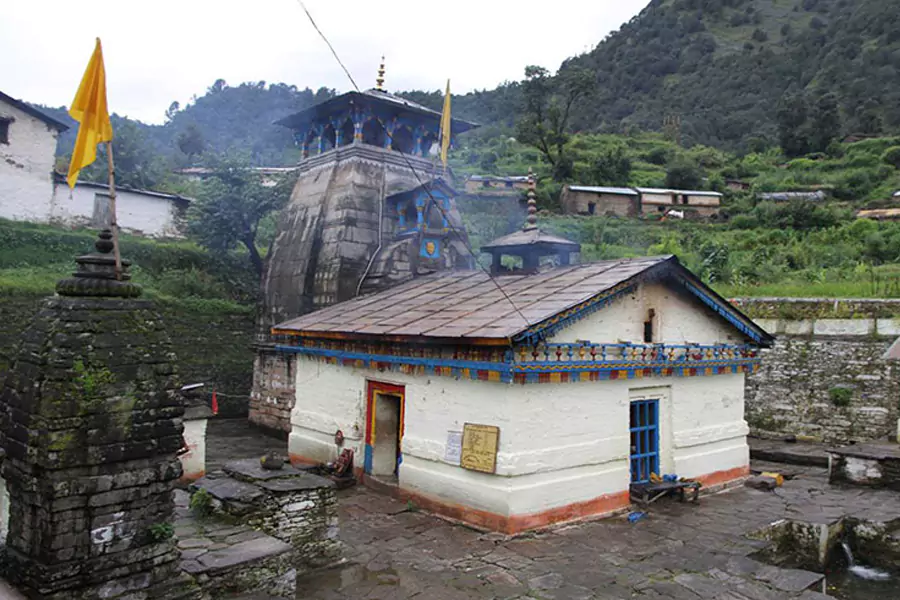
In the serene Urgam Valley, Kalpeshwar is where Shiva’s matted locks appeared. Situated at 2,200 meters, it is the only Panch Kedar temple accessible year-round. The temple is reached via a short 3.5 km trek from Lyari village. Here, Shiva is worshipped as Jatadhari or Jateshwar.
Nandi Kund Lake is one of the notable attractions near Kalpeshwar. The peaceful surroundings and fresh Himalayan air make it a pleasant place to spend time during the pilgrimage. The lake stretches for approximately 1.5 km and offers a serene natural setting.
May, June, September, and October are generally the most suitable months to visit Kalpeshwar because of the pleasant weather. Unlike the other Panch Kedar temples, Kalpeshwar remains accessible throughout the year, allowing pilgrims to plan their visit in other months as well.
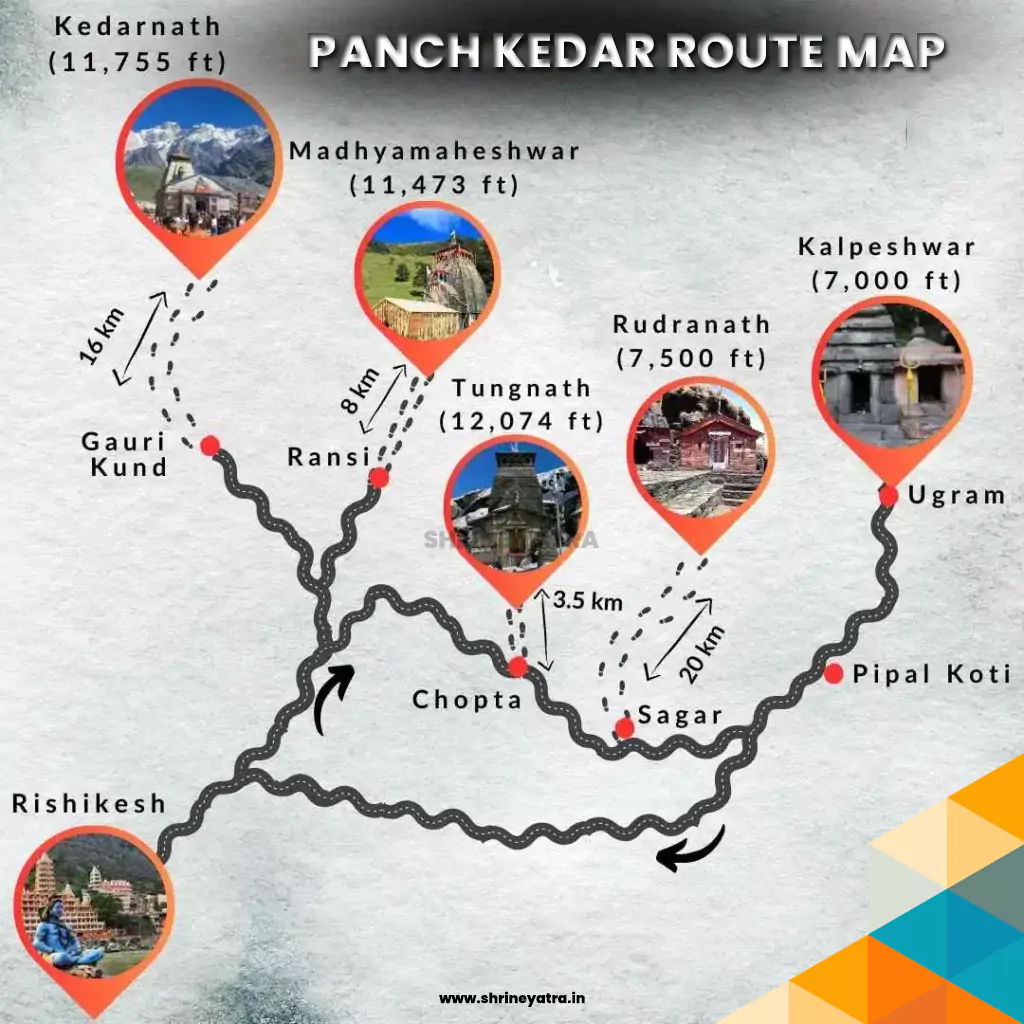
Knowing the best time to visit Panch Kedar helps pilgrims plan their trek according to weather and road conditions. The pilgrimage season mainly falls between May and October, while monsoon months can bring travel challenges.
Weather: Pleasant weather with mostly clear skies. Temperatures generally range from 10°C to 20°C.
Why Visit?
Weather: Heavy rainfall is common, with temperatures around 10°C to 18°C.
Why Avoid?
Pilgrims who travel during this season should check weather and road conditions before starting each journey.
Weather: Cool and relatively dry, with temperatures around 5°C to 15°C.
Why Visit?
Weather: Extremely cold, with temperatures dropping below freezing in higher areas.
Why Avoid?
The most suitable months for the Panch Kedar Yatra are May to June and September to October. Monsoon travel requires extra caution because of rain and landslides, while winter makes several trekking routes inaccessible.
The summer months bring the most favorable conditions. Monsoons can cause landslides, and winters are too harsh for habitation, leading to temple closures.
Nearest Airport: Jolly Grant, Dehradun
Nearest Railway: Rishikesh
From there, travel by road to the trek starting points:
Keep luggage light for a smoother trek.
Panch Kedar refers to five ancient Lord Shiva temples in the Garhwal Himalayas: Kedarnath, Tungnath, Rudranath, Madhyamaheshwar, and Kalpeshwar. Hindu tradition associates these temples with different manifestations of Lord Shiva following the Pandavas’ search for his blessings after the Kurukshetra War.
A complete Panch Kedar Yatra generally requires around 14–16 days. The journey involves approximately 107 km of trekking and around 500 km of road travel. Allowing extra time for weather changes and acclimatisation is advisable.
The 2026 opening dates are:
The five temples can generally be visited together during the main pilgrimage season from late May through October.
Mobile phones and recording devices are restricted inside Kedarnath Temple. Pilgrims should follow the temple’s current instructions and deposit prohibited devices at the designated facility before entering for darshan.
Registration requirements vary by destination. Kedarnath requires yatra registration through the official Uttarakhand system. Rudranath also requires registration at Sagar Village before beginning the trek. Travelers should check the latest official requirements before departure.
The difficulty varies between the five temples. Kalpeshwar and Tungnath are generally more manageable, while Kedarnath offers options such as pony and helicopter services. Rudranath and Madhyamaheshwar involve longer and more demanding treks, so senior pilgrims should assess their fitness before planning these routes.
The cost depends on the travel style, accommodation, transportation, meals, and services selected. A self-planned journey may cost around ₹35,000–65,000 per person, while packaged options can vary depending on inclusions. Carry sufficient cash because banking facilities are limited in remote areas.
Rudranath is generally considered one of the most challenging Panch Kedar treks. The route from Sagar Village is around 20 km one way and passes through forested and remote terrain. Madhyamaheshwar, with a trek of around 19 km one way, is also physically demanding.
Panch Kedar requires careful planning because the five temples are spread across different Himalayan valleys and have separate trekking routes and access points. Long road journeys, high-altitude trails, changing weather, and seasonal temple openings make advance preparation especially important. A well-planned itinerary can help you manage travel time, accommodation, trekking, and rest days more comfortably.
Other Packages: Amarnath Package | Adi Kailash Package | Kainchi Dham Package
