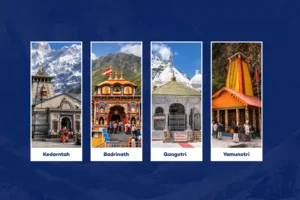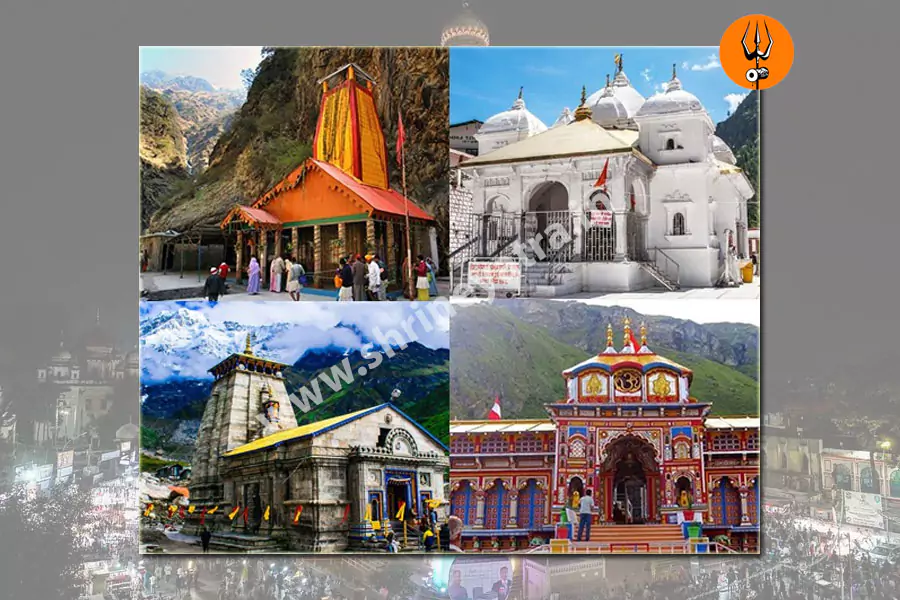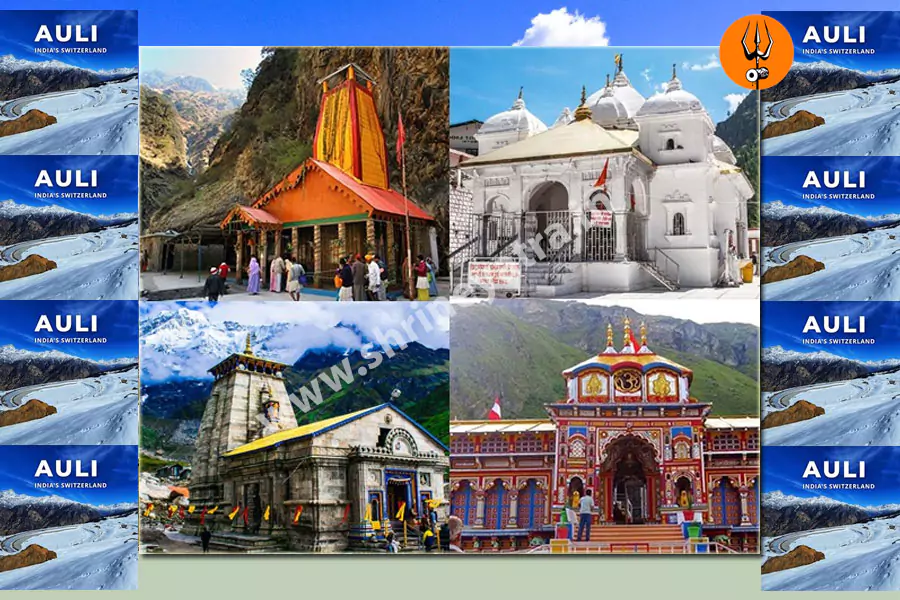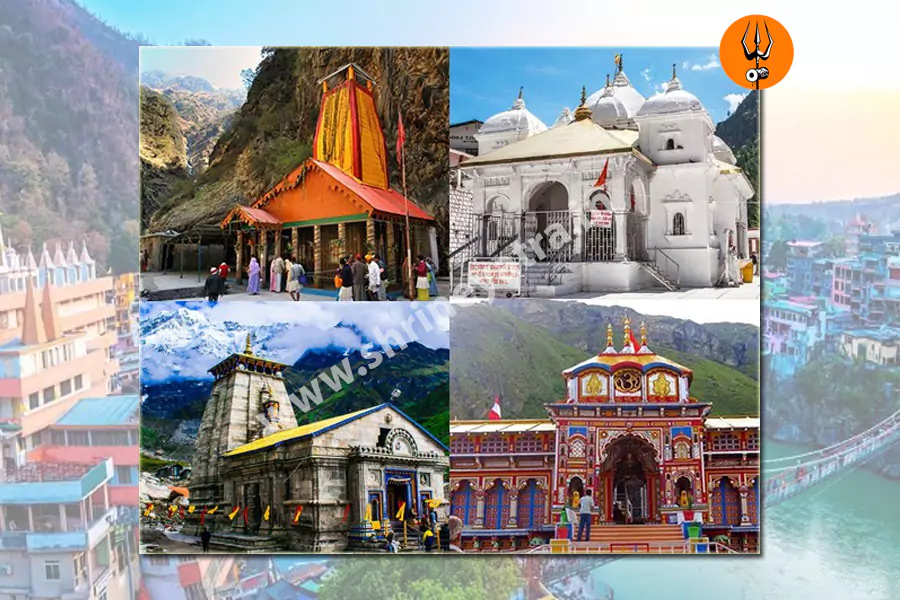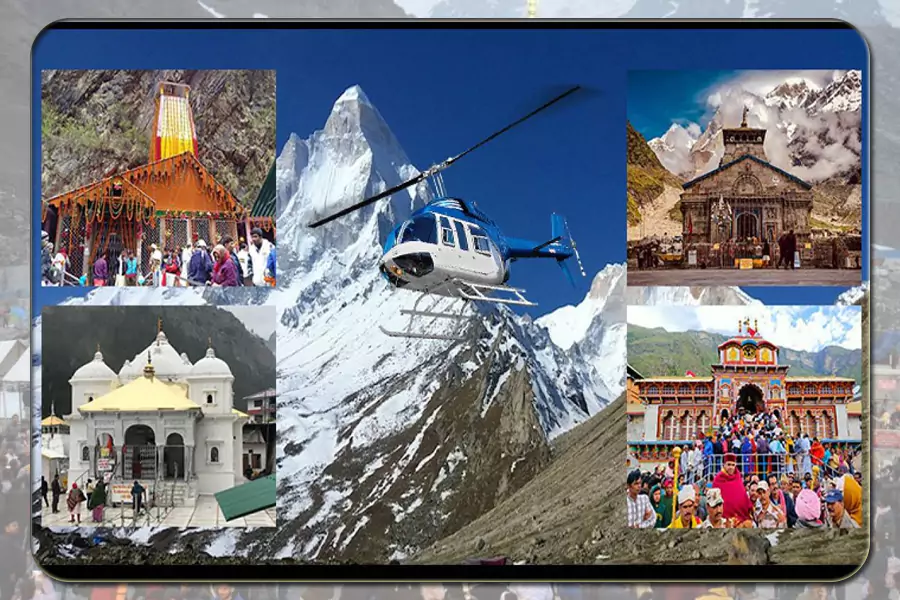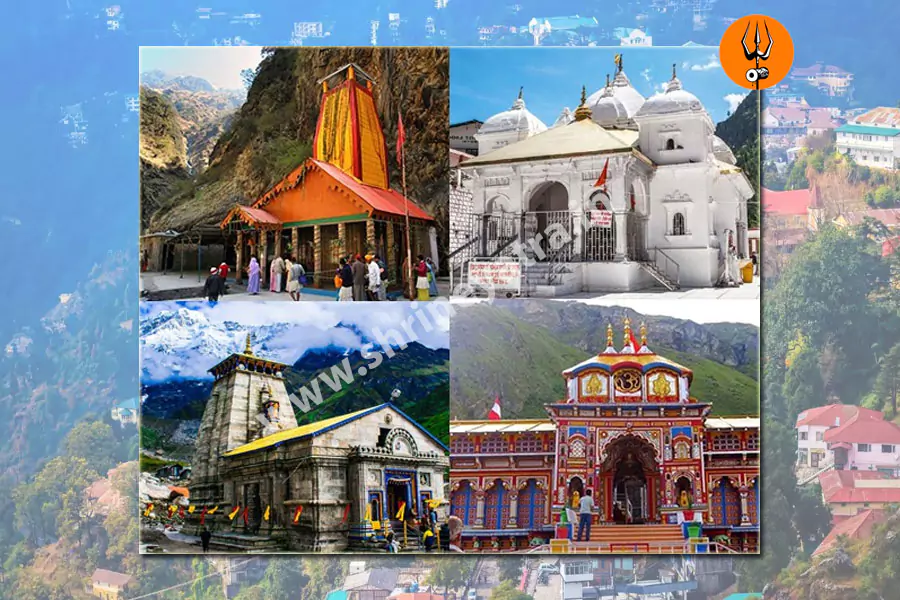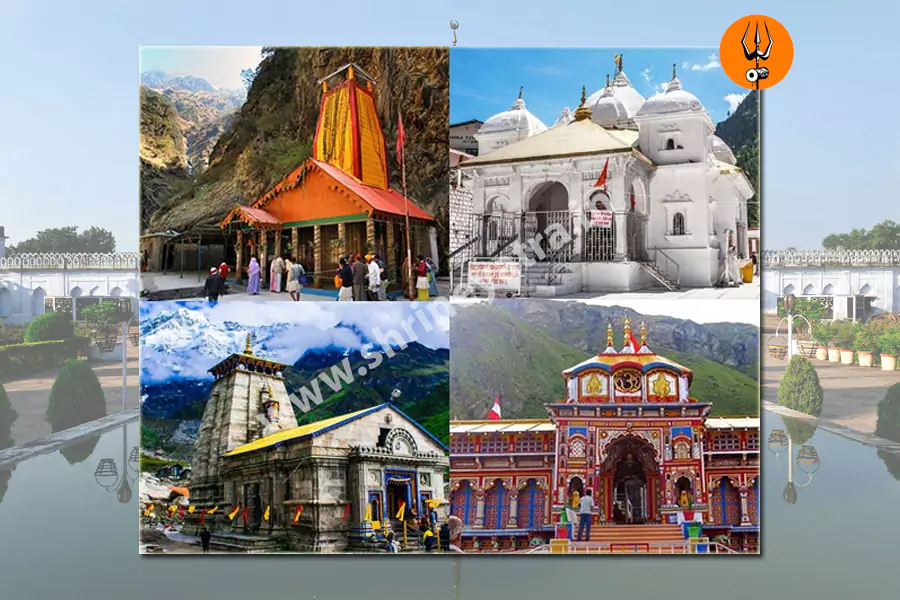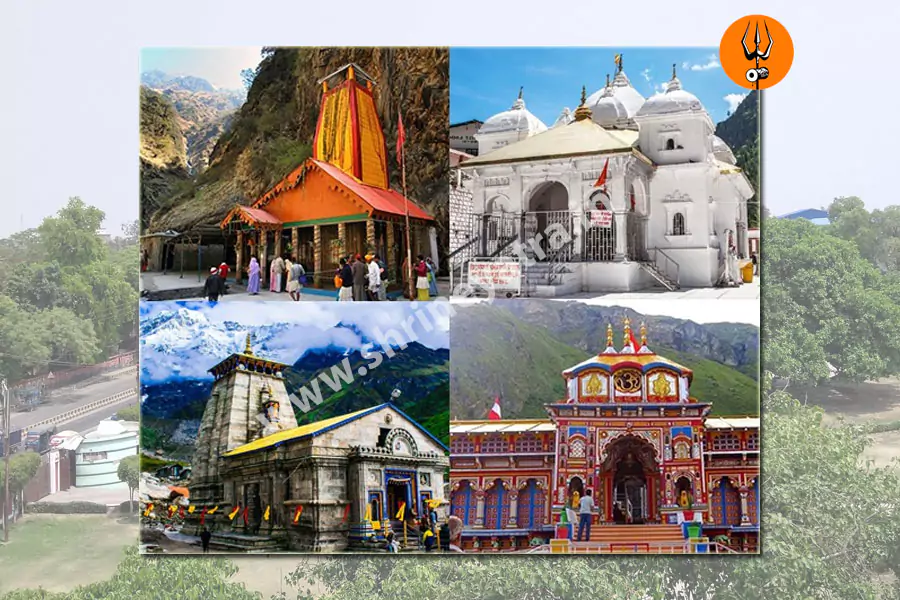
What Are the Main Char Dham Yatra Destinations?
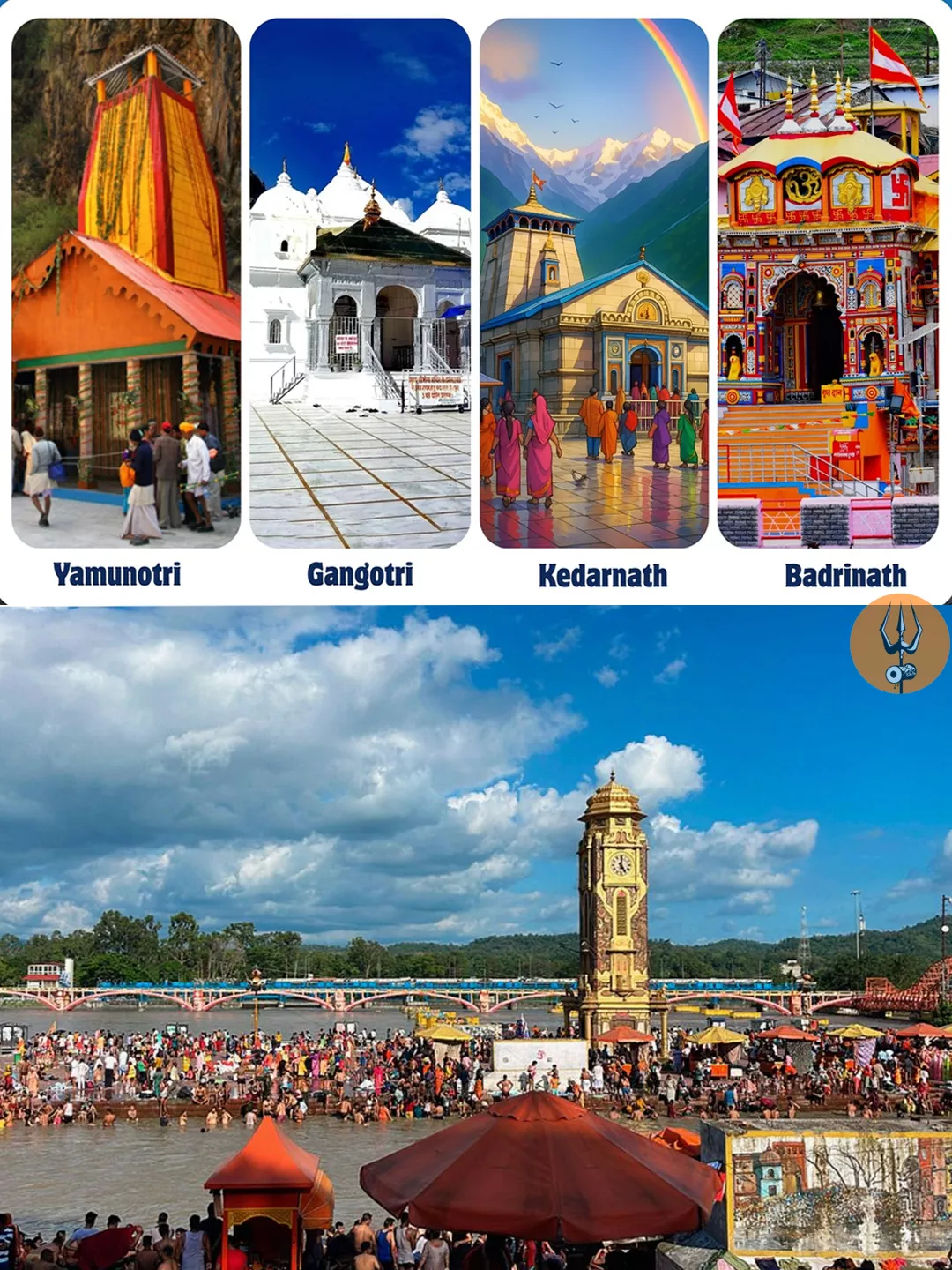
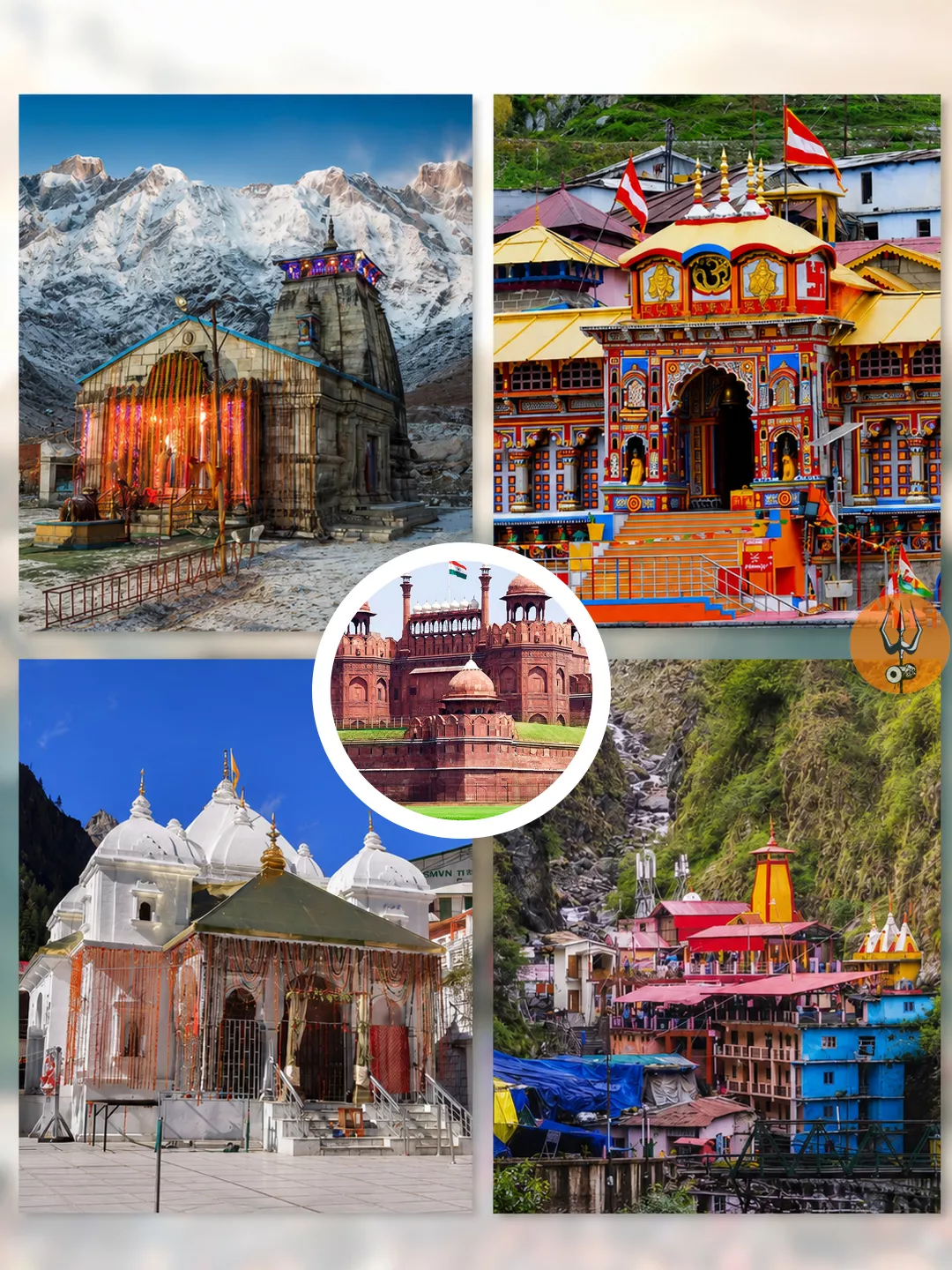
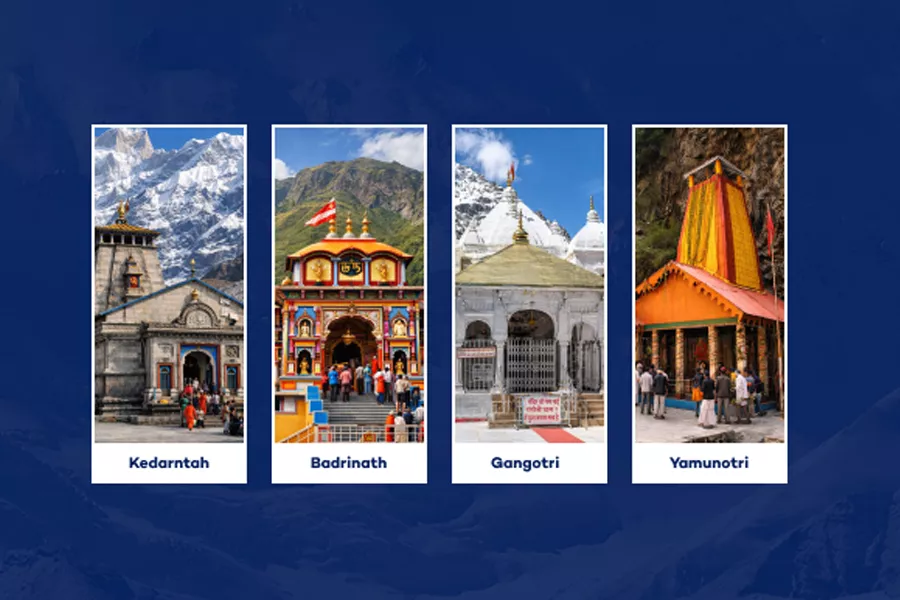
The four main Char Dham Yatra destinations in Uttarakhand are Yamunotri, Gangotri, Kedarnath and Badrinath. Located in the Garhwal Himalayas, these sacred temples represent four important Hindu religious traditions. Yamunotri is dedicated to Goddess Yamuna, Gangotri to Goddess Ganga, Kedarnath to Lord Shiva and Badrinath to Lord Vishnu. Pilgrims traditionally visit them in this order to complete the Chota Char Dham pilgrimage.
Each destination has a distinct religious identity, geographical setting and travel experience. Two temples require trekking from their nearest road-access points, while the other two are accessible by road during the pilgrimage season.
Understanding these four destinations helps first-time pilgrims plan their journey, choose suitable travel arrangements and prepare for the mountain conditions.
What Is Char Dham Yatra?
Char Dham Yatra is a sacred Hindu pilgrimage to four important religious destinations. The word Char means four, while Dham refers to a sacred place or spiritual destination.
In Uttarakhand, this pilgrimage covers four temples in the Garhwal Himalayan region. Many devotees believe that visiting all four shrines strengthens their spiritual connection and offers an opportunity to seek divine blessings.
The Uttarakhand pilgrimage is also known as Chota Char Dham Yatra to distinguish it from the traditional Char Dham circuit associated with four major pilgrimage sites across India.
Difference between Char Dham and Chota Char Dham
| Particulars | Uttarakhand Char Dham | Traditional Char Dham |
|---|---|---|
| Popular name | Chota Char Dham | Char Dham |
| Location | Uttarakhand | Different parts of India |
| Destinations | Yamunotri, Gangotri, Kedarnath, Badrinath | Badrinath, Dwarka, Puri, Rameswaram |
| Main religious associations | Yamuna, Ganga, Shiva and Vishnu | Major Hindu pilgrimage traditions |
| Geographical region | Garhwal Himalayas | North, west, east and south India |
The traditional pan-Indian Char Dham pilgrimage includes:
- Badrinath in Uttarakhand
- Dwarkadhish Temple in Gujarat
- Jagannath Temple in Puri, Odisha
- Ramanathaswamy Temple in Rameswaram, Tamil Nadu
This article focuses on the four Himalayan destinations of Uttarakhand.
What Are the Four Main Char Dham Yatra Destinations?
The four sacred destinations are located across three districts of Uttarakhand. Each temple represents a different deity or sacred river.
| Order | Dham | Main temple | Dedicated to | District |
|---|---|---|---|---|
| First | Yamunotri | Yamunotri Temple | Goddess Yamuna | Uttarkashi |
| Second | Gangotri | Gangotri Temple | Goddess Ganga | Uttarkashi |
| Third | Kedarnath | Kedarnath Temple | Lord Shiva | Rudraprayag |
| Fourth | Badrinath | Badrinath Temple | Lord Vishnu | Chamoli |
The four destinations offer different experiences. Yamunotri and Kedarnath involve trekking, while Gangotri and Badrinath have road access to their respective temple towns.
Let’s understand the religious importance, location and travel arrangements for each Dham.
1. Yamunotri Dham: The Sacred Temple of Goddess Yamuna
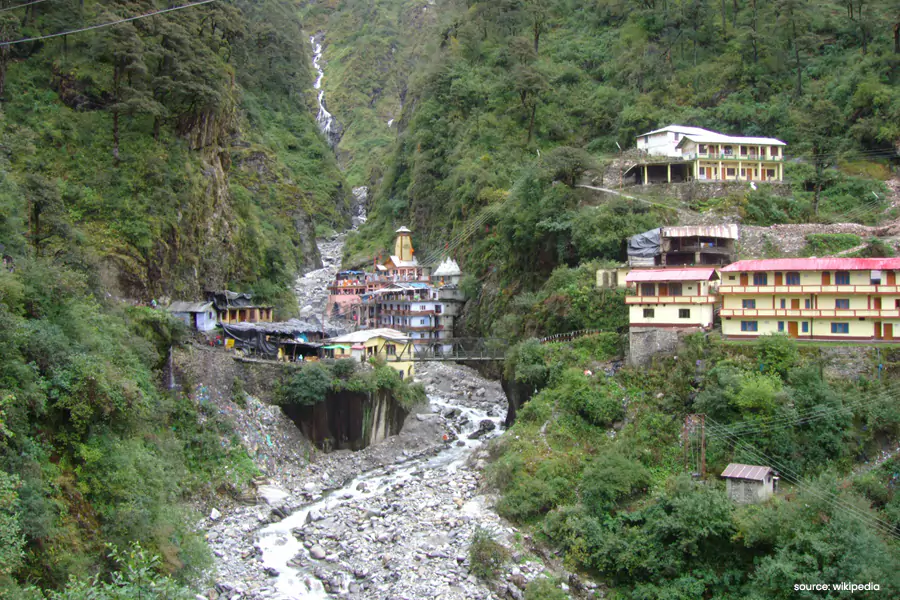
Yamunotri is the first destination of the traditional Uttarakhand Char Dham Yatra. Located in Uttarkashi district, the temple stands in a beautiful Himalayan valley and is dedicated to Goddess Yamuna.
The Yamuna is one of India’s most important sacred rivers. Hindu traditions associate Goddess Yamuna with purity, devotion and protection from untimely death. Devotees visit the temple to offer prayers and seek her blessings.
Religious significance of Yamunotri Temple
According to Hindu mythology, Goddess Yamuna is the daughter of Surya Dev, the Sun God, and the sister of Yama, the God of Death.
Many devotees believe that worshipping Goddess Yamuna and bathing in her sacred waters helps them receive spiritual blessings.
The temple is also associated with the surrounding natural hot springs, which form an important part of the pilgrimage experience.
Surya Kund and Divya Shila
Two important attractions near Yamunotri Temple are:
- Surya Kund: A natural hot water spring where devotees traditionally cook rice and potatoes in cloth bundles as an offering.
- Divya Shila: A sacred rock near the temple where pilgrims traditionally offer prayers before entering the main shrine.
These places form an important part of the Yamunotri pilgrimage.
Yamunotri Temple location and altitude
Yamunotri Temple is situated in Uttarkashi district at approximately 3,293 metres above sea level. It lies close to the upper Himalayan region associated with the Yamuna River.
One important geographical distinction is that the temple is not located at the actual glacial source of the Yamuna. The river’s source is associated with the Champasar Glacier near Saptarishi Kund, a remote high-altitude location.
Yamunotri trekking route
Pilgrims generally travel by road to Janki Chatti, the last motorable point for the regular temple approach.
The route is:
Haridwar/Rishikesh → Barkot → Janki Chatti → Yamunotri Temple
The trek from Janki Chatti is approximately 5–6 km one way, depending on the route measurement used by the source.
Visitors can complete the journey on foot or use locally available pony, palki or other approved transport arrangements.
The uphill walk can take several hours. Pilgrims should consider their physical fitness, weather and crowd conditions before beginning.
Best time to visit Yamunotri
The usual pilgrimage season runs from spring to autumn. May and June generally attract many devotees, while September and October can offer another suitable travel period.
Heavy monsoon rain can cause landslides, slippery paths and road disruptions. Always check local weather and route advisories before travelling.
Why is Yamunotri the first Dham?
Yamunotri marks the traditional beginning of the Uttarakhand Char Dham circuit. Pilgrims start here before proceeding towards Gangotri, Kedarnath and Badrinath.
2. Gangotri Dham: The Sacred Abode of Goddess Ganga
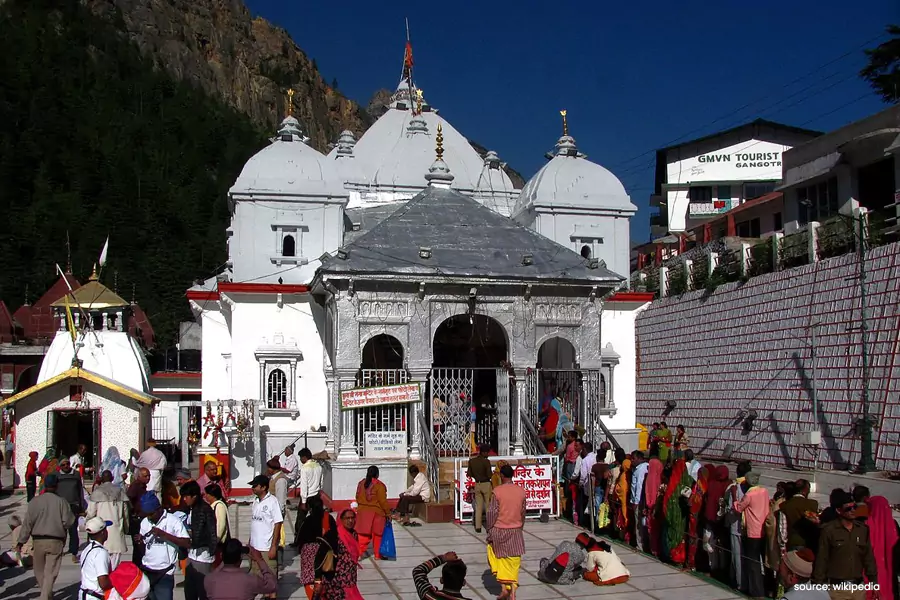
Gangotri is the second destination of the Uttarakhand Char Dham Yatra. Located in Uttarkashi district, the temple is dedicated to Goddess Ganga, one of the most worshipped deities in Hinduism.
The temple stands beside the Bhagirathi River, surrounded by mountains, forests and beautiful Himalayan scenery.
For millions of Hindus, the Ganga represents purity, faith and spiritual liberation. Pilgrims visit Gangotri to offer prayers and seek blessings from the sacred river goddess.
Religious significance of Gangotri Temple
The importance of Gangotri is closely connected with the legend of King Bhagirath.
According to Hindu mythology, King Bhagirath performed intense penance to bring Goddess Ganga from heaven to Earth. He wanted her sacred waters to help liberate the souls of his ancestors.
Lord Shiva agreed to receive the powerful river in his matted hair before allowing her waters to flow towards Earth.
This story explains the religious importance of the Ganga and the connection between Goddess Ganga and Lord Shiva.
Bhagirath Shila and nearby attractions
Pilgrims can visit several religious and natural attractions around Gangotri.
- Bhagirath Shila: A sacred rock associated with King Bhagirath’s meditation.
- Surya Kund: A waterfall on the Bhagirathi River near the temple.
- Gauri Kund: Another waterfall in the surrounding area.
- Gaumukh: The glacial snout associated with the source of the Bhagirathi River.
These places offer additional religious and geographical significance to the Gangotri region.
Gangotri and Gaumukh: Understanding the difference
Gangotri Temple and Gaumukh are two different locations.
Gangotri Temple is a road-accessible pilgrimage shrine at approximately 3,100 metres above sea level.
Gaumukh is the glacial snout of the Gangotri Glacier, where the Bhagirathi River emerges. It lies approximately 18–19 km from Gangotri and requires a separate trek through the Gangotri National Park.
The Bhagirathi is called the Ganga after its confluence with the Alaknanda River at Devprayag.
Therefore, visiting Gangotri Temple does not require completing the Gaumukh trek.
Gangotri Temple location and accessibility
Gangotri is situated in Uttarkashi district at approximately 3,100 metres above sea level.
Unlike Yamunotri, pilgrims can reach Gangotri Temple directly by road during the operating season.
The common route is:
Haridwar → Rishikesh → Uttarkashi → Harsil → Gangotri
The journey passes through mountain roads and river valleys. Pilgrims should plan sufficient time for road travel.
Best time to visit Gangotri
May and June are popular pilgrimage months. September and October can also be suitable, depending on weather and road conditions.
The region experiences heavy snowfall during winter, which leads to the seasonal closure of the temple.
Why is Gangotri important in Char Dham Yatra?
Gangotri represents the religious importance of Goddess Ganga and the sacred river’s connection with Hindu mythology. It is the second shrine in the traditional pilgrimage sequence.
3. Kedarnath Dham: The Sacred Temple of Lord Shiva
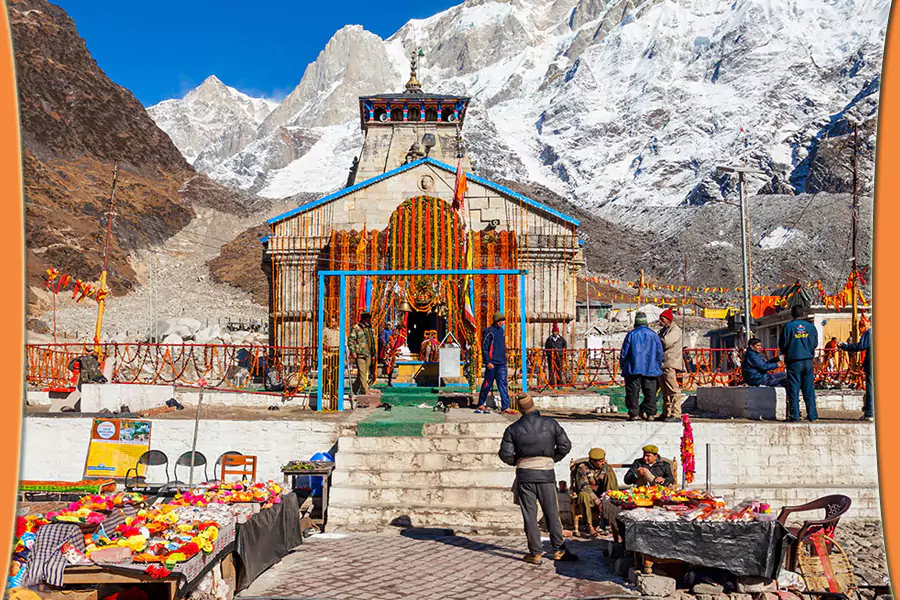
Kedarnath is the third destination of the Uttarakhand Char Dham Yatra and one of the most important pilgrimage sites dedicated to Lord Shiva.
Located in Rudraprayag district, the temple stands at approximately 3,583 metres above sea level. It is surrounded by towering Himalayan peaks and lies near the upper Mandakini River valley.
Kedarnath is also one of the twelve Jyotirlingas of Lord Shiva, making it especially important for Shiva devotees.
Religious significance of Kedarnath Temple
Kedarnath has a strong association with the Mahabharata and the Pandavas.
According to a popular Hindu tradition, the Pandavas sought Lord Shiva’s blessings after the Kurukshetra war. Lord Shiva initially avoided meeting them and took the form of a bull.
When the Pandavas recognised him, Shiva disappeared into the ground. Different parts of his body are traditionally associated with the five temples of Panch Kedar.
Kedarnath is particularly important in this tradition because it represents the hump of the bull.
The temple is also connected with the broader spiritual traditions of Lord Shiva and Himalayan worship.
Kedarnath Temple location and altitude
Kedarnath temple is located in Rudraprayag district at around 3,583 metres above sea level.
The high altitude, unpredictable weather and limited road access make it one of the more physically demanding destinations in the Char Dham circuit.
The temple remains closed during winter due to severe weather and snowfall. The worship tradition continues at its winter seat in Ukhimath.
Kedarnath trekking route
The regular pilgrimage route begins at Gaurikund.
The common route is:
Haridwar → Rishikesh → Devprayag → Rudraprayag → Guptkashi → Sonprayag → Gaurikund → Kedarnath
Pilgrims first travel by road to Sonprayag and continue towards Gaurikund using the available local transport arrangements.
From Gaurikund, the trekking distance is approximately 16–17 km one way, depending on the route and measurement.
The walk involves steep sections, changing weather and high-altitude conditions. It requires suitable footwear, physical preparation and sufficient time.
Helicopter services for Kedarnath
Helicopter services offer an alternative for pilgrims who cannot or do not wish to complete the entire trekking route.
Services generally operate from designated helipads such as Phata, Guptkashi and Sirsi, subject to official operations and availability.
However, helicopter travel does not necessarily remove all walking. Passengers may still need to walk between the helipad and temple area.
Weather, visibility, operational restrictions and official booking rules can affect helicopter services.
Always use the authorised booking system and check the latest instructions before travelling.
Best time to visit Kedarnath
May and June are popular because the temple opens after winter. September and October can also offer suitable pilgrimage conditions.
July and August require extra caution because heavy rain can affect roads, trekking paths and helicopter operations.
Pilgrims should check weather advisories and carry warm clothing even during warmer months.
Why is Kedarnath important in Char Dham Yatra?
Kedarnath represents Lord Shiva and holds special importance as a Jyotirlinga. Its religious traditions, Himalayan location and pilgrimage route make it a major part of the Uttarakhand circuit.
4. Badrinath Dham: The Holy Shrine of Lord Vishnu
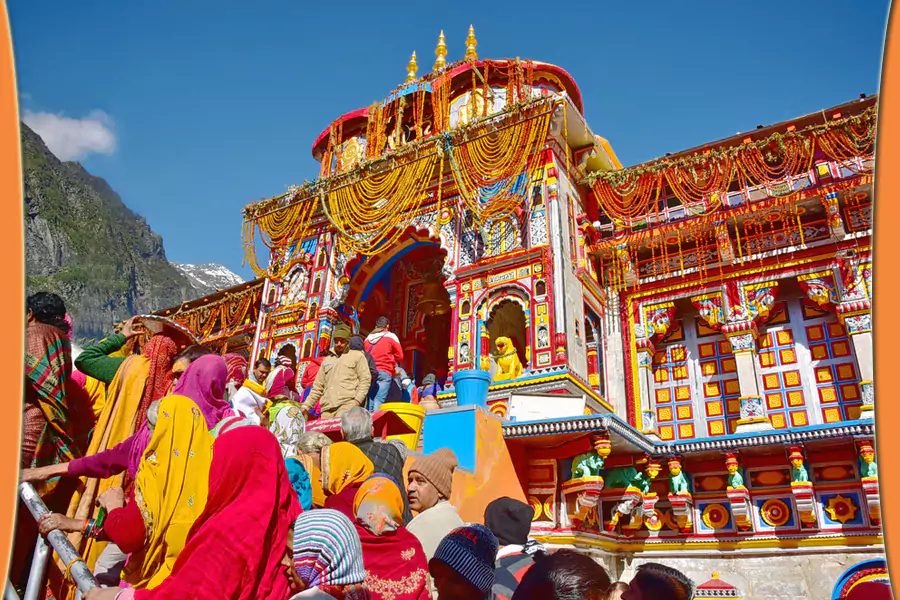
Badrinath is the fourth and final destination of the traditional Uttarakhand Char Dham Yatra. Located in Chamoli district, the temple is dedicated to Lord Vishnu, worshipped here as Badri Vishal.
The shrine stands beside the Alaknanda River, surrounded by the Nar and Narayan mountain ranges.
Unlike Yamunotri and Kedarnath, Badrinath Temple is directly accessible by road during the pilgrimage season.
Religious significance of Badrinath Temple
Badrinath is one of the most important Vishnu temples in India.
According to Hindu tradition, Lord Vishnu meditated in this region. Goddess Lakshmi protected him from the harsh Himalayan conditions by taking the form of a Badri tree.
The temple is also associated with Adi Shankaracharya, who is traditionally credited with reviving the shrine’s religious importance.
Badrinath has an important place in both the Uttarakhand Chota Char Dham circuit and the traditional pan-Indian Char Dham pilgrimage.
Tapt Kund and nearby attractions
Several religious and natural attractions surround Badrinath Temple.
- Tapt Kund: A natural hot water spring near the temple where devotees traditionally bathe before darshan.
- Mana Village: A Himalayan village located a short distance from Badrinath. It is known for its cultural traditions and nearby religious sites.
- Vyas Gufa: A cave associated with Maharishi Ved Vyasa and Hindu scriptural traditions.
- Brahma Kapal: A sacred site on the banks of the Alaknanda River where devotees perform rituals for their ancestors.
These attractions allow pilgrims to explore the religious and cultural importance of the region.
Badrinath Temple location and accessibility
Badrinath temple is situated in Chamoli district at approximately 3,133 metres above sea level.
The temple is connected by road through Joshimath.
The common route is:
Haridwar → Rishikesh → Devprayag → Rudraprayag → Karnaprayag → Joshimath → Badrinath
Road conditions can change because of landslides, snowfall and other mountain-related disruptions. Check local advisories before starting the journey.
Best time to visit Badrinath
May and June generally attract large numbers of devotees. September and October can also be suitable for visiting, depending on weather and road conditions.
The temple closes during winter because of heavy snowfall and low temperatures.
Why is Badrinath the final Dham?
Badrinath completes the traditional Uttarakhand Char Dham pilgrimage. Its connection with Lord Vishnu and its importance in Hindu pilgrimage traditions make it a fitting final destination in the circuit.
What Is the Correct Order of Char Dham Yatra?
The traditional Uttarakhand Char Dham Yatra follows a clockwise sequence through the Garhwal Himalayas.
The correct order is:
- Yamunotri Dham – First destination · Goddess Yamuna · Uttarkashi
- Gangotri Dham – Second destination · Goddess Ganga · Uttarkashi
- Kedarnath Dham – Third destination · Lord Shiva · Rudraprayag
- Badrinath Dham – Fourth destination · Lord Vishnu · Chamoli
Why does Char Dham Yatra follow this order?
The sequence follows the traditional clockwise pilgrimage practice, known as Parikrama. It also follows the geographical arrangement of the four shrines.
Yamunotri and Gangotri are located in Uttarkashi district. After visiting these temples, pilgrims travel towards Rudraprayag for Kedarnath and continue towards Chamoli for Badrinath.
This sequence represents the customary pilgrimage route. However, road closures, weather conditions, operational restrictions and individual travel arrangements may require changes to an itinerary.
Where Are the Four Char Dham Destinations Located?
All four destinations are situated in Uttarakhand’s Garhwal Himalayan region. However, they are spread across different valleys and districts.
| Destination | District | Nearby town or base | Approximate altitude |
|---|---|---|---|
| Yamunotri | Uttarkashi | Janki Chatti | 3,293 m |
| Gangotri | Uttarkashi | Gangotri | 3,100 m |
| Kedarnath | Rudraprayag | Gaurikund | 3,583 m |
| Badrinath | Chamoli | Joshimath | 3,133 m |
Altitudes are approximate. Published figures vary slightly between tourism and district sources.
Geographical distribution of the four Dhams
The map shows the approximate geographical distribution of the four temples.
- Yamunotri lies in the western part of the circuit.
- Gangotri is also in Uttarkashi district, towards the northeast of Yamunotri.
- Kedarnath is situated in the upper Mandakini valley in Rudraprayag.
- Badrinath lies farther northeast in Chamoli district.
The mountainous terrain between these destinations makes road planning an important part of the pilgrimage.
Char Dham Yatra Route: How to Reach All Four Destinations
Haridwar and Rishikesh are two common starting points for Char Dham Yatra. Both offer road connections, accommodation and transport facilities for pilgrims arriving from different parts of India.
The journey generally follows this route:
General Char Dham road itinerary
- Haridwar / Rishikesh: Common starting points for the pilgrimage.
- Barkot – Janki Chatti – Yamunotri: Road journey followed by the Yamunotri trek.
- Uttarkashi – Gangotri: Travel through the Bhagirathi valley to Gangotri Temple.
- Guptkashi – Sonprayag – Gaurikund – Kedarnath: Road travel followed by the Kedarnath trek or authorised helicopter arrangements.
- Rudraprayag – Joshimath – Badrinath: Road journey to the final temple.
- Return to Haridwar / Rishikesh: Complete the circuit and return.
Important travel points
- Haridwar and Rishikesh offer convenient transport connections.
- Barkot is a common overnight base for Yamunotri.
- Uttarkashi provides accommodation and road access for Gangotri.
- Guptkashi, Phata and nearby locations serve Kedarnath pilgrims.
- Joshimath is an important stop before reaching Badrinath.
The actual itinerary depends on accommodation availability, road conditions, weather and temple schedules.
Char Dham Yatra Distance: How Far Apart Are the Four Temples?
Distance is an important consideration when planning the Char Dham pilgrimage. The temples are located in different Himalayan valleys, and pilgrims must travel considerable distances between them.
It is important to distinguish road travel from trekking distances.
Approximate distances from Haridwar
| Destination | Approximate road distance | Additional trekking |
|---|---|---|
| Yamunotri | 220 km to Janki Chatti | 5–6 km one way |
| Gangotri | 290 km | No regular temple trek |
| Kedarnath | 240 km to Gaurikund area | 16–17 km one way |
| Badrinath | 320 km | No regular temple trek |
Planning figures based on the Uttarakhand government’s registration portal. Road measurements and the final approach can vary. The Kedarnath road figure includes the approach towards Gaurikund; local transport arrangements may be required from Sonprayag.
Trekking distances to remember
| Dham | Trek starting point | Approximate distance |
|---|---|---|
| Yamunotri | Janki Chatti | 5–6 km |
| Gangotri | Gangotri | No trek for temple darshan |
| Kedarnath | Gaurikund | 16–17 km |
| Badrinath | Badrinath town | No regular trek for temple darshan |
Pilgrims planning to visit Gaumukh must arrange a separate trek and check the applicable permissions. This trek is not included in the regular Gangotri Temple visit.
Note: Do not calculate the complete Char Dham road distance by simply adding the distances from Haridwar to each individual temple. The actual pilgrimage follows a connected route, with different roads between destinations.
What Is the Religious Significance of Each Char Dham?
Each destination represents a distinct religious tradition. Together, the four Dhams bring devotees closer to important Hindu beliefs and pilgrimage practices.
| Dham | Deity or sacred association | Main religious significance |
|---|---|---|
| Yamunotri | Goddess Yamuna | Worship of the sacred Yamuna River |
| Gangotri | Goddess Ganga | Legend of Ganga’s descent to Earth |
| Kedarnath | Lord Shiva | One of the twelve Jyotirlingas |
| Badrinath | Lord Vishnu | Important shrine of Badri Vishal |
Why do pilgrims visit all four temples?
Each shrine has its own religious identity. Visiting all four allows devotees to experience the different traditions associated with the sacred rivers, Lord Shiva and Lord Vishnu.
For many families, completing this pilgrimage is also a long-held spiritual goal.
When Does Char Dham Yatra Start and End?
Char Dham Yatra is a seasonal pilgrimage because the four temples experience severe winter conditions.
The shrines generally open in April or May and close in October or November. The exact dates change every year according to religious calendars, temple traditions and official announcements.
Char Dham Yatra 2026 seasonal update
For the 2026 season, the reported opening dates were:
| Temple | Opening date 2026 |
|---|---|
| Yamunotri | 19 April 2026 |
| Gangotri | 19 April 2026 |
| Kedarnath | 22 April 2026 |
| Badrinath | 23 April 2026 |
Historical 2026 dates, not upcoming travel dates. The 2026 pilgrimage season has now concluded. Do not use these dates to plan a 2027 journey.
The closing dates are also announced separately by the respective temple authorities. Winter worship arrangements continue at designated winter seats.
For the next pilgrimage season, check announcements from:
- Shri Badarinath Kedarnath Temple Committee
- Uttarakhand Tourism
- Tourist Care Uttarakhand
What Is the Best Time to Visit Char Dham?
The best time for Char Dham Yatra generally falls between May and June or September and October. However, weather conditions can vary considerably between destinations.
May to June: Early summer
This is one of the busiest periods for the pilgrimage.
Advantages include:
- Temple routes are generally operational after seasonal openings.
- Daytime temperatures are relatively comfortable compared with winter.
- Families often prefer this period for their annual pilgrimage.
However, crowds can increase waiting times at temples and on trekking routes.
July to August: Monsoon season
The monsoon brings heavy rainfall to Uttarakhand.
Possible challenges include:
- Landslides and road blockages.
- Slippery trekking paths.
- Sudden weather changes.
- Travel delays and transport interruptions.
Pilgrims should carefully consider the risks before planning a monsoon journey.
September to October: Post-monsoon season
This period can provide another opportunity to complete the pilgrimage.
Some advantages include:
- Reduced monsoon rainfall in many areas.
- Pleasant daytime conditions on suitable days.
- Beautiful Himalayan scenery.
However, temperatures can fall sharply at higher altitudes, particularly in the mornings and evenings. The temples also begin closing for winter during this period.
How Many Days Are Required for Char Dham Yatra?
A complete Char Dham Yatra generally requires around 10–12 days from Haridwar or Rishikesh by road.
The duration depends on the route, accommodation, trekking arrangements, road conditions and weather.
A practical itinerary needs time for:
- Travel from Haridwar or Rishikesh.
- Yamunotri trekking and darshan.
- Gangotri temple visit.
- Kedarnath trekking and overnight stay.
- Badrinath darshan and nearby attractions.
- Rest, meals and mountain-road travel.
- Weather-related delays.
Suggested 11-day Char Dham itinerary
| Day | Travel plan | Overnight stay |
|---|---|---|
| Day 1 | Haridwar to Barkot | Barkot |
| Day 2 | Yamunotri darshan and return | Barkot |
| Day 3 | Barkot to Uttarkashi | Uttarkashi |
| Day 4 | Gangotri darshan and return | Uttarkashi |
| Day 5 | Uttarkashi to Guptkashi | Guptkashi |
| Day 6 | Guptkashi to Gaurikund and Kedarnath trek | Kedarnath |
| Day 7 | Kedarnath darshan and return | Guptkashi |
| Day 8 | Guptkashi to Badrinath | Badrinath |
| Day 9 | Badrinath darshan and Mana visit | Badrinath |
| Day 10 | Badrinath to Rudraprayag | Rudraprayag |
| Day 11 | Return to Haridwar | Journey ends |
This is an illustrative itinerary, not a guaranteed schedule. Road conditions, trekking speed and accommodation availability can require additional days.
For senior citizens and families who prefer a slower journey, an itinerary with extra rest days is often more practical.
Is Char Dham Yatra Difficult?
Char Dham Yatra can be physically demanding because of the high altitude, mountain roads, trekking and changing weather.
However, the level of physical effort differs between the four destinations.
| Destination | Travel difficulty | Main consideration |
|---|---|---|
| Yamunotri | Moderate to demanding | Uphill trek from Janki Chatti |
| Gangotri | Comparatively easier access | High altitude and mountain-road travel |
| Kedarnath | Demanding | Long uphill trek from Gaurikund |
| Badrinath | Comparatively easier access | High altitude and road conditions |
Which part requires the most physical effort?
Kedarnath generally requires the greatest trekking effort because pilgrims must cover approximately 16–17 km one way from Gaurikund.
Yamunotri also requires an uphill walk, although its trekking distance is shorter.
Gangotri and Badrinath are accessible by road for regular temple visits. However, high altitude and long road journeys can still cause discomfort.
How should pilgrims prepare?
- Start regular walking exercises before travelling.
- Choose comfortable trekking footwear.
- Carry warm and waterproof clothing.
- Maintain adequate hydration.
- Avoid rushing during uphill walks.
- Take rest whenever required.
- Follow local administration and medical instructions.
Is Char Dham Yatra Suitable for Senior Citizens and Families?
Senior citizens and families can undertake Char Dham Yatra, but they should plan according to individual health, fitness and mobility.
The pilgrimage includes long road journeys, high-altitude destinations and two trekking sections.
Before making travel arrangements, consider the following:
- Medical preparation: Consult a doctor before travelling, especially if you have an existing medical condition or concerns about high altitude.
- Walking requirements: Yamunotri and Kedarnath require trekking or suitable alternative transport arrangements.
- Accommodation: Choose comfortable accommodation with suitable facilities and convenient access to transport.
- Rest days: Avoid a rushed itinerary. Include enough time for rest and unexpected delays.
- Transport alternatives: Check authorised pony, palki and helicopter arrangements where available. These services have their own operational and physical limitations.
- Children: Families travelling with young children should consider walking requirements, altitude, cold weather and access to medical assistance.
No transport option can guarantee that every part of the journey will be comfortable or accessible to everyone.
What Documents and Registration Are Required for Char Dham Yatra?
Pilgrims should complete the applicable Char Dham registration process before beginning their journey.
The Uttarakhand government operates the official Tourist Care registration portal.
Common registration requirements
Depending on the current process, pilgrims may need:
- Valid identity details.
- A mobile number.
- Emergency contact information.
- Travel dates and selected destinations.
- Vehicle information, where applicable.
The official portal provides online registration and information about available registration facilities.
Keep your registration confirmation or Yatra identification accessible during the journey.
Requirements can change from one season to another. Check the current official instructions rather than relying on older registration guides.
Essential Tips Before Starting Char Dham Yatra
A little preparation can make the pilgrimage easier and help prevent avoidable travel problems.
Here are some important points to remember:
- Plan your itinerary early: Arrange accommodation and transport before the busy pilgrimage season.
- Complete registration: Follow the current government registration requirements.
- Check weather updates: Review forecasts and road advisories before each major journey.
- Carry warm clothes: Mountain temperatures can fall even during summer.
- Choose suitable footwear: Use comfortable shoes with a good grip for trekking.
- Bring essential medicines: Carry your prescribed medication and basic personal supplies.
- Stay hydrated: Drink enough water during road journeys and treks.
- Prepare physically: Start walking regularly before your pilgrimage.
- Keep identification handy: Carry your valid identity documents.
- Save emergency contacts: Keep important local and family contact details accessible.
- Allow buffer days: Mountain travel can take longer than expected.
- Follow official instructions: Respect local administration guidelines and temple rules.
The Char Dham pilgrimage involves mountain travel, so flexibility is important. Never continue a journey against official weather or safety advisories.
Frequently Asked Questions About Char Dham Yatra
What are the four main Char Dham Yatra destinations?
The four main destinations are Yamunotri, Gangotri, Kedarnath and Badrinath. These sacred temples are situated in Uttarakhand and are dedicated to Goddess Yamuna, Goddess Ganga, Lord Shiva and Lord Vishnu, respectively.
Which are the four temples of Uttarakhand Char Dham?
The four temples are Yamunotri Temple, Gangotri Temple, Kedarnath Temple and Badrinath Temple. Together, they form the Chota Char Dham pilgrimage circuit in the Garhwal Himalayas.
Why is Char Dham Yatra also called Chota Char Dham?
The Uttarakhand pilgrimage is called Chota Char Dham to distinguish it from the traditional pan-Indian Char Dham circuit. The latter includes Badrinath, Dwarka, Puri and Rameswaram.
What is the correct order of Char Dham Yatra?
The traditional order is Yamunotri, Gangotri, Kedarnath and Badrinath. Pilgrims generally follow this clockwise sequence through the Garhwal Himalayan region.
Where are the four Char Dham temples located?
Yamunotri and Gangotri are situated in Uttarkashi district. Kedarnath is in Rudraprayag district, while Badrinath is in Chamoli district of Uttarakhand.
Which Dham should be visited first?
Yamunotri is traditionally the first destination of the Uttarakhand Char Dham Yatra. The journey generally starts from Janki Chatti, followed by visits to Gangotri, Kedarnath and Badrinath.
How many days are required for Char Dham Yatra?
A complete road-based Char Dham Yatra generally takes around 10–12 days from Haridwar or Rishikesh. Additional days may be necessary for senior citizens, rest, weather delays and slower trekking.
What is the total distance of Char Dham Yatra?
The total distance depends on the starting point, selected route and return journey. The Uttarakhand government publishes individual road distances to the shrines. Pilgrims should calculate their itinerary using the connected route rather than adding separate distances from Haridwar.
What is the best month for Char Dham Yatra?
May, June, September and October are generally popular months. However, the best time depends on weather, road conditions, crowd levels and temple opening schedules. Monsoon travel requires additional caution.
Is Char Dham Yatra difficult?
The pilgrimage can be physically demanding because of high-altitude travel, mountain roads and trekking. Yamunotri and Kedarnath involve walking, while Gangotri and Badrinath offer direct road access to their temples.
Is Kedarnath the most difficult part of Char Dham Yatra?
Kedarnath generally requires the greatest trekking effort because the route from Gaurikund is approximately 16–17 km one way. The uphill journey, altitude and changing weather make physical preparation important.
Can senior citizens complete Char Dham Yatra?
Senior citizens can undertake the pilgrimage depending on their health, mobility and fitness. They should seek medical advice where appropriate, choose a comfortable itinerary and check available transport alternatives for the trekking sections.
Is registration compulsory for Char Dham Yatra?
Pilgrims must follow the registration requirements announced by the Uttarakhand government for the relevant season. The official Tourist Care Uttarakhand portal provides registration information and facilities.
Can Char Dham Yatra be completed by road?
Most of the pilgrimage can be covered by road, but regular road access does not extend directly to Yamunotri and Kedarnath temples. Pilgrims must complete the final approaches on foot or use available authorised alternatives.
What is the difference between Char Dham and Chota Char Dham?
Chota Char Dham refers to the four Himalayan pilgrimage destinations in Uttarakhand: Yamunotri, Gangotri, Kedarnath and Badrinath. The traditional Char Dham circuit covers Badrinath, Dwarka, Puri and Rameswaram.