
The Char Dham Yatra in Uttarakhand is one of the most revered Hindu pilgrimages in India. It covers four sacred shrines: Yamunotri, Gangotri, Kedarnath, and Badrinath. Each Dham has its own religious importance, mythology, and unique Himalayan setting.
Yamunotri is associated with Goddess Yamuna, Gangotri with Goddess Ganga, Kedarnath with Lord Shiva, and Badrinath with Lord Vishnu. Together, these four temples form the Chota Char Dham Yatra of Uttarakhand.
The pilgrimage became widely established through the efforts of Adi Shankaracharya, who played an important role in promoting major Hindu pilgrimage traditions across India.
The four Char Dham temples are spread across the Garhwal Himalayas of Uttarakhand. Their locations, deities, and religious traditions make each stop an important part of the pilgrimage.
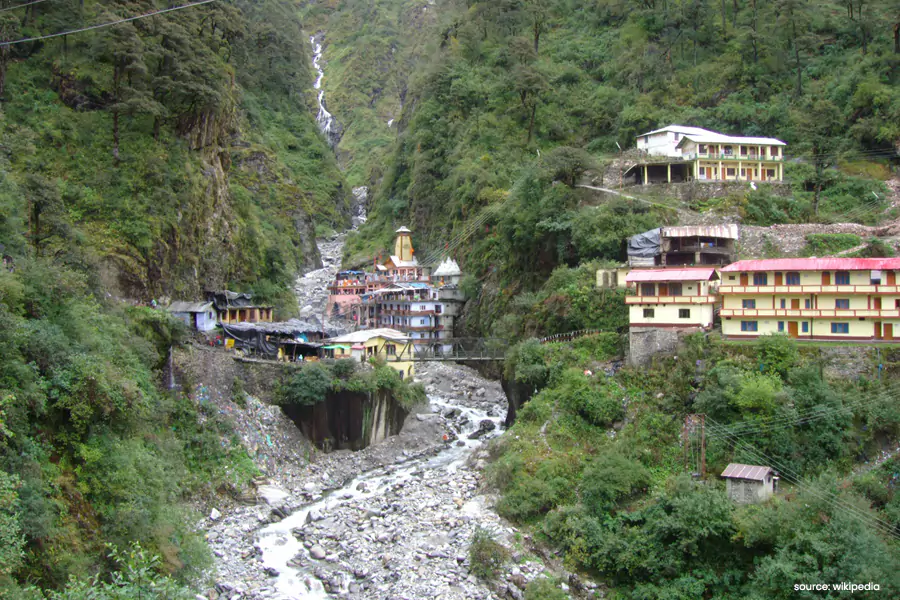
Yamunotri Temple marks the traditional beginning of the Char Dham Yatra. Located at an altitude of about 3,293 metres, the shrine is dedicated to Goddess Yamuna.
The temple stands in a dramatic Himalayan setting surrounded by mountains, forests, and natural hot springs. Pilgrims visit the sacred shrine and also offer prayers at the nearby hot water springs.
The temple remains accessible only during the pilgrimage season because heavy snowfall makes the region difficult to reach during winter.
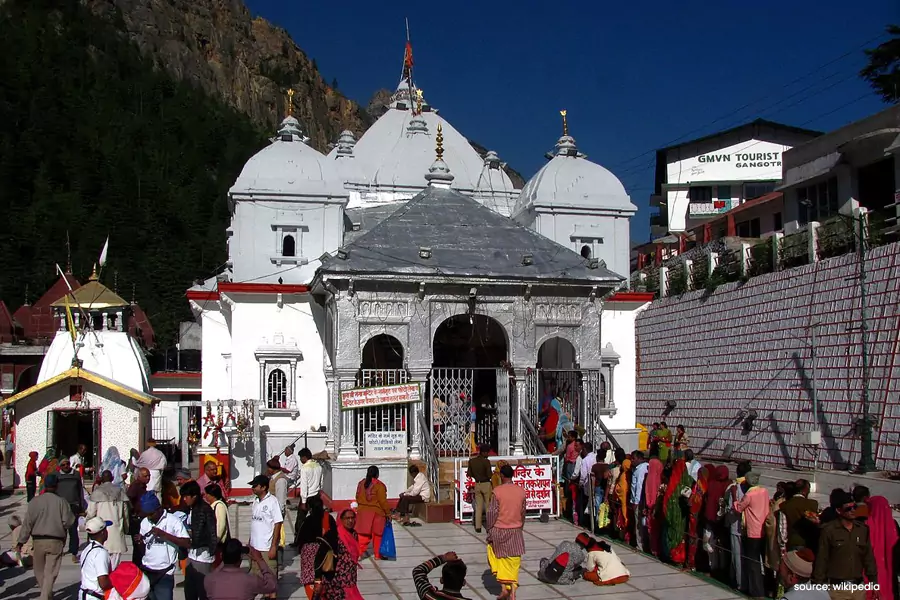
Gangotri Temple is dedicated to Goddess Ganga and stands at an elevation of approximately 3,100 metres in Uttarkashi district.
According to Hindu tradition, Goddess Ganga descended to Earth through the prayers of King Bhagiratha. The temple and the surrounding Bhagirathi valley hold great importance for devotees.
The white temple structure, flowing river, and surrounding Himalayan peaks create a peaceful setting for pilgrims.
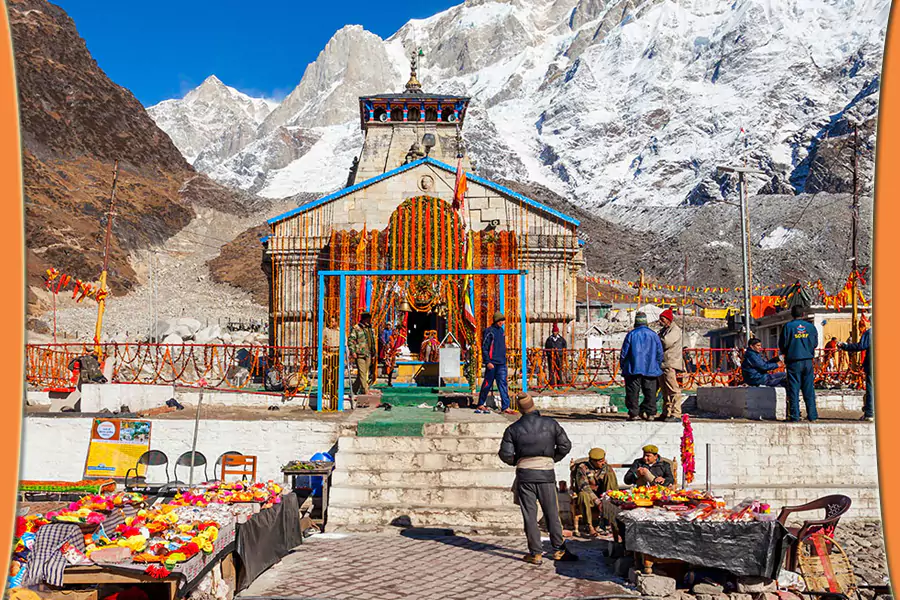
Kedarnath Temple is one of the most important Shiva temples in India and one of the 12 Jyotirlingas. It stands at around 3,583 metres above sea level.
Hindu tradition connects Kedarnath with the Pandavas and Lord Shiva. The ancient stone temple sits beside the Mandakini River and is surrounded by towering Himalayan peaks.
Kedarnath is also considered one of the more physically demanding stops on the Char Dham Yatra because pilgrims travelling by road must continue from the base area and cover the remaining route through trekking or available local services.
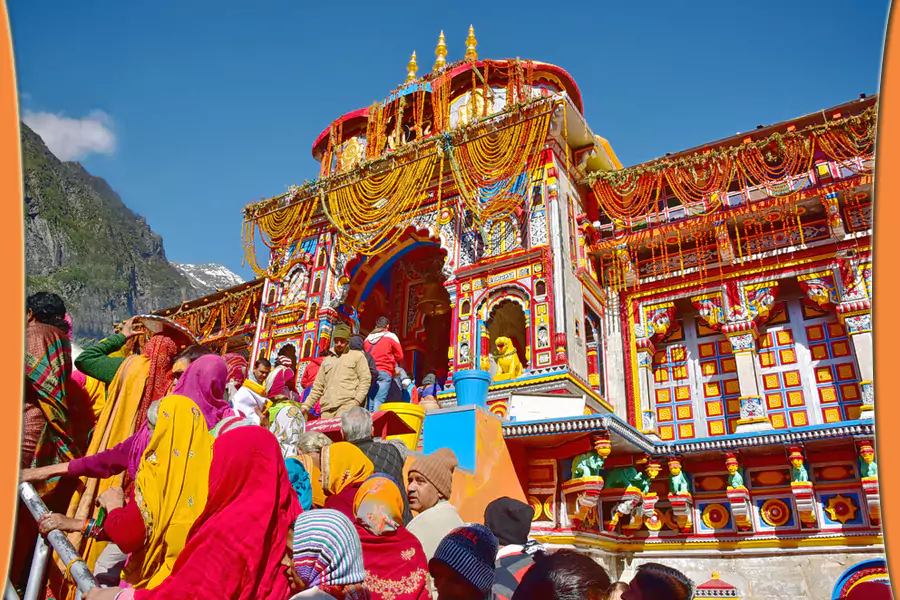
Badrinath Temple is dedicated to Lord Vishnu and stands at an altitude of approximately 3,133 metres beside the Alaknanda River.
The presiding deity is Lord Badrinarayan, represented in a meditative posture. Badrinath holds an important place in Vaishnavism and is also one of the four major Char Dham pilgrimage sites established in the broader Hindu pilgrimage tradition.
For the Uttarakhand Char Dham circuit, Badrinath traditionally comes after Yamunotri, Gangotri, and Kedarnath.
The Char Dham temples open for pilgrims during spring after the winter closure. The exact opening dates are announced according to the religious calendar and temple traditions.
The pilgrimage season generally begins in April or May and continues until October or November, depending on weather conditions and the individual temple’s closing date.
During winter, heavy snowfall and severe weather make the high-altitude shrines inaccessible. Their associated deities are worshipped at designated winter seats in lower and more accessible locations.
Always check the latest official temple announcements before planning your journey.
During the winter closure, the worship of the deities continues at their traditional winter abodes.
The idol of Goddess Yamuna is brought to Kharsali, where devotees can continue to offer prayers during the winter months.
The idol of Goddess Ganga is moved to Mukhba Village. The village becomes an important pilgrimage destination during the winter closure of Gangotri Temple.
The worship of Lord Kedarnath continues at Omkareshwar Temple in Ukhimath. Devotees visit Ukhimath during winter to seek the blessings of Lord Shiva.
During the winter closure of Badrinath Temple, worship continues at the Narasimha Temple in Joshimath.
These winter destinations allow devotees to continue the religious traditions associated with the four Dhams even when the main temples remain closed.
The four Dhams are located in different parts of Uttarakhand’s Garhwal Himalayas. Road travel forms the main way to reach the pilgrimage circuit, while air and rail services can help pilgrims reach the gateway cities.
From Haridwar, Rishikesh, or Dehradun, pilgrims can continue their journey by road toward the respective Dham and its base points.
Jolly Grant Airport in Dehradun is the main airport used by pilgrims travelling to Char Dham destinations.
From Dehradun, travellers can hire a taxi or join an organized Char Dham tour to continue toward the Himalayan pilgrimage routes.
Rishikesh Railway Station and Haridwar Railway Station are commonly used by pilgrims travelling toward Char Dham.
Haridwar has strong rail connectivity with several major Indian cities. From Haridwar or Rishikesh, pilgrims can continue by bus, taxi, or private vehicle.
Road travel is the most common way to explore the Char Dham circuit.
Pilgrims can travel by:
The roads pass through mountain valleys, rivers, forests, and several important pilgrimage towns.
Road access does not take pilgrims directly to every temple entrance.
Yamunotri: Pilgrims travel by road to Janki Chatti and continue toward the temple using the available trekking and local transport options.
Kedarnath: Pilgrims travelling by road reach the designated base area and continue toward Kedarnath through the permitted trekking route or approved local services.
Gangotri and Badrinath have road access close to their respective temples, making them easier to reach compared with Yamunotri and Kedarnath.
A Char Dham Yatra by helicopter can reduce long road journeys and make the pilgrimage more convenient for travellers with limited time.
Helicopter operations depend on the approved routes, weather, operator schedules, and government regulations. Services may also vary between pilgrimage seasons.
Helicopter services for Yamunotri generally use Kharsali Helipad as the base. From Kharsali, pilgrims continue toward Yamunotri using the available local travel and trekking options.
For Gangotri, helicopter operations may use Harsil as an access point. From Harsil, pilgrims continue by road toward Gangotri Temple.
Kedarnath has established helicopter services from locations such as Phata, Sersi, and Guptkashi, subject to seasonal operations.
The helicopter takes pilgrims close to Kedarnath, after which they follow the designated route toward the temple.
Helicopter access to Badrinath depends on the service and itinerary selected. Pilgrims should check the current operator’s approved route, helipad, baggage rules, and weather conditions before booking.
For any helicopter journey, flights remain highly dependent on mountain weather. Delays or cancellations can occur because of poor visibility, rain, snowfall, or strong winds.
Pooja and Aarti are important parts of the Char Dham pilgrimage. Each temple follows its own daily rituals and schedules.
Timings can change according to the season, temple calendar, weather, and local arrangements. Pilgrims should confirm the current schedule before planning a specific Aarti or Pooja.
Devotees can participate in the temple’s daily worship and Aarti dedicated to Goddess Yamuna. The peaceful surroundings make the rituals especially meaningful.
Aarti at Gangotri is performed in honour of Goddess Ganga. The sound of devotional prayers beside the Bhagirathi River creates a deeply spiritual atmosphere.
Kedarnath is known for its early morning rituals and evening worship dedicated to Lord Shiva. Devotees can participate in the temple’s scheduled Pooja and Aarti according to the day’s arrangements.
Badrinath Temple conducts several important daily rituals, including Mangala Aarti in the early morning and evening worship. Devotees can attend these ceremonies subject to temple timings and availability.
Important: Pooja, Aarti, Darshan, and special ritual timings can change. Check with the temple authorities or your tour operator for the latest schedule before your visit.
Other Packages: Amarnath Package | Adi Kailash Package | Kainchi Dham Package
