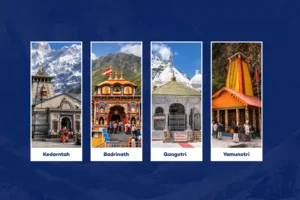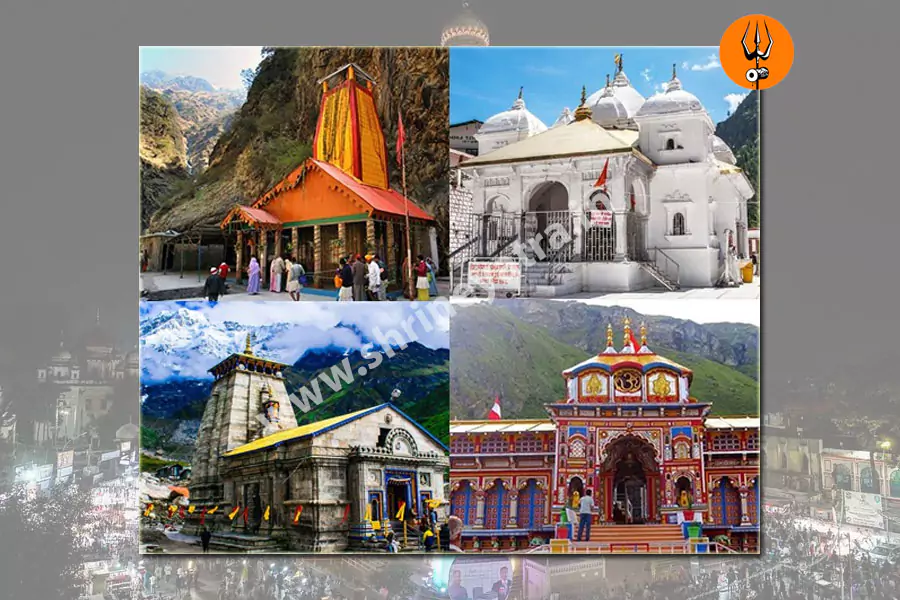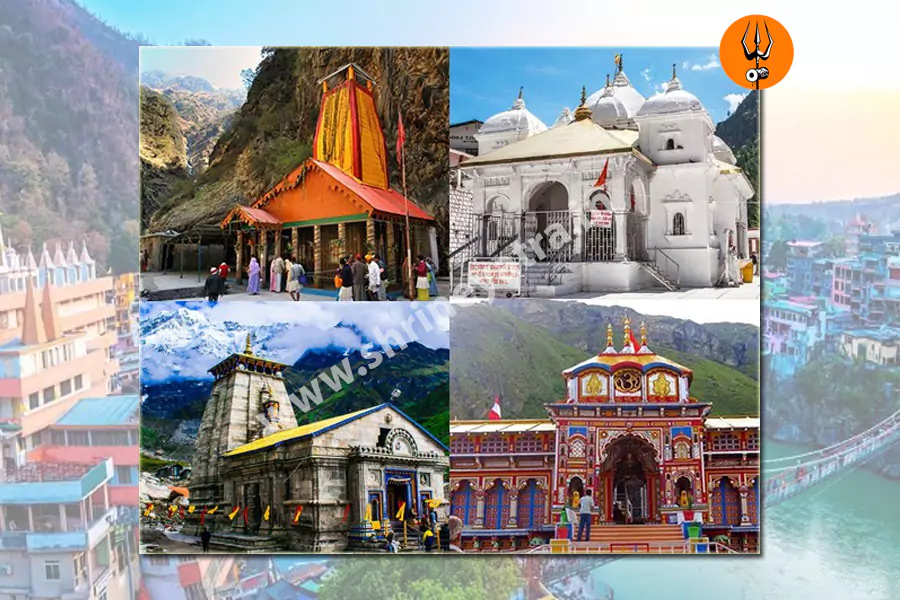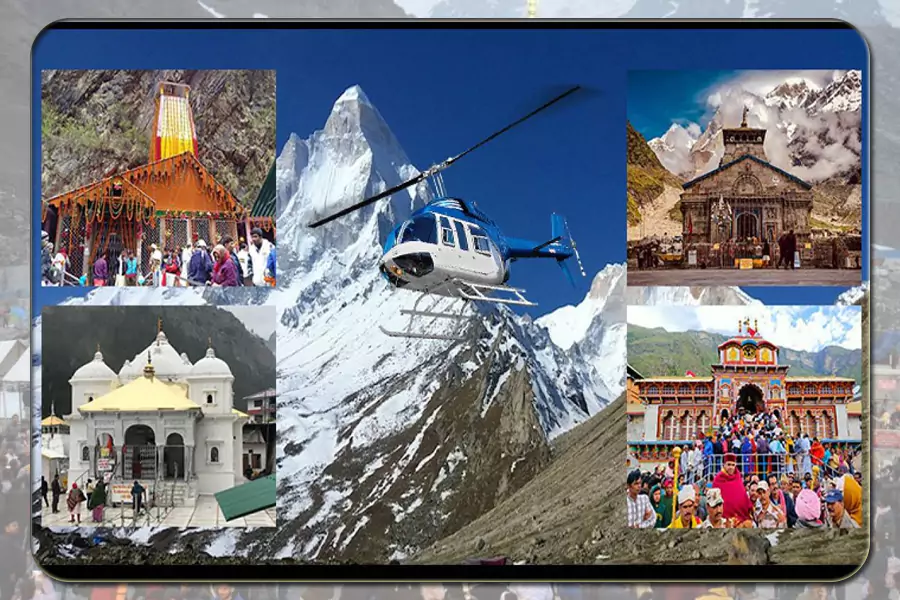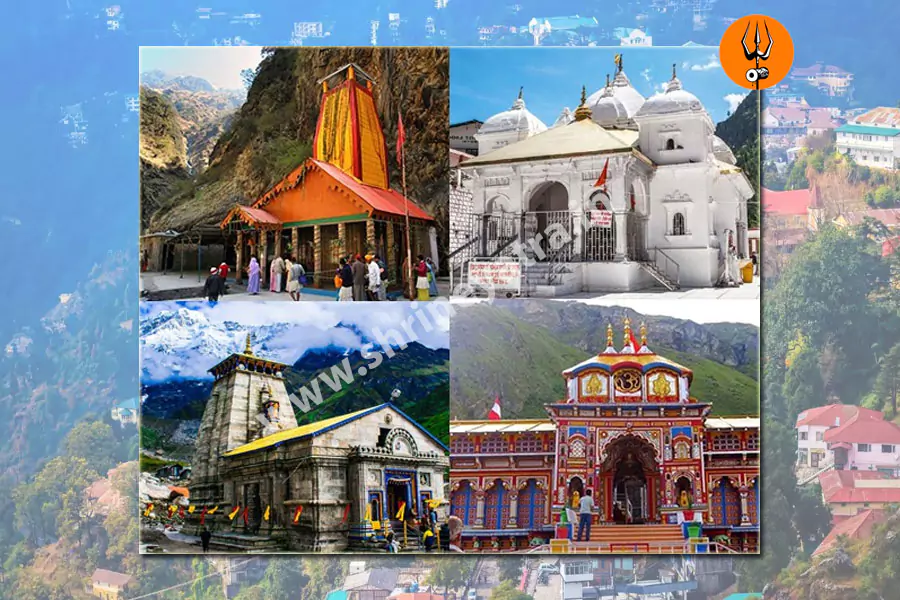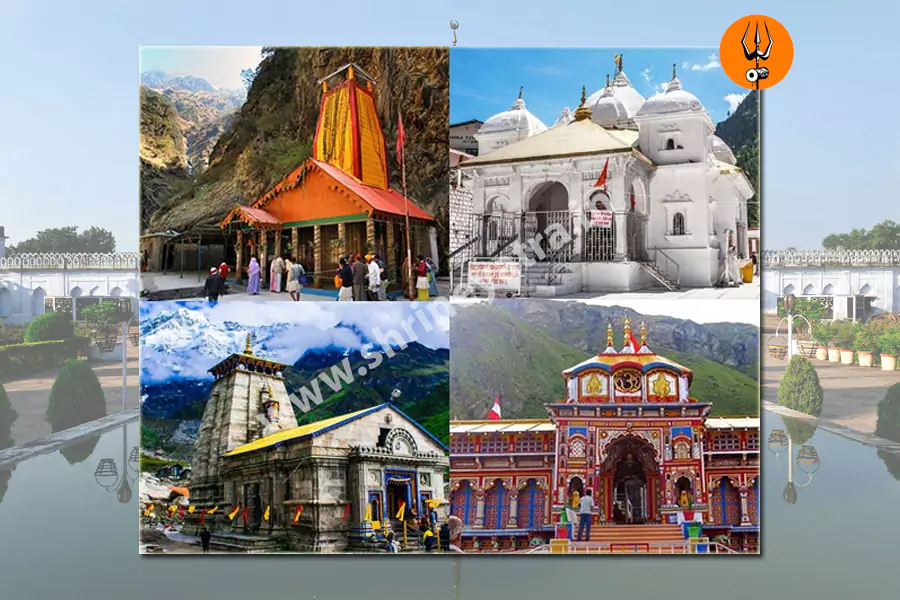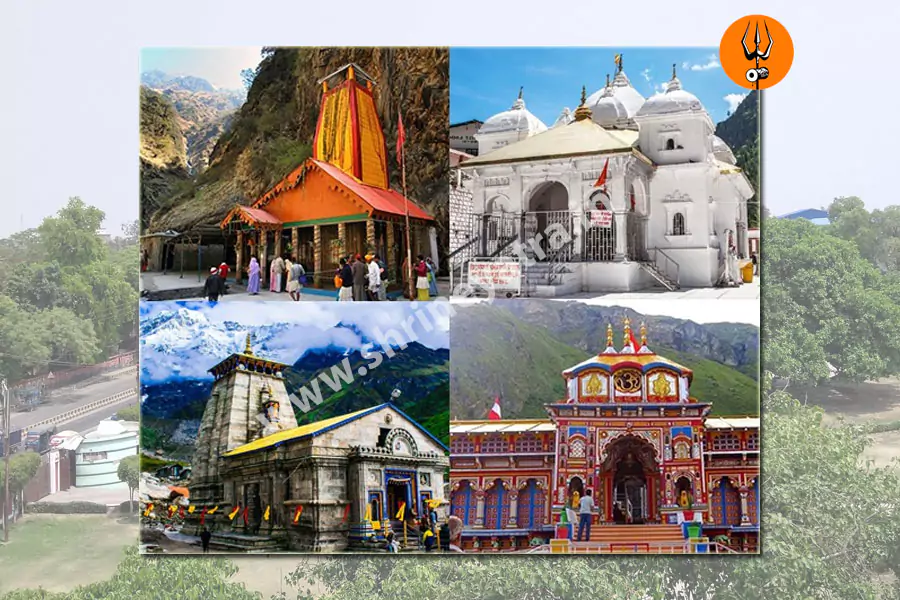
Which month is best for Char Dham Yatra?
Planning a Char Dham Yatra to Yamunotri, Gangotri, Kedarnath, and Badrinath requires more than choosing a convenient holiday. Weather, road conditions, crowds, walking requirements, accommodation, and altitude can all affect the journey.
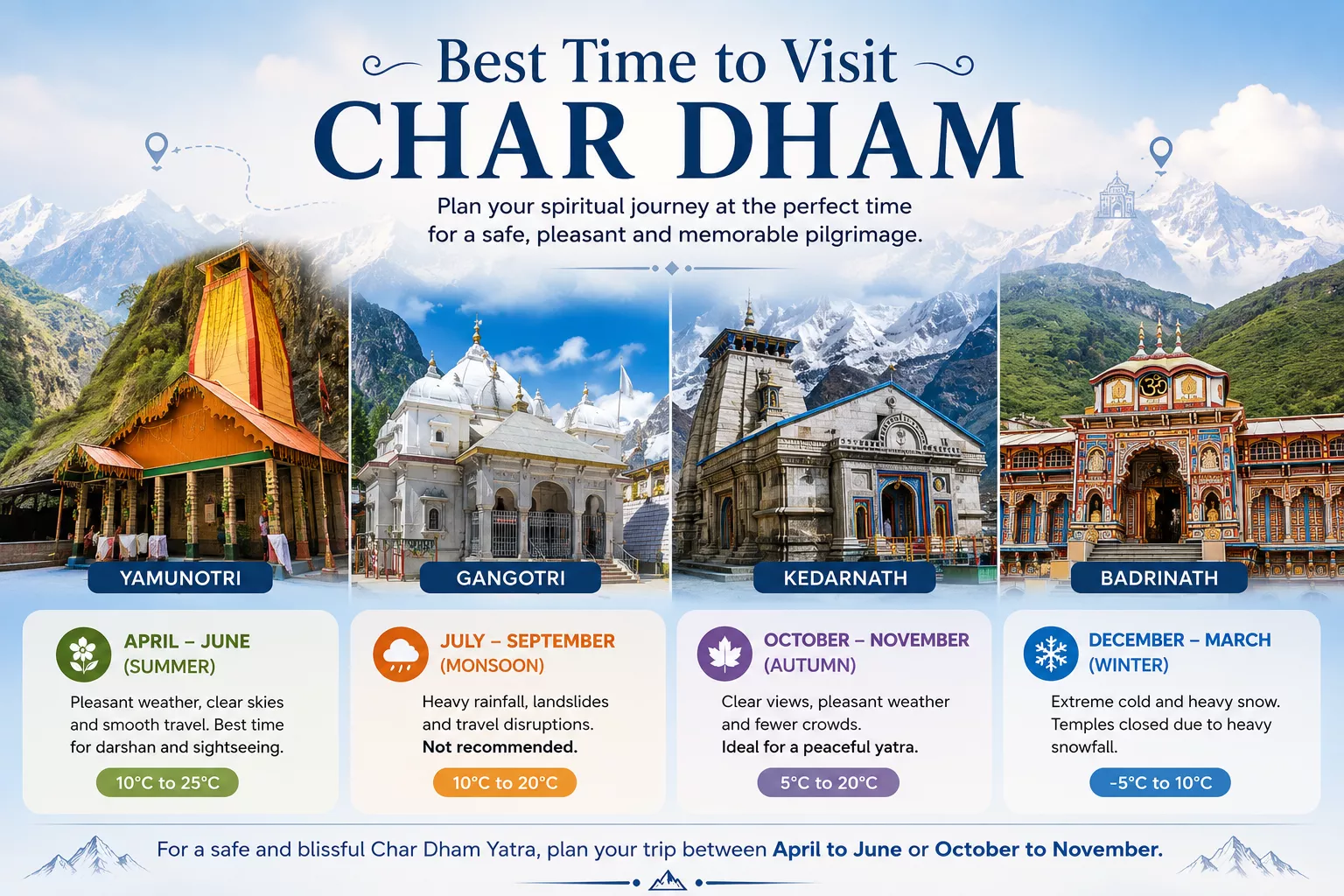
So, which month is best for Char Dham Yatra? For most travelers, May to June and September to October are the most practical periods. May and early June offer a good pre-monsoon window, while September and early October usually provide a post-monsoon travel window with cooler weather and clearer mountain scenery. July and August are generally less suitable for a full road-based yatra because heavy rain can affect roads and travel plans.
The best choice still depends on your priorities. Families and first-time travelers may prefer the more established early-season period, while travelers looking for a quieter journey may prefer September or early October.
What Is the Best Month for Char Dham Yatra?
There is no single month that is perfect for every traveler.
May, early June, September, and early October are generally the strongest choices for a Char Dham Yatra.
If you want a simple recommendation:
- Best overall: May to early June or September to early October
- Best for post-monsoon scenery: September
- Best for cooler autumn travel: Early October
- Best for avoiding the main monsoon period: May to early June
- Months requiring the most caution: July and August
- Best for travelers who want quieter conditions: September or early October, depending on current conditions
The four shrines are located at different elevations, so weather does not feel the same everywhere. Uttarakhand Tourism describes the Char Dham shrines as high-altitude destinations that generally remain closed for part of the winter, with the pilgrimage season running through the warmer months.
Best Months for Char Dham Yatra at a Glance
| Month | Weather | Crowd Level | Road & Travel Conditions | Main Advantages | Possible Challenges | Best Suited For |
| April | Cold at higher elevations; early-season conditions | Low to high around opening | Depends strongly on snow and opening preparations | Early-season experience, fresh mountain scenery | Cold, possible snow, services may still be getting ready | Experienced travelers with flexible plans |
| May | Generally pleasant in lower areas and cold at high altitude | High | Usually a popular travel period | Good overall balance, most services operational | Crowds, higher demand, colder mornings at high altitude | Families, first-timers, groups |
| June | Pleasant to warm in lower areas; cooler at dhams | High | Good before the main monsoon period, but conditions can change | Good trekking and road-travel window | Increasing pre-monsoon showers later in the month | Families, couples, first-time travelers |
| July | Rainy and humid in lower areas; wet at higher elevations | Lower to moderate | Rain can cause delays and road disruptions | Fewer travelers in some places | Landslides, rain, route interruptions | Only travelers with flexible plans |
| August | Peak monsoon conditions | Lower to moderate | Travel can be unpredictable during heavy rainfall | Green landscapes, fewer crowds | Heavy rain, landslide risk, delays | Experienced travelers who accept uncertainty |
| September | Post-monsoon conditions, with variation early in the month | Moderate | Often a useful post-monsoon window | Fresh scenery, cooler conditions, potentially fewer crowds | Rain may continue in some periods | Families, photographers, couples |
| October | Cool and increasingly cold at high elevations | Moderate to lower, depending on dates | Often favorable early in the month, but late-season conditions matter | Clear mountain scenery, cooler weather | Cold nights and approaching winter closure | Scenic travel, couples, flexible groups |
These are general seasonal patterns, not guarantees. Himalayan weather can change quickly, and actual road conditions may differ from the usual pattern.
Char Dham Yatra Month-by-Month Guide
Char Dham Yatra in April
April marks the beginning of the broader pilgrimage season in many years, but it should not automatically be treated as the best month for every traveler.
The higher Himalayan shrines can remain very cold during the early season. Snow and winter conditions may continue around high-altitude sections of the route, and the exact opening dates of the temples vary each year according to religious calendars and local conditions.
What to expect in April
- Cold weather at higher elevations
- Possible snow around high-altitude areas
- Significant variation between lower and higher parts of the route
- Early-season accommodation and transport planning is important
- Crowd levels can increase sharply around temple opening periods
- Some travelers may specifically choose April for opening ceremonies
Advantages
April can appeal to travelers who want to visit early in the pilgrimage season and are comfortable with colder conditions.
Challenges
Cold temperatures, changing weather, snow and early-season operational conditions can make the journey less predictable.
Who should consider April?
Travelers with flexible schedules who specifically want an early-season yatra and are prepared for colder Himalayan conditions.
Char Dham Yatra in May
May is one of the most popular months for Char Dham Yatra.
By this time, the pilgrimage season is underway, and services along the major routes are generally more active. Weather is usually more suitable than during the colder opening period, although high-altitude destinations such as Kedarnath and Badrinath can still feel very cold, particularly in the morning and evening.
Crowds can also be significant because May is a preferred travel month for families, groups and first-time pilgrims.
Char Dham Yatra weather in May
Expect a noticeable difference between the plains, mountain towns and the four high-altitude shrines. Pack layers rather than relying on one type of clothing.
Advantages
- Popular pre-monsoon travel window
- Generally comfortable conditions compared with the early opening period
- Most tourism services are active
- Good choice for first-time travelers
- Suitable for many family groups when the itinerary allows enough rest
Challenges
- Crowds can be substantial
- Accommodation and transport demand can be high
- Temple areas can become busy
- High-altitude mornings and nights remain cold
Who should choose May?
Families, first-time travelers, couples and groups who want to travel before the main monsoon period and are comfortable with higher demand.
Char Dham Yatra in June
June can also be a strong choice, particularly during the earlier part of the month.
The weather is generally suitable for mountain travel before the monsoon becomes more influential, although conditions can vary from year to year. As the month progresses, rainfall and changing weather can become a more important consideration.
Advantages of Char Dham Yatra in June
- Good pre-monsoon travel window
- Generally suitable for road travel and walking sections
- More established pilgrimage-season services
- Good option for travelers who cannot travel in May
Possible challenges
- Crowds can remain high
- Weather can become less predictable toward the later part of June
- Road conditions can change after rainfall
- Travel schedules should include some flexibility
Who should choose June?
Travelers who want a pre-monsoon yatra and can travel earlier in the month may find June particularly practical.
Char Dham Yatra in July
July falls within the monsoon period in Uttarakhand.
The Char Dham temples may remain open during the pilgrimage season, but that does not mean every travel day will have favorable road conditions. Heavy rainfall can affect mountain roads, cause delays and increase the possibility of landslides.
This is one reason July is generally not the first choice for a full road-based Char Dham circuit.
Advantages
- Fewer tourists may be present at some locations
- Mountain landscapes can appear lush after rainfall
- Travelers with flexible schedules may find quieter periods
Challenges
- Heavy rain can affect travel
- Landslides can disrupt mountain roads
- Delays may affect hotel check-ins and darshan plans
- Trekking conditions can become more difficult
- Transport schedules may need to change
Recent 2026 reporting also illustrates why monsoon planning needs flexibility. Weather-related disruption temporarily affected the Char Dham Yatra and the Kedarnath route, reinforcing the need to check current advisories rather than relying only on seasonal averages.
Who should choose July?
Only travelers who understand the risks of monsoon travel, have flexible schedules and are prepared for possible delays.
Char Dham Yatra in August
August generally continues the monsoon pattern.
Rainfall can remain a major factor, particularly for road-based journeys through the Himalayan terrain. A lower crowd level may look attractive, but fewer travelers do not automatically mean easier travel.
What to consider in August
- Rain can affect road movement
- Landslides can cause temporary route interruptions
- Delays may occur without much advance notice
- Trekking sections can become wet and slippery
- Buffer days become especially important
Advantages
The mountains can look particularly green, and some travelers may prefer the quieter atmosphere.
Disadvantages
The main disadvantage is uncertainty. A journey that normally takes a certain number of hours can take considerably longer when weather affects the roads.
Who should choose August?
This month is better suited to experienced, flexible travelers than to people planning a tightly scheduled first-time pilgrimage.
Char Dham Yatra in September
September is one of the most attractive months for Char Dham Yatra, especially after the main monsoon period begins to weaken.
The exact transition from monsoon to more settled weather varies each year, so travelers should not assume that the entire month will have identical conditions.
When conditions settle, the landscape can look fresh and green, while visibility may improve.
Advantages
- Post-monsoon travel opportunity
- Potentially more comfortable crowd levels than peak season
- Fresh mountain scenery
- Good option for photographers and nature lovers
- Cooler conditions than the peak summer period
Challenges
- Early September can still experience rainfall
- Road conditions should be checked before departure
- Weather can change quickly in the mountains
Who should choose September?
Travelers who want a balance between seasonal comfort, scenery and potentially lower crowd levels, while retaining some flexibility.
Char Dham Yatra in October
October can be an excellent choice, particularly during the earlier part of the month.
Post-monsoon conditions can provide crisp mountain scenery, but temperatures become colder as the month progresses, especially at higher elevations. Travelers also need to keep the annual temple closing schedule in mind.
The exact closing dates are announced for each season, so do not book an October trip without checking the current official schedule.
Advantages
- Cooler weather
- Good mountain visibility can occur after the monsoon
- Attractive scenery for photography
- Potentially less crowded than the busiest early-season period
Challenges
- Nights can become very cold
- High-altitude weather can change quickly
- Late October travel needs careful planning around annual shrine closures
- Accommodation and transport availability can vary near the end of the season
Who should choose October?
Couples, photographers, flexible groups and travelers who prefer cooler weather can consider early October, subject to current conditions and shrine schedules.
Which Month Is Best for Families and Senior Citizens?
For families and senior citizens, the best month is not simply the month with the lowest temperature or fewest visitors. The bigger concern is how easily the group can handle road travel, walking, altitude and unexpected delays.
May, early June, September and early October can all work, depending on current weather and individual health.
For many families, the most practical approach is to:
- Avoid planning a tightly packed itinerary.
- Allow regular rest breaks.
- Keep extra time for mountain travel.
- Prepare warm clothing even during summer months.
- Consider the walking requirements at Yamunotri and Kedarnath.
- Discuss high-altitude travel with a doctor if an older traveler has a medical condition.
- Keep medication and essential documents easily accessible.
- Avoid making the entire journey dependent on a single fixed transport connection.
For senior citizens, September or early October may be attractive when post-monsoon conditions are settled, while May and early June can be useful for travelers who prefer the earlier part of the season.
The right decision should always consider the person’s fitness and medical needs rather than age alone.
Which Month Is Best for Kedarnath?
Kedarnath needs separate consideration because the journey involves high-altitude travel and a substantial walking section from the road-access point.
For many travelers, May to early June and September to early October are the most practical periods to consider.
May can be cold at Kedarnath, while June can become busier and later in the month the weather can become less predictable. September offers a post-monsoon option, but travelers should check current route conditions before starting. October can be comfortable during the day but increasingly cold at higher elevations.
The Kedarnath best time to visit therefore depends heavily on your ability to handle the trek, your preferred weather and your tolerance for changing conditions.
Which Month Is Best for Badrinath, Gangotri and Yamunotri?
The other three shrines have their own practical differences.
Badrinath
Badrinath is at high altitude and can be cold even during the main pilgrimage season. May and June can work well before the monsoon, while September and early October offer another useful window.
Gangotri
Gangotri is also a high-altitude Himalayan destination. Uttarakhand Tourism describes May to October as its main Char Dham travel season.
May, June, September and early October can all be considered, subject to the current weather and route situation.
Yamunotri
Yamunotri involves a significant walking section from Janki Chatti. Uttarakhand Tourism notes that the temple is around 3,233 metres above sea level and the route from Janki Chatti involves a steep trek of about 3 km.
This makes walking ability an important part of choosing your travel month. Wet conditions during the monsoon can make the walking section more demanding.
Best Time for Char Dham Yatra Based on Your Priorities
| Priority | Recommended Period | Why |
| Best overall | May to early June or September to early October | Good balance of seasonal conditions and travel practicality |
| Pleasant weather | May, early June, September | Generally more comfortable than the cold opening/closing periods |
| Fewer crowds | September or early October | Often quieter than the busiest early-season weeks |
| Families | May, early June or September | Good options when the itinerary allows sufficient rest |
| Senior citizens | May, early June, September or early October | Choose based on current weather, fitness and walking ability |
| Budget-conscious travelers | September or selected shoulder-season dates | Demand may be lower, but prices vary by operator and availability |
| Photography and scenery | September to early October | Post-monsoon landscapes can offer clear and fresh mountain views |
| Avoiding heavy monsoon disruption | May to early June | Travels before the main monsoon period |
| Cold-weather experience | Early or late season | Higher elevations can be significantly colder |
These are planning recommendations, not guarantees. Mountain conditions can change quickly.
Char Dham Yatra During Monsoon: Should You Go?
You can travel during July and August when the pilgrimage season is open, but the question is whether the conditions suit your travel style.
For a tightly scheduled family trip, first-time pilgrimage or journey with elderly travelers, the monsoon period is generally less attractive because rainfall can affect roads and travel time.
The main concerns include:
- Heavy rainfall
- Landslides
- Temporary road closures
- Delayed vehicles
- Changes to planned itineraries
- Difficult walking conditions
- Potential disruption to helicopter operations when applicable
This does not mean that every July or August day will have severe weather. It means the probability of disruption is higher, so travelers need more flexibility.
If you must travel during the monsoon, keep buffer days and check official advisories immediately before departure.
How Weather Changes During Char Dham Yatra
One of the biggest mistakes first-time travelers make is thinking of “Char Dham weather” as one single condition.
The four shrines sit at different elevations and locations, so conditions can change significantly during the same journey.
You may start the day in a relatively mild mountain town and later reach a much colder destination.
Lower-altitude areas
Lower sections of the route can feel warmer, particularly during late spring and summer.
Yamunotri
Yamunotri is a high-altitude destination with a walking section from Janki Chatti. Cold, rain and changing trail conditions need to be considered.
Gangotri
Gangotri also has a high-altitude Himalayan climate. Morning and evening temperatures can feel much colder than in lower towns.
Kedarnath
Kedarnath requires particular attention because of its elevation and trekking requirements. Weather conditions can change rapidly.
Badrinath
Badrinath is also located at high altitude and can become very cold toward the beginning and end of the pilgrimage season.
Practical rule: Pack for several weather conditions rather than packing only for the temperature at your departure city.
When Does Char Dham Yatra Usually Begin and End?
The Char Dham Yatra is seasonal.
Uttarakhand Tourism states that the high-altitude shrines generally remain closed for around six months during winter, opening in spring and closing with the arrival of winter. The exact opening and closing dates are determined annually.
Therefore, travelers should not rely on a fixed date every year.
The opening and closing schedule can be influenced by the religious calendar, temple traditions and local conditions. Before booking transport or accommodation, check the latest official announcements for:
- Yamunotri
- Gangotri
- Kedarnath
- Badrinath
Avoid publishing or relying on old opening dates as if they apply to the current season.
Important Things to Check Before Planning Your Yatra
Choosing the right month is only the first step.
Before leaving home, check the following:
- Current weather forecast: Check forecasts for the specific locations on your route, not just Dehradun or your departure city.
- Road and route conditions: Mountain roads can change after heavy rain, landslides, snowfall or other local events.
- Shrine opening status: Confirm that all four temples you plan to visit are open on your travel dates.
- Official registration requirements: The official Uttarakhand Char Dham registration portal allows travelers to register themselves or their families, select the Dhams and travel dates, and obtain a Yatra Registration Letter with a QR code.
- Local advisories: Check current instructions from Uttarakhand authorities before departure.
- Accommodation: Book suitable accommodation in advance during busy periods, particularly if traveling with family or older travelers.
- Transportation: Allow additional travel time because mountain journeys do not always follow plains-style schedules.
- Health and fitness: The Yatra involves altitude, long road journeys and walking. Travelers should assess their fitness realistically.
- Buffer days: Do not plan an itinerary where one delay causes the entire journey to fail.
A buffer day can be particularly valuable during periods of uncertain weather.
Frequently Asked Questions
Which is the best month for Char Dham Yatra?
May, early June, September and early October are generally the most practical periods. May and early June offer a pre-monsoon window, while September and early October can provide favorable post-monsoon conditions.
Is May a good month for Char Dham Yatra?
Yes. May is one of the most popular months because the pilgrimage season is active and conditions are generally more suitable than during the monsoon. However, crowds can be high and high-altitude areas remain cold.
Is June suitable for Char Dham Yatra?
Yes, particularly during the earlier part of June. It offers a useful pre-monsoon travel window, although conditions can become more unpredictable as the month progresses.
Can I do Char Dham Yatra in July?
Yes, but July requires greater flexibility because it falls within the monsoon period. Rain can affect roads and travel schedules, so check current weather and route advisories before starting.
Is September a good time for Char Dham Yatra?
September can be an excellent month, particularly once the main monsoon conditions have eased. Travelers can benefit from cooler weather and fresh post-monsoon scenery, but early September may still receive rain.
Is October safe for Char Dham Yatra?
Early October can be a good travel period when weather and routes are favorable. However, temperatures drop at higher elevations and the annual shrine closing schedule must be checked before booking.
Which month is best for senior citizens?
May, early June, September and early October can all work. September or early October may appeal to seniors who prefer cooler conditions and potentially fewer crowds, but personal fitness, altitude tolerance and current weather are more important than the month alone.
Which month has fewer crowds?
September and early October can have fewer travelers than the busiest opening-season and summer periods, although crowd levels vary by date, temple and year.
How many days are required for Char Dham Yatra?
A road-based Char Dham Yatra commonly requires around 10 to 12 days, depending on the starting point, route, pace and number of rest days. Travelers with senior citizens or children may benefit from a more relaxed itinerary.
What should I check before starting Char Dham Yatra?
Check the latest temple opening status, Yatra registration requirements, weather forecast, road conditions, local advisories, accommodation, transport arrangements and your group’s health and fitness. The official registration portal should be checked for current registration information.
Conclusion: So, Which Month Is Best for Char Dham Yatra?
If you want the simplest answer, May to early June and September to early October are the best periods to consider for Char Dham Yatra.
Choose May or early June if you prefer an established pre-monsoon travel window and do not mind higher demand. Choose September or early October if you prefer cooler conditions, post-monsoon scenery and potentially fewer crowds.
July and August deserve more caution because monsoon weather can disrupt mountain travel. April and the later part of October can also be colder and more dependent on the annual opening or closing schedule.
Most importantly, do not choose a month based only on a generic “best time” list. Match the season with your group’s fitness, walking ability, preferred crowd level, weather tolerance and need for schedule flexibility.
Before finalizing your Char Dham yatra package, verify the latest official shrine status, registration requirements, weather and road advisories. Uttarakhand’s official tourism and registration portals should be your first reference for information that can change during the season.