Best Time to Visit in Kedarnath
Planning a Kedarnath pilgrimage requires more than choosing a travel date. The temple sits high in the Himalayas, where weather, road conditions, and trekking conditions can change quickly. Choosing the best time to visit Kedarnath can help you enjoy the journey with greater comfort and fewer weather-related difficulties.
The Kedarnath Yatra offers much more than temple darshan. The route takes pilgrims through beautiful Himalayan landscapes while giving them an opportunity to experience local traditions and spiritual places. Many travellers also choose a Kedarnath Yatra tour package to manage transportation, accommodation, and other travel arrangements in one plan.
In this guide, you will learn about the best time for Kedarnath Yatra, seasonal weather, travel conditions, packing requirements, and the temple’s annual opening period. This information can help you plan your Kedarnath Mandir travel more effectively.
What is the Best Time to Visit Kedarnath
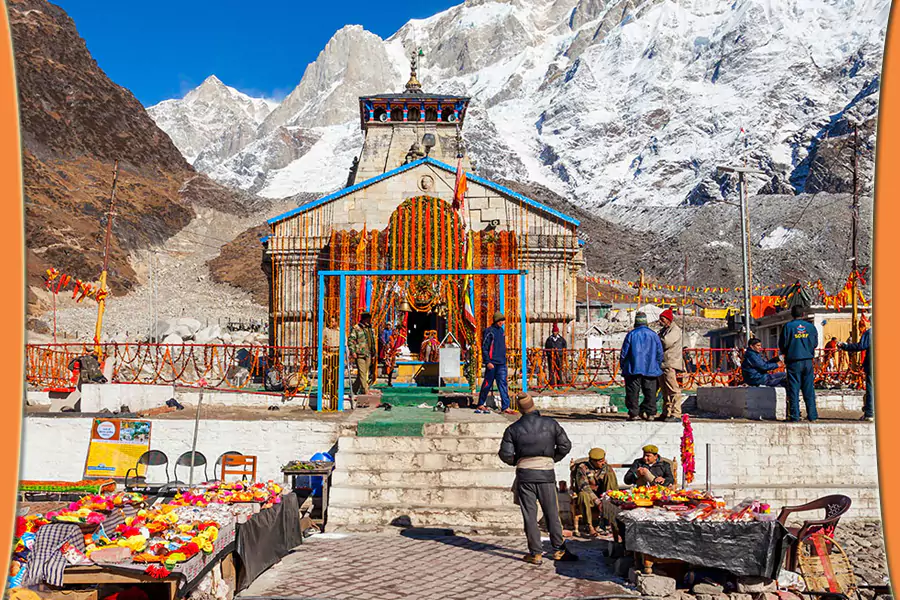
Kedarnath Temple remains open to devotees for only part of the year. Heavy snowfall and severe winter conditions make the region difficult to access during the colder months. The pilgrimage season generally begins in spring and continues until the temple closes for winter.
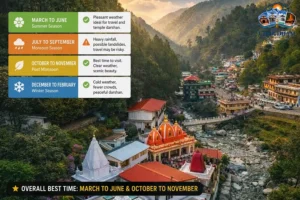
For most pilgrims, May to June and September to October are considered suitable periods for the Kedarnath journey. The summer months bring a large number of devotees and better access to travel facilities, while the post-monsoon period usually offers clearer mountain views and a comparatively quieter atmosphere.
Your choice should also depend on weather conditions, crowd levels, and your personal travel preferences.
Ideal months for Kedarnath travel include:
- May to June: Popular pilgrimage period with pleasant daytime conditions and active travel services.
- July to August: Monsoon season with heavy rainfall and a higher possibility of landslides or travel delays.
- September to October: Post-monsoon period with clearer weather, scenic Himalayan views, and relatively fewer pilgrims.
- November to April: The temple remains closed during the winter season because of heavy snowfall and harsh conditions.
Kedarnath Opening & Closing Date
The opening of Kedarnath Temple marks the beginning of the annual pilgrimage season for Lord Shiva devotees. Since the temple is located at a high altitude, it remains closed during the winter months when heavy snowfall and extreme cold make the region difficult to access.
The Kedarnath Yatra usually starts in April or May and continues until October or November. The opening date is decided according to Hindu religious traditions and is generally announced around Akshaya Tritiya. The temple usually closes around Bhai Dooj after Diwali.
The opening ceremony is an important religious event, with prayers, Vedic rituals, and traditional ceremonies performed before devotees begin darshan. During the winter closure, the worship of Lord Shiva continues at Ukhimath.
Knowing the temple’s opening and closing schedule is important when planning your trip to Kedarnath, accommodation, transportation, and registration.
Kedarnath Yatra Tentative Dates (2027)
The Kedarnath pilgrimage season generally falls between April/May and October. Pilgrims should confirm the final temple schedule before making travel arrangements.
|
|
||
|---|---|---|
| Dham | Opening Date (2027) | Closing Date (2027) |
| Kedarnath | 12 May 2027 | 31 October 2027 (Tentative) |
Seasonal Travel Insights
Different parts of the pilgrimage season offer different travel conditions. Choosing the right period can make your journey more comfortable and help you avoid difficult weather.
- May to June: The most popular period, with pleasant daytime weather but heavy pilgrim crowds.
- July to August: Monsoon brings frequent rainfall and can affect mountain roads and trekking conditions.
- September to October: Cooler weather, clearer skies, and comparatively fewer pilgrims make this a popular period for a peaceful yatra.
Many pilgrims avoid the monsoon months because heavy rain can cause landslides, roadblocks, and delays.
What is the weather of Kedarnath in peak season?
The weather in Kedarnath remains cold even during the main pilgrimage season because of the temple’s high-altitude location. Conditions can change quickly, so pilgrims should carry suitable warm and rain-protection clothing.
Summer generally offers more favorable conditions for trekking, while September and October often provide clear mountain views and cooler weather. Nights remain particularly cold throughout the pilgrimage season.
Seasonal weather conditions in Kedarnath:
- Summer (May–June)
- Daytime temperatures are generally mild.
- Nights remain cold.
- Trekking and road conditions are usually more favorable.
- Monsoon (July–August)
- Frequent rainfall and cloudy conditions.
- Higher chances of slippery trails and road disruptions.
- Weather-related travel delays are possible.
- Autumn (September–October)
- Cool and generally clearer weather.
- Better visibility of the surrounding Himalayan peaks.
- A good period for pilgrims seeking a quieter journey.
- Winter (November–April)
- Heavy snowfall and severe cold.
- Kedarnath Temple remains closed.
- Regular pilgrimage access is suspended.
These seasonal conditions can help you choose the best time for Kedarnath Yatra according to your preferred weather, crowd levels, and travel comfort.
Packing Guide for Kedarnath
Packing carefully can make your Kedarnath mandir travel much easier. The journey combines long road travel with a mountain trek, while temperatures and weather can change quickly. Carrying the right clothing and essential supplies will help you stay comfortable throughout the pilgrimage.
Keep your luggage light, especially if you plan to trek from Gaurikund to Kedarnath. Along with warm clothing, pack items that can help you manage rain, cold weather, and the physical demands of the journey.
Important items to pack for Kedarnath:
- Thermal wear, warm jackets, and sweaters
- Woollen gloves, caps, and socks
- Comfortable trekking shoes with good grip
- Raincoat or waterproof jacket
- Personal medicines and a basic first-aid kit
- Reusable water bottle and light energy snacks
- Power bank and flashlight
- Essential identity and registration documents
A practical packing list can help you travel more comfortably and stay prepared for changing Himalayan conditions.
How to Go to Kedarnath
If you are visiting for the first time, knowing how to go to Kedarnath makes planning much easier. Since the temple does not have direct road access, pilgrims first travel by road to the designated base point and then continue towards the shrine.
The journey includes beautiful mountain scenery, river valleys, forests, and several important pilgrimage locations. Depending on your fitness, budget, and travel preferences, you can choose trekking or other available travel services.
Steps to reach Kedarnath:
- Travel to Haridwar or Rishikesh, which are major starting points for the pilgrimage.
- Continue by road towards the Kedarnath route and reach Gaurikund.
- Start the trek from Gaurikund to Kedarnath Temple.
- Consider pony, palki, or helicopter services if you do not want to complete the entire trek on foot.
With proper planning, the journey to the Shri Kedarnath Jyotirlinga Temple can be both comfortable and spiritually rewarding.
How to Visit Kedarnath from Delhi
Delhi is a popular starting point for pilgrims travelling to Kedarnath. It has good road, rail, and air connections with Uttarakhand, making it convenient to begin the journey from the capital.
Most travellers first reach Haridwar, Rishikesh, or Dehradun and then continue towards the Kedarnath route. Since the journey includes mountain travel and trekking, allow sufficient time rather than trying to complete it in a hurry.
Travel options from Delhi include:
- By Road: Take a bus, taxi, or private car from Delhi towards Haridwar/Rishikesh and continue towards Kedarnath.
- By Train: Travel by train from Delhi to Haridwar or Rishikesh, followed by road transport.
- By Air: Fly to Dehradun’s Jolly Grant Airport and continue by road.
For travellers who prefer an organized journey, a Kedarnath Yatra tour package from Delhi can combine transportation, accommodation, and travel assistance into one itinerary.
Best Time to Visit Kedarnath for Snowfall
Many travellers want to see snow-covered Himalayan landscapes during their Kedarnath trip. However, heavy snowfall generally starts after the temple closes for the winter season. During this period, regular pilgrimage access to Kedarnath is not available.
Late October can sometimes bring light snowfall around the higher areas, depending on weather conditions. If your main goal is to experience snow, always check the latest weather and route conditions before planning your journey.
Important things to remember about snowfall:
- Heavy snowfall is generally experienced from November to March.
- Kedarnath Temple remains closed during the winter months.
- Light snowfall may occur around higher areas towards the end of October.
- Winter temperatures can fall below freezing.
- Access to the temple area becomes difficult during heavy snowfall.
If you are travelling towards the end of the pilgrimage season, carry sufficient warm clothing and remain prepared for sudden weather changes.
Suggested Itinerary for Kedarnath
A practical Kedarnath itinerary gives you enough time for road travel, trekking, darshan, and rest. Since the journey involves high-altitude travel, avoiding an overly tight schedule can make the pilgrimage more comfortable.
A 4–5 day plan can work well for travellers starting from Delhi or nearby cities, depending on the chosen route and travel conditions.
Sample itinerary for Kedarnath travel:
- Day 1: Delhi → Haridwar/Rishikesh
- Day 2: Haridwar/Rishikesh → Guptkashi/Sonprayag
- Day 3: Gaurikund → Kedarnath trek → Temple darshan → Overnight stay
- Day 4: Morning darshan → Trek back to Gaurikund → Return journey
- Day 5: Continue towards Haridwar/Delhi → Departure
You can adjust the itinerary according to your fitness, travel time, weather, and accommodation availability.
Travel Tips for a Safe Kedarnath Yatra
Good preparation is important for a comfortable Kedarnath Yatra. The route involves mountain roads, high altitude, and trekking, so pilgrims should plan ahead and remain aware of changing conditions.
Check the latest travel advisories before starting your journey and keep some flexibility in your schedule for unexpected delays.
Important travel tips:
- Reserve your accommodation and transportation in advance.
- Stay hydrated throughout the journey.
- Maintain a steady walking pace during the trek.
- Take regular breaks whenever required.
- Carry your ID, registration details, and other essential documents.
- Check weather updates before starting each part of the journey.
- Follow instructions issued by local authorities.
- Carry suitable warm and rain-protection clothing.
Conclusion
The best time for the Kedarnath Yatra depends on your preferred weather, crowd levels, and travel plans. May to June is popular for its relatively favorable conditions, while September to October can offer cooler weather, clearer views, and a comparatively peaceful atmosphere.
Understanding the weather in Kedarnath, temple schedule, trekking requirements, and available travel options allows you to prepare better for the pilgrimage. A detailed Kedarnath Yatra guide can also help you plan registration, transportation, accommodation, and the trek in advance.
Whether your goal is to seek the blessings of Lord Shiva or experience the dramatic beauty of the Himalayas, careful planning can make your journey to Shri Kedarnath Jyotirlinga Temple more comfortable, safe, and memorable.
Frequently Asked Questions About the Best Time for Kedarnath Yatra
1. What is the best time to visit Kedarnath Temple?
The best time to visit Kedarnath is generally May to June and September to October. These months usually offer better weather for trekking and temple visits, with clearer conditions after the monsoon.
2. When does Kedarnath Temple open and close every year?
Kedarnath Temple usually opens in April or May around Akshaya Tritiya and closes in October or November around Bhai Dooj. The exact dates are announced each year by the temple authorities.
3. What are the Kedarnath Yatra dates for 2027?
The Kedarnath Yatra generally runs from late April or early May until October or early November. Pilgrims should check the latest official announcement for confirmed opening and closing dates.
4. How is the weather in Kedarnath during the Yatra season?
Kedarnath remains cool during the pilgrimage season. May and June are generally more comfortable during the day, while nights remain cold. Weather can change quickly, so warm and rain-protective clothing is recommended.
5. Which month is best for Kedarnath Yatra with clear weather?
May, early June, and September are often preferred for clearer weather and better mountain visibility. September and October can also provide a quieter pilgrimage experience after the monsoon season.
6. When can I see snowfall in Kedarnath?
Snowfall is mainly associated with the winter period from November to March, when Kedarnath Temple remains closed. Late-season visits may also experience cold conditions or occasional snowfall in nearby higher areas.
7. How can I reach Kedarnath from Delhi?
Travelers from Delhi can first reach Haridwar, Rishikesh, or Dehradun by road, train, or flight. From there, the journey continues by road toward Gaurikund, the starting point of the Kedarnath trek. Pilgrims can trek to the temple or use pony, palki, or helicopter services where available.
8. What should I pack for a Kedarnath trip?
Carry warm clothes, thermal wear, a waterproof jacket, trekking shoes, gloves, sunscreen, personal medicines, and basic travel essentials. A small backpack is more convenient for the trek.
9. How many days are required for the Kedarnath Yatra?
A typical Kedarnath Yatra takes around 3 to 5 days, depending on your starting point, travel route, trekking pace, and time needed for darshan and rest.
10. What travel tips should I follow for a safe Kedarnath Yatra?
Maintain basic fitness before the journey, walk at a comfortable pace, stay hydrated, take regular breaks, carry suitable clothing and medicines, and check weather and travel updates before starting the journey.