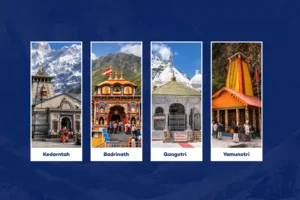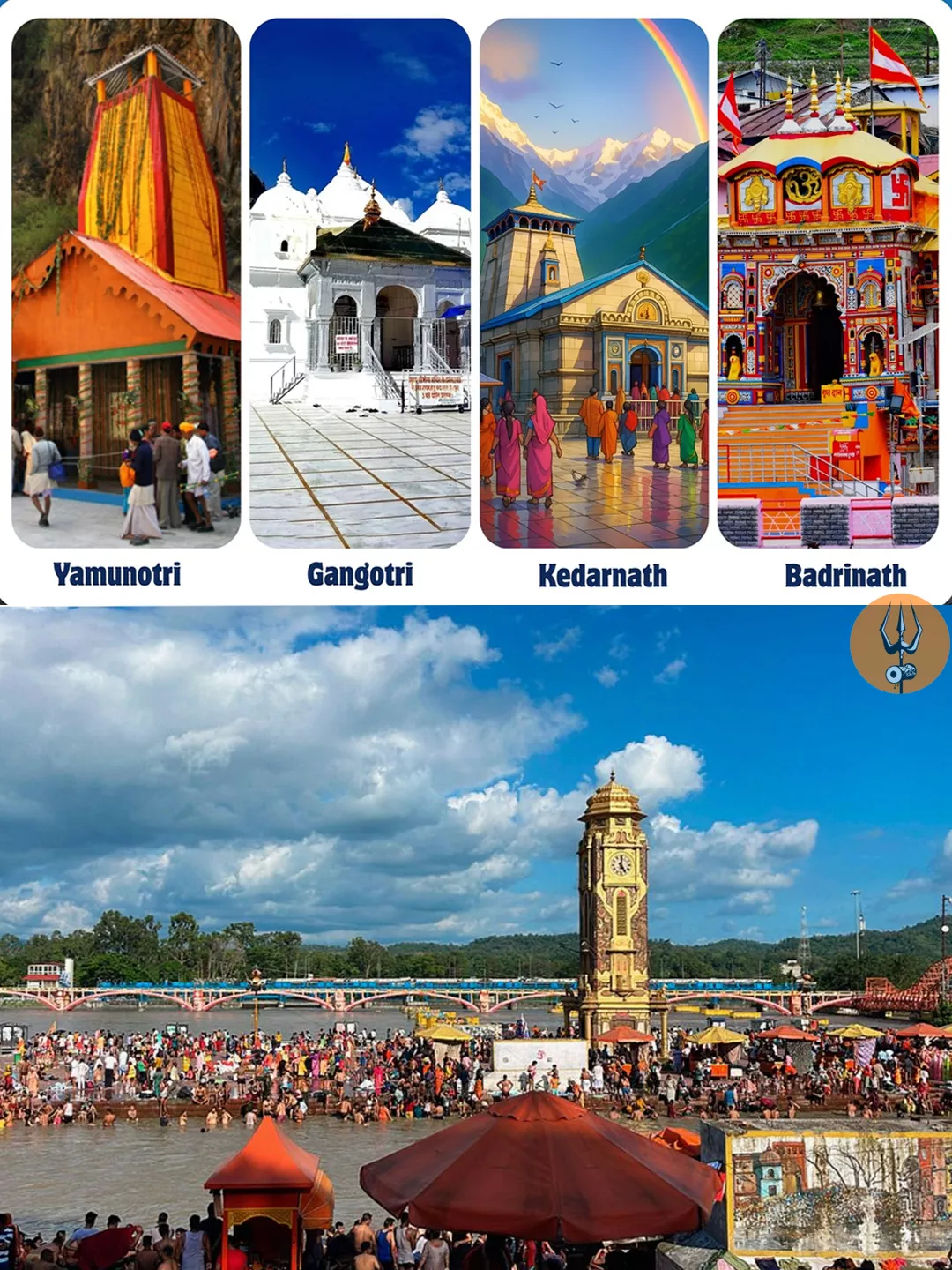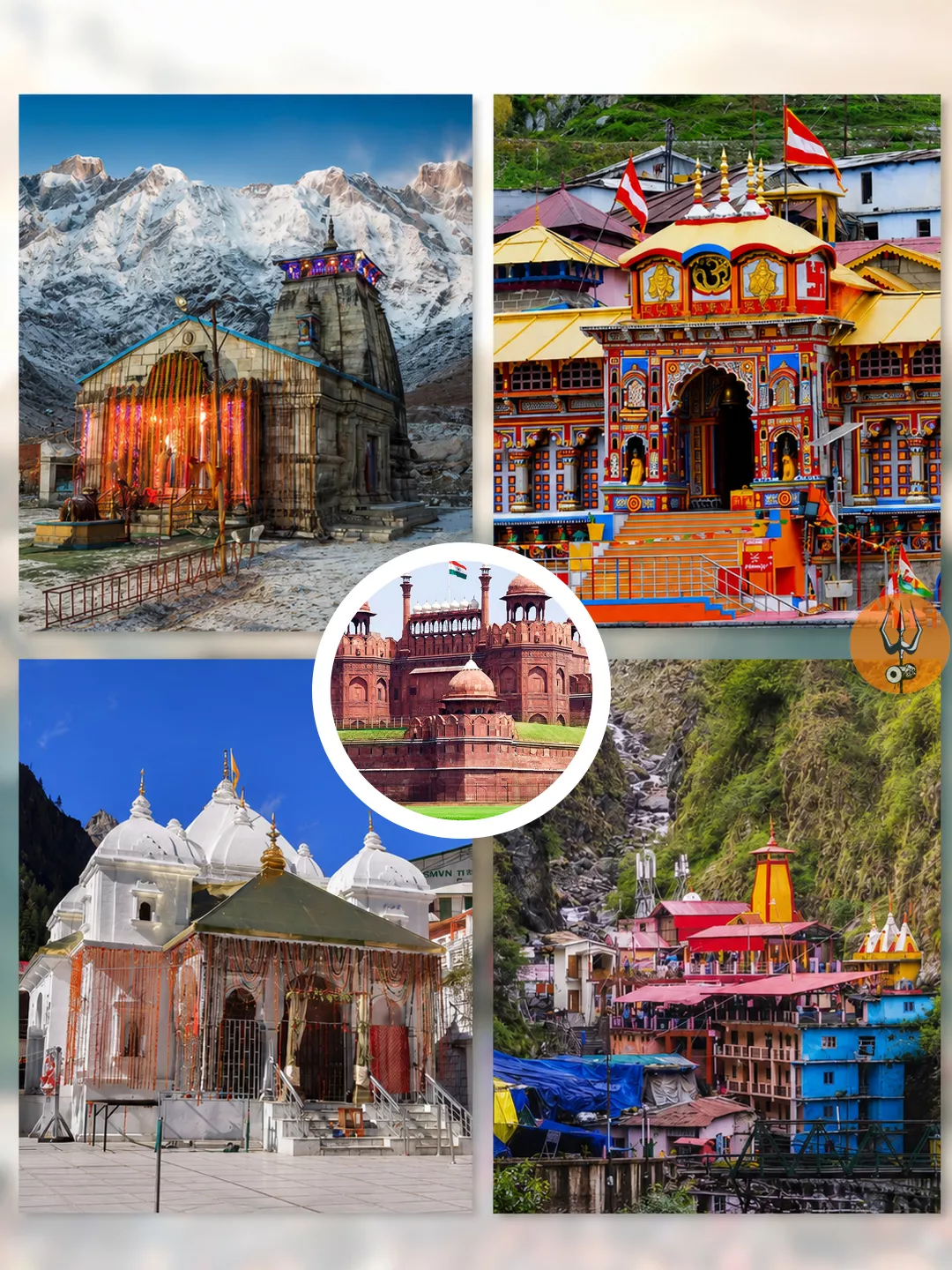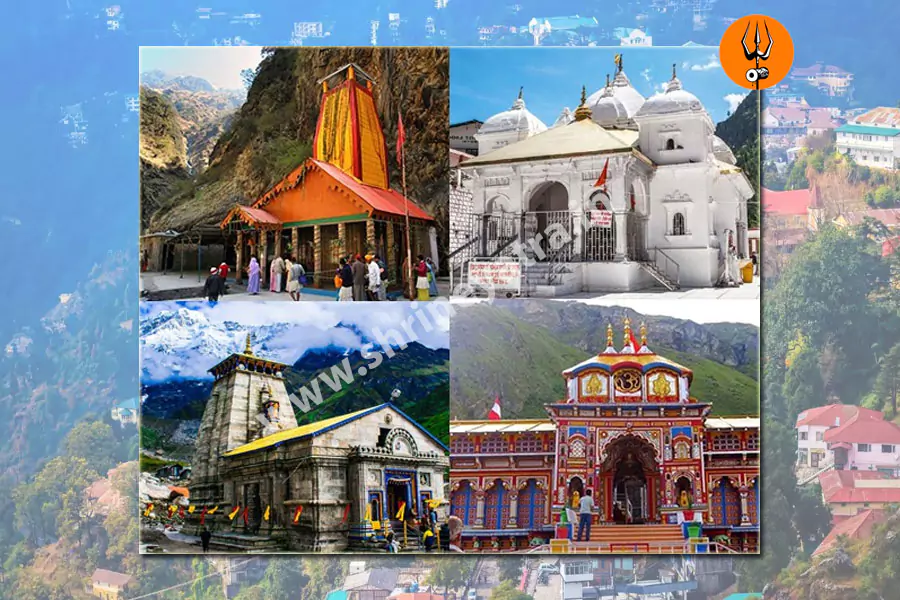
Best Time to Visit Char Dham: Month-by-Month Guide
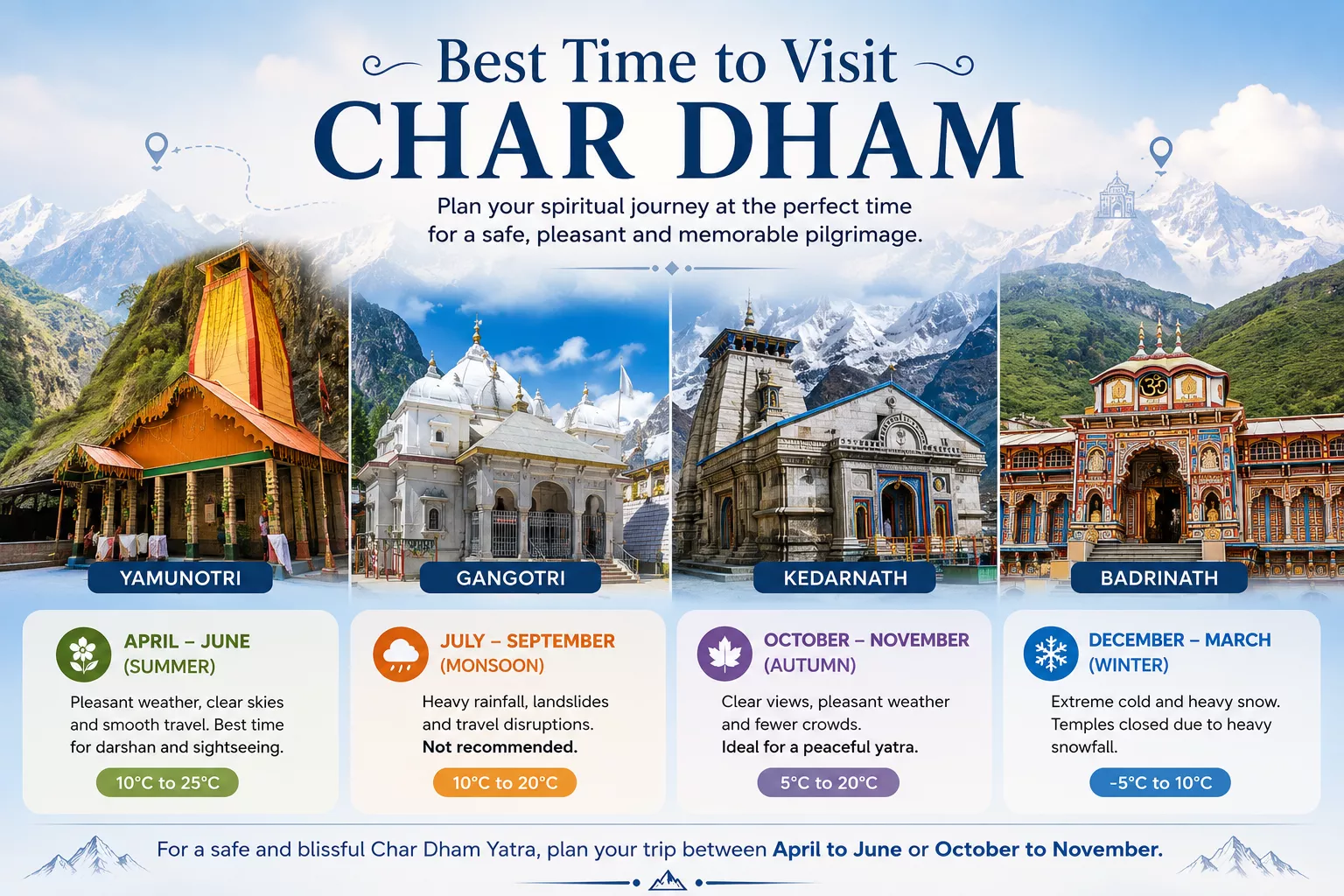
The best time to visit Char Dham is generally May to June and September to early October. These periods avoid most of the harsh winter conditions and offer better opportunities for completing Yamunotri, Gangotri, Kedarnath and Badrinath in one trip.
But there is no single perfect month for everyone.
May and June are popular because the pilgrimage season is active and monsoon has not fully arrived. September and early October can offer a better balance of fewer crowds and post-monsoon conditions. July and August are much more weather-dependent because Uttarakhand receives most of its annual rainfall during the monsoon season.
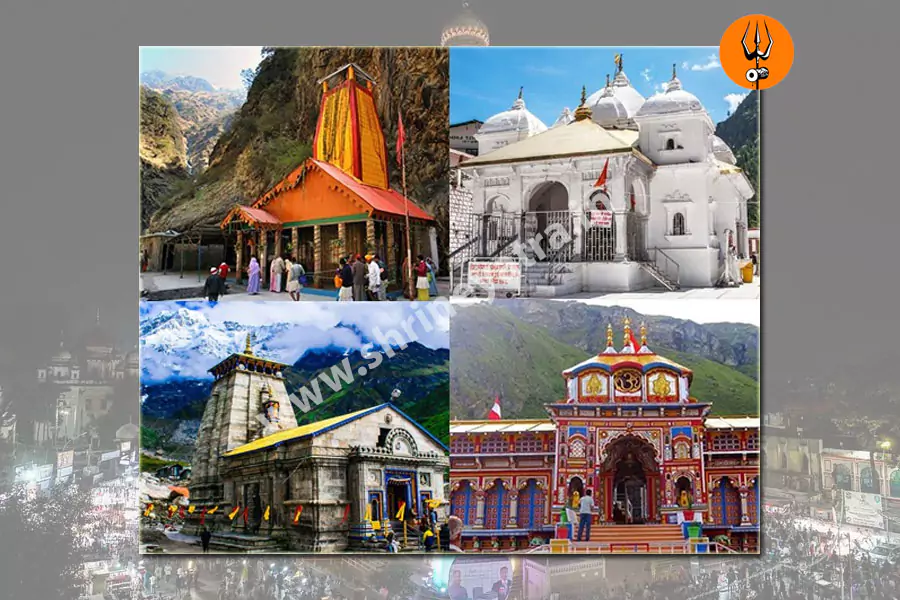
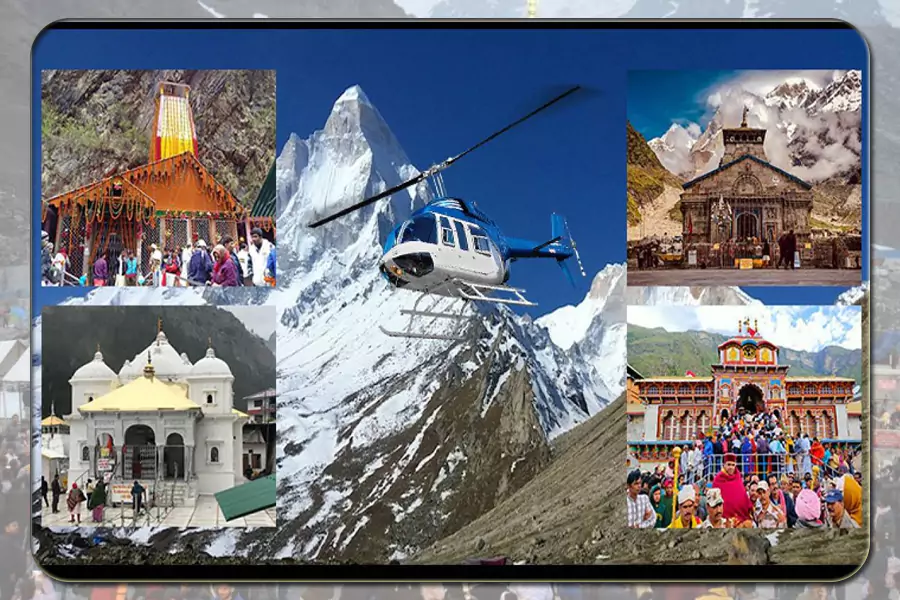
The four Dhams also sit at different elevations and have different access conditions. Kedarnath involves a substantial high-altitude trek, while Badrinath is directly accessible by road. Yamunotri also requires a trek from the roadhead, whereas Gangotri is more directly accessible by road.
So the best month depends not only on the calendar, but also on which Dham you are visiting, who is travelling with you, and how much weather uncertainty you can handle.
Best Time to Visit Char Dham: Quick Answer
For most travelers, May to June and September to early October are the strongest Char Dham Yatra windows.
Choose May to June if you want an established early-season pilgrimage period and can accept heavier crowds.
Choose September to early October if you want a more balanced experience with the main monsoon period behind you and generally less pressure than the busiest early-season weeks.
Avoid choosing July or August purely because you expect fewer pilgrims. Uttarakhand receives a large share of its annual rainfall between June and September, and heavy rain can affect roads and mountain travel.
For a complete four-Dham trip, September is often the best overall compromise, while late September to early October can be particularly attractive for travelers who value quieter surroundings.
Still, no month guarantees clear roads, empty temples or uninterrupted travel.
Char Dham Yatra Season
The Char Dham temples operate seasonally because winter conditions make the high Himalayan shrines difficult to access.
Uttarakhand Tourism states that the high-altitude shrines generally remain closed for around six months, opening in April or May and closing around October or November. The traditional pilgrimage sequence is Yamunotri, Gangotri, Kedarnath and Badrinath.
The exact opening and closing dates change from year to year according to the religious calendar and official temple announcements.
For 2027, the official Uttarakhand Tourism registration pages list:
| Dham | 2027 Opening Date |
|---|---|
| Yamunotri | 9 May 2027 |
| Gangotri | 9 May 2027 |
| Kedarnath | 11 May 2027 (tentative) |
| Badrinath | 13 May 2027 (tentative) |
These dates are useful as a current-year reference, but they should not be copied into future travel plans. For another year, check the official announcement before booking transport or accommodation.
Winter does not mean the religious tradition stops. Uttarakhand Tourism explains that the presiding deities are worshipped at lower-altitude winter seats after the high-altitude temples close.
Best Months to Visit Char Dham
April: Opening Season
April is important because the four temples begin reopening for the annual pilgrimage season.
However, the opening period is not necessarily the best time for a relaxed Char Dham Yatra.
At higher elevations, conditions can remain cold, and snow can still affect the landscape. Travel conditions may also be less predictable at the beginning of the season.
Opening ceremonies and the excitement of the first darshan can attract substantial pilgrim demand.
Best for: travelers who specifically want the opening-season atmosphere.
Not ideal for: people whose first priority is lower crowds and maximum weather comfort.
May: Popular and Busy
May is one of the most popular months for Char Dham.
The pilgrimage season is fully underway, but the main monsoon has not arrived. This makes May attractive for travelers who want to complete the circuit during a relatively established travel period.
The downside is demand.
Accommodation, transport and pilgrimage facilities can become busy, especially around weekends, holidays and important religious dates.
For Kedarnath, the trek also means that cold conditions can remain important even when lower parts of Uttarakhand feel warmer.
Advantages
- Strong pilgrimage-season availability
- Generally better road conditions than the monsoon period
- Good option for travelers with fixed summer schedules
- Suitable for those who prefer the early-season atmosphere
Disadvantages
- Higher pilgrim demand
- Busier accommodation and transport
- Colder conditions at the higher Dhams
- Opening-season dates can be particularly busy
Verdict: A good month for accessibility, but not the best choice if avoiding crowds is your main goal.
June: Good Weather Window, Heavy Demand
June can be one of the most practical months for Char Dham, particularly in the earlier part of the month.
The weather is usually more favorable than during the core monsoon, but pilgrimage demand remains high.
This is especially relevant for families because school holidays make June convenient for many Indian travelers.
The trade-off is simple:
Better scheduling convenience often means higher demand.
Advantages
- Strong travel-season availability
- Generally favorable before the peak monsoon period
- Convenient for family holidays
- Good option for travelers who prefer not to travel late in the season
Disadvantages
- Heavy pilgrim movement
- Popular dates can become crowded
- Weather becomes increasingly changeable as monsoon approaches
Verdict: One of the better pre-monsoon choices, but expect more people.
July: Monsoon Changes the Decision
July is where the Char Dham planning equation changes.
Uttarakhand’s rainfall increases sharply during the monsoon. IMD’s long-term state rainfall data shows July and August as the wettest months, while its analysis notes that about 79% of Uttarakhand’s annual rainfall occurs during the June-September southwest monsoon period.
That matters because Char Dham travel involves mountain roads, steep slopes and, in the case of Yamunotri and Kedarnath, trekking.
Heavy rain can contribute to:
- Landslides
- Road blockages
- Traffic delays
- Poor visibility
- Slippery paths
- Temporary route restrictions
- Delayed helicopter operations
This does not mean every July trip will be disrupted. It means you need much more flexibility.
Verdict: Possible, but not the preferred month for travelers seeking predictable conditions.
August: Maximum Monsoon Caution
August continues the core monsoon period.
Some travelers may encounter quieter conditions because rain discourages travel on certain dates. But this does not automatically make August a better pilgrimage month.
A low-crowd day is not useful if a road is temporarily blocked or a trekking route becomes difficult.
Travelers who choose August should:
- Monitor official weather information
- Check route status before departure
- Keep buffer days
- Avoid tight return schedules
- Follow local administration instructions
Verdict: Suitable only for travelers who can accept significant weather uncertainty.
September: Strong Overall Choice
September is one of the most attractive months for a complete Char Dham Yatra.
The core monsoon period is generally behind the region, although rainfall can still occur. Crowd pressure may also be lower than during the busiest May-June period.
This makes September a particularly useful choice for people asking:
“When should I visit Char Dham if I want a balance of weather and crowds?”
It is not a guaranteed clear-weather month. IMD’s rainfall data still shows meaningful September precipitation in Uttarakhand.
But the overall planning balance can be better.
Advantages
- Usually less pressure than the peak early season
- Post-monsoon landscape
- Better conditions than the core monsoon in many periods
- Strong option for a full Char Dham circuit
Disadvantages
- Rain can still affect travel
- Popular weekends can be busy
- Weather can change quickly at high altitude
Verdict: One of the best overall months for Char Dham Yatra.
October: Good, But Increasingly Late-Season
October can be excellent for travelers who want cooler weather and a quieter pilgrimage atmosphere.
However, October should be divided into two parts.
Early October can be a very useful travel window.
Late October requires more attention to temple closing dates, cold conditions and changing mountain weather.
The four shrines do not necessarily close on the same day, so travelers completing all four should check each temple’s current closing announcement.
For example, current 2027 reporting places the four temple closures in November, with Gangotri and Yamunotri/Kedarnath closing earlier than Badrinath. However, because closing dates are tied to the annual religious calendar and official announcements, travelers should verify the dates before making late-season bookings.
Advantages
- Often calmer than the main summer rush
- Post-monsoon travel window
- Cooler mountain environment
- Good visibility can occur during favorable weather
Disadvantages
- Increasing cold at high elevations
- Shorter practical travel window
- Temple closing dates become important
- Weather can become more demanding later in the month
Verdict: Early October is one of the best late-season choices, provided the current temple dates and weather are favorable.
Month-by-Month Comparison
The following ratings are editorial travel-planning categories, not official government crowd or safety classifications.
| Month | Weather | Crowd Level | Road Conditions | Trekking Conditions | Overall Suitability |
|---|---|---|---|---|---|
| April | Cold, variable | Medium to High around opening | Early-season conditions | Cold/snow possible at higher levels | Moderate |
| May | Generally favorable before monsoon | High | Generally better than monsoon | Cold at high altitude | High |
| June | Generally favorable early, changing later | High | Generally workable, weather-dependent | Good before heavy monsoon | High |
| July | Wet monsoon | Variable | Higher disruption risk | Wet and slippery | Low to Moderate |
| August | Wet monsoon | Variable | Higher disruption risk | Weather-dependent | Low to Moderate |
| September | Improving after monsoon | Moderate | Generally better, but variable | Often more favorable | Very High |
| October | Cool and increasingly cold | Moderate to lower in many periods | Generally favorable early, changing later | Good early, colder later | High |
The most useful takeaway is not that one month is universally best. It is that September and early October often provide the strongest balance, while May and June provide the strongest pre-monsoon window.
Best Time to Visit Kedarnath
Kedarnath deserves separate treatment because it is the most physically demanding of the four shrines for many travelers.
Uttarakhand Tourism places Kedarnath at about 3,580 metres and identifies May to October as the practical visit period. The town becomes inaccessible during winter because of heavy snowfall.
The trek makes weather especially important.
May to June
Good for travelers who want to travel before the main monsoon, but expect substantial pilgrimage activity.
July to August
Rain can affect both the approach roads and trekking conditions. This is not the ideal window for travelers who need predictable schedules.
September
A strong choice for travelers seeking a balance between the pilgrimage season, weather and crowd levels.
October
Early October can be excellent, but later October requires closer attention to cold weather and the annual temple closing schedule.
Best overall: September to early October for a balanced trip.
Best pre-monsoon option: May to early June.
Note: Before planning your visit to Kedarnath, be sure to read our complete guide on the best time to visit Kedarnath.
Best Time to Visit Badrinath
Badrinath differs from Kedarnath because the temple town is accessible by road, so visitors do not face the same long trek to the shrine.
The temple stands at around 3,100 metres, and Uttarakhand Tourism says it remains open for roughly six months, with winter closure because of heavy snowfall.
May and June are popular because the weather is generally more suitable for the main pilgrimage season.
September and October can be attractive for travelers who want a calmer experience, although October becomes progressively colder.
Best overall: May to June or September to early October.
For fewer crowds: September and early October can be preferable.
For late-season travel: Check the official Badrinath closing date before booking.
Note: Before planning your visit to Badrinath, be sure to read our complete guide on the best time to visit Badrinath.
Best Time to Visit Gangotri
Gangotri sits at approximately 3,100 metres according to Uttarakhand Tourism and becomes a major pilgrimage destination during the May-to-October season.
Unlike Kedarnath and Yamunotri, the main Gangotri Temple does not require the same type of long pilgrimage trek from a roadhead.
The major seasonal factors are therefore:
- Mountain weather
- Road conditions
- Rain
- Cold
- Pilgrim demand
- Late-season closure
May and June offer the pre-monsoon window.
September is attractive after the main monsoon period.
October can be peaceful but becomes increasingly cold, and Gangotri generally closes earlier than Badrinath.
Best overall: May-June and September.
For a quieter experience: September or early October, subject to the official operating dates.
Note: Before planning your visit to Gangotri, be sure to read our complete guide on the best time to visit Gangotri.
Best Time to Visit Yamunotri
Yamunotri is different again because the final approach involves a mountain trek from Janki Chatti.
Uttarakhand Tourism places the temple at around 3,233 metres and describes the approach from Janki Chatti as a steep trek of about 3 km. It lists April to June and September to November among the preferred travel periods.
For a Char Dham pilgrimage, the actual experience also depends on the condition of the trail and local weather.
May-June
Good pre-monsoon window, but visitor demand can be high.
July-August
Rain makes the trek and connecting roads more weather-dependent.
September
A strong choice for many travelers because the monsoon influence generally begins to reduce.
October
Potentially peaceful, but temperatures fall and late-season dates need careful checking.
Best overall: May-June or September.
For a quieter experience: September or early October when current conditions are favorable.
Note: Before planning your visit to Yamunotri, be sure to read our complete guide on the best time to visit Yamunotri.
Best Time to Visit All Four Char Dham Together
If you are planning the complete circuit, the answer changes slightly.
You are not choosing a month for one temple. You are choosing a period in which all four destinations can be connected reliably.
That means your decision should consider the weakest part of the route.
A month that is excellent at Badrinath may still be difficult for the Kedarnath trek.
A month with low visitor demand may still have monsoon road problems.
For most travelers, the two main windows are:
Window 1: May to June
Best for travelers who want:
- Pre-monsoon travel
- Strong pilgrimage-season facilities
- A conventional summer itinerary
- Longer daylight
The trade-off is crowd pressure.
Window 2: September to early October
Best for travelers who want:
- A post-monsoon travel window
- Potentially lower crowd pressure
- Cooler conditions
- A more relaxed overall atmosphere
The trade-off is that rain can still occur in September and late October brings colder conditions and approaching temple closures.
For an all-four-Dham road trip, September is often the best overall compromise.
Best Time to Visit Char Dham to Avoid Crowds
There is no officially published monthly crowd scale that allows a traveler to say, for example, “September has exactly 30% fewer pilgrims than May.”
So avoid precise claims that cannot be verified.
As a practical rule:
More crowded periods generally include:
- Temple opening dates
- May and June holiday periods
- Weekends
- Public holidays
- Important religious occasions
- Special temple events
Comparatively quieter opportunities can include:
- Weekdays outside major holidays
- Later September
- Early October
- Some rainy periods
But there is a major caveat.
A monsoon date may be quieter precisely because weather conditions are discouraging travel.
That does not make it the best travel date.
Best Time for Pleasant Weather
If weather comfort is more important than crowd avoidance, May, June and the post-monsoon period from September into early October are the main periods to consider.
But “pleasant” has to be interpreted differently at each Dham.
At lower elevations and approach towns, daytime conditions can feel comfortable.
At Kedarnath, Yamunotri and other high-altitude locations, mornings, evenings and nights can remain cold even during the main travel season.
There is also no single Char Dham temperature because the four destinations sit at different elevations.
So travelers should pack for changing conditions rather than expecting one consistent Himalayan climate throughout the circuit.
Is Monsoon a Good Time for Char Dham Yatra?
July and August require the greatest flexibility.
IMD data shows that Uttarakhand’s rainfall rises sharply during the monsoon, with July and August recording the highest average rainfall in the state’s long-term monthly rainfall data.
The effects on a pilgrimage can include:
- Delayed road journeys
- Temporary road closures
- Landslides
- Falling rocks or debris
- Poor visibility
- Wet trekking paths
- Changes in local transport
- Helicopter cancellations
- Changes to Yatra movement based on weather
This does not mean Char Dham travel is automatically impossible throughout the monsoon.
Conditions can vary significantly from one day to another.
If you must travel in July or August:
- Keep extra days available.
- Check official weather warnings.
- Check route conditions before each major transfer.
- Avoid non-refundable, tightly connected travel arrangements where possible.
- Follow local administration instructions.
- Do not continue toward a restricted route simply because your itinerary says you should.
The key issue is not whether monsoon travel is “allowed.” It is whether the conditions on your specific dates are suitable.
Is May or June Better for Char Dham?
| Factor | May | June |
|---|---|---|
| Weather | Generally favorable | Generally favorable, especially before monsoon |
| Crowds | High | High to very high on popular dates |
| Snow | More likely at higher elevations early in season | Usually less of a concern as season progresses |
| Roads | Usually better than monsoon | Generally workable before heavy rains |
| Trekking | Cold at higher elevations | Often more comfortable before monsoon |
| Best for | Early-season pilgrimage | Pre-monsoon family scheduling |
| Main concern | Opening-season and holiday crowds | Heavy demand and approaching monsoon |
Practical choice: If you have flexibility, early June can work well before monsoon conditions become dominant. If avoiding crowds is more important, September may be preferable.
Is September or October Better for Char Dham?
| Factor | September | October |
|---|---|---|
| Weather | Improving after monsoon | Cooler and generally post-monsoon |
| Rain | Still possible | Usually lower than monsoon period |
| Crowds | Often more manageable | Often manageable, but holidays matter |
| Temperature | Moderate to cool | Cooler, especially at altitude |
| Roads | Improving but variable | Often favorable early in month |
| Snow | Generally not the main issue | Increasing cold matters more |
| Temple season | Open | Open until each annual closing date |
| Best for | Overall balance | Quieter late-season travel |
Practical choice: September is generally the safer all-round recommendation for a flexible complete Char Dham trip. Early October can be excellent if you prefer cooler conditions and have verified the closing dates.
Best Time for Senior Citizens
For senior travelers, the answer should not simply be “September.”
The better question is:
Which period gives this traveler the most manageable combination of weather, trekking, rest and transport?
Important considerations include:
- High altitude
- Long road journeys
- Walking requirements
- Cold temperatures
- Weather changes
- Rest periods
- Medical access
- Current route restrictions
Kedarnath and Yamunotri involve trekking, so the physical demands are different from visiting Badrinath or Gangotri.
For many senior travelers, a stable post-monsoon window such as September or early October may be preferable to a rainy period, provided the route and weather are favorable.
Anyone with a medical condition or concern about high-altitude travel should speak with a qualified healthcare professional before undertaking the journey.
Do not assume good fitness alone eliminates altitude or weather-related risks.
Best Time for Families With Children
Families often have less flexibility than solo travelers.
School holidays may make May and June easier for scheduling, but those months can also be busy.
September may offer a better crowd-weather balance, but children still need to handle:
- Long road journeys
- Early starts
- Cold weather
- Walking
- Changing accommodation
- Mountain travel
For younger children, families should avoid creating a tightly packed itinerary.
Allow time for rest and unexpected road delays.
The best month is therefore the month that matches both school schedules and current route conditions, not simply the month with the fewest visitors.
Best Time for First-Time Pilgrims
For a first Char Dham Yatra, prioritize predictability over chasing the lowest possible crowd level.
A sensible priority order is:
- Temple must be open.
- Registration must be completed.
- Weather should be reasonably favorable.
- Road and trekking conditions should be checked.
- The itinerary should have buffer time.
- Crowd levels can then be used as the final deciding factor.
For many first-time pilgrims, September is an attractive overall choice because it avoids the main early-season rush while being outside the core monsoon period.
Best Time for a Budget Char Dham Trip
Season can influence demand, but there is no universal rule that one month will always be cheapest.
Accommodation and transport costs can change based on:
- Weekend demand
- Festival periods
- Property type
- Starting city
- Group size
- Transport type
- Availability
- Current operator rates
Instead of choosing a month solely for price, consider travelling on weekdays and booking according to the actual availability of hotels and transport.
A cheaper date is not necessarily a better date if it creates weather-related delays or forces you into a rushed itinerary.
Char Dham Weather by Month
| Month | Weather Trend | Rain Risk | Snow/Cold | Travel Consideration |
|---|---|---|---|---|
| April | Cold and variable at high altitude | Moderate | Snow possible at higher locations | Early-season conditions |
| May | Cool to comfortable depending on altitude | Lower than monsoon | Cold at high Dhams | Good pre-monsoon window |
| June | Comfortable early, more variable later | Increasing | Less snow concern | Good before monsoon |
| July | Wet monsoon | High | Cold less important than rain | High weather uncertainty |
| August | Wet monsoon | High | Rain dominates conditions | Keep strong travel buffers |
| September | Improving | Moderate and declining | Cooler at altitude | Strong overall window |
| October | Cool to cold | Lower overall | Increasing cold | Good early, late-season caution |
IMD’s long-term Uttarakhand data reinforces the strong seasonal difference: the state’s average rainfall is much higher in July and August than in October.
Remember that these are state-level climate patterns. Conditions at Kedarnath, Badrinath, Gangotri and Yamunotri can differ significantly.
Char Dham Opening and Closing Dates
The opening and closing dates are not fixed to the same Gregorian dates every year.
They are linked to the Hindu calendar and official temple decisions.
For 2027, the official Uttarakhand Tourism portal confirmed:
| Dham | Opening Date |
|---|---|
| Yamunotri | 9 May |
| Gangotri | 9 May |
| Kedarnath | 11 May |
| Badrinath | 13 May |
Current 2027 reporting places the closing period in November, with Gangotri, Yamunotri and Kedarnath closing before Badrinath. Because late-season dates are particularly important for travelers, always verify the final official announcements before booking a trip around October or November.
For future seasons, do not assume that the 2027 dates will repeat.
How Weather Affects Char Dham Travel
Mountain weather can change faster than a standard road-trip itinerary allows.
Rain can affect:
- Road movement
- Visibility
- Trekking
- Landslide-prone sections
- Vehicle travel time
- Helicopter services
Cold can affect:
- Early-morning travel
- High-altitude comfort
- Clothing requirements
- Trekking endurance
Snow becomes increasingly important as the pilgrimage season ends.
This is why a Char Dham itinerary should include buffer time.
If your flight, train or work schedule leaves no room for a one-day delay, you are taking more planning risk than someone with flexible dates.
How Many Days Do You Need for Char Dham?
There is no single correct number.
A complete road-based Char Dham Yatra commonly takes around 10 to 12 days or more, depending on the starting point, route, accommodation, road conditions and rest requirements.
Uttarakhand Tourism itself lists a 10-day Char Dham tour from Haridwar as one official tour option, covering Yamunotri, Gangotri, Kedarnath and Badrinath.
However, a package duration should not be treated as a universal travel rule.
You may need additional time if:
- You start from Delhi or another distant city.
- You travel with elderly family members.
- Weather causes delays.
- You want additional rest days.
- You use slower group transport.
- You want to include sightseeing.
- You have fixed flight or train connections.
For a self-planned trip, building in a buffer is more useful than selecting the shortest possible itinerary.
Char Dham Yatra Planning Tips
Before starting your pilgrimage:
Check the official opening dates
Do not book around a date until the temple’s operating season is confirmed.
Complete registration
The official Uttarakhand Tourism portal currently provides online Char Dham registration, destination selection and Yatra Registration Letters with QR codes. Registration and destination verification are part of the current system.
Check the weather
IMD publishes dedicated Char Dham forecasts and warnings.
Check route conditions
Weather can affect road travel even when the temple itself remains open.
Carry layered clothing
Conditions change substantially between lower valleys and the higher shrines.
Carry rain protection
This remains useful even outside July and August.
Wear suitable footwear
Yamunotri and Kedarnath require walking on mountain routes.
Carry prescribed medicines
Keep your regular medicines with you and carry essential documents.
Keep emergency contacts
The Uttarakhand Tourism portal currently lists 112 as the emergency number and 108 for medical emergencies.
Keep buffer days
Do not schedule your return flight immediately after the final Dham if a weather-related delay would cause you to miss it.
Common Mistakes to Avoid
Booking before checking temple dates
A hotel reservation is useless if the temple is closed during your travel dates.
Treating September as completely dry
Post-monsoon does not mean zero rainfall.
Assuming July is good because it is less crowded
Lower demand can come with more difficult travel conditions.
Planning without a buffer
Mountain roads do not operate like predictable city highways.
Underestimating altitude
A traveler can feel the effects of altitude even when the weather looks pleasant.
Using unsuitable footwear
The final approaches to Yamunotri and Kedarnath require proper walking footwear.
Carrying too much luggage
You may need to move between vehicles, hotels and trekking routes.
Relying on an old blog for registration rules
Official procedures can change between seasons.
Assuming helicopter services always operate
Helicopter operations depend on weather, administration and current availability.
Fixing your entire trip around one return connection
A delay on a mountain route can affect every following booking.
Best Time to Visit Char Dham: Final Verdict
Best overall period
September to early October is the strongest overall recommendation for many travelers because it balances post-monsoon conditions, an active temple season and potentially more manageable crowds.
Best for pleasant pre-monsoon travel
May to early June, before monsoon conditions become dominant.
Best for fewer crowds
September, particularly flexible weekdays, can be a better choice than the May-June peak. It is not crowd-free.
Best for first-time pilgrims
September or early October, provided current weather and route conditions are favorable.
Best for senior citizens
A stable post-monsoon period such as September or early October may work well for many travelers, but health, altitude, walking ability and current route conditions matter more than the calendar alone.
Best for families
Late May to June can be convenient for school schedules, while September may provide a better crowd balance. Choose based on the family’s flexibility and the latest conditions.
Period requiring the most caution
July and August, because of monsoon rainfall and the resulting possibility of road and route disruption.
The most important point is that there is no universal “best month.”
If you want the strongest balance of weather + crowds + temple access + travel convenience, start with September to early October.
If you prefer the established pre-monsoon pilgrimage season and do not mind larger crowds, choose May to June.
And before leaving, always check the official Char Dham registration portal, BKTC updates and current IMD weather warnings.
FAQ
What is the best time to visit Char Dham?
May to June and September to early October are the main travel windows. For many travelers, September offers the best balance between weather and crowd levels.
Which month is best for Char Dham Yatra?
September is a strong overall choice for travelers who want a post-monsoon pilgrimage with comparatively manageable crowds. May and June are better for those who prefer the pre-monsoon season.
Is May a good time for Char Dham?
“Yes”. May is part of the main pilgrimage season and generally offers better travel conditions than the monsoon months, but crowd levels can be high.
Is June a good time for Char Dham?
Yes, especially before the monsoon becomes dominant. June is popular with families, so expect significant pilgrim movement.
Can I visit Char Dham in July?
Yes, but July is much more weather-dependent. Heavy rain can affect roads, trekking routes and travel schedules.
Is August safe for Char Dham Yatra?
August can be undertaken when conditions and official guidance permit, but it falls within the monsoon period. Travelers should monitor weather and route advisories closely.
Is September a good time for Char Dham?
“Yes”. September is one of the strongest overall choices because the main monsoon period is generally receding and early-season crowd pressure has passed.
Is October suitable for Char Dham?
Early October can be excellent. Later October requires more attention to cold weather and the individual temple closing dates.
When does Char Dham Yatra start?
The dates change each year. In 2027, Yamunotri and Gangotri opened on May 9, Kedarnath on May 11 and Badrinath on May 13.
When does Char Dham Yatra end?
There is no single fixed annual closing date. The four temples close on different dates around the onset of winter. Check the official announcements for the year you plan to travel.
What is the best time to visit Kedarnath?
September to early October is a strong choice for a balanced trip. May to June is the main pre-monsoon alternative. Kedarnath’s trek makes weather especially important.
What is the best time to visit Badrinath?
May to June and September to October are practical windows. Early October can be attractive for travelers seeking cooler weather and potentially lower crowd pressure.
What is the best time to visit Gangotri?
May to June and September to early October are good options. Gangotri is road-accessible, but weather and mountain-road conditions still matter.
What is the best time to visit Yamunotri?
May to June and September are strong options. Because Yamunotri requires a trek, trail conditions and rainfall should be checked carefully.
Which month has fewer crowds?
September is generally one of the better months for comparatively lower crowd pressure, especially on weekdays. It is not guaranteed to be quiet.
16. What is the best time for senior citizens?
A stable post-monsoon period such as September or early October may suit many senior travelers, but individual health, altitude tolerance, trekking ability and current conditions should guide the final decision.
What is the best time for families?
May-June may be easier for families tied to school holidays, while September can provide a better crowd balance. Weather and the family’s ability to handle long mountain travel should guide the choice.
Is monsoon safe for Char Dham?
Monsoon travel is not automatically prohibited, but July and August bring greater weather uncertainty. Check official advisories and allow substantial flexibility.