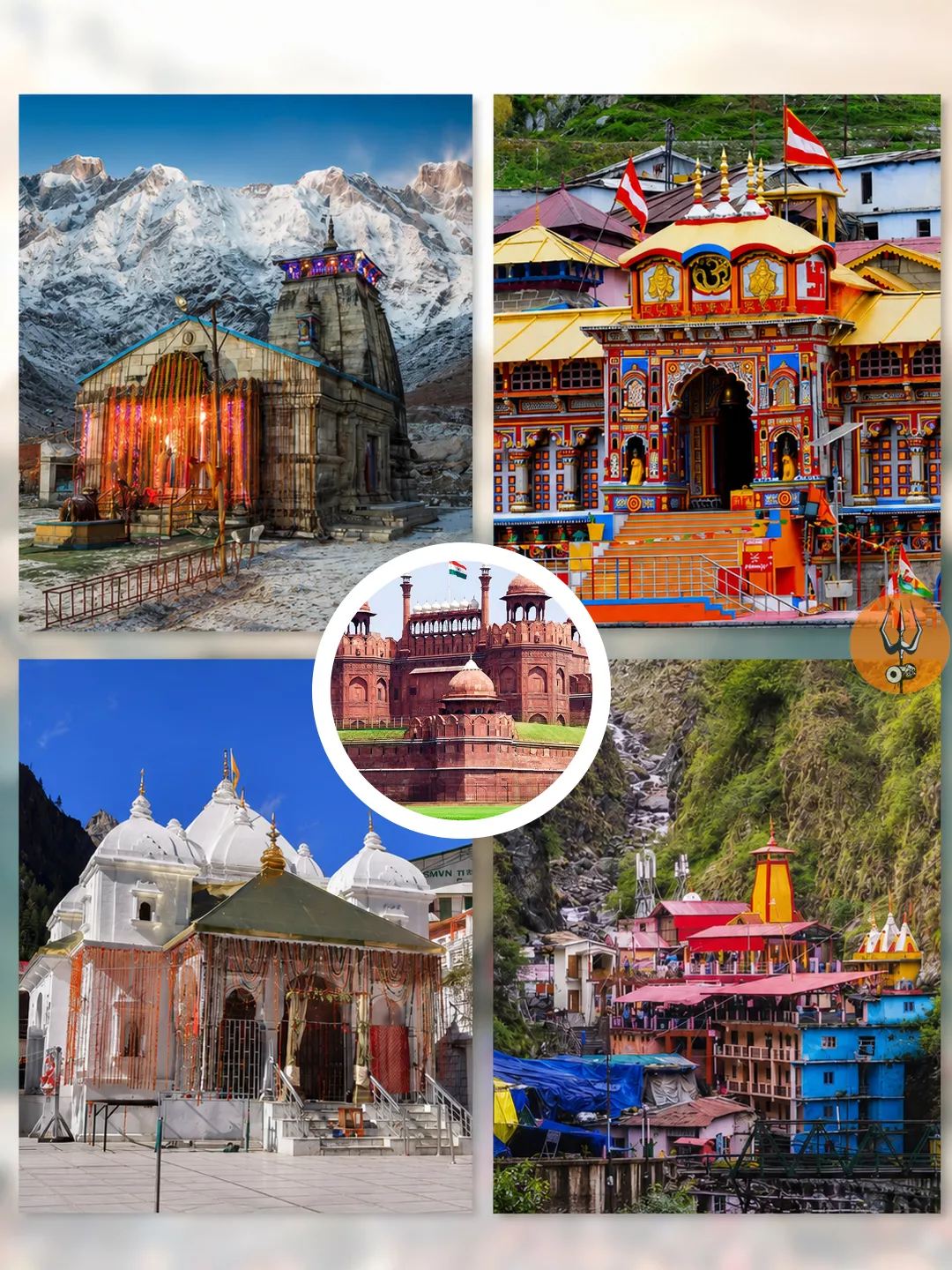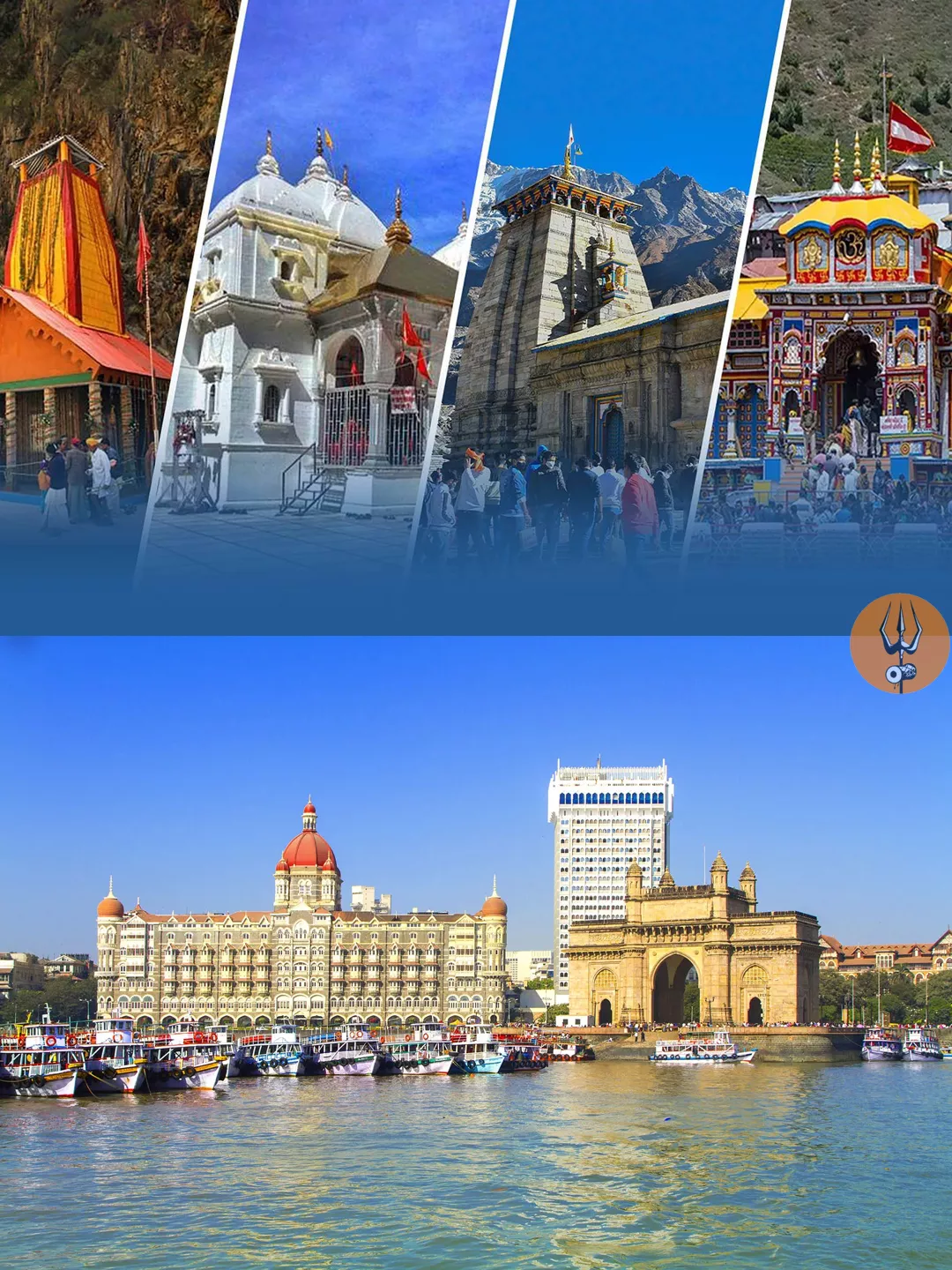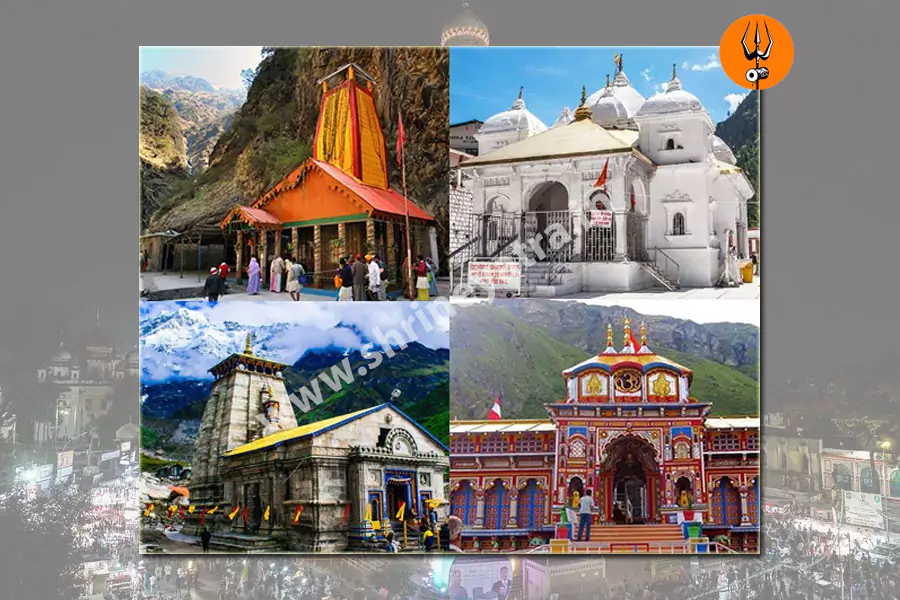
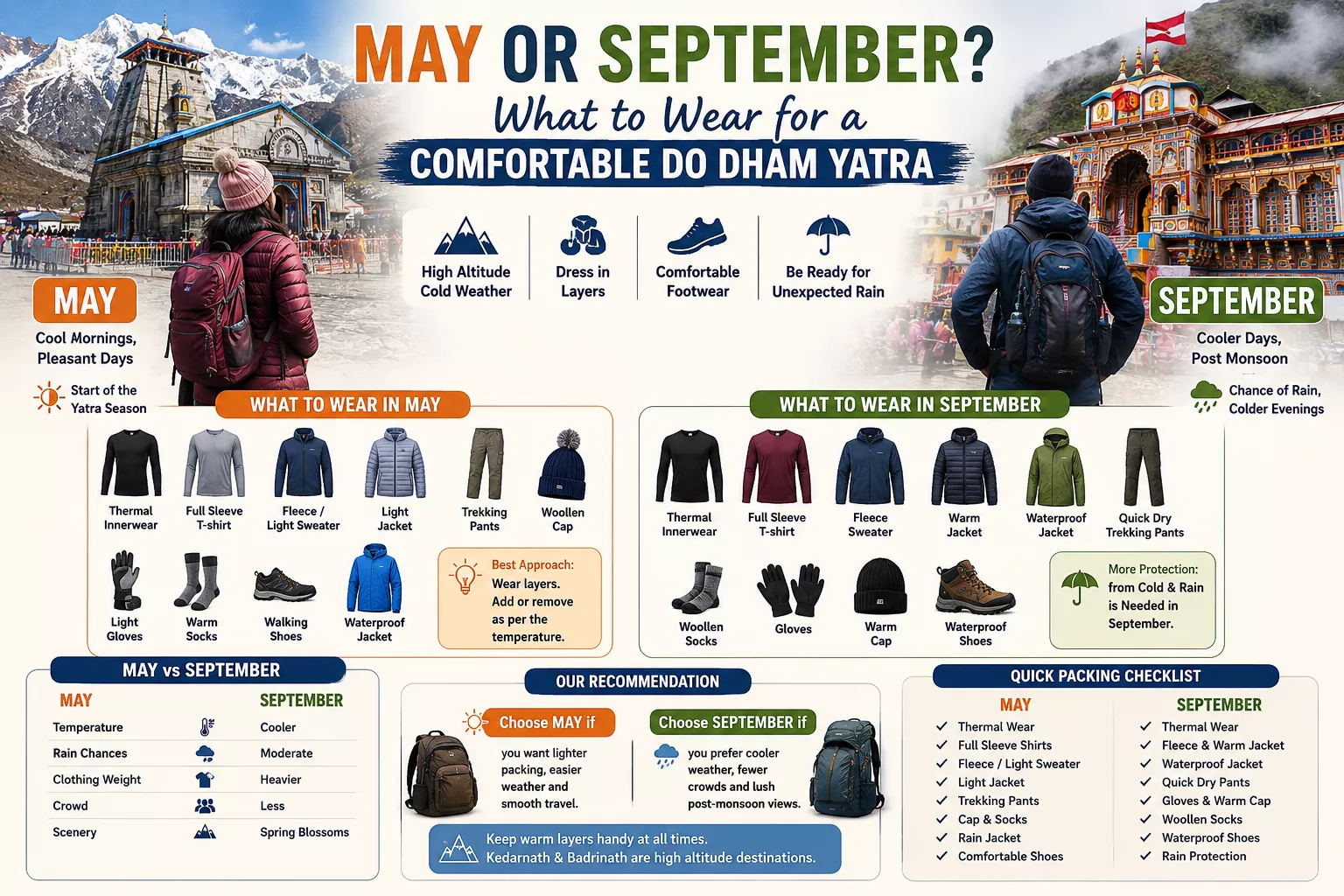
May or September? What to Wear for a Comfortable Do Dham Yatra
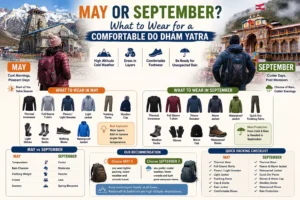
Planning your Do Dham Yatra packing list can feel overwhelming, especially when you’re unsure how the weather changes between May and September. Since the journey covers high-altitude destinations like Kedarnath and Badrinath, the climate can change quickly, sometimes within a single day. What you wear directly affects your comfort, safety, and overall experience.
The biggest mistake travelers make is packing either too light or too heavy without understanding mountain weather patterns. May brings early summer conditions with cold mornings, while September brings post-monsoon chill and moisture. This is why a clothing guide for Do Dham Yatra should remain season-specific rather than generic.
This detailed guide will help you understand what to pack for Do Dham Yatra from May to September, including layering strategies, footwear, accessories, and trekking gear. Whether you’re preparing for a spiritual journey or your first Himalayan trek, this guide helps you pack smart and travel with confidence.
Weather Conditions in May vs September During Do Dham Yatra
Understanding the Do Dham weather is the foundation of a smart Do Dham travel packing checklist, especially if you’re planning your trip through a Do Dham Yatra Package. In May, the yatra season begins with relatively stable weather, clear skies, and comfortable daytime temperatures, making travel smoother and more predictable. However, mornings and nights can still feel quite cold due to the altitude, particularly in Kedarnath, so warm layers remain essential.
By contrast, September follows the monsoon season, bringing fresh greenery along with damp conditions and cooler air. The trails can become slightly slippery, and temperatures tend to drop more sharply after sunset. This change in Do Dham weather directly affects your Do Dham Yatra packing essentials, especially when choosing the right clothing, footwear, and rain protection.
The key difference lies in moisture and temperature variation. May is generally dry and moderately warm during the day, while September is cooler, wetter, and requires better insulation and layering. Whether you’re traveling independently or booking a Do Dham Yatra Package, understanding these seasonal differences helps ensure a safer and more comfortable journey.
Weather Comparison
- May: Dry and stable weather with mild daytime temperatures, though mornings and evenings can feel quite chilly.
- September: Cooler climate with fresh post-monsoon greenery, along with occasional light rainfall.
- Nights: Temperatures drop significantly in both months, especially in higher regions.
- High Altitudes: Colder conditions persist throughout the year, regardless of the month, so warm layers remain essential.
Clothing Differences for May vs September Travel
Choosing the right clothes for Do Dham Yatra depends heavily on the month of travel. In May, lightweight yet layered clothing works best because temperatures can change throughout the day. You may feel warm while walking but cold when resting or during early mornings.
In September, clothing needs to focus more on warmth and protection from moisture. The air becomes cooler, and sudden rain showers are more common. This is where proper layering and waterproof options become essential.
Packing the same clothing for both months is a common mistake. Instead, adapting your wardrobe to the season can improve comfort and help prevent issues like colds or fatigue.
Clothing Differences
- May: Light layers and breathable fabrics.
- September: Warm layers and moisture-resistant clothing.
- May: Focus on comfort and airflow.
- September: Focus on insulation and protection.
Temperature-Wise Outfit Planning for Kedarnath & Badrinath
Temperature varies not only by month but also by location during the yatra. Kedarnath is colder because of its higher altitude, while Badrinath is slightly more moderate but still chilly, especially at night. Planning outfits according to temperature zones is essential for a smooth journey.
During May, daytime temperatures may feel pleasant, but evenings require jackets or light woolens. In September, even daytime can feel cool, while nights can become quite cold, making proper thermal layers important.
Ignoring these variations can cause discomfort and may create health concerns, especially during the Kedarnath trek.
Temperature-Based Clothing
- Kedarnath: Significantly colder due to higher altitude, so multiple warm layers are essential throughout the day.
- Badrinath: Slightly milder in comparison, but nights can still get quite cold.
- Clothing Tip: Carry thermal wear for both destinations to stay warm, especially during early mornings and late evenings.
- Extra Layer: Always pack an additional warm jacket or fleece, as mountain weather can change unexpectedly.
Layering Guide for Early Summer vs Post-Monsoon Months
Layering is the most effective strategy for a Do Dham Yatra packing list, especially when considering unpredictable Do Dham weather. Instead of carrying bulky clothing, layering lets you adjust easily to temperature changes throughout the day. This becomes essential in mountain regions, where weather conditions can shift quickly from sunny to cold within hours.
In May, layering should focus on light innerwear, a comfortable mid-layer for warmth, and a light jacket for cooler mornings and evenings. However, in September, changing Do Dham weather after the monsoon calls for thicker layers and waterproof outerwear to protect against rain and chilly winds.
A well-planned layering system provides flexibility, comfort, and proper protection without making you overpack, making your journey smoother and more manageable.
Layering Essentials
- Base Layer: Choose breathable, sweat-absorbing fabrics to keep your body dry and comfortable during long travel or trekking hours.
- Mid Layer: Opt for light wool or fleece to provide insulation and retain body heat without adding too much bulk.
- Outer Layer: A windproof or waterproof jacket is essential to protect against cold winds and unexpected rain.
- September Tip: Add thermal wear for extra warmth, especially during early mornings, evenings, and at higher altitudes.
Day vs Night Clothing Essentials (May vs September)
One of the most overlooked aspects of what to wear for Do Dham Yatra is the difference between day and night clothing. Many travelers pack only daytime outfits and underestimate how cold nights can get in the Himalayas.
In May, daytime clothing can remain light and comfortable, but nights require warm layers. In September, both day and night clothing should be warmer, especially in Kedarnath.
Having separate clothing for day and night ensures better comfort and helps maintain body temperature.
Day vs Night Essentials
- Daytime: Wear light, breathable clothing to stay comfortable during travel and temple visits.
- Nighttime: Temperatures drop quickly, so warm jackets and thermals are essential.
- September Tip: Nights are colder post-monsoon, so extra insulation, such as heavier layers or thermals, is highly recommended.
- Extra Layer: Always carry a shawl or an additional wrap for quick warmth when temperatures suddenly fall.
Rain Protection Clothing for September Travel
September travel requires proper rain protection. Post-monsoon showers can arrive without warning, so waterproof gear is essential. Without suitable rain protection, trekking can become uncomfortable and difficult.
A good-quality raincoat or poncho protects you and your backpack from sudden showers. Waterproof pants and quick-dry clothes also help keep you comfortable during wet conditions.
Rain protection should be an important part of your Do Dham trekking gear list.
Rain Essentials
- Waterproof Raincoat or Poncho: Provides reliable protection from sudden showers during travel and trekking.
- Backpack Rain Cover: Helps keep your clothes, documents, and other essentials dry.
- Quick-Dry Clothes: Dry faster after exposure to rain or moisture and are ideal for mountain travel.
- Waterproof Footwear: Helps keep your feet dry and provides better comfort on wet or slippery trails.
Lightweight Clothing Recommendations for May
May is warmer than the later months, so lightweight clothing works well. However, high-altitude areas can still become cold, so you should prepare for sudden temperature changes.
Breathable fabrics such as cotton blends or dry-fit materials keep you comfortable during long travel hours and trekking. Carry a light jacket for colder mornings and evenings.
The goal is to stay comfortable during the day while keeping enough warm clothing for colder conditions.
May Clothing Tips
- Light T-Shirts and Track Pants: Comfortable options for daytime travel and trekking.
- Breathable Fabrics: Choose lightweight materials that allow airflow and help manage sweat.
- Light Jacket for Mornings: Keep a jacket handy for chilly early mornings and cooler evenings.
- Avoid Heavy Woolens: Bulky woolen clothing may be unnecessary for most daytime conditions in May.
Warm Layers Required for September Mornings & Evenings
September mornings and evenings can feel much colder, especially around Kedarnath. Proper thermal wear becomes important during this part of the Himalayan Yatra.
Thermals, fleece jackets, and insulated outerwear help retain body heat. Carrying these layers keeps you comfortable during cold mornings, evenings, and higher-altitude travel.
Warm clothing is essential for September travel.
Warm Clothing Essentials
- Thermal Innerwear: Provides an additional layer of warmth during colder mornings and nights.
- Fleece or Wool Jackets: Offer insulation while remaining practical for layering.
- Warm Socks and Gloves: Help keep your hands and feet comfortable in colder conditions.
- Insulated Outerwear: Provides an extra layer of protection against cold temperatures and mountain winds.
Footwear Recommendations for Dry vs Wet Trekking Conditions
Footwear is one of the most important parts of your Do Dham backpack essentials list. The Kedarnath trek requires sturdy and comfortable shoes, especially during long walking hours.
In May, relatively dry conditions make regular trekking shoes with good grip suitable. In September, wet and slippery trails require waterproof shoes with strong anti-slip soles.
Choosing the right footwear helps prevent discomfort and reduces the risk of slips and injuries.
Best Shoes for Kedarnath Trek
- Waterproof Trekking Shoes: Useful for protecting your feet from rain, moisture, and wet trails.
- Strong Grip Soles: Choose shoes with good traction for uneven and slippery terrain.
- Comfortable Fit: Make sure your footwear fits properly and provides adequate support for long walking hours.
- An Extra Pair of Socks: Carry spare socks to keep your feet dry and comfortable during the trek.
Accessories to Carry in May vs September
Accessories can improve comfort throughout the yatra. May requires better protection from sunlight, while September calls for more protection from cold and wind.
Items such as caps, gloves, and sunglasses often get overlooked, but they can help during mountain travel. Carrying the right accessories keeps you comfortable in changing weather.
Packing these essentials also helps you stay prepared throughout the journey.
Accessories Checklist
- Sunglasses and Cap (May): Help protect your eyes and face from bright sunlight at higher altitudes.
- Gloves and Woolen Caps (September): Provide extra warmth during colder mornings and evenings.
- Scarf or Muffler: Helps protect your neck from cold winds and changing weather conditions.
- Sunscreen and Lip Balm: Help protect your skin and lips from dryness and sun exposure at high altitudes.
Medicines to Carry for Do Dham Yatra
Health preparation is an important part of your Do Dham Yatra packing list. High altitude and physical exertion can affect your body, especially if you are not used to mountain conditions.
Basic medicines can help you manage common issues such as headaches, cold, and altitude sickness. Carrying a first aid kit also keeps you prepared for minor problems during the journey.
Consult your doctor before the trip, especially if you take regular medicines or have existing health concerns.
Medicine Essentials
- Pain Relievers: Carry commonly used medication for occasional headaches or body aches, as advised by your healthcare provider.
- Cold and Cough Medicines: Keep suitable medication handy for common cold-related symptoms.
- Altitude Sickness Tablets: Take altitude-related medication only after consulting a qualified healthcare professional.
- First Aid Kit: Include basic supplies such as bandages, antiseptic wipes, and other personal essentials.
What Women Should Wear in May vs September Do Dham Yatra
For women, comfort, safety, and practicality matter when choosing what to wear for Do Dham Yatra. Clothing should allow easy movement while maintaining modesty, especially when visiting temples.
In May, women can choose light layers with a scarf or shawl. In September, warmer and more protective clothing works better.
Choosing suitable outfits helps ensure comfort and confidence throughout the journey.
Women’s Clothing Tips
- Comfortable Leggings or Track Pants: Choose flexible bottoms that allow easy movement during trekking and travel.
- Long Tops or T-Shirts: Comfortable, breathable tops are suitable for daytime travel and temple visits.
- Shawl or Scarf: A versatile layer that can provide warmth and added coverage when needed.
- Layered Clothing for Flexibility: Multiple lightweight layers make it easier to adjust to changing mountain temperatures.
Month-Wise Clothing Mistakes to Avoid During Do Dham Yatra
Many travelers make simple mistakes while packing for Do Dham Yatra. Carrying too many clothes, packing too little, or ignoring the weather can cause unnecessary discomfort.
In May, heavy woolens are usually unnecessary, while September travel requires proper warm layers. Understanding the seasonal needs helps you pack more effectively.
Smart packing makes the journey easier and more comfortable.
Common Mistakes
- Overpacking Heavy Clothes in May: Avoid carrying bulky winter clothing when lightweight layers are more practical.
- Ignoring Rain Gear in September: Always be prepared for sudden showers and wet trail conditions.
- Wearing Uncomfortable Footwear: Choose supportive trekking shoes with good grip for long walking distances.
- Not Layering Properly: Carry multiple layers so you can adapt to changing temperatures throughout the day.
Final Thoughts
Your Do Dham Yatra packing list can affect your overall travel experience. The key is to understand the differences between May and September weather and pack accordingly.
With the right clothing, footwear, and accessories, you can focus on the spiritual and scenic beauty of the journey instead of discomfort. Whether you are choosing the best shoes for Kedarnath trek or deciding what to wear for Kedarnath in May, proper preparation makes a difference.
Pack smart, travel light, and make your Do Dham Yatra comfortable and memorable.
Frequently Asked Questions for the Do Dham Yatra Packing List
What is the complete Do Dham Yatra packing list for 2026?
Carry a 3-layer clothing system, sturdy trekking shoes, personal medicines, and a high-capacity power bank. A 40L backpack works better than a trolley bag for mountain travel and base camp stays.
Is there a difference between clothing for May vs September travel?
Yes. May is generally drier but has strong sunlight, so breathable layers and UV protection are useful. September is cooler and more humid after the monsoon, so carry warmer layers and waterproof gear.
What kind of shoes are best for the Kedarnath trek?
Choose broken-in, waterproof trekking shoes with good ankle support and deep-lug soles for better grip. Avoid brand-new shoes on the trek because they can cause blisters and foot fatigue.
How many layers of clothing should I wear for Kedarnath?
Follow a 3-layer system: a moisture-wicking base layer, an insulating mid-layer such as fleece or a sweater, and a windproof or waterproof outer layer. This helps you adjust to changing temperatures.
What should women wear for Do Dham Yatra in May?
Lightweight salwar kameez or quick-dry trek pants with long-sleeved cotton tops are suitable. Avoid heavy jeans, which can feel uncomfortable during warmer daytime travel.
Do I need a heavy down jacket in September?
Carry a warm insulated jacket for September, especially for cold nights around Kedarnath. Post-monsoon winds can make the weather feel colder, so proper winter layers are important.
Is a raincoat better than an umbrella for September travel?
Yes. A good raincoat or poncho provides better protection while keeping your hands free for trekking poles. A poncho can also cover your backpack during sudden showers.
What are the medicine essentials for Do Dham Yatra?
Carry basic medicines, ORS, bandages, motion-sickness medicine, and any prescribed medicines you regularly take. Consult a doctor before using altitude-sickness medicine.
What kind of footwear is best for wet trekking in September?
Waterproof trekking shoes with strong grip are suitable for wet and slippery trails. Carry extra woolen socks in waterproof pouches to keep your feet warm and dry.
What are the common clothing mistakes to avoid in May?
Do not pack only summer clothes. Higher areas can become cold at night, so keep thermals, a warm cap, and an extra warm layer in your daypack.
Do I need to carry oxygen cans for the Kedarnath trek?
Portable oxygen cans are optional and should not replace proper acclimatization or medical care. Senior citizens and travelers with health concerns should consult a doctor before the trek.
Which accessories are must-haves for May travel?
Carry UV-protection sunglasses, a sun hat, and sunscreen for protection from strong high-altitude sunlight.
Are thermals required for both May and September?
Thermals can be useful in both months, especially during early mornings, nights, and stays at higher altitudes. They also work well as an extra layer when temperatures drop.
What is the weight limit for luggage in helicopter packages?
Luggage limits depend on the helicopter operator and current booking rules. Check the baggage allowance provided with your confirmed helicopter ticket before travelling. A soft-sided bag is generally more practical than a hard trolley for helicopter travel.
How much cash should I carry in my daypack?
Carry some cash in small denominations because network problems can affect digital payments in remote mountain areas. The exact amount depends on your planned expenses, including local transport, meals, and emergency purchases.