Do Dham or Char Dham: Complete Comparison of the Two Holy Pilgrimages
The Himalayan region of Uttarakhand is known for its ancient temples and important pilgrimage routes. Among the most popular are the Char Dham Yatra and Do Dham Yatra. Many devotees planning a Himalayan pilgrimage compare both options to decide whether a shorter Do Dham Yatra package or the complete Char Dham journey is better for them.
Both pilgrimages have strong religious importance and offer devotees an opportunity to seek blessings, spend time in prayer, and experience the peaceful Himalayan surroundings. Along the routes, pilgrims pass through mountain valleys, rivers, forests, and scenic landscapes while visiting temples with centuries-old traditions.
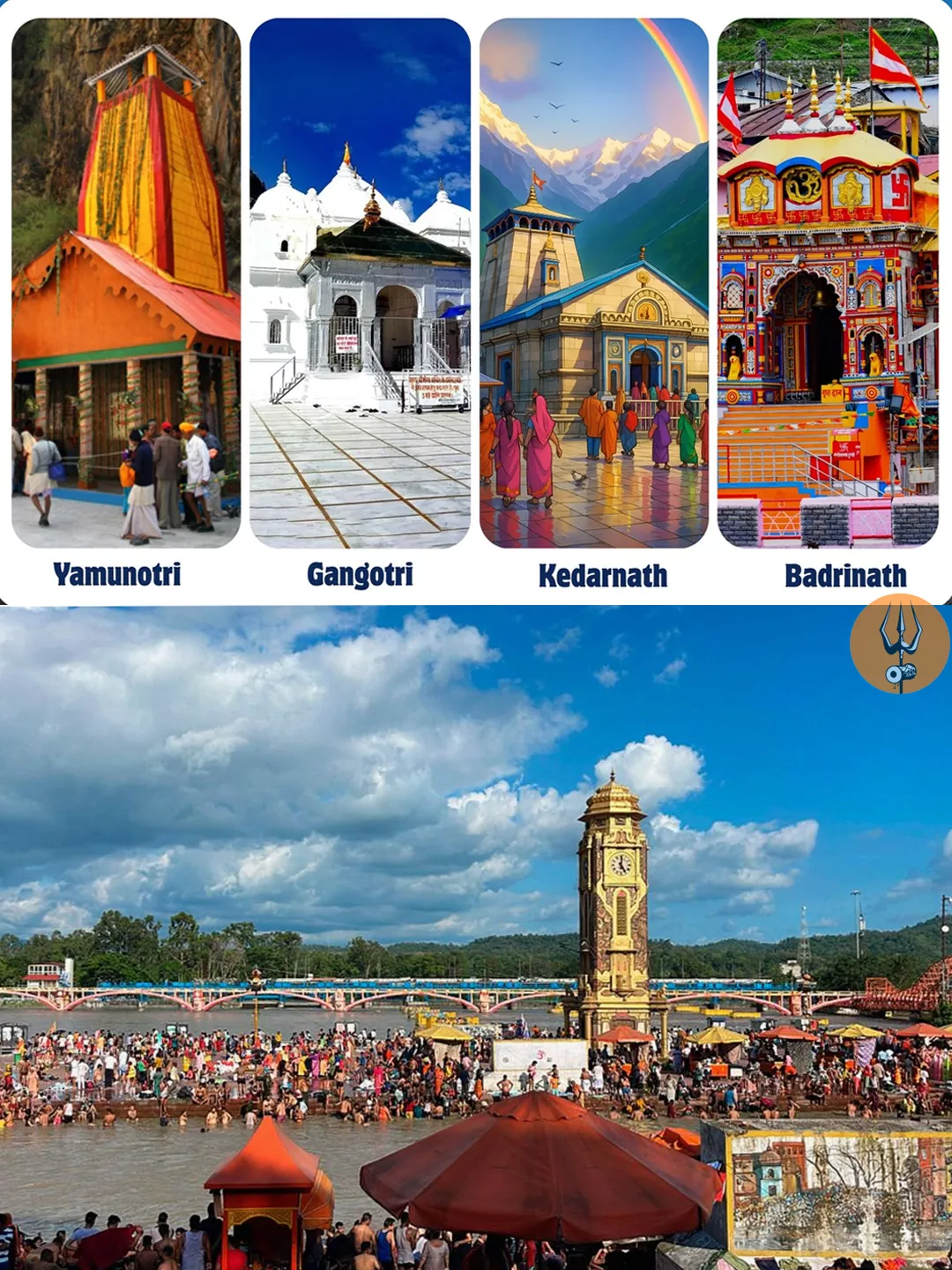
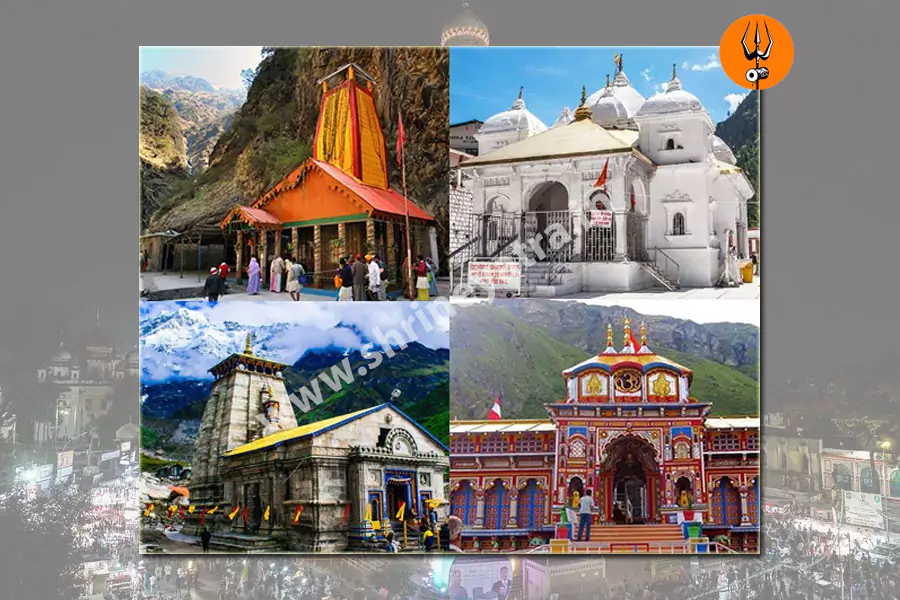
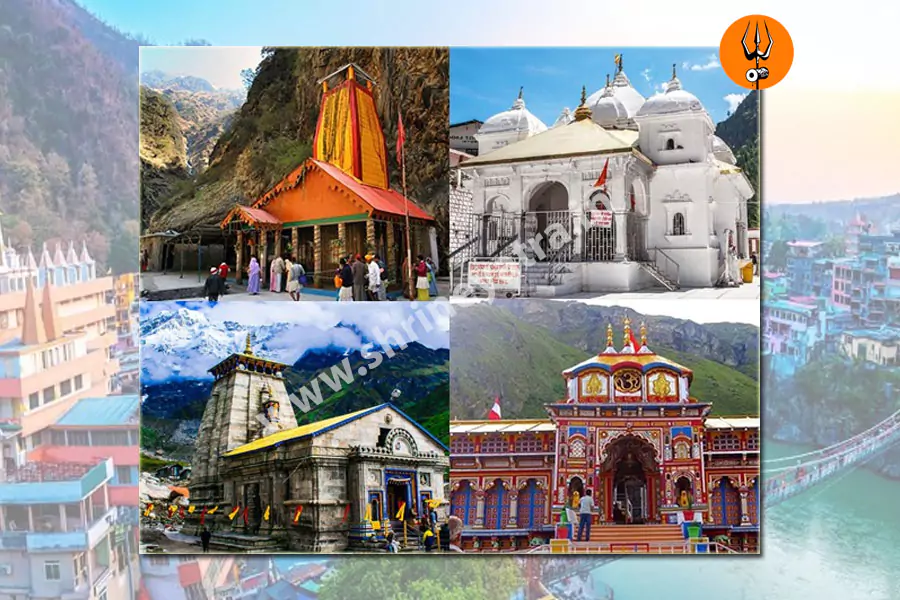
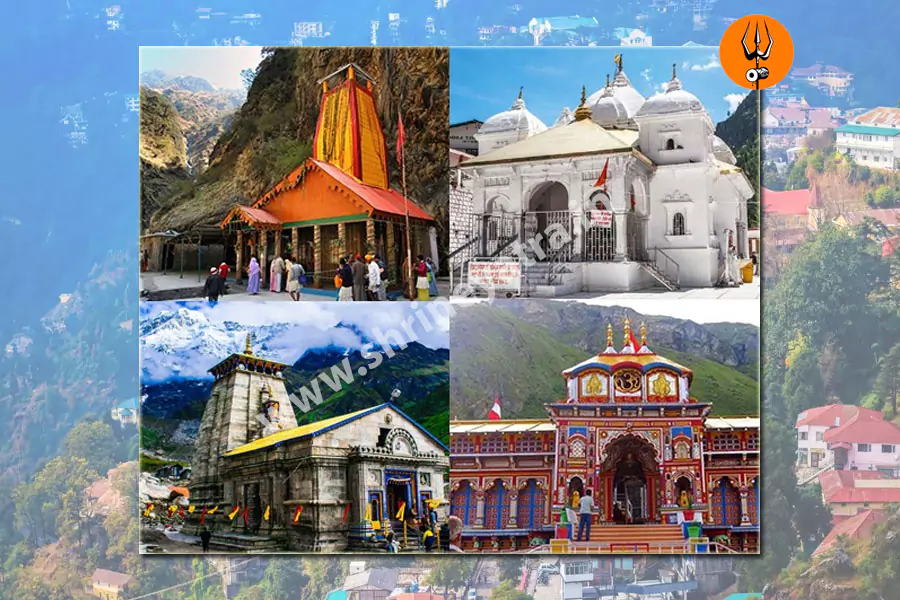
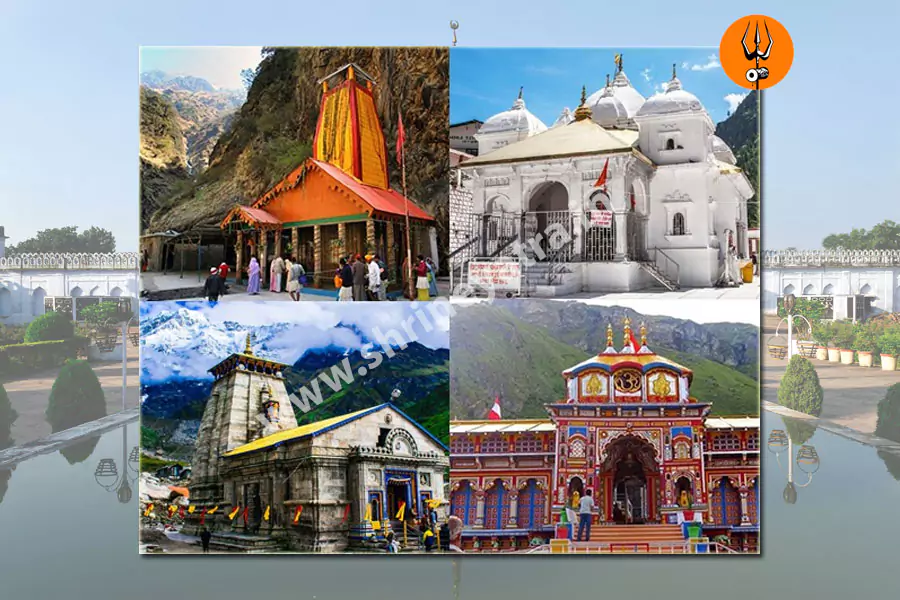
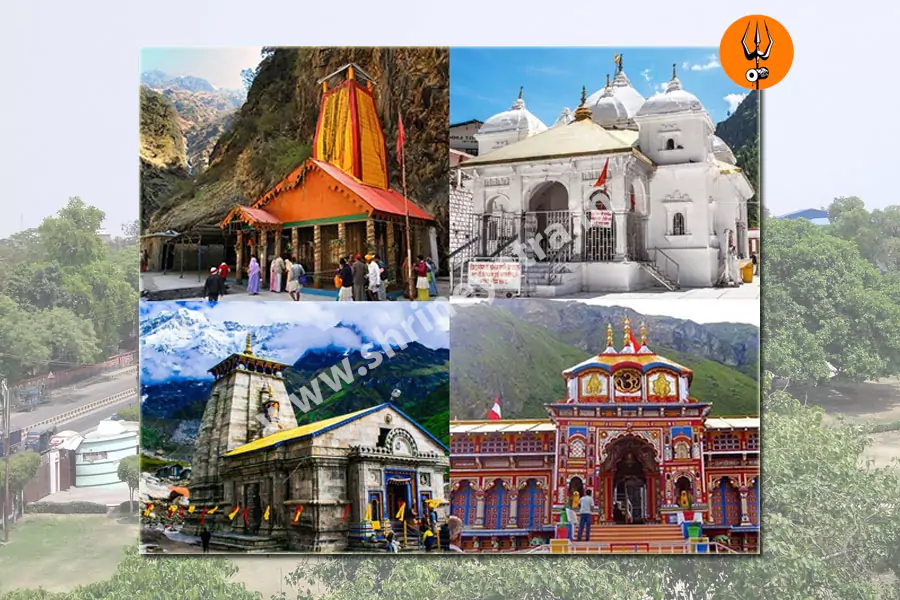
The Char Dham Yatra covers four sacred shrines in the Garhwal Himalayas: Yamunotri, Gangotri, Kedarnath, and Badrinath. It offers a longer and more comprehensive pilgrimage experience. Devotees who want to cover all four temples can choose a Char Dham Yatra Package to simplify transportation, accommodation, and other arrangements.
The Do Dham Yatra covers two major shrines, Kedarnath and Badrinath. It is often preferred by travelers who have less time but still want to visit two of Uttarakhand’s most revered temples. The shorter route can also be more suitable for pilgrims with limited travel schedules.
Knowing the difference between Do Dham and Char Dham can help you choose the right pilgrimage according to your available time, physical fitness, spiritual interests, and travel preferences.
Meaning and Concept of Char Dham Yatra
The Char Dham Yatra is one of the most important Hindu pilgrimages in Uttarakhand. The name “Char Dham” means four sacred abodes and refers to four revered temples in the Himalayan region of the state. Each shrine has its own religious importance and connection with Hindu traditions.
The four temples included in the Char Dham Yatra are:
- Yamunotri
- Gangotri
- Kedarnath
- Badrinath
Each destination is associated with a different deity or sacred river and carries its own spiritual significance. The pilgrimage also takes devotees through beautiful Himalayan surroundings, including rivers, forests, valleys, glaciers, and high mountain peaks.
The traditional sequence of the Char Dham Yatra is:
- Yamunotri
- Gangotri
- Kedarnath
- Badrinath
Following this sequence gives the pilgrimage a traditional structure and takes devotees through the four sacred destinations in an established order.
The Char Dham Yatra offers a broader pilgrimage experience by bringing together temples associated with Goddess Yamuna, Goddess Ganga, Lord Shiva, and Lord Vishnu. For devotees, visiting all four shrines can be an important expression of faith and devotion.
Many pilgrims undertake this journey with the belief that the Char Dham Yatra supports spiritual purification and brings them closer to moksha, or spiritual liberation. The combination of worship, traditional rituals, and the peaceful Himalayan setting makes the journey deeply meaningful for devotees.
Meaning and Concept of Do Dham Yatra
The Do Dham Yatra is a shorter pilgrimage that covers two of Uttarakhand’s most revered Himalayan temples, Kedarnath and Badrinath. Both shrines have a special place in Hindu tradition and attract devotees seeking blessings, peace, and a deeper spiritual connection.
Temples Included in the Do Dham Yatra
The Do Dham pilgrimage covers:
- Kedarnath Temple: Dedicated to Lord Shiva
- Badrinath Temple: Dedicated to Lord Vishnu
Both temples form an important part of the wider Char Dham pilgrimage circuit. Visiting them gives devotees the opportunity to worship Lord Shiva and Lord Vishnu while experiencing the peaceful surroundings of the Himalayas.
The Kedarnath and Badrinath Yatra also brings together two important traditions within Hindu spirituality. Lord Shiva is associated with transformation and spiritual awakening, while Lord Vishnu represents protection, preservation, and compassion.
Many devotees select the Do Dham Yatra because it requires fewer days than the complete Char Dham pilgrimage. It can be a practical choice for travelers with limited time, while still allowing them to visit two of the most significant temples in Uttarakhand.
Although the journey covers only two shrines, it offers a rich devotional experience. Temple rituals, prayers, mountain landscapes, and time spent at these sacred destinations make the Do Dham Yatra a meaningful pilgrimage for devotees.
Temples Included in Char Dham Yatra
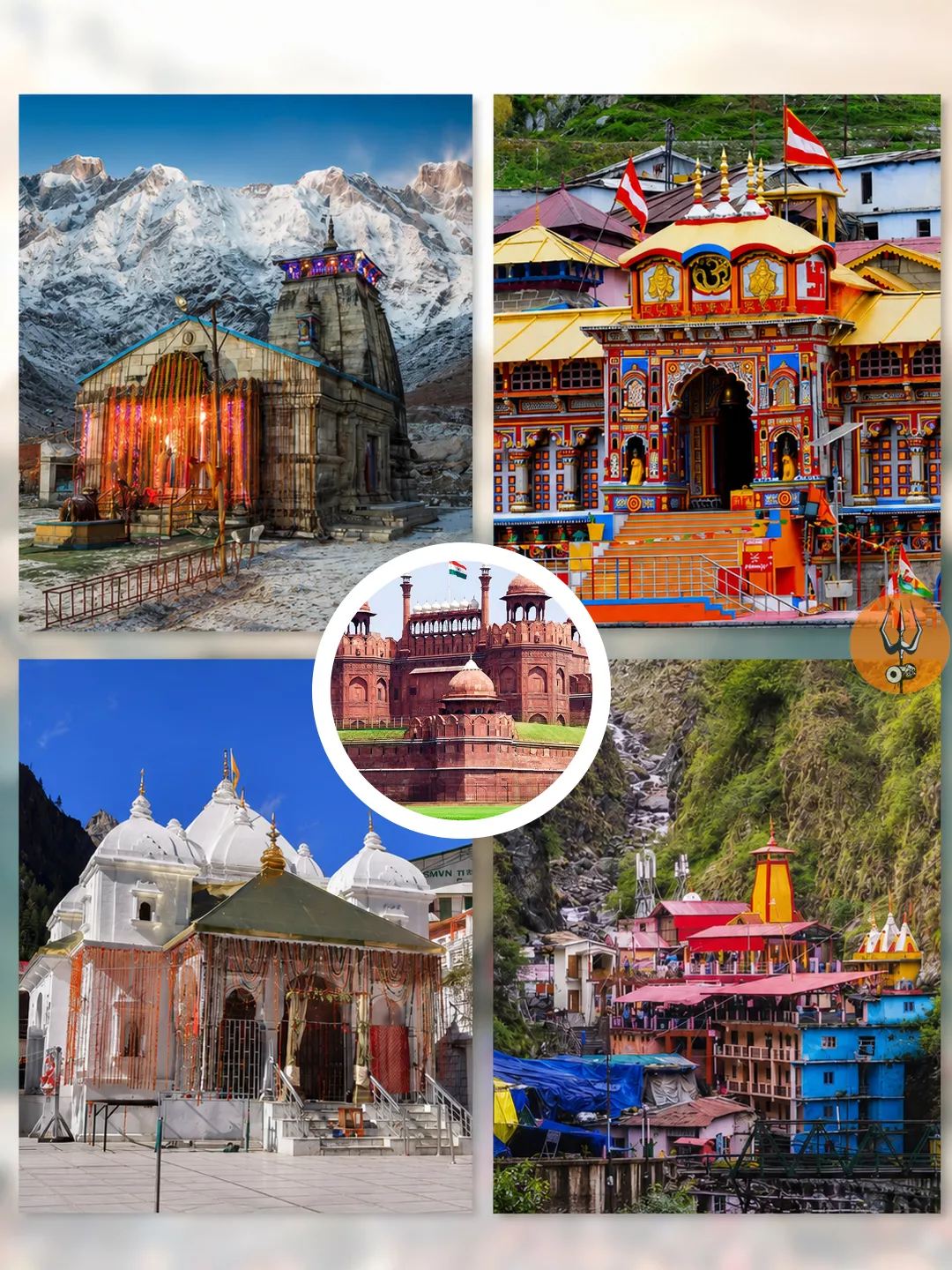
The Char Dham Yatra covers four important pilgrimage sites in Uttarakhand: Yamunotri, Gangotri, Kedarnath, and Badrinath. Each temple has its own religious traditions, mythology, and spiritual importance. Together, they form a significant pilgrimage route for Hindu devotees visiting the Himalayas.
Yamunotri Temple
Yamunotri Temple is dedicated to Goddess Yamuna and traditionally marks the beginning of the Char Dham Yatra. The shrine is associated with the origin of the Yamuna River, which holds an important place in Hindu tradition. Devotees visit the temple to offer prayers and seek the blessings of Goddess Yamuna. Reaching the shrine involves a mountain trek, adding a physical and devotional aspect to the pilgrimage.
Gangotri Temple
Gangotri Temple is dedicated to Goddess Ganga and stands near the sacred River Ganga. Hindu tradition considers the Ganga a holy river with the power to purify devotees. Pilgrims visit the temple to offer prayers, perform rituals, and spend time along the riverbank. The peaceful Himalayan surroundings add to the spiritual atmosphere of this important stop.
Kedarnath Temple
Dedicated to Lord Shiva, Kedarnath Temple is one of the twelve revered Jyotirlingas. The shrine stands at an altitude of more than 3,500 meters in the Garhwal Himalayas and remains surrounded by impressive mountain peaks. Pilgrims usually reach the temple through a challenging mountain route, making the visit an important part of the Char Dham pilgrimage.
Badrinath Temple
Badrinath Temple is dedicated to Lord Vishnu and stands beside the Alaknanda River. It is one of the most important Hindu pilgrimage sites in Uttarakhand and serves as the final destination in the traditional Char Dham sequence. Devotees visit the shrine to offer prayers and seek the blessings of Lord Vishnu.
Together, Yamunotri, Gangotri, Kedarnath, and Badrinath form the four sacred destinations of the Uttarakhand Char Dham Yatra. Visiting these temples allows pilgrims to experience centuries-old traditions, religious rituals, and the spiritual atmosphere of the Himalayan region.
Temples Included in Do Dham Yatra
The Do Dham Yatra covers two of Uttarakhand’s most revered pilgrimage sites, Kedarnath and Badrinath. Both temples have a strong place in Hindu tradition and attract devotees who seek blessings, peace, and spiritual fulfillment.
Kedarnath Temple
Kedarnath Temple is dedicated to Lord Shiva and is one of the twelve Jyotirlingas. Set high in the Garhwal Himalayas, the shrine is closely associated with devotion, penance, and spiritual transformation. For many pilgrims, the journey to Kedarnath is an important expression of faith and offers a sense of inner peace.
Badrinath Temple
Badrinath Temple is dedicated to Lord Vishnu and is an important shrine in both the Char Dham and Do Dham pilgrimage circuits. The temple is associated with divine protection, devotion, and spiritual wisdom. Devotees visit Badrinath to offer prayers and seek the blessings of Lord Vishnu in its peaceful Himalayan setting.
Together, Kedarnath and Badrinath offer devotees an opportunity to worship Lord Shiva and Lord Vishnu during the same pilgrimage. The combination of temple visits, traditional rituals, and the Himalayan surroundings makes the Do Dham Yatra a meaningful journey of faith and devotion.
Spiritual Significance of the Pilgrimage
The Do Dham and Char Dham Yatra represent more than travel between sacred destinations. For many devotees, these pilgrimages are deeply personal journeys of faith, prayer, and spiritual reflection. Pilgrims have followed these routes for generations with the belief that visiting the holy shrines brings them closer to the divine.
During the yatra, devotees take part in temple rituals, offer prayers, and seek blessings while traveling through the Himalayan landscape. The physical challenges of mountain travel and high-altitude routes can also become part of the devotional experience, requiring patience, determination, and faith.
Many devotees associate the pilgrimage with spiritual benefits such as:
- Purification of the soul
- Letting go of negative karma
- Strengthening faith and devotion
- Developing a deeper spiritual connection
- Moving closer to spiritual liberation, or moksha
The Himalayan surroundings further add to the peaceful character of the pilgrimage. Flowing rivers, sacred sites, mountain valleys, and snow-covered peaks provide a quiet setting for prayer and reflection.
For many pilgrims, the yatra is therefore more than a temple visit. It becomes a personal journey of faith, reflection, and spiritual renewal that can remain meaningful long after they return home.
Char Dham vs Do Dham: Key Differences
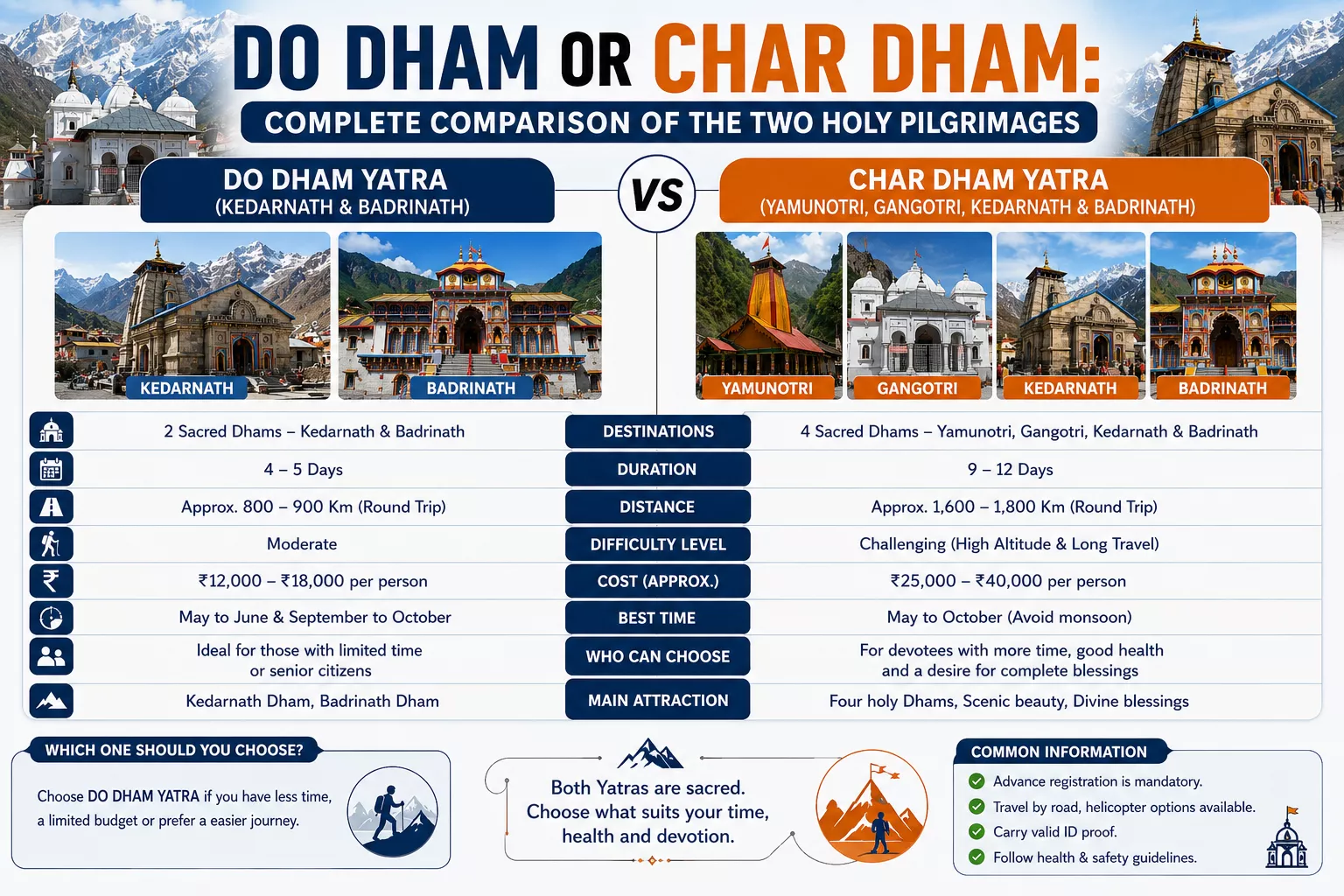
Knowing how the Char Dham Yatra differs from the Do Dham Yatra can help pilgrims select an itinerary that matches their available time, fitness level, and travel plans. Both journeys take place in the Himalayan region of Uttarakhand, but the number of temples, travel time, distance, and overall difficulty are different.
Number of Temples
The Char Dham Yatra covers four temples: Yamunotri, Gangotri, Kedarnath, and Badrinath. The Do Dham Yatra focuses on Kedarnath and Badrinath, allowing pilgrims to visit two major shrines within a shorter itinerary.
Duration
The complete Char Dham Yatra generally takes around 10 to 12 days, depending on the selected route and itinerary. The Do Dham Yatra usually takes about 5 to 7 days, making it a practical option for travelers with limited time.
Travel Distance
The Char Dham route covers a wider area of Uttarakhand and involves travel through several Himalayan valleys and mountain roads. Since the Do Dham Yatra includes only Kedarnath and Badrinath, its overall route is shorter.
Difficulty Level
The Char Dham journey can require greater physical effort because of its longer duration, extended road travel, and trekking sections at destinations such as Yamunotri and Kedarnath. The Do Dham itinerary has fewer travel segments, so many pilgrims find it easier to manage.
Overall, the Char Dham Yatra provides a more extensive pilgrimage experience, while the Do Dham Yatra offers a shorter alternative focused on Kedarnath and Badrinath.
Duration of Both Yatras
Travel duration is an important factor when choosing between the Do Dham and Char Dham pilgrimage. Both routes involve mountain travel, so the number of temples and distance covered directly affect the length of the journey.
The Char Dham Yatra generally takes around 10 to 12 days. The itinerary includes Yamunotri, Gangotri, Kedarnath, and Badrinath, along with long road journeys between destinations and trekking sections at some shrines. These additional travel stages make the complete pilgrimage longer.
The Do Dham Yatra usually takes around 5 to 7 days. Since it covers only Kedarnath and Badrinath, pilgrims spend fewer days on the road and can follow a more compact itinerary.
Therefore, travelers with sufficient time may choose the complete Char Dham circuit, while those with a shorter schedule can consider the Do Dham Yatra for a focused Himalayan pilgrimage.
Travel Route and Itinerary Comparison
The Do Dham and Char Dham Yatra take pilgrims through some of Uttarakhand’s most important spiritual destinations. While both routes pass through the Garhwal Himalayas, they differ in the number of temples covered, travel distance, and overall journey duration.
Char Dham Yatra Route
The Char Dham Yatra covers all four sacred shrines of Uttarakhand. The traditional route begins from Haridwar and continues through the Himalayan pilgrimage towns before reaching each dham.
Haridwar → Yamunotri → Gangotri → Kedarnath → Badrinath
The Char Dham Yatra route covers a wider area and includes longer road journeys along with treks to Yamunotri and Kedarnath. Because of the number of destinations, pilgrims need more days to complete the journey comfortably.
Do Dham Yatra Route
The Do Dham Yatra focuses on two major pilgrimage sites, Kedarnath and Badrinath. This makes the route shorter and easier to plan compared with the complete Char Dham circuit.
Haridwar → Kedarnath → Badrinath
The Do Dham Yatra itinerary requires fewer travel days and involves fewer destinations. It can be a practical choice for pilgrims who have limited time but still want to visit Kedarnath and Badrinath.
Overall, the Char Dham route suits pilgrims looking for a complete pilgrimage covering all four dhams, while the Do Dham route offers a shorter journey focused on Kedarnath and Badrinath.
Difficulty Level and Trekking Requirements
The Char Dham Yatra demands more physical effort because it covers four destinations and includes multiple mountain journeys. Pilgrims need to trek to both Yamunotri and Kedarnath, where steep paths and high-altitude conditions can make the journey tiring.
The Do Dham Yatra is comparatively easier because it covers only Kedarnath and Badrinath. However, pilgrims still need to consider the Kedarnath trek, which can be physically challenging. The shorter itinerary can make the overall journey more manageable for many travelers.
Pilgrims who find trekking difficult can consider alternatives such as helicopter services, pony rides, and palki services. These options can reduce physical exertion and make the pilgrimage more comfortable.
Best Time to Visit the Yatras
The Char Dham and Do Dham temples remain open for a limited period because winter brings heavy snowfall and difficult travel conditions to the Himalayan region. The pilgrimage season generally begins in late spring and continues into autumn.
May to October is generally considered a suitable period for these yatras. During this season, the roads, trekking routes, accommodation, and other facilities are available for pilgrims. However, weather can change quickly in the mountains, so checking the latest weather conditions before travel is important.
May and June usually attract more pilgrims, while September and October can offer a quieter travel experience. Monsoon conditions may affect road and trekking conditions, so travelers should plan accordingly.
Which Yatra is Better for Pilgrims?
The choice between the Char Dham and Do Dham Yatra depends mainly on your available time, physical ability, and pilgrimage goals.
The Char Dham Yatra is a better choice for pilgrims who want to visit all four sacred shrines: Yamunotri, Gangotri, Kedarnath, and Badrinath. It provides a more extensive pilgrimage experience but requires more time, travel, and physical effort.
The Do Dham Yatra is a practical option for travelers with limited time or those who prefer a shorter pilgrimage. It focuses on Kedarnath and Badrinath, allowing pilgrims to visit two major Himalayan shrines without undertaking the complete Char Dham circuit.
In simple terms, choose Char Dham for a complete pilgrimage experience and Do Dham for a shorter, more manageable journey.
Which Yatra is Suitable for Elderly Travelers?
For elderly pilgrims, a shorter itinerary with comfortable travel arrangements can make the journey easier to manage. The Do Dham Yatra, covering Kedarnath and Badrinath, can be a practical choice because it involves fewer destinations than the complete Char Dham circuit.
The shorter route may allow senior travelers to maintain a more relaxed schedule with adequate time for rest. However, Kedarnath still involves high-altitude travel and a demanding trek, so elderly pilgrims should consider their fitness and travel needs before booking.
Senior-friendly tour packages may include comfortable accommodation, planned transportation, on-ground assistance, and flexible itineraries. Helicopter services for Kedarnath can also be considered by travelers who want to reduce the physical effort involved in the trek.
With suitable planning and the right travel arrangements, elderly devotees can enjoy a more comfortable and meaningful pilgrimage.
Travel Preparation Tips for Pilgrims
Good preparation can make a Himalayan pilgrimage safer and more comfortable. Pilgrims may face changing weather, long road journeys, high-altitude conditions, and trekking during the yatra.
Before starting your journey, keep these essentials in mind:
- Carry Warm Clothing: Pack jackets, warm layers, sweaters, and shawls to handle sudden temperature changes.
- Wear Comfortable Trekking Shoes: Choose footwear with good grip and support for uneven mountain paths.
- Carry Essential Medicines: Keep your regular medicines, basic first-aid supplies, and other personal medical essentials.
- Stay Hydrated: Drink enough water throughout the journey, particularly during trekking and high-altitude travel.
- Follow Travel Advisories: Check weather updates and follow instructions from local authorities, guides, and transport operators.
Proper preparation helps reduce travel difficulties and allows pilgrims to focus on their spiritual experience.
Conclusion
Choosing between the Char Dham and Do Dham Yatra depends on your available time, physical ability, and pilgrimage goals. The Do Dham Yatra guide can help travelers understand the journey and plan according to their requirements.
The Char Dham Yatra offers a complete pilgrimage covering Yamunotri, Gangotri, Kedarnath, and Badrinath. The Do Dham Yatra provides a shorter route focused on Kedarnath and Badrinath, making it a suitable option for travelers with limited time.
Both yatras offer devotees an opportunity to visit sacred Himalayan temples and experience the spiritual atmosphere of Uttarakhand. With thoughtful planning, either journey can become a memorable part of your pilgrimage.
Frequently Asked Questions About Do Dham and Char Dham Yatra
1. What is the difference between Do Dham and Char Dham Yatra?
The main difference is the number of temples covered. The Char Dham Yatra includes Yamunotri, Gangotri, Kedarnath, and Badrinath, while the Do Dham Yatra covers Kedarnath and Badrinath. Do Dham is shorter and requires less travel time.
2. Which temples are included in the Char Dham Yatra?
The Char Dham Yatra covers four sacred temples in Uttarakhand:
- Yamunotri Temple: Dedicated to Goddess Yamuna
- Gangotri Temple: Dedicated to Goddess Ganga
- Kedarnath Temple: Dedicated to Lord Shiva
- Badrinath Temple: Dedicated to Lord Vishnu
Together, these shrines form one of Uttarakhand’s most important pilgrimage circuits.
3. Which temples are included in the Do Dham Yatra?
The Do Dham Yatra focuses on two major shrines:
- Kedarnath Temple: Dedicated to Lord Shiva
- Badrinath Temple: Dedicated to Lord Vishnu
It offers a shorter pilgrimage for devotees who want to visit these two important temples.
4. Which is better, Do Dham or Char Dham Yatra?
The right choice depends on your time, physical ability, and travel preferences. Char Dham is suitable for those who want to visit all four shrines, while Do Dham works well for travelers seeking a shorter itinerary covering Kedarnath and Badrinath.
5. How many days are needed for Char Dham and Do Dham Yatra?
A typical Char Dham Yatra takes around 10 to 12 days, depending on the itinerary, road conditions, and weather. A Do Dham Yatra generally takes 5 to 7 days, making it easier to fit into a shorter travel schedule.
6. What is the meaning of Char Dham Yatra?
Char Dham means four sacred abodes. The pilgrimage connects devotees with Yamunotri, Gangotri, Kedarnath, and Badrinath. For devotees, the journey represents faith, devotion, and spiritual purification through visits to these sacred Himalayan sites.
7. What is the spiritual significance of Do Dham and Char Dham Yatra?
Both yatras hold great importance for Hindu devotees. Pilgrims visit these sacred temples to offer prayers, seek blessings, strengthen their faith, and experience a deeper sense of spiritual connection.
8. What is the traditional Char Dham Yatra route?
The traditional pilgrimage sequence is:
Haridwar/Rishikesh → Yamunotri → Gangotri → Kedarnath → Badrinath
This route connects the four sacred shrines across the Garhwal Himalayas and allows pilgrims to complete the journey in an organized sequence.
9. What is the best time for Char Dham and Do Dham Yatra?
The May to June and September to October periods are generally preferred for these pilgrimages. These months are commonly chosen for their more favorable travel conditions. Weather can change quickly in the mountains, so pilgrims should check current conditions before departure.
10. Which Yatra is better for elderly travelers?
For many elderly travelers, Do Dham Yatra can be a more manageable option because it covers fewer destinations and generally requires fewer travel days. However, senior pilgrims should consider their fitness and the demands of the Kedarnath journey before planning either yatra.