Mansa Devi Temple
Mata Mansa Devi Temple is one of the most revered temples in Haridwar, dedicated to Goddess Mansa Devi, who is worshipped as the fulfiller of sincere wishes. Perched atop Bilwa Parvat in the Shivalik Hills, the temple is an important stop on the Panch Tirth (Five Sacred Pilgrimage Sites) of Haridwar. Every year, thousands of devotees visit this sacred shrine to seek the blessings of the goddess and enjoy the peaceful atmosphere along with panoramic views of Haridwar and the surrounding hills.
The temple’s hilltop setting creates a perfect blend of spirituality and natural beauty. Although several temples dedicated to Mata Mansa Devi are found across India, the Haridwar shrine holds special religious significance and remains one of the city’s most visited pilgrimage destinations.
About Mansa Devi Temple Haridwar
A visit to Mansa Devi Temple is considered an essential part of the Haridwar pilgrimage. For generations, devotees have followed the tradition of offering prayers at this sacred shrine before completing their religious journey. The temple is well known for its spiritual importance, scenic surroundings, and peaceful environment.
Inside the temple are two revered idols of Goddess Durga. One idol has three faces and five arms, while the other is depicted with eight arms, symbolising the goddess’s divine power and protection. These sacred idols attract devotees from across the country throughout the year.
Surrounded by the lush greenery of Rajaji National Park, the temple also offers breathtaking views of Haridwar and the Ganga plains. A visit here combines devotion with the beauty of nature, making it a memorable experience for pilgrims and tourists alike.
History
Mansa Devi is revered as the Hindu goddess associated with snakes and is widely worshipped in West Bengal, Jharkhand, Assam, and Uttarakhand. Devotees pray to her for protection from snakebites, family well-being, prosperity, and fertility.
According to Hindu mythology, Mansa Devi is the sister of Vasuki, the king of the Nagas, and the wife of the sage Jaratkaru. She is also regarded as the mother of Astika, the sage credited with stopping King Janamejaya’s great serpent sacrifice. In many scriptures, the goddess is honoured as Vishahari, meaning the remover of poison, and Nitya, the eternal one.
Some ancient texts also describe her as the daughter of Sage Kashyapa. Over time, devotees came to worship her as a compassionate goddess who blesses sincere prayers while encouraging faith, devotion, and righteousness.
Architecture
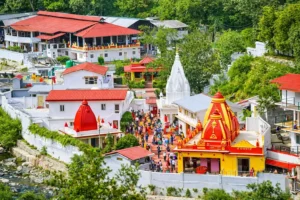
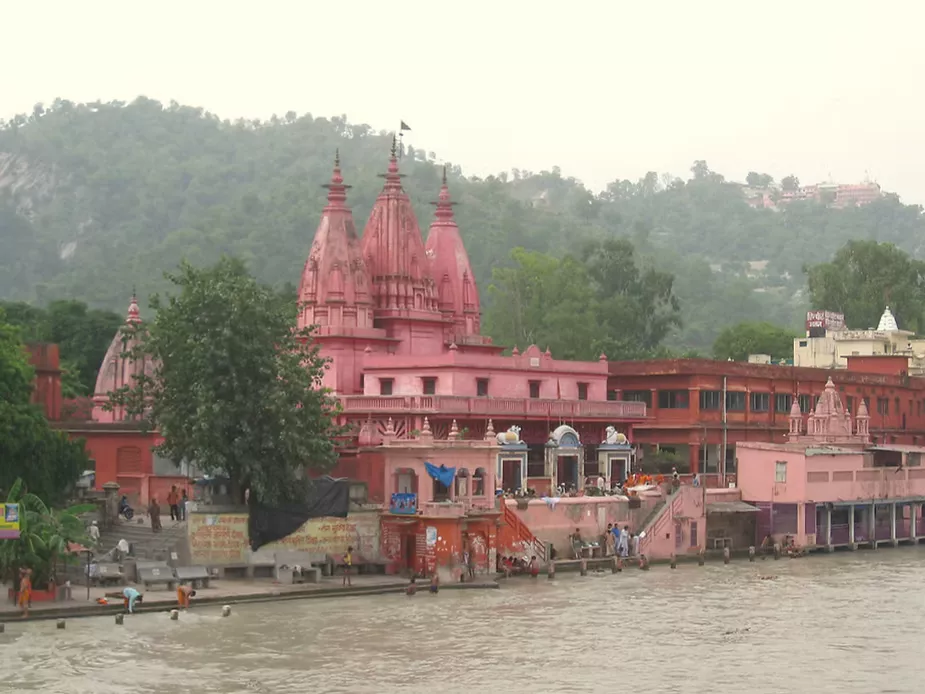
The architecture of Mansa Devi Temple reflects simplicity and traditional North Indian temple design. Painted in vibrant red, the temple stands prominently on Bilwa Parvat, creating a striking contrast against the dense green forests of the Shivalik Hills.
Like many Shakti temples, the shrine features a sacred Garbhagriha (inner sanctum) where the main idol of Mata Mansa Devi is enshrined. Pilgrims gather here to offer prayers, flowers, coconuts, and sacred threads while seeking the blessings of the goddess.
Although the temple is modest in design, its peaceful surroundings and spiritual atmosphere make it one of the most significant pilgrimage sites in Haridwar.
Temple Timing
Mansa Devi Temple welcomes devotees every day.
- Temple Timings: 8:00 AM to 5:00 PM
- Prasad: Usually available between ₹20 and ₹50, depending on the offering selected.
During major festivals such as Navratri and Kumbh Mela, the temple receives a large number of devotees, so arriving early is recommended for a smoother darshan experience.
Best Time to Visit
The best time to visit Mansa Devi Temple Haridwar is from October to March, when the weather remains pleasant and comfortable for sightseeing and temple visits. Clear skies and cooler temperatures make climbing to the temple or exploring nearby attractions much more enjoyable.
Many visitors also combine their temple visit with activities such as river rafting, camping, and sightseeing around Haridwar and Rishikesh during this season.
The monsoon months (July to September) bring moderate to heavy rainfall, which can make the walking path slippery and occasionally affect travel plans. Summer months can also become quite hot during the afternoon, so early morning or evening visits are generally more comfortable.
Read about: What is the best time to visit Haridwar?
How to Reach
Located on Bilwa Parvat, opposite Chandi Devi Temple across the Ganga, Mansa Devi Temple can be reached by both trekking and ropeway.
By Ropeway
A well-maintained 3 km pedestrian route leads to the temple for devotees who wish to walk. Those looking for a quicker and more comfortable option can use the famous Udan Khatola Ropeway, which usually operates between 8:00 AM and 5:00 PM. The ropeway is especially convenient for senior citizens, children, and pilgrims who prefer to avoid the climb.
By Trek
Pilgrims choosing the walking route should be prepared to climb around 850 steps before reaching the temple.
By Rail and Road
Reaching Haridwar itself is convenient through all major modes of transport. The city has excellent railway connectivity with Delhi and other major Indian cities. Regular buses and taxis also operate from Delhi, Haryana, Punjab, Uttar Pradesh, and neighbouring states. Private vehicles and cab services make travelling to Haridwar comfortable and convenient for pilgrims.
Travel Tips
- Wear comfortable walking or trekking shoes, especially if you plan to climb to the temple.
- Carry a knee support or pain relief spray if you have difficulty walking long distances.
- Before using the ropeway, ensure you are comfortable with travelling at heights, especially if you experience vertigo or anxiety.
- Carry a camera or binoculars to enjoy the spectacular views of Haridwar and the surrounding hills.
- Stay at a hotel near the Upper Road or Har Ki Pauri area for convenient access to the temple and other major attractions.
- Visit the temple early in the morning to avoid long queues and experience the peaceful atmosphere.
- Carry drinking water, particularly if you plan to trek during warmer months.
- Respect the temple customs and help keep the premises clean by avoiding littering.