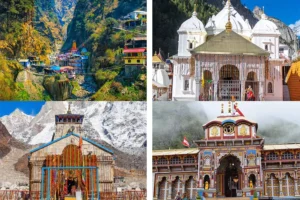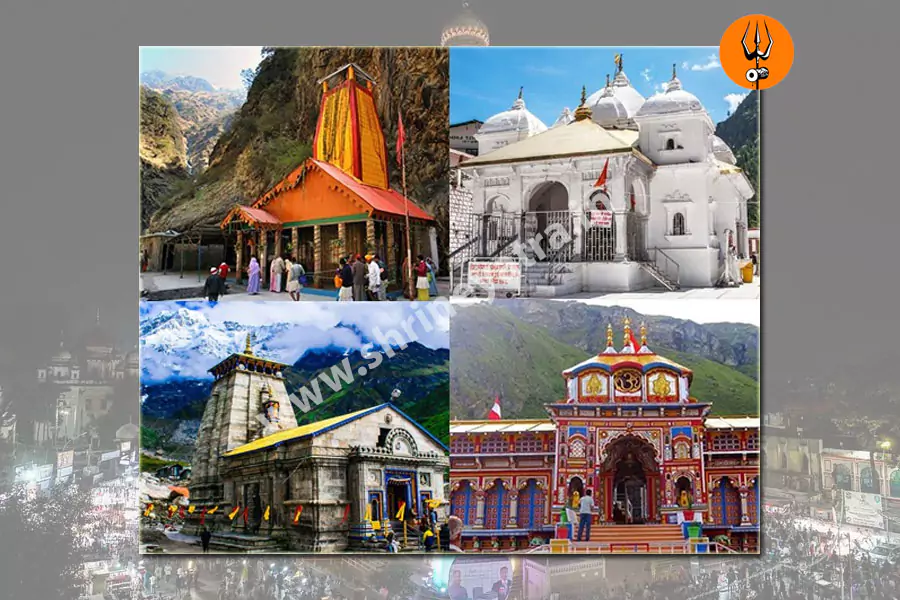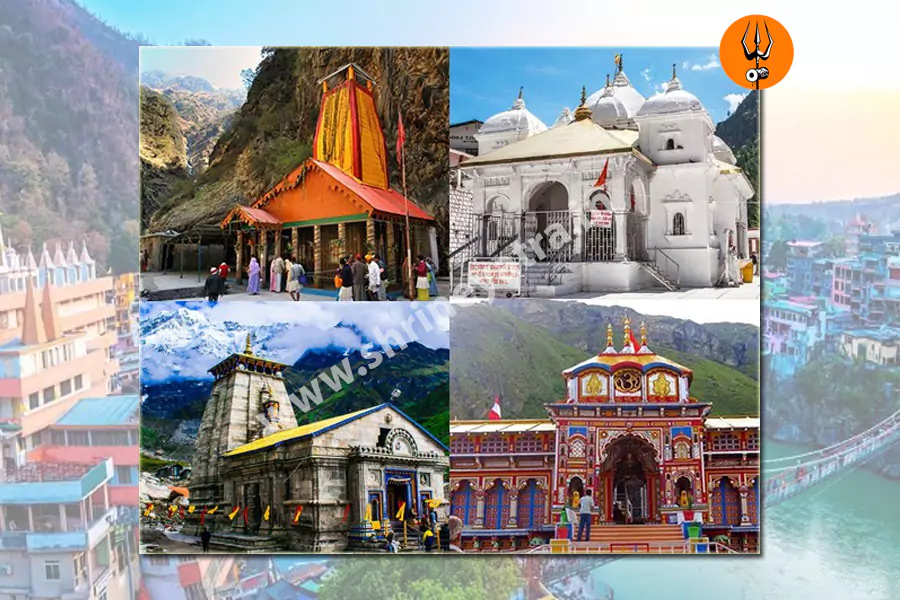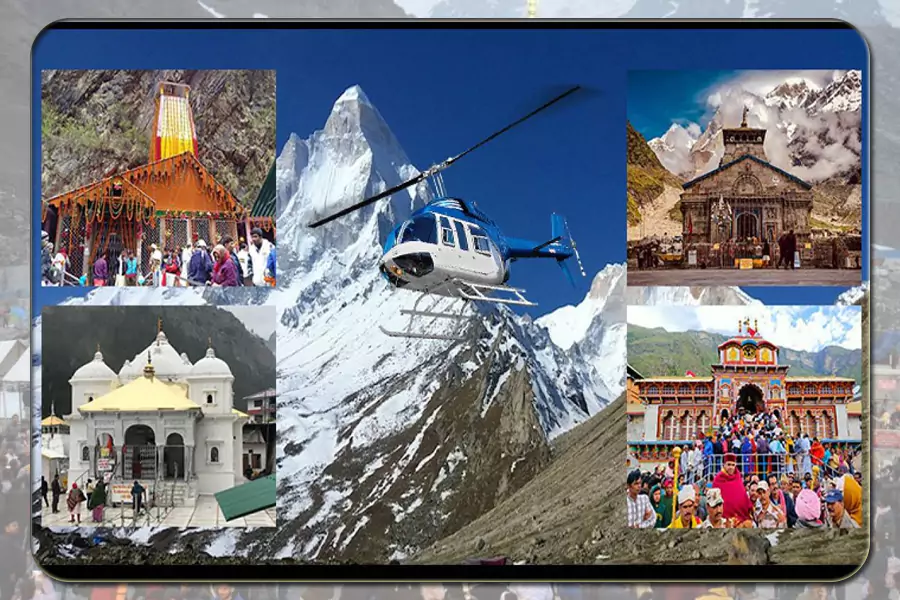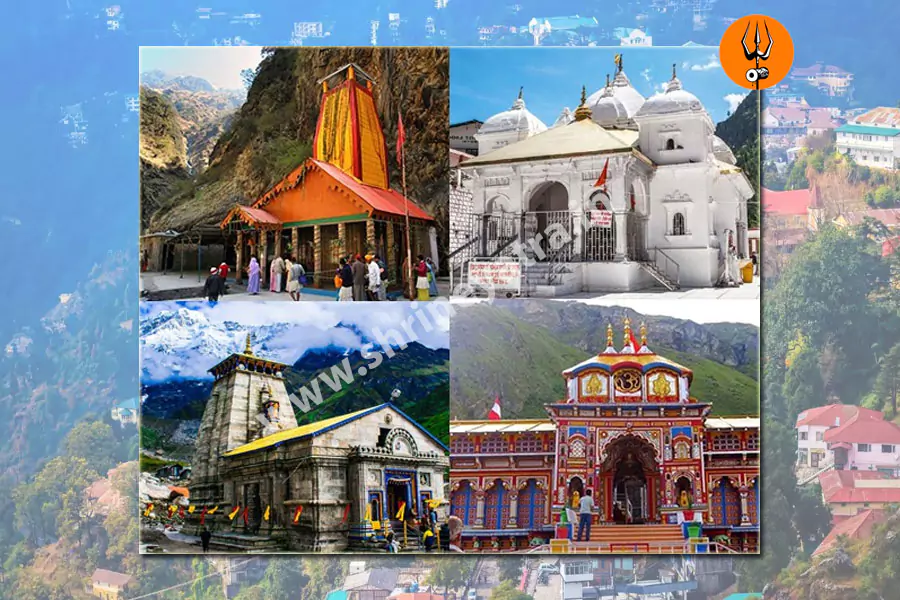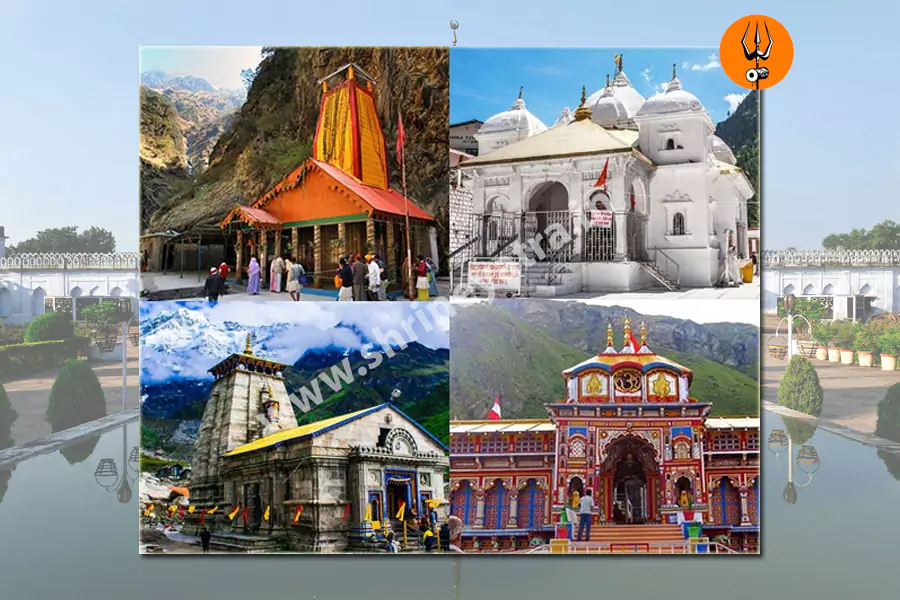

Where Should I Go First, Kedarnath or Badrinath?
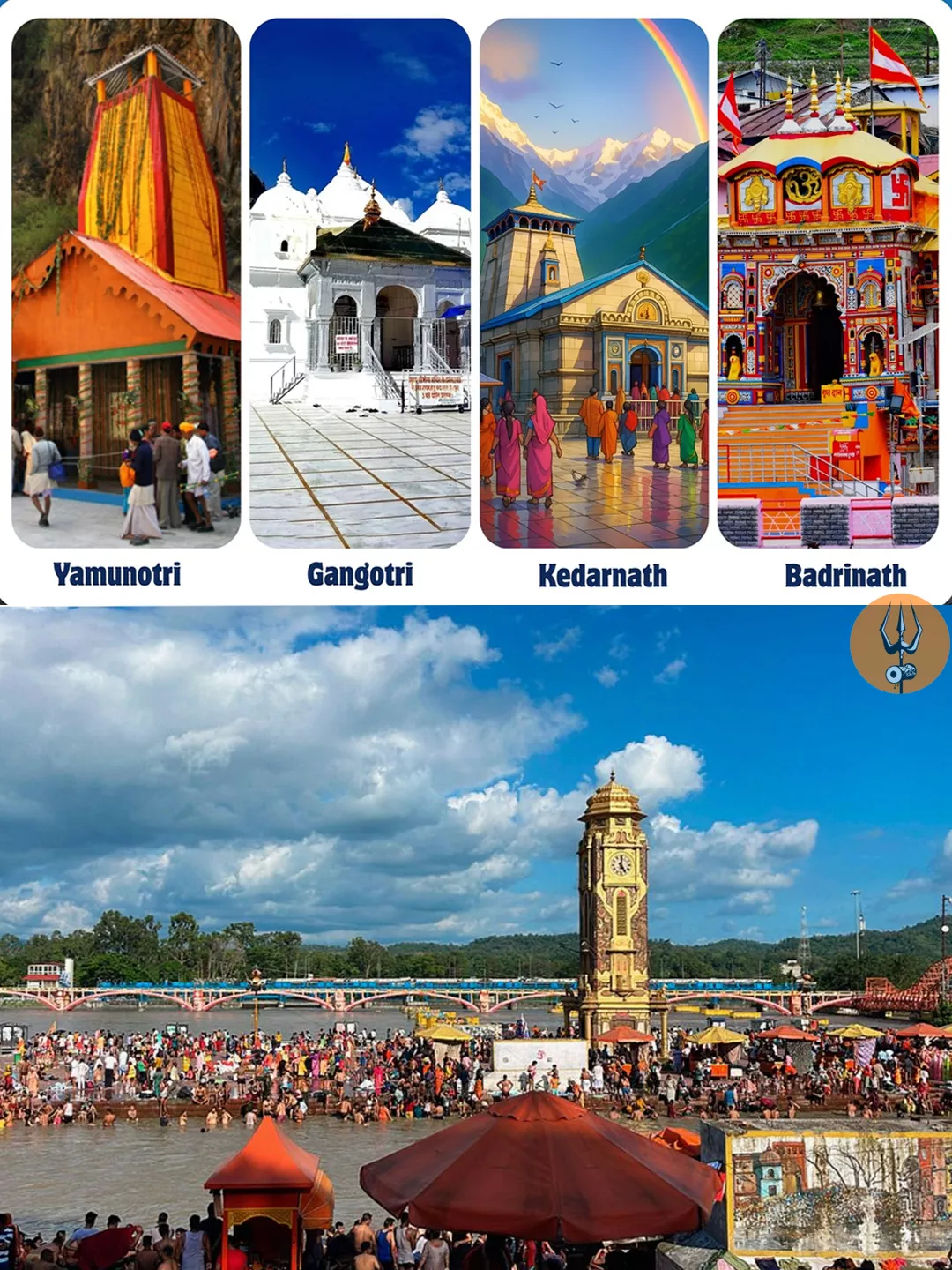
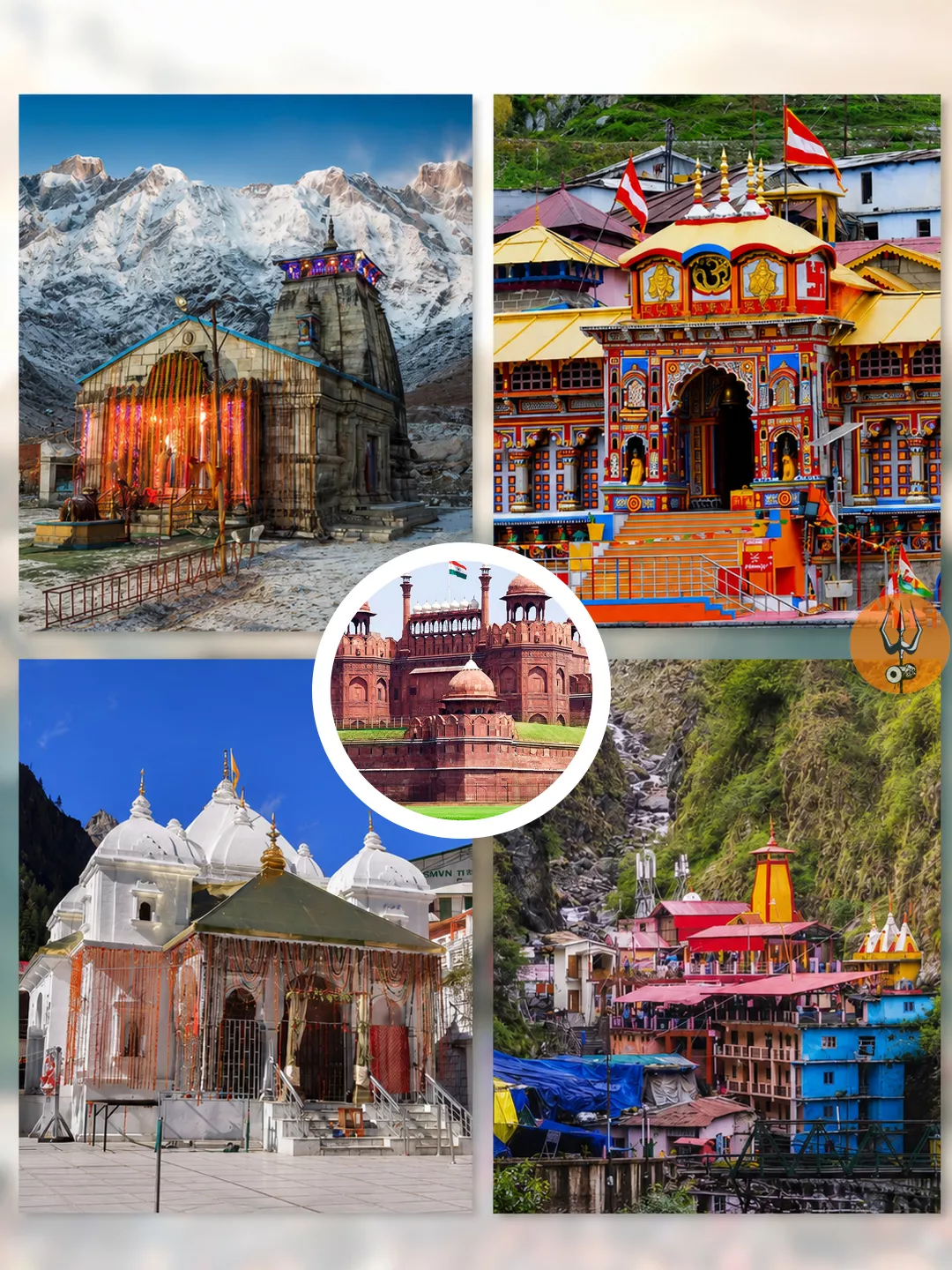
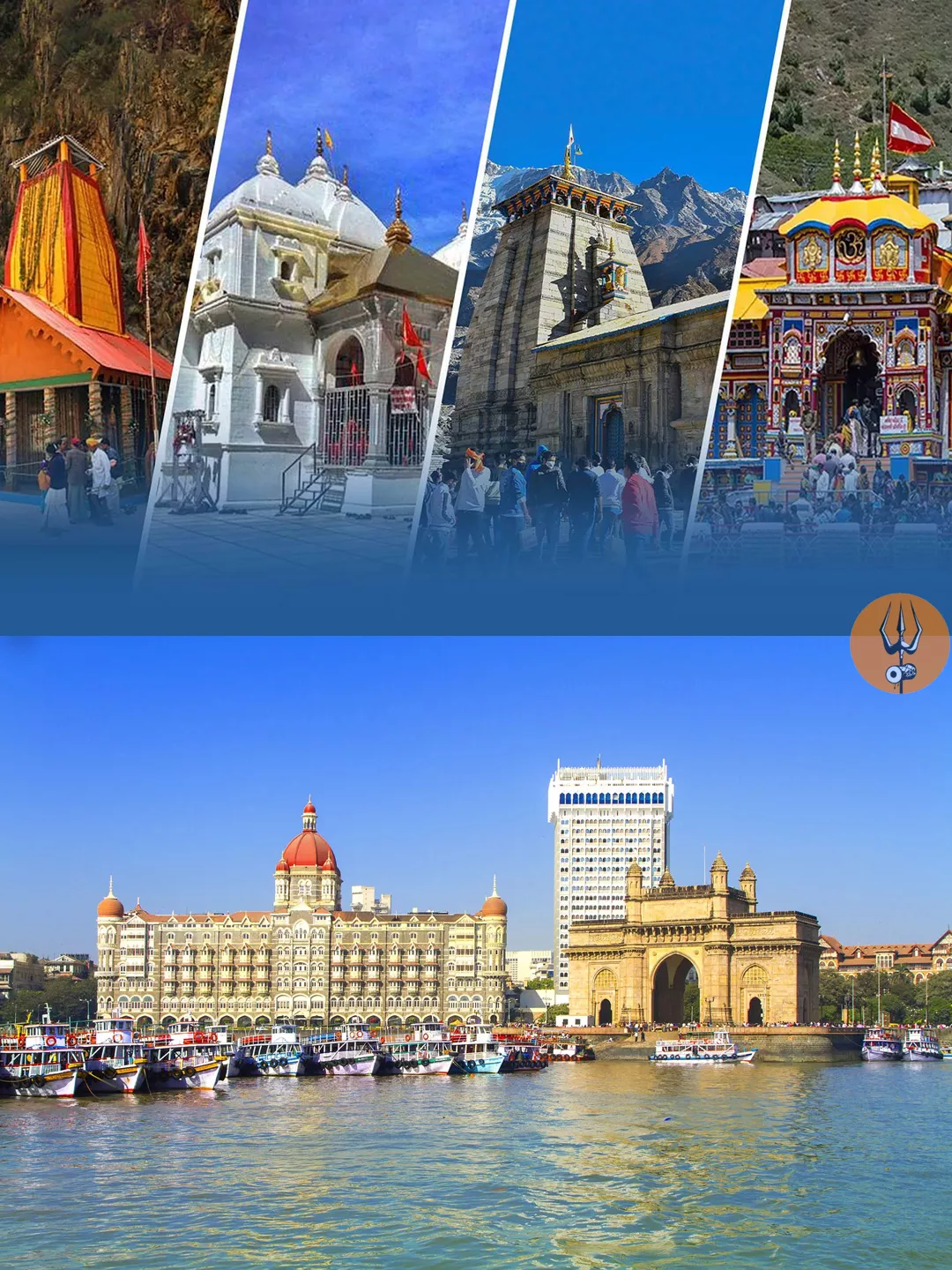
If you are planning a Kedarnath and Badrinath Yatra, the most practical order for many travelers is Kedarnath first and Badrinath second. This matches the usual order of these two shrines within the Uttarakhand Char Dham sequence, which proceeds from Yamunotri to Gangotri, Kedarnath and finally Badrinath. Uttarakhand Tourism describes this as the traditional clockwise Char Dham route.
However, Kedarnath first is not a mandatory rule for every Do Dham trip. Your starting point, travel dates, weather, route conditions, transport availability, physical ability and group composition can make Badrinath first a sensible choice. The important thing is to understand why the order works and when changing it makes sense.
Kedarnath or Badrinath First? The Short Answer
For a typical Kedarnath-Badrinath trip, Kedarnath first is usually the more logical choice, followed by Badrinath. It follows the traditional Char Dham direction and places the more physically demanding Kedarnath journey earlier in the trip. Kedarnath requires a trek from Gaurikund, while Badrinath has road access. Still, Badrinath first can make sense when your starting point, weather, route conditions or group needs favor that direction.
The Simple Recommendation
For most travelers:
Starting point → Kedarnath → Badrinath → return
For the full Char Dham Yatra:
Yamunotri → Gangotri → Kedarnath → Badrinath
This is the sequence described by Uttarakhand Tourism.
But there is an important distinction:
- Traditional Char Dham sequence: Yamunotri → Gangotri → Kedarnath → Badrinath
- Typical Do Dham practical sequence: Kedarnath → Badrinath
- Alternative: Badrinath → Kedarnath when circumstances make it more suitable
Why Does the Order of Kedarnath and Badrinath Matter?
At first glance, visiting two temples in either order may seem simple. In reality, the two journeys are quite different.
Kedarnath involves a high-altitude journey and a substantial walking section from Gaurikund. Uttarakhand Tourism currently describes the Kedarnath trek as a 16-km route from Gaurikund to the temple, with medium to steep sections.
Badrinath is different. The town has road access, making the physical demands of reaching the shrine different from those at Kedarnath. Uttarakhand’s official tourist registration portal lists the Badrinath route through places including Rudraprayag, Karnaprayag, Nandprayag and Joshimath.
The order therefore affects:
- Physical effort
- Rest and recovery
- Road travel
- Trek planning
- Accommodation
- Weather flexibility
- Transport arrangements
- Total itinerary flow
- How much buffer time you need
For a traveler who has limited time, these factors matter more than simply asking which temple is geographically closer.
Kedarnath First or Badrinath First: Detailed Comparison
| Factor | Kedarnath First | Badrinath First |
| Route practicality | Usually fits the traditional Do Dham direction | Can work when starting location or current conditions favor it |
| Physical effort | More demanding section comes earlier | Kedarnath trek comes later |
| Trek requirement | Kedarnath trek must be planned | Badrinath is accessible by road |
| Altitude | Kedarnath is at a higher elevation than Badrinath | Badrinath is also high altitude, around 3,100 m |
| Weather | Conditions can affect trek and helicopter operations | Rain and road conditions can affect the approach |
| Family suitability | Works if the family can manage the Kedarnath journey | May suit groups wanting to begin with road-access travel |
| Senior-citizen planning | Requires careful assessment of walking and altitude | Road access can make the first leg physically less demanding |
| Itinerary flexibility | Good when you want the trek earlier | Useful when current route conditions favor Badrinath |
| Best suited for | Typical Do Dham travelers and those following the Char Dham direction | Travelers whose dates, starting point or group needs favor the reverse order |
Badrinath is located at around 3,100 metres, while the Kedarnath journey involves reaching a higher-altitude shrine and a significant trek from Gaurikund.
The comparison does not mean that Badrinath is “easy” or that Kedarnath is always difficult for every traveler. Mountain conditions, fitness, weather and transportation can change the experience considerably.
Why Many Travelers Prefer Kedarnath First
There are two strong reasons to consider Kedarnath first: traditional sequence and physical planning.
1. It follows the usual Char Dham direction
Uttarakhand Tourism states that the Char Dham circuit traditionally proceeds:
Yamunotri → Gangotri → Kedarnath → Badrinath.
The state tourism department describes this as a clockwise pilgrimage sequence.
So, if you are completing only the Kedarnath-Badrinath portion, starting with Kedarnath naturally follows that broader direction.
2. The more physically demanding section comes earlier
Kedarnath requires the trek from Gaurikund. The current Uttarakhand Tourism page describes the route as 16 km and medium to steep.
That makes physical preparation important.
After completing Kedarnath, travelers can return toward the Mandakini valley and continue through the Rudraprayag side toward the Alaknanda valley and Badrinath.
The official Badrinath-Kedarnath Temple Committee lists a road route from Kedarnath to Badrinath through Gaurikund, Sonprayag, Guptkashi, Rudraprayag, Karnaprayag, Nandprayag, Joshimath and Badrinath. It also lists an alternative route via Ukhimath, Chopta, Gopeshwar and Chamoli.
This makes Kedarnath → Badrinath a logical sequence for many two-Dham itineraries.
When Badrinath First May Make More Sense
Kedarnath first is a useful default, but it should not become a rigid rule.
There are genuine situations where Badrinath first may be more practical.
Your Starting Point Favors Badrinath
If your transportation arrangements naturally bring you toward Joshimath and Badrinath first, changing the sequence may avoid unnecessary travel.
Current Route Conditions Favor Badrinath
Mountain routes are affected by weather, maintenance, traffic restrictions and other operational conditions.
If the current situation makes the Badrinath side more accessible, the itinerary should respond to the actual conditions rather than an assumed sequence.
Your Travel Dates Are Restrictive
If you have only a small travel window, temple availability, registration slots and transport schedules can influence the order.
The official Uttarakhand registration system allows travelers to create a tour by selecting their dates, number of travelers, Dhams and respective visit dates.
Your Group Has Different Physical Needs
A family traveling with children, older adults or people who cannot manage the Kedarnath trek may prefer to structure the journey differently.
The right solution may also be to arrange different transport or split the group’s activities rather than simply changing the temple order.
Accommodation Availability Affects Your Plan
During busy pilgrimage periods, your preferred accommodation may not be available in every location on your first-choice dates.
In such cases, a flexible sequence can be more practical than forcing a fixed itinerary.
Kedarnath vs Badrinath: Which Is More Difficult?
The two destinations present different types of travel difficulty.
Kedarnath
Kedarnath is more demanding primarily because of the walking requirement.
The official Uttarakhand Tourism information identifies the Gaurikund-Kedarnath route as a 16-km trek with medium to steep sections. Helicopter services are also available from designated locations, subject to operations and booking arrangements.
The journey can therefore involve:
- Long-distance walking
- Steep sections
- High altitude
- Cold weather
- Physical exertion
- Weather-dependent transport
Badrinath
Badrinath is also a high-altitude destination, around 3,100 metres above sea level, but its access is fundamentally different because the town is connected by road.
The challenges here are more closely associated with:
- Long mountain-road travel
- Altitude
- Cold conditions
- Rain and road disruptions
- Travel fatigue
So it is inaccurate to simply label Badrinath “easy” and Kedarnath “hard.”
A better description is: Kedarnath demands more physical walking, while Badrinath demands careful high-altitude road travel.
Which Should Senior Citizens Visit First?
For senior citizens, the question should not be answered only by tradition.
The first consideration should be physical capability, walking ability and medical suitability for high-altitude travel.
If a senior traveler is comfortable with the Kedarnath trek or has an appropriate alternative transport arrangement, Kedarnath first can work well.
If the traveler has limited walking ability, beginning with Badrinath may feel more manageable from an access perspective. But that does not remove the altitude consideration. Badrinath itself sits at around 3,100 metres.
Senior-Friendly Planning Tips
- Avoid an unnecessarily rushed itinerary.
- Include adequate rest.
- Keep buffer time for delays.
- Carry prescribed medicines.
- Prepare appropriate warm clothing.
- Do not assume that road access means low physical strain.
- Consider the altitude before finalizing the itinerary.
- Discuss high-altitude travel with a qualified doctor when there are existing medical concerns.
For an older traveler, the best order is the one that matches their physical capacity and the actual conditions during the travel dates.
Which Should Families With Children Visit First?
Families should consider more than the temple sequence.
With children, long road journeys can become tiring, while the Kedarnath walking section requires particular planning.
Kedarnath first may work well when:
- Children are old enough for the walking demands.
- The family has planned sufficient rest.
- Transport and accommodation are arranged in advance.
- The group can handle a flexible mountain itinerary.
Badrinath first may make sense when:
- The family wants to start with a road-accessible shrine.
- Current route conditions favor the Badrinath side.
- The family’s travel schedule makes the reverse sequence more convenient.
For families traveling with grandparents and children together, avoid building an itinerary around the fastest possible completion time.
A slightly longer plan with rest and buffer days can be much more practical.
Kedarnath to Badrinath Route
The Kedarnath to Badrinath route is one of the most important practical reasons many travelers choose Kedarnath first.
The official Badrinath-Kedarnath Temple Committee lists a route of approximately 247 km from Kedarnath to Badrinath through Gaurikund, Sonprayag, Guptkashi, Rudraprayag, Karnaprayag, Nandprayag, Chamoli, Pipalkoti, Joshimath and onward to Badrinath. It also lists an alternative route of approximately 229 km via Guptkashi, Ukhimath, Chopta, Gopeshwar and Chamoli.
The Uttarakhand Tourism registration portal currently gives the Kedarnath-to-Badrinath road route as approximately 230 km, with an estimated road travel time of about 9–10 hours. These figures should be treated as approximate because mountain travel time varies.
Typical Route Flow
Kedarnath → Gaurikund → Sonprayag → Guptkashi → Rudraprayag → Karnaprayag → Nandprayag → Joshimath → Badrinath
The key planning point is that travelers do not simply drive directly from one temple gate to the other.
You first descend from the Kedarnath side and then continue through the mountain road network toward the Badrinath side.
Should You Cover the Whole Transfer in One Day?
That depends on the actual road conditions, departure time and group.
After a Kedarnath trek, many travelers benefit from an overnight stop rather than trying to combine a long transfer with physical recovery.
The official Uttarakhand Tourism itinerary also illustrates the practical structure of returning from Kedarnath toward Rudraprayag before continuing through Joshimath to Badrinath.
Badrinath to Kedarnath Route
The reverse journey is also possible.
The official Uttarakhand registration portal lists:
Badrinath → Joshimath → Karnaprayag → Rudraprayag → Guptkashi → Sonprayag → Gaurikund → Kedarnath
It gives approximately 230 km by road plus the Kedarnath trek, with the road journey estimated at around 9–10 hours and the trek requiring additional time.
This sequence can work well when:
- You are already traveling toward Badrinath.
- Your starting point makes Badrinath more convenient.
- Your travel dates or registration availability favor Badrinath.
- Current route conditions make that side more practical.
- You specifically want to postpone the Kedarnath trek.
The major disadvantage for some travelers is that the physically demanding Kedarnath section comes after another major mountain journey.
That is why the reverse order should be a deliberate decision rather than an assumption that both directions are identical.
Sample Kedarnath and Badrinath Itinerary
There is no single itinerary that works for every traveler. Weather, road conditions, registration slots, transport and physical fitness can change the actual schedule.
4–5 Day Fast-Paced Plan
This is suitable only for physically fit travelers with limited time and favorable operating conditions.
- Day 1: Starting point → Guptkashi/Sitapur/Sonprayag area
- Day 2: Gaurikund → Kedarnath → overnight
- Day 3: Kedarnath → Gaurikund → onward toward Rudraprayag/nearby stay
- Day 4: Continue toward Badrinath → Badrinath darshan
- Day 5: Badrinath → return journey
This is a tight plan. Delays can easily affect the schedule.
6–8 Day Comfortable Plan
A more relaxed structure could look like:
- Day 1: Haridwar/Rishikesh → Guptkashi area
- Day 2: Guptkashi → Sonprayag/Gaurikund → Kedarnath
- Day 3: Kedarnath darshan and return
- Day 4: Rest/transfer toward Rudraprayag or another suitable overnight point
- Day 5: Continue to Badrinath
- Day 6: Badrinath darshan and local sightseeing
- Day 7: Return journey
- Day 8: Buffer/return depending on starting point
The additional flexibility is useful because mountain travel does not always follow a fixed timetable.
Family/Senior-Friendly Plan
For families with older adults, consider:
- One additional rest day
- Less driving on consecutive days
- Earlier starts where operationally appropriate
- A night near the Kedarnath base before the trek
- Recovery time after returning from Kedarnath
- A separate day for the Badrinath visit
- At least one contingency day
Do not choose a five-day itinerary simply because it is advertised as possible.
If You Are Doing the Full Char Dham Yatra
The question becomes easier if you are completing the full Char Dham Yatra.
The official Uttarakhand Tourism sequence is:
Yamunotri → Gangotri → Kedarnath → Badrinath
Uttarakhand Tourism explicitly describes Yamunotri as the traditional starting point and Badrinath as the final shrine in this sequence.
Therefore, in the full circuit:
Kedarnath comes before Badrinath.
But it is useful to distinguish three ideas:
Traditional Sequence
Yamunotri → Gangotri → Kedarnath → Badrinath.
Practical Do Dham Sequence
Kedarnath → Badrinath is a natural continuation of the traditional Char Dham direction.
Actual Travel Sequence
This can change because of:
- Starting location
- Weather
- Road conditions
- Transport availability
- Registration slots
- Accommodation
- Group requirements
So, Kedarnath first is the traditional and commonly practical choice, but it is not a universal rule that overrides real-world travel conditions.
Which Order Is Better Based on Your Starting City?
Your starting city can change the practical answer.
From Delhi
Delhi travelers commonly enter Uttarakhand through the Haridwar/Rishikesh side.
If you are planning a Do Dham trip from this direction, Kedarnath first followed by Badrinath creates a straightforward structure.
From Haridwar
Haridwar is a traditional gateway for the Char Dham circuit. The Shri Badrinath Kedarnath Temple Committee identifies Haridwar as a traditional starting point and notes its road and rail accessibility.
For a Do Dham trip, Kedarnath → Badrinath is therefore a logical option.
From Rishikesh
Rishikesh is another common gateway into the Garhwal region. The route to Badrinath runs through Devprayag, Rudraprayag, Karnaprayag and Joshimath, while the Kedarnath side branches through the Mandakini valley.
Again, Kedarnath first can work well, but the actual route should be checked for the travel dates.
From Dehradun
The decision is similar. Instead of choosing purely by geography, compare:
- Current road status
- Registration availability
- Accommodation
- Transport
- Weather
- Required return date
The shortest-looking route on a map is not necessarily the most practical mountain itinerary.
Does the Opening Date of Kedarnath or Badrinath Affect the Order?
Yes.
The temples are seasonal high-altitude shrines. Uttarakhand Tourism states that the Char Dham shrines generally remain closed for around six months during winter and open during spring before closing again as winter approaches.
The exact dates change each year.
For example, the official BKTC site publishes season-specific information and currently identifies the 2026 Yatra as in progress. It also directs travelers to the Uttarakhand registration portal before starting the Yatra.
Therefore, before deciding Kedarnath first or Badrinath first, verify:
- Both temples are open on your planned dates.
- Your desired Dham dates are available through the registration system.
- Current route conditions permit the journey.
- Transport services are operating.
- Any current restrictions are understood.
The official registration portal allows travelers to select their Dhams and respective visit dates when creating a tour.
What If Weather or Road Conditions Change Your Plan?
This is one of the most important parts of planning a Himalayan pilgrimage.
A route that works normally may become slower or temporarily disrupted after heavy rainfall, landslides or other local conditions.
The BKTC and Uttarakhand Tourism information specifically warns travelers to check route conditions during monsoon periods. The official Badrinath information, for example, advises travelers to check the Rishikesh-Badrinath route before starting during the monsoon.
Keep Your Itinerary Flexible
Before departure:
- Check the latest weather.
- Check route and road advisories.
- Verify temple status.
- Confirm registration.
- Keep accommodation flexible where possible.
- Avoid very tight return connections.
- Keep at least some buffer for delays.
- Follow local administration instructions.
If a route becomes temporarily unsuitable, changing the order may be the sensible decision.
A good pilgrimage itinerary should have room to adapt.
Kedarnath or Badrinath First: Final Recommendation
Choose Kedarnath first if:
- You are planning a typical Do Dham Yatra.
- You want to follow the traditional Char Dham direction.
- You prefer to complete the more physically demanding Kedarnath section earlier.
- Your route naturally takes you toward Guptkashi/Sonprayag first.
- Weather and road conditions support the plan.
Choose Badrinath first if:
- Your starting point makes Badrinath more convenient.
- Current road conditions favor the Badrinath side.
- Your available dates or registration slots work better in that direction.
- Your family needs to begin with the road-accessible shrine.
- You have a specific itinerary that makes Badrinath first more efficient.
The Simplest Answer
For most travelers, choose Kedarnath first and Badrinath second.
For the full Char Dham Yatra, this also matches the traditional sequence:
Yamunotri → Gangotri → Kedarnath → Badrinath.
But if your travel dates, route conditions, transport or group needs point toward Badrinath first, there is no need to force the conventional order at the expense of a sensible travel plan.
The best sequence is the one that respects the traditional route, the actual road conditions and the needs of the people traveling with you.
Frequently Asked Questions
Should I visit Kedarnath or Badrinath first?
For most Do Dham travelers, Kedarnath first followed by Badrinath is the more natural choice. It follows the traditional Char Dham direction and places the more physically demanding Kedarnath journey earlier. However, the order can change based on travel conditions and personal requirements.
Is Kedarnath before Badrinath a better route?
Generally, it is a practical route for a Do Dham trip. The official Char Dham sequence places Kedarnath before Badrinath, and the road network connects the Kedarnath side toward Badrinath through Rudraprayag and the Alaknanda valley.
Can I visit Badrinath before Kedarnath?
Yes. Badrinath first is possible. The official Uttarakhand portal provides a Badrinath-to-Kedarnath route through Joshimath, Karnaprayag, Rudraprayag, Guptkashi, Sonprayag and Gaurikund.
How many days are needed for Kedarnath and Badrinath?
A comfortable trip generally needs more time than a rushed itinerary. Around six to eight days can provide more flexibility from common gateways, but the actual duration depends on your starting point, transport, weather, walking pace and buffer requirements.
Is Kedarnath harder than Badrinath?
The two journeys are difficult in different ways. Kedarnath has a significant trek from Gaurikund, while Badrinath is reached by road but remains a high-altitude destination.
Which is better for senior citizens, Kedarnath or Badrinath?
There is no universal answer. Badrinath’s road access may be more suitable for someone with limited walking ability, but altitude still matters. A senior traveler planning Kedarnath should carefully consider the trek or available transport options and seek medical advice where appropriate.
Can I complete Kedarnath and Badrinath in one trip?
Yes. Kedarnath and Badrinath are commonly planned together as a Do Dham Yatra. The trip still requires careful planning because of the Kedarnath trek, high altitude and long mountain-road transfers.
What is the best route from Kedarnath to Badrinath?
The official BKTC lists a route through Gaurikund, Sonprayag, Guptkashi, Rudraprayag, Karnaprayag, Nandprayag, Joshimath and Badrinath, as well as an alternative through Ukhimath, Chopta, Gopeshwar and Chamoli.
What is the best time to visit Kedarnath and Badrinath?
The main pilgrimage season is during the warmer months, while monsoon conditions can affect travel. Uttarakhand Tourism states that the high-altitude Char Dham shrines generally open in spring and close before winter. Always verify the specific year’s dates and current weather before traveling.
Should I include Kedarnath and Badrinath in the same Char Dham itinerary?
If your time, fitness and travel plans allow it, yes. They naturally form part of the full Char Dham sequence after Yamunotri and Gangotri. A separate Do Dham trip is also an option for travelers who cannot complete the full circuit.
Can weather affect the Kedarnath-Badrinath route?
Yes. Rain, landslides, snowfall and other mountain conditions can affect road travel and transportation. Check current advisories rather than relying only on normal seasonal patterns.
What should I check before starting the journey?
Check temple opening dates, Yatra registration, weather, road conditions, accommodation, transportation and local advisories. The official Uttarakhand registration portal currently supports Dham selection and date-based Yatra registration.