How to Book a Guided Adi Kailash Yatra Trek Online

Adi Kailash Yatra Packages

Every year, thousands of devotees and adventure lovers plan a trip to Adi Kailash, one of the most sacred and beautiful destinations in the Himalayas. If you also dream of visiting this divine place, Shrine Yatra makes it easy for you. You can now book your guided Adi Kailash Yatra trek online from the comfort of your home. In this blog, we will walk you through each step in a simple and easy way so that even a 10-year-old can understand how to plan and book this holy trek.

What is Adi Kailash Yatra?

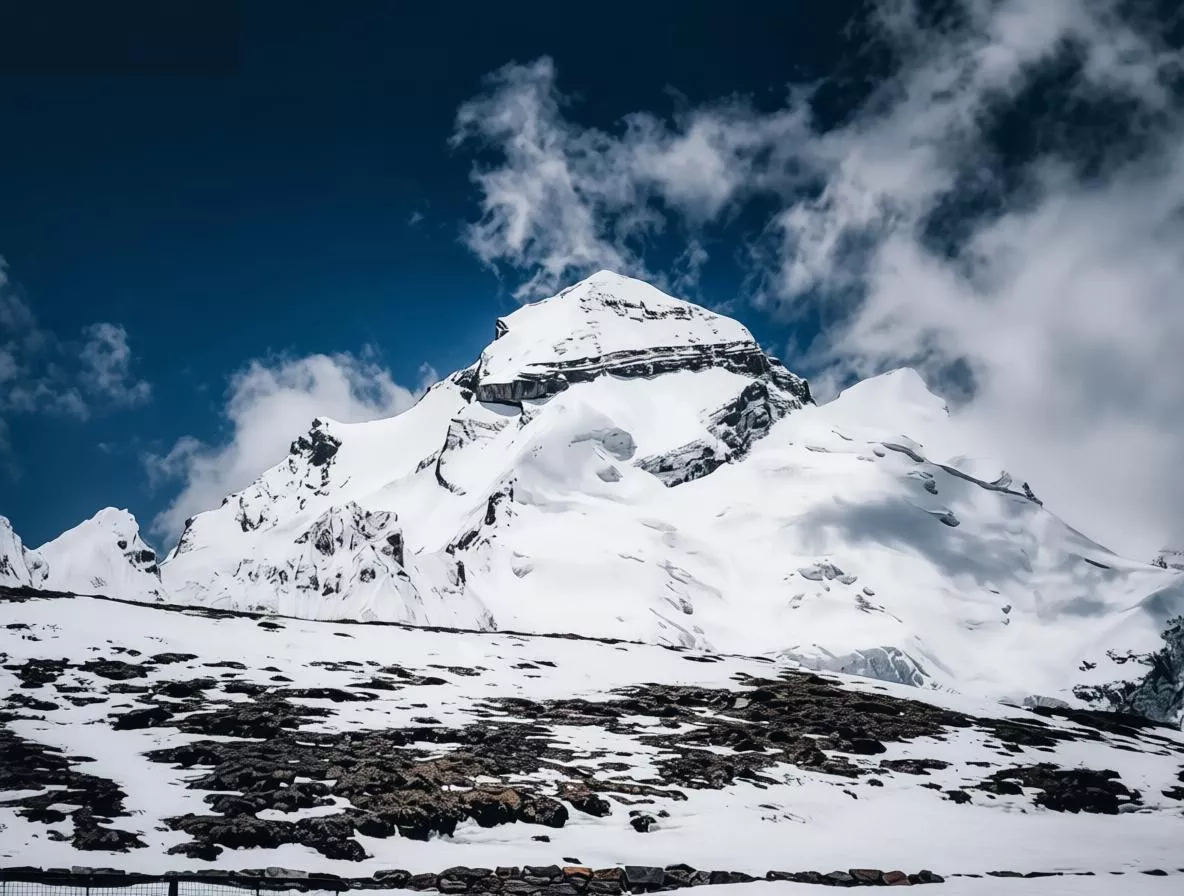
Adi Kailash is a stunning mountain peak located in the Pithoragarh district of Uttarakhand, India. People also call it Chota Kailash because it looks just like the famous Mount Kailash in Tibet. Many Hindus believe that Lord Shiva himself lives on this peak. The Adi Kailash Yatra takes you through green forests, crystal-clear rivers, high mountain passes, and ancient temples. It is a journey that fills your heart with peace, devotion, and excitement at the same time.

Why Choose Shrine Yatra for Your Adi Kailash Yatra Trek?

Shrine Yatra is one of the most trusted travel companies for religious treks in India. We take care of everything so you can focus only on your spiritual journey. Here is why so many pilgrims and trekkers choose us:

  • We provide expert local guides who know every path of the Adi Kailash trek.
  • We offer comfortable stays, healthy meals, and safe transportation throughout the yatra.
  • We handle all government permits and paperwork needed for the trek.
  • We design our tour packages keeping families, senior citizens, and first-time trekkers in mind.
  • Our online booking process is fast, simple, and secure.

Step-by-Step Guide to Book Adi Kailash Yatra Trek Online

Booking your Adi Kailash Yatra trek online with Shrine Yatra takes just a few minutes. Follow these simple steps below:

Step 1: Visit the Shrine Yatra Official Website

Open your phone, tablet, or computer and go to the official Shrine Yatra website. You will find a clean and easy-to-use homepage. Look for the search bar or the menu at the top of the page. Type “Adi Kailash Yatra” in the search bar or click on the Yatra or Treks section in the main menu. The website will show you all available packages for the Adi Kailash Yatra trek.

Step 2: Choose the Right Adi Kailash Tour Package

Shrine Yatra offers multiple Adi Kailash tour packages to match different budgets, group sizes, and travel dates. When you pick a package, check for the following things:

  • Number of days included in the trek
  • Starting and ending point of the journey
  • Type of accommodation (camps or guesthouses)
  • Meals included in the package
  • Price per person
  • Things to do and places to visit along the route

Take your time and compare two or three packages before you decide. Each package page clearly lists everything that is included and excluded so you face no surprises later.

Step 3: Check the Adi Kailash Yatra Trek Dates and Availability

The Adi Kailash Yatra trek runs during a specific season, usually from May to October. Once you select a package, check the calendar on the website to see which dates are available. Shrine Yatra updates its schedule regularly. You can pick a date that works best for your school holidays, family schedule, or personal plans. If you spot a date that suits you, act quickly because popular dates fill up fast.

Step 4: Fill in the Booking Form

Click the “Book Now” button on your chosen package page. A booking form will appear on the screen. Fill in all the required details carefully. You will need to provide:

  • Your full name
  • Your mobile number and email address
  • Number of people joining the trek
  • Preferred travel date
  • Any special requests or health conditions

Make sure you double-check every detail before you move to the next step. Correct information helps our team prepare the best experience for your group.

Step 5: Upload Required Documents for Adi Kailash Yatra Permit

The Adi Kailash Yatra falls in a restricted area near the India-China border. So, every trekker needs a special Inner Line Permit to visit this region. Shrine Yatra takes care of the permit process for you. You just need to upload a few documents on the website during booking. These usually include:

  • A valid government photo ID (Aadhar card, voter ID, or passport)
  • A recent passport-size photograph
  • A filled-in consent form (provided by Shrine Yatra)

Our team will review your documents and apply for the Adi Kailash Yatra permit on your behalf. This saves you a lot of time and confusion.

Step 6: Make the Online Payment

After filling in your details and uploading your documents, you will reach the payment page. Shrine Yatra offers multiple safe payment options including credit cards, debit cards, UPI, net banking, and popular wallets. You can also pay a small advance amount to confirm your booking and pay the rest before the trek begins. All transactions go through a secure payment gateway, so your money stays completely safe.

Step 7: Receive Your Booking Confirmation

Once you complete the payment, Shrine Yatra will send a booking confirmation directly to your email and mobile number. This confirmation includes your trip details, itinerary, meeting point, and contact information for your trek guide. Save this confirmation message carefully. You will need it on the day of your departure.

What to Expect on the Adi Kailash Yatra Trek

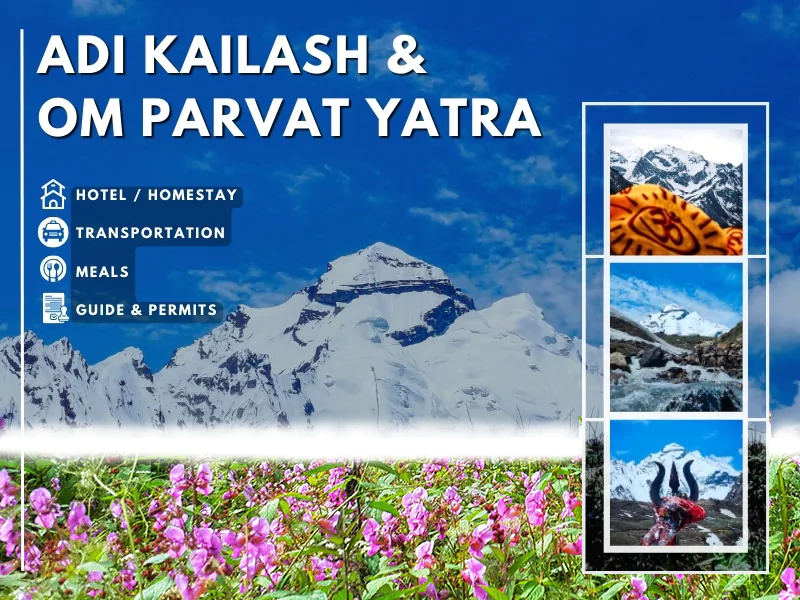
The Adi Kailash Yatra trek covers some of the most breathtaking landscapes in the entire Himalayan range. As you travel from Dharchula to Gunji and then towards the base camp of Adi Kailash, you will see snow-covered peaks, ancient temples, small Himalayan villages, and the stunning Om Parvat mountain — a peak that naturally shows the sacred symbol “Om” in snow. The entire experience fills trekkers with a deep sense of awe and devotion. Our expert guides share interesting stories about the mythology and history of each place you visit along the way.

Adi Kailash Yatra Trek Route and Highlights

The standard Adi Kailash Yatra route starts from Kathgodam or Dharchula, depending on the package you choose. Here are the major highlights of the trek:

  • Dharchula – The gateway town where your adventure truly begins
  • Tawaghat – A small village surrounded by tall mountains and dense trees
  • Narayan Ashram – A peaceful spiritual retreat deep in the forest
  • Gunji – The last major village before entering the restricted zone
  • Kalapani – A historical and sacred site near the Kali River
  • Adi Kailash Base Camp – Where you see the divine peak in all its glory
  • Om Parvat – The magical mountain with natural Om symbol in snow
  • Parvati Sarovar – A holy lake near the base of Adi Kailash

Important Tips Before You Book Adi Kailash Yatra Online

Before you hit the “Book Now” button, keep these helpful tips in mind:

  • Book your trek at least 30 to 45 days in advance because seats fill up quickly during peak season.
  • Check the weather forecast for the trekking dates to prepare the right clothing and gear.
  • Talk to your doctor if you have any health issues because the trek goes through high-altitude areas.
  • Read the full itinerary carefully so you know what is included in your package.
  • Contact the Shrine Yatra helpline if you have any questions before or after booking.

Adi Kailash Yatra Packing List

Shrine Yatra sends every traveler a detailed packing list after booking confirmation. But here is a quick idea of what you should carry on your Adi Kailash Yatra trek:

  • Warm woolen clothes and a waterproof jacket
  • Comfortable trekking shoes with a good grip
  • A small backpack for daily essentials
  • Sunscreen, sunglasses, and a hat for sun protection
  • A personal first aid kit with basic medicines
  • A water bottle and energy snacks
  • A valid photo ID (required at checkpoints)

Adi Kailash Yatra Cost and Budget

The Adi Kailash Yatra cost varies depending on the number of days, type of accommodation, and group size. Shrine Yatra offers packages to fit different budgets, starting from affordable shared group tours to premium private tours with luxury camping. All our packages include guide fees, permit charges, meals, and transportation within the trek route. We believe every devotee deserves a chance to experience this sacred yatra without worrying about hidden costs.

Frequently Asked Questions About Adi Kailash Yatra Trek Online Booking

Is it safe to book Adi Kailash Yatra online?

Yes, it is completely safe to book your Adi Kailash Yatra trek online through Shrine Yatra. We use a secure payment system and protect all your personal information. Thousands of happy pilgrims have already booked their yatra with us online without any issues.

Can children join the Adi Kailash Yatra trek?

Yes, children above the age of 10 can join the Adi Kailash Yatra with a parent or guardian. We recommend that younger children consult a doctor before the trek because of the high altitude. Our guides always keep a close eye on younger members of the group throughout the journey.

What is the best time to do the Adi Kailash Yatra?

The best time to go on the Adi Kailash Yatra trek is between May and June and then again in September and October. The weather stays pleasant, the roads remain open, and the mountain views look absolutely stunning during these months. Shrine Yatra runs regular departures during this entire season.

Can I cancel my booking if my plans change?

Yes, Shrine Yatra offers a flexible cancellation policy. If you need to cancel or reschedule your Adi Kailash Yatra booking, contact our team as early as possible. The refund amount depends on how many days before the trek you cancel. Full details appear on our website under the cancellation policy section.

Why Adi Kailash Yatra is a Once-in-a-Lifetime Experience

Not many places in the world offer the combination of spiritual energy, natural beauty, and adventure that the Adi Kailash Yatra provides. Standing at the base of this magnificent peak, gazing at the Om symbol on Om Parvat, and taking a holy dip in Parvati Sarovar — these are moments that stay with you forever. Whether you go as a devotee seeking blessings or as an explorer seeking adventure, this trek gives you something truly special in return. Shrine Yatra makes sure every trekker returns home with beautiful memories, a peaceful mind, and a heart full of gratitude.

Conclusion

Booking your guided Adi Kailash Yatra trek online with Shrine Yatra is simple, fast, and completely safe. Just visit our website, pick the right package, fill in your details, upload your documents, and complete the payment. Our experienced team handles everything else so that you can enjoy a smooth and stress-free journey to one of the most sacred places in the Himalayas. Do not wait too long — the mountains are calling, and Shrine Yatra is ready to take you there. Book your Adi Kailash Yatra today and begin the adventure of a lifetime!

Contact Shrine Yatra today and book your Adi Kailash Yatra trek online now!
Amarnath Yatra 2026 – Everything You Need to Know Before You Go

Amarnath Yatra 2026

Every year, thousands of devoted pilgrims walk through the snow-covered mountains of Kashmir to reach one of the most sacred shrines in India – the Amarnath Cave. The Amarnath Yatra 2026 gives devotees a wonderful chance to seek the blessings of Lord Shiva and witness the miracle of a naturally formed ice Shivalinga. This holy journey takes place high up in the Himalayan mountains at an altitude of about 12,756 feet. Whether you are a first-time visitor or a returning pilgrim, this guide covers everything you need to know about the Amarnath Yatra 2026 — from important dates and registration to routes, packing tips, and safety rules.

What is Amarnath Yatra?

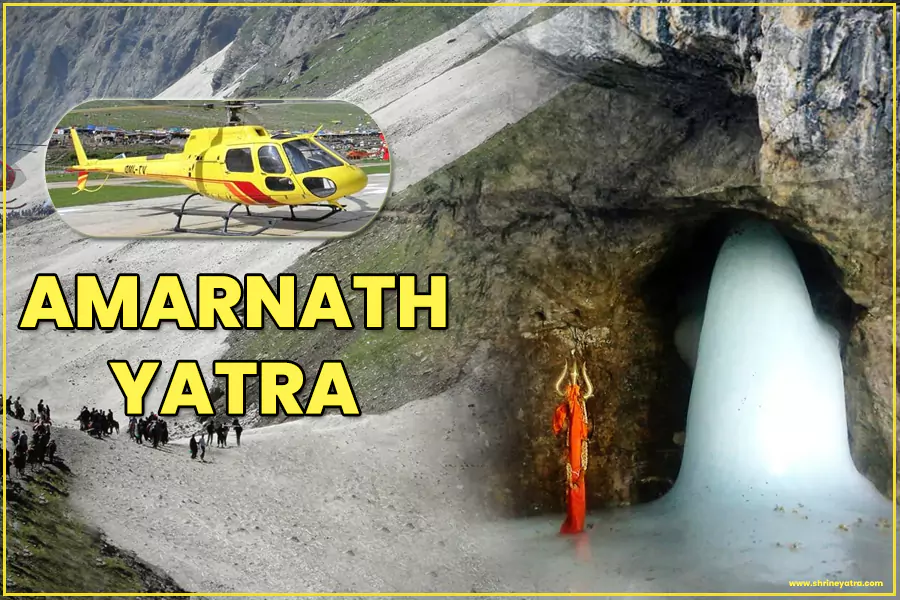
The Amarnath Yatra is a deeply spiritual pilgrimage that millions of Hindus undertake every year. Pilgrims travel to the Amarnath Cave, located in the Kashmir Himalayas, to see a naturally forming ice Shivalinga — an image of Lord Shiva made entirely of ice. This ice Shivalinga grows and shrinks with the phases of the moon, which makes it truly magical and divine.

Devotees believe that visiting this holy cave washes away all sins and brings great peace and blessings into their lives. The cave also holds a special place in Hindu mythology, as it is believed that Lord Shiva revealed the secret of immortality to Goddess Parvati at this very spot.

Amarnath Yatra 2026 Dates

The Amarnath Yatra 2026 is scheduled to begin on July 1, 2026, and conclude on August 28, 2026, coinciding with the auspicious festival of Raksha Bandhan. The Yatra begins on the auspicious day of Skanda Shashti as per the Hindu calendar and concludes on Shravan Purnima, which falls on Raksha Bandhan. The entire Yatra lasts approximately 45 to 47 days, giving pilgrims enough time to plan and complete their journey comfortably.

Here is a quick look at the important dates:

  • Yatra Start Date: July 1, 2026
  • Yatra End Date: August 28, 2026
  • Registration Start: April 14, 2026
  • Total Duration: Approx. 45–47 days

Amarnath Yatra 2026 Registration

Registration is the most important step before starting the Amarnath Yatra. Registration is mandatory and operates on a first-come, first-served basis. Without a valid registration permit, no pilgrim can enter the Yatra route. So pilgrims must complete their registration well in advance to secure their preferred travel date.

Who Can Register?

  • Persons with age below 13 years and above 70 years are not allowed
  • Pregnant women with more than 6 weeks of pregnancy are not allowed
  • All other healthy individuals between 13 and 70 years of age can apply for registration

Online Registration Process

Pilgrims can register from the comfort of their home by following these simple steps:

  • Visit the official website of the Shri Amarnathji Shrine Board (SASB) at jksasb.nic.in
  • Click on “Yatra Permit Registration” under Online Services
  • Read the guidelines carefully and agree to the terms
  • Fill in your full name, date of birth, gender, mobile number, email ID, and address
  • Upload your Compulsory Health Certificate (CHC), a valid photo ID, and a passport-size photograph
  • Select your preferred route — Pahalgam or Baltal — and choose your travel date
  • Pay the registration fee of approximately ₹220 using UPI, debit card, or net banking
  • Download your Yatra Registration Confirmation Slip

Offline Registration Process

For offline registration, you need to pay a fee of Rs.220 per person. You can make the offline registrations through Jammu & Kashmir Bank, Punjab National Bank, State Bank of India (SBI) and YES Bank at any of the branches across India.

Documents Required for Registration

Every pilgrim must carry these essential documents at the time of registration:

  • Compulsory Health Certificate (CHC) — issued by an SASB-authorized doctor or hospital
  • Valid Government Photo ID — Aadhaar card, passport, voter ID, or driving license
  • Passport-size Photographs — 2 to 4 recent photographs against a light background
  • Mobile Number — for OTP verification during online registration

Note: Read in the details about how to register for Amarnath?

What is a Compulsory Health Certificate (CHC)?

The Amarnath Cave sits at a very high altitude where the air is thin and the temperature drops very low. To make sure every pilgrim stays safe, the SASB makes it mandatory for all pilgrims to carry a Compulsory Health Certificate (CHC).

A CHC ensures a pilgrim is not suffering from a serious health condition which can be life-threatening at high altitudes. Your registration gets rejected if you don’t have a valid CHC.

The CHC can only be issued by SASB-authorised hospitals or medical institutions. One obtained from private clinics or family doctors is considered invalid. Pilgrims must visit the official SASB website to find the list of authorized hospitals in their state.

Daily Pilgrim Limit for Amarnath Yatra 2026

The Shri Amarnathji Shrine Board puts a limit on the number of pilgrims allowed each day to ensure safety and avoid overcrowding on the mountain trails. 7,500 pilgrims would be allowed to register for Shri Amarnath Yatra 2026 per day per route. This means the Pahalgam-Chandanwari Track and the Sonamarg-Baltal Track would each be allowed to have 7,500 registrations for pilgrims each day. This limit is separate from those who travel by helicopter.

Routes to Amarnath Cave

Two main routes lead devotees to the holy Amarnath Cave. Pilgrims can choose either route based on their fitness level and personal preference.

1. Pahalgam Route (Traditional Route)

The Pahalgam route is the longer and more traditional path to the Amarnath Cave. While longer, it offers a gentler and more scenic walk. Pilgrims pass through beautiful meadows, sparkling rivers, and snow-covered landscapes. This route passes through Chandanwari base camp, the stunning Sheshnag Lake, and the Panchtarni camp before reaching the cave. Most first-time pilgrims and senior citizens prefer this route.

2. Baltal Route (Shorter Route)

The Baltal route covers about 14 km and takes pilgrims directly to the cave in a shorter time. However, the path is steep and physically challenging. The trek is not just about religion — it’s an adventure filled with breathtaking landscapes, spiritual vibes, and a once-in-a-lifetime kind of experience. Young and physically fit pilgrims usually prefer the Baltal route.

Helicopter Services

Pilgrims who find trekking difficult can also book a helicopter service from both the Pahalgam and Baltal routes. The helicopter takes pilgrims to Panjtarni, which is close to the cave, saving time and physical effort. However, helicopter tickets must be booked separately through the official SASB portal or authorized operators.

RFID Card — Your Travel Identity

Every registered pilgrim receives an RFID (Radio Frequency Identification) Card at the start of the Yatra. Pilgrims must complete registration through the Shri Amarnathji Shrine Board portal and obtain an RFID Card, which serves both as ID and tracking device. This card helps authorities track each pilgrim’s location and respond quickly in case of any emergency.

What to Pack for Amarnath Yatra 2026

Packing the right things makes a huge difference on this high-altitude journey. Here is a simple packing checklist for pilgrims:

Clothing and Gear:

  • Thick woolen clothes and thermal inners
  • Waterproof rain jacket or poncho
  • Strong, comfortable trekking shoes with a good grip
  • Warm socks, gloves, and a woolen cap
  • Sunglasses to protect eyes from snow glare

Food and Health Supplies:

  • Light snacks like dry fruits, energy bars, and biscuits
  • A water bottle (drink at least 5 liters of fluids per day)
  • A basic first-aid kit with medicines for altitude sickness, fever, and pain
  • Walking stick or trekking pole for support

Important Documents:

  • Yatra registration permit
  • RFID card
  • Original government photo ID
  • Compulsory Health Certificate (CHC)

Food Rules During Amarnath Yatra 2026

The SASB has set strict food guidelines to keep pilgrims healthy during the Yatra. Pilgrims are encouraged to eat light, sattvik (pure vegetarian) meals that are easy to digest and suitable for high-altitude exertion. The Yatra routes have many free food stalls called Langars run by volunteers and religious organizations. These langars serve hot vegetarian meals to all pilgrims free of cost.

Non-vegetarian food, alcohol, and tobacco products are completely banned on the Yatra routes. Pilgrims must respect these rules to maintain the sanctity of the pilgrimage.

Health and Safety Tips for Amarnath Yatra 2026

The mountains of Kashmir are beautiful, but they also demand respect and careful preparation. Here are some important health and safety tips every pilgrim must follow:

Before the Yatra:

  • Start a preparatory morning/evening walk, about 4–5 km per day, at least a month prior to the Yatra
  • Practice deep breathing exercises and yoga, especially pranayama, to improve your body’s oxygen efficiency
  • Get a full medical check-up and obtain your CHC from an authorized doctor

During the Yatra:

  • Drink lots of water to combat dehydration and headaches — about 5 litres of fluid per day
  • Consume plenty of carbohydrates to reduce fatigue and maintain energy levels
  • Walk slowly and take regular rest breaks to let your body adjust to the high altitude
  • Never walk alone — always stay with your group
  • Descend immediately to a lower elevation if you start having altitude illness symptoms
  • In case of any signs of High Altitude Sickness or any other discomfort, immediately contact the nearest medical facility located at every 2 km

Things to Avoid:

  • Don’t drink alcohol, caffeinated drinks, or smoke
  • Do not use plastic bags — plastic use is strictly banned in the region and is punishable by law
  • Do not ignore warning signs from your body. Rest when needed
  • Do not register through unauthorized agents

How to Reach the Base Camps?

Most pilgrims start their Amarnath Yatra journey from Jammu, which is the main gateway city.

From Jammu to Pahalgam: Pilgrims travel by road from Jammu to Pahalgam, which takes approximately 5 to 6 hours. From Pahalgam, the trek to the cave begins.

From Jammu to Baltal (via Srinagar): Pilgrims travel from Jammu to Srinagar and then onwards to Sonamarg and Baltal by road. From Baltal, the shorter but steeper trek begins.

Trains and flights connect many major cities in India to Jammu. Pilgrims traveling from Delhi, Mumbai, or other big cities can book trains to Jammu Tawi railway station and then travel by road to the base camp.

Note: Read in the details about how to reach Amarnath Cave?

Types of Registration Available

The SASB offers three types of registration to serve pilgrims with different needs:

Individual Registration: This registration is meant for solo travelers or groups of fewer than 10 people. Each person must submit their own documents and health certificate.

Group Registration: Groups of 10 or more people can register together under group registration. This makes the process easier for large families and organized pilgrimage groups.

NRI Registration: Non-Resident Indians who plan to travel from abroad to attend the Amarnath Yatra can register under this special category with their valid foreign travel documents.

Spiritual Significance of Amarnath Yatra

The Amarnath Yatra holds a very special place in Hindu religion and culture. The legend of Amarnath recounts Lord Shiva revealing cosmic secrets in the cave. Pilgrims chant “Bam Bam Bhole” in devotion.

The ice Shivalinga inside the cave forms completely naturally without any human effort. It grows larger during the waxing phase of the moon and shrinks during the waning phase. The Holy Cave Shrine of Shri Amarnathji has the devout flock in the month of Shravan (July–August), where the image of Lord Shiva in the form of a Lingam is formed naturally of ice as a stalagmite, and which waxes and wanes with the moon.

Many pilgrims say that the moment they see the ice Shivalinga, they feel an overwhelming sense of peace and spiritual connection. The journey itself — through rivers, meadows, and mountains — feels like a moving prayer.

Important Tips for First-Time Pilgrims

If you plan to attend the Amarnath Yatra 2026 for the first time, keep these tips in mind:

  • Register early — slots fill up very fast, especially for popular dates in early July when the ice Shivalinga is at its largest
  • Choose the Pahalgam route if you are a senior citizen, first-timer, or someone who wants a gentle and scenic trek
  • Train your body at least one month before the Yatra by walking 4–5 km every day
  • Carry warm clothes even if the weather seems mild — mountain temperatures drop very sharply at night and during rain
  • Respect the rules set by the SASB regarding food, plastic use, and safety protocols
  • Book travel and accommodation early as hotels and transport fill up quickly during the Yatra season
  • Download the official SASB app to get real-time updates, weather alerts, and emergency contact information

Note: Do’s and Don’ts for Amarnath Yatra 2026: Complete Guide

Frequently Asked Questions (FAQs) About Amarnath Yatra 2026

Q: When does the Amarnath Yatra 2026 start and end?

A: The Amarnath Yatra 2026 starts on July 1, 2026, and ends on August 28, 2026.

Q: When does registration open for Amarnath Yatra 2026?

A: Registration opens on April 14, 2026, and closes based on slot availability.

Q: What is the age limit for Amarnath Yatra 2026?

A: Only pilgrims between 13 years and 70 years of age can participate.

Q: Can pregnant women attend the Amarnath Yatra?

A: No, pregnant women — especially those with more than 6 weeks of pregnancy — cannot attend the Yatra.

Q: How much does registration cost?

A: The registration fee is approximately ₹220 per person.

Q: How many pilgrims can register per day?

A: 7,500 pilgrims can register per day per route (Pahalgam and Baltal routes separately), excluding helicopter travelers.

Q: Is helicopter service available for Amarnath Yatra 2026?

A: Yes, helicopter services operate from both Pahalgam and Baltal routes to Panjtarni, near the cave.

Q: What is an RFID card?

A: The RFID card is a tracking card issued to every registered pilgrim. It helps authorities locate pilgrims and ensure their safety during the Yatra.

Q: Which route is better — Pahalgam or Baltal?

A: The Pahalgam route is longer but gentler and more scenic, suitable for first-timers and senior citizens. The Baltal route is shorter but steeper, better suited for physically fit individuals.

Q: Can I visit Amarnath Cave after July 20?

A: While the cave remains open until August 28, the ice Shivalinga is fully formed and at its best in early July. After July 20, the lingam begins to melt and may not be fully visible.

Conclusion

The Amarnath Yatra 2026 stands as one of the most magnificent and spiritually fulfilling journeys a person can take in their lifetime. From the snow-draped peaks of Kashmir to the divine glow of the ice Shivalinga inside the sacred cave, every step of this pilgrimage fills the heart with devotion and wonder. The SASB works hard every year to make this journey safe, organized, and accessible for lakhs of pilgrims from across India and the world.

If you plan to join the Amarnath Yatra 2026, start your preparations today. Get your health check-up done, gather your documents, and register early through the official SASB website before slots fill up. Walk with faith, follow all safety guidelines, take care of your health, and respect the sacred mountain environment. The blessings of Lord Shiva await every devoted pilgrim who takes this incredible journey with an open heart and pure soul.

Note: All dates mentioned above are tentative and subject to official confirmation by the Shri Amarnathji Shrine Board (SASB). Pilgrims must check the official SASB website at jksasb.nic.in for the latest and most accurate information before making any travel plans.

How to Reach Amarnath Cave with Route Map?

how to reach Amarnath

Reaching Amarnath Cave teaches you something important right away. The mountains test your body and your patience before they show you their beauty. Many people look at the map and think the journey looks simple. But the moment you start walking, the real adventure begins.

Two official routes take pilgrims to the holy cave. One starts from Pahalgam. The other starts from Baltal.

Both paths lead you to the same sacred cave, but they feel nothing alike. One route moves slowly and gives your body time to settle. The other finishes faster but pushes your strength hard. Pick your route based on how strong your body feels, not how quickly you want to finish.

Baltal Route – Short, Steep, and Physically Demanding

Baltal → Domali → Barari → Sangam → Holy Cave

This route covers about 14 km one way. That number sounds easy at first. But every step on this path quickly reminds you that short does not mean simple.

The slope stays steep almost the whole way. Your legs feel heavy early. Your breathing speeds up faster than you expect. Even strong walkers stop to rest many times along the way.

Distance breakup:

  • Baltal to Domali – around 2 km
  • Domali to Barari – around 6 km
  • Barari to Sangam – around 4 km
  • Sangam to Cave – around 2 km

Authorities do not allow pony rides on this route because the steep path makes it unsafe for animals. So every pilgrim either walks the full distance or takes a dandi (palanquin). This makes the journey much more demanding compared to the other route.

Most pilgrims finish the round trip in one or two days. But those days mean long hours of walking, very little rest, and seriously tired legs by the time evening comes.

People make a big mistake when they think this route feels easy. The cold wind, thin mountain air, and sharp slope work together and drain your energy much sooner than you plan.

This route suits:

  • Young pilgrims
  • Physically fit travelers
  • People used to trekking

It does not suit:

  • Senior citizens
  • Heart or breathing patients
  • Knee or back pain sufferers
  • First-time trekkers

Many experienced pilgrims use a smart plan. They walk up through Pahalgam and walk down through Baltal. Coming downhill on this steep slope feels far easier than climbing up it.

Pahalgam Route – Longer, Slower, and Easier on the Body

Pahalgam → Chandanwari → Sheshnag → Panchtarni → Cave

Pilgrims have walked this trail for generations. It stretches longer than the Baltal path, but it treats your body with far more kindness.

First, you ride 16 km by road from Pahalgam to Chandanwari. The trekking begins at Chandanwari.

  • Chandanwari to Sheshnag – about 13 km
  • Sheshnag to Panchtarni – about 4.6 km
  • Panchtarni to Cave – about 6 km

Most pilgrims walk between 36 and 48 km total and spread the journey over 3 to 5 days.

This route feels gentler mostly because of the steady, slow climb. But the support system along the path also helps a lot. Medical camps sit at regular spots. Food stalls keep you fueled. Resting points let you pause. Pony services carry those who need extra help. Wide walking tracks give everyone enough space to move comfortably.

The gradual climb gives your lungs and body time to get used to the high altitude. That adjustment lowers exhaustion and reduces the chance of altitude sickness.

Even with all this support, the journey still challenges you. Long hours of walking, sudden rain, freezing nights, and busy crowds remain part of every pilgrim’s experience on this path.

This route works well for:

  • First-time pilgrims
  • Senior citizens
  • Families
  • People who prefer steady pacing

For most pilgrims, this route offers the safer and more comfortable way to reach the cave.

How to Reach Amarnath – Practical Travel Reality

No transport drops you directly at the cave. Every pilgrim first travels to Jammu or Srinagar by their chosen mode. Then road travel takes them to Pahalgam or Baltal. After that, the trek or helicopter ride completes the journey.

Distance from Delhi: roughly 638 km

By Air – Most Comfortable Option

Srinagar Airport serves as the closest airport to the yatra base camps.

From Srinagar:

  • Pahalgam sits about 95 km away
  • Baltal sits about 71 km away

Flying saves a huge amount of time and keeps your body fresh before the trek starts. Elderly travelers and families benefit the most from choosing this option.

By Train – Budget Friendly, Time Heavy

Jammu Tawi Railway Station works as the nearest railhead.

After reaching Jammu, you continue the rest of the journey by road. Trains cost less, but the combined train and road journey eats up a lot of time and energy. By the time many people reach the base camp, they already feel tired before the trekking even starts.

By Road – Flexible but Exhausting

Buses and taxis run from Delhi and many other cities directly toward Jammu and Srinagar. Road travel can take anywhere from 12 to 30 hours depending on how far you start and what the roads feel like that day.

Long road journeys drain your body significantly. Many pilgrims arrive at the base camp already feeling worn out, which makes the trek ahead even harder.

Coming from Other Major Cities

  • Kolkata → Amarnath: around 1804 km
  • Mumbai → Amarnath: around 1714 km
  • Hyderabad → Amarnath: around 1896 km

Pilgrims traveling from these cities follow the smartest path when they combine options:

Flight or train → Srinagar or Jammu → road → base camp → trek

This approach saves your energy for the trek instead of spending it all on travel.

Things People Rarely Plan For (But Should)

  • Sudden rain or snowfall
  • Strong cold winds
  • Slippery tracks
  • Long waiting queues
  • Night discomfort at camps
  • Breathlessness due to altitude

Every single thing on this list happens regularly on the mountain. None of it surprises experienced pilgrims. Planning for these situations ahead of time makes the whole yatra smoother and safer.

Before you pack your bag, read our complete Do’s and Don’ts for Amarnath Yatra 2027: Complete Guide to make sure you stay safe and prepared on every step of the journey.

Who Should Pause and Reconsider

  • People with serious heart problems
  • Chronic respiratory illness
  • Severe joint issues
  • Recent surgery patients
  • Very young children

Every person in this group must visit a doctor and get a full medical check before deciding to go. The mountain demands a lot from your body, and knowing your limits protects you.

Simple Ground-Level Advice

  • Walk slowly
  • Drink water even if you do not feel thirsty
  • Rest when your body asks for it
  • Start early every morning
  • Avoid heavy food during trekking
  • Carry only the essentials in your bag

These six habits separate pilgrims who enjoy the journey from those who struggle through it.

Common Questions Pilgrims Actually Ask

1. Which route is better for first-time pilgrims – Baltal or Pahalgam?

Pahalgam works better for first-timers. The slope rises slowly, and your body gets enough time to adjust to the altitude without feeling overwhelmed.

2. How fit do I need to be for the yatra?

If you walk 6 to 8 km comfortably on flat ground, you can handle the yatra. Walking regularly in the weeks before you leave helps your body prepare.

3. Do people face breathing problems during the trek?

Yes, some pilgrims feel breathless, especially at the higher sections of the route. Walking slowly and resting often takes care of most breathing difficulties.

4. Is the Baltal route risky?

The route itself stays safe, but the steep and tiring climb makes it very hard. Only fit and experienced walkers should attempt this path.

5. Can senior citizens do this yatra?

Yes, senior citizens can complete the yatra through the Pahalgam route or by helicopter. Medical clearance from a doctor remains essential before they begin.

6. How many days should I keep for the full journey?

Set aside 4 to 7 days. That time covers travel to the base camp, the trek itself, the darshan, and the return journey comfortably.

7. Is weather a serious issue?

Weather changes fast on the mountain. Rain, cold winds, and sudden temperature drops happen without warning. Keep extra days free in your plan so weather delays do not ruin your schedule.

8. Are medical facilities available on the route?

Government medical camps operate at regular points along both routes. Trained staff stay ready to help pilgrims who feel unwell during the trek.

9. Is network connectivity available during the trek?

Mobile signals disappear quickly once you move beyond the base camps. Download offline maps and inform your family about your daily plan before you lose signal.

10. Should I choose helicopter or trekking?

Choose the helicopter if your health creates concerns or your time runs short. Choose trekking if your body feels strong and you want to experience the full spiritual journey.

Final Advice

Amarnath Yatra fills your heart with devotion, but it also demands real strength from your body. The mountains follow their own rules. They do not slow down or soften themselves for anyone. You have to adjust yourself to match them.

Move slowly, pay attention to what your body tells you, and pick the route that honestly matches your fitness level. When you do that, the journey stops feeling like a test and starts feeling like a true pilgrimage.

For most pilgrims, the gradual and steady Pahalgam route brings far more joy and safety than rushing through the steep and punishing Baltal path.

Check out: How to Register for Amarnath Yatra 2027

Chardham Yatra: पहली बार केदारनाथ व बदरीनाथ धाम में लगेगी एटीसी प्रणाली, पल-पल मिलेगी मौसम की जानकारी

Do Dham Yatra by Helicopter Tour Package

Chardham Yatra 2026: सरकार ने इस साल चारधाम यात्रा को पहले से ज्यादा सुरक्षित और आसान बनाने का फैसला किया है। केदारनाथ, बदरीनाथ, गंगोत्री और हेमकुंड साहिब जैसे पवित्र धाम ऊंचे पहाड़ों पर बसे हैं। इन जगहों पर मौसम बहुत तेजी से बदलता है। कभी धूप तो कभी बारिश और कभी घना कोहरा छा जाता है। ऐसे में हेलिकॉप्टर उड़ाना बहुत मुश्किल और खतरनाक हो जाता है।

ATC प्रणाली से मिलेगी हर पल की मौसम जानकारी

इस बार यूकाडा यानी उत्तराखंड नागरिक उड्डयन विकास प्राधिकरण ने एक बड़ा कदम उठाया है। पहली बार केदारनाथ और बदरीनाथ धाम में हवाई यातायात नियंत्रण यानी एटीसी प्रणाली लगाई जाएगी। यह सिस्टम हर मिनट मौसम की जानकारी देगा। इससे हेलिकॉप्टर पायलटों को पता चलेगा कि आसमान में उड़ना सुरक्षित है या नहीं। अगर मौसम खराब होगा तो हेलिकॉप्टरों को उड़ान की अनुमति नहीं दी जाएगी।

पिछले साल हुए हादसों के बाद उठाया बड़ा कदम

केदारनाथ और बदरीनाथ धाम उच्च हिमालयी क्षेत्र में होने से यहां पल-पल मौसम बदलता है। घाटियों में धुंध व बारिश हेलिकॉप्टरों की उड़ान में बाधा उत्पन्न करने के साथ हादसे का खतरा बना रहता है। पिछले साल केदारनाथ और उत्तरकाशी में दो हेलिकॉप्टर हादसे हुए। इन दुर्घटनाओं में 13 लोगों की जान चली गई। यह बहुत दुखद था। इसके बाद डीजीसीए और यूकाडा ने मिलकर हेलिकॉप्टरों की सुरक्षित उड़ान के लिए कई सख्त नियम बनाए।

सिरसी और सहस्त्रधारा में पहले ही लग चुकी है एटीएस प्रणाली

सरकार ने पहले ही सिरसी और सहस्त्रधारा हेलिपैड पर एटीएस प्रणाली लगा दी है। अब इस काम को आगे बढ़ाते हुए केदारनाथ और बदरीनाथ में भी यही काम होगा। यात्रा शुरू होने से पहले दोनों धामों में एटीसी प्रणाली काम करने लगेगी। इसके साथ ही हेलिकॉप्टरों पर लाइव ट्रैकिंग भी लगाई जाएगी। इससे अधिकारी हर हेलिकॉप्टर की उड़ान पर नजर रख सकेंगे।

25 फरवरी तक पूरी होगी टेंडर प्रक्रिया

उत्तराखंड नागरिक उड्डयन विकास प्राधिकरण के सीईओ आशीष चौहान ने बताया कि केदारनाथ हेली सेवा के लिए 25 फरवरी तक टेंडर प्रक्रिया पूरी कर ली जाएगी। इसके बाद केदारनाथ व बदरीनाथ धाम में एटीसी सिस्टम लगाने का काम शुरू होगा। उन्होंने कहा कि प्रदेश में सुरक्षित हेली सेवा के संचालन के लिए फुल प्रूफ व्यवस्था बनाने का प्रयास किया जा रहा है। सरकार चाहती है कि हर यात्री सुरक्षित तरीके से दर्शन कर घर लौटे।

Chardham Yatra 2026 में यह नई व्यवस्था लाखों श्रद्धालुओं की यात्रा को पहले से कहीं ज्यादा सुरक्षित बनाएगी। एटीसी प्रणाली और लाइव ट्रैकिंग से हेलिकॉप्टर सेवाएं बेहतर और भरोसेमंद होंगी।

If you are planning for Do Dham Yatra, book here: https://www.triptochardham.in/do-dham-packages

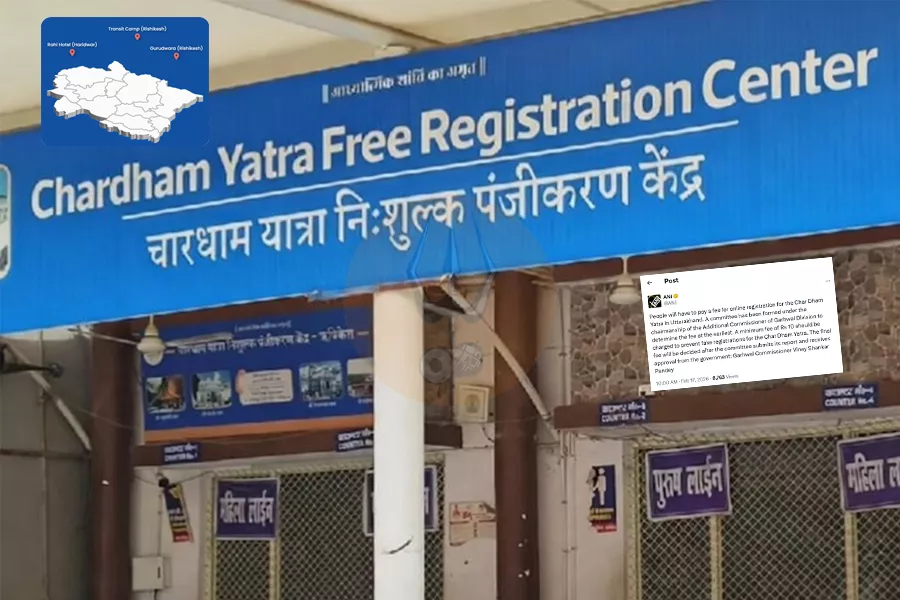
चारधाम यात्रा 2026, इस बार ऑनलाइन रजिस्ट्रेशन के लिए देना होगा शुल्क

Chardham Yatra 2026 New Registration Fee Rule Guideline

जो लोग 2026 में चारधाम के पवित्र मंदिरों की यात्रा करना चाहते हैं, उन्हें पंजीकरण प्रणाली में आने वाले बड़े परिवर्तनों के बारे में जानना बहुत जरूरी है। उत्तराखंड सरकार ने ऑनलाइन पंजीकरण के लिए नए नियम घोषित किए हैं। ये नियम उन सभी लोगों को प्रभावित करेंगे जो इस पवित्र यात्रा पर जाना चाहते हैं।

पंजीकरण में क्या बदलाव आ रहे हैं?

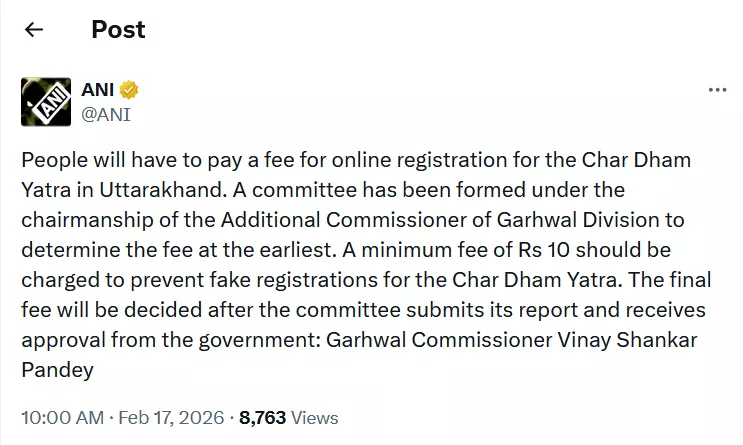
अप्रैल 2026 से शुरू होकर, जो भक्त चारधाम यात्रा के लिए साइन अप करेंगे, उन्हें पंजीकरण शुल्क देना होगा। पहले लोग बिल्कुल मुफ्त में पंजीकरण करा सकते थे। अब सरकारी अधिकारियों ने एक समिति बनाई है जो तय करेगी कि भक्तों को कितना शुल्क देना होगा।

सरकारी अधिकारियों ने सुझाव दिया है कि लोग कम से कम 10 रुपये का पंजीकरण शुल्क दें। यह छोटी सी रकम नकली पंजीकरण को रोकने में मदद देगी। इससे यह सुनिश्चित होगा कि केवल सच्चे भक्त ही पंजीकरण करवाएं। सरकार समिति की सिफारिशों को मंजूरी देने के बाद ही अंतिम शुल्क की घोषणा करेगी।

Chardham 2026 Registration Fee Rules

Char Dham Yatra Registration Guide 2026: https://www.triptochardham.in/char-dham-biometric-registration

सरकार इस शुल्क को क्यों लगा रही है?

उत्तराखंड सरकार ने यह शुल्क एक गंभीर समस्या को सुलझाने के लिए लगाया है। बहुत से लोग नकली पंजीकरण बनाते थे। ये लोग होटल और ट्रांसपोर्ट बुक करते थे, लेकिन वास्तव में मंदिरों की यात्रा करने का कोई इरादा नहीं रखते थे। इस गलत काम से सच्चे भक्तों को बहुत परेशानी होती थी जो वास्तव में मंदिरों जाना चाहते थे।

शुल्क देकर सरकार असली भक्तों को पहचान सकेगी जो सच में यात्रा करना चाहते हैं। प्रशासन नकली बुकिंग को खत्म कर सकेगा जो सिस्टम को गंदा करती है। इससे असली यात्रियों को होटल और ट्रांसपोर्ट में सीट मिलना आसान हो जाएगा।

2026 में मंदिरों के कपाट कब खुलेंगे?

अपना कैलेंडर निकाल लीजिए! चारों पवित्र मंदिर अप्रैल 2026 में अलग-अलग तारीखों पर अपने दरवाजे खोलेंगे।

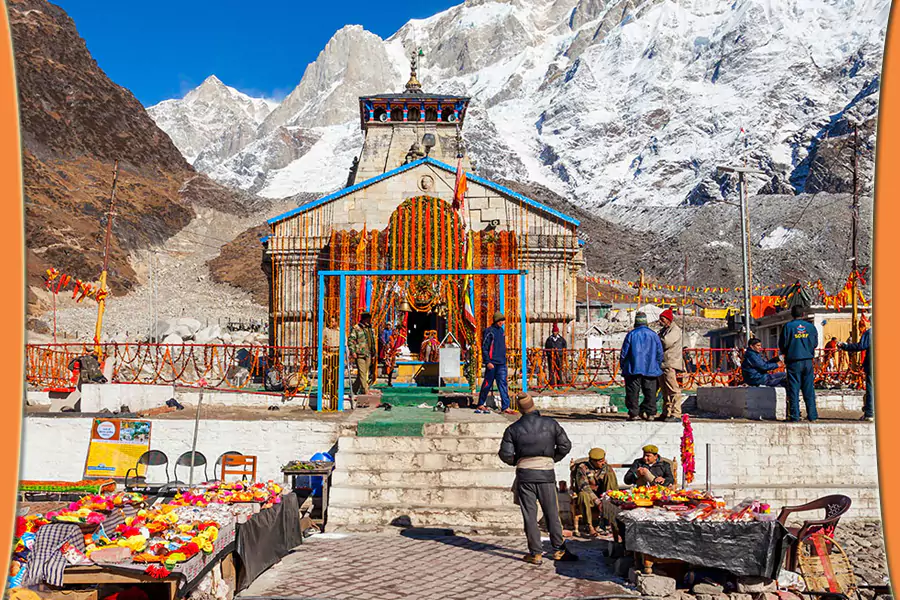
19 अप्रैल 2026 को मंदिर के पुजारी पारंपरिक पूजा-पाठ करके यमुनोत्री और गंगोत्री मंदिरों के दरवाजे खोलेंगे। दो दिन के बाद, 22 अप्रैल 2026 को केदारनाथ मंदिर के दरवाजे भक्तों के लिए खुल जाएंगे। आखिर में, 23 अप्रैल 2026 को बद्रीनाथ मंदिर के कपाट खोले जाएंगे। इसके बाद पवित्र यात्रा पूरी हो जाएगी।

Char Dham Opening Dates https://www.triptochardham.in/char-dham-opening-closing-dates

ये खुलने की तारीखें सैकड़ों साल पुरानी परंपरा को मानती हैं। पुजारी विशेष अनुष्ठान करते हैं और फिर भक्तों को मंदिरों में जाने देते हैं।

अधिकारी यात्रा के मौसम की तैयारी कैसे कर रहे हैं?

गढ़वाल के कमिश्नर और पुलिस के बड़े अधिकारियों ने हाल ही में होटल मालिकों, परिवहन कंपनियों और कुली संघों के साथ महत्वपूर्ण बैठकें की हैं। जो लोग भी यात्रा के व्यापार से जुड़े हैं, वे सब इकट्ठा हुए और आने वाले मौसम की तैयारियों के बारे में बातचीत की।

इन बैठकों में होटल के मालिकों ने अपनी चिंताएं साझा कीं। उन्होंने बताया कि वर्तमान नियमों के अनुसार होटलों को यह रिकॉर्ड रखना होता है कि कितने भक्त उनके होटल में ठहरते हैं। होटल मालिकों ने सरकार से कहा कि ये नियम बदल दें क्योंकि व्यस्त मौसम में ये बहुत परेशानी पैदा करते हैं।

बैठकों के बाद अधिकारियों ने क्या कदम उठाए?

कमिश्नर ने बैठकों में उठाई गई सभी समस्याओं को सुलझाने के लिए दो अलग-अलग समितियां बनाईं। एक समिति पंजीकरण शुल्क तय करेगी। दूसरी समिति टूर कंपनियों, परिवहन प्रदाताओं और कुली संघों की समस्याओं का समाधान करेगी।

ये समितियां जल्द से जल्द अपनी सिफारिशें सरकार को देंगी। जब सरकार के अधिकारी इन सिफारिशों को मंजूरी दे देंगे, तब यात्रा प्रशासन तुरंत ऑनलाइन पंजीकरण शुरू कर देगा। सभी को आशा है कि यह जल्दी होगा ताकि भक्त अपनी पवित्र यात्राओं के लिए पंजीकरण करवा सकें।

पंजीकरण प्रक्रिया को समझें

जो भक्त चारधाम मंदिरों की यात्रा करना चाहते हैं, उन्हें नई पंजीकरण प्रक्रिया को अच्छे से समझना चाहिए। ऑनलाइन पंजीकरण सिस्टम हर भक्त की जानकारी, उनके पसंदीदा मंदिर और यात्रा की तारीखें रिकॉर्ड करेगा। यह सिस्टम अधिकारियों को भक्तों के आने-जाने का प्रबंधन करने में मदद देगा। इससे मंदिरों को भी पता चल जाता है कि कितने भक्त आने वाले हैं।

जब आप पंजीकरण करवाते हैं, तो आप अपनी व्यक्तिगत जानकारी, फोन नंबर, आपातकालीन संपर्क और पसंदीदा मंदिरों के बारे में बताते हैं। पंजीकरण शुल्क देकर आप दिखाते हैं कि आप सच में यात्रा करना चाहते हैं। अधिकारी इस जानकारी का इस्तेमाल करके यह रोकते हैं कि कोई एक से ज्यादा बार नकली बुकिंग न करे।

2026 की यात्रा के लिए भक्त कैसे तैयारी कर सकते हैं?

अगर आप या आपका परिवार 2026 में चारधाम यात्रा करना चाहते हैं, तो अभी से तैयारी शुरू कर दें। सबसे पहले अपने दस्तावेज जैसे पहचान पत्र और स्वास्थ्य प्रमाणपत्र इकट्ठा कर लें। अपने सभी साथियों को बताएं कि पहाड़ों पर चढ़ना कितना कठिन होता है।

फिर सरकारी वेबसाइटों पर नजर रखें और पंजीकरण खुलने की खबर का इंतजार करें। जब पंजीकरण शुरू हो, तो जल्दी से अपना पंजीकरण करवा लें और शुल्क दे दें। जल्दी पंजीकरण करने से आप होटल और ट्रांसपोर्ट में अपनी पसंद के विकल्प चुन सकते हैं।

भक्तों को अपने खर्चे की सावधानी से योजना बनानी चाहिए। पंजीकरण शुल्क, ट्रांसपोर्ट खर्च, होटल, खाना और मंदिरों में दान को अपने बजट में शामिल करें। बहुत सारे भक्त संगठित समूहों के साथ जाना पसंद करते हैं क्योंकि ये समूह सारे काम और सुरक्षा का ध्यान रखते हैं।

इस नई पंजीकरण प्रणाली के क्या लाभ हैं?

नई पंजीकरण प्रणाली भक्तों और सेवा प्रदाताओं दोनों की सुरक्षा करती है। सच्चे भक्तों को अब होटल और ट्रांसपोर्ट में नकली बुकिंग के साथ प्रतिस्पर्धा नहीं करनी पड़ेगी। होटल मालिक आश्वस्त हो सकते हैं कि उनकी बुकिंग सच में आने वाले भक्तों की है।

पंजीकरण शुल्क गलत पंजीकरण के खिलाफ एक सरल लेकिन प्रभावी बाधा है। यहां तक कि 10 रुपये की छोटी सी रकम भी लोगों को नकली खाते बनाने से रोकती है। यह पूरी यात्रा प्रणाली की ईमानदारी को बनाए रखने में मदद करता है।

2026 के लिए महत्वपूर्ण तारीखें

चारधाम यात्रा 2026 के लिए इन महत्वपूर्ण तारीखों को अपने कैलेंडर पर लिख लें।

पंजीकरण शुल्क का फैसला तब किया जाएगा जब सरकार समिति की रिपोर्ट को मंजूरी दे देगी। मंदिरों के खुलने की तारीखें अप्रैल 2026 में वैसे ही रहेंगी जैसे पहले से तय थीं। यमुनोत्री और गंगोत्री मंदिर 19 अप्रैल को खुलेंगे। केदारनाथ मंदिर 22 अप्रैल को खुलेगा। बद्रीनाथ मंदिर 23 अप्रैल को खुलेगा।

इन तारीखों के अनुसार अपनी यात्रा की योजना बनाने से आपको होटल और ट्रांसपोर्ट में आसानी हो जाएगी।

चारधाम यात्रा 2026 के बारे में अंतिम विचार

चारधाम की यात्रा भारत की सबसे पवित्र और लोकप्रिय यात्राओं में से एक है। हर साल लाखों भक्त इस यात्रा को पूरा करते हैं। वे आशीर्वाद पाने और आध्यात्मिक शांति पाने के लिए ये यात्रा करते हैं। नई पंजीकरण प्रणाली एक ऐसी प्रणाली बनाने की ओर एक कदम है जो सब के लिए न्यायसंगत और ईमानदार हो।

आप चाहे यात्रा पहली बार कर रहे हों या कई सालों बाद फिर से कर रहे हों, 2026 का मौसम सुव्यवस्थित अनुभव देगा। नई पंजीकरण व्यवस्था से उत्तराखंड के अधिकारी दिखा रहे हैं कि वे इतनी बड़ी यात्रा को सुचारु तरीके से चलाने के लिए कितना समर्पित हैं।

आज ही अपनी तैयारी शुरू कर दें। पंजीकरण की घोषणा का इंतजार करें और अपनी पवित्र यात्रा की योजना विश्वास के साथ बनाएं। 2026 में चारधाम के मंदिर आपका इंतजार कर रहे हैं!

मुख्य बिंदु

  • चारधाम यात्रा की पंजीकरण प्रणाली 2026 से नई है और इसमें शुल्क देना होगा।
  • भक्त कम से कम 10 रुपये का पंजीकरण शुल्क देंगे ताकि नकली बुकिंग खत्म हो सके।
  • मंदिरों के खुलने की तारीखें वही हैं – यमुनोत्री और गंगोत्री 19 अप्रैल को, केदारनाथ 22 अप्रैल को और बद्रीनाथ 23 अप्रैल को।
  • सरकारी अधिकारियों ने समितियां बनाई हैं जो शुल्क तय करेंगी और होटल व परिवहन प्रदाताओं की समस्याएं सुलझाएंगी।
  • जल्दी पंजीकरण करने से भक्तों को होटल और ट्रांसपोर्ट में बेहतर विकल्प मिलते हैं।
  • यह नई प्रणाली सच्चे भक्तों और सेवा प्रदाताओं दोनों की सुरक्षा करती है और यात्रा की पवित्रता को बनाए रखती है।

If you are planning for Chardham yatra, book here https://www.triptochardham.in/char-dham-packages

Pratham Pooja for Amarnath Yatra 2026 on June 29 and Insurance Cover Doubled

Amarnath Yatra 2026

Something exciting happens in the beautiful mountains of Kashmir every year! Religious pilgrims from all over India travel to visit the sacred Amarnath Cave. Leaders just made an important announcement about the pilgrimage happening in 2026. The government plans to make this year’s journey safer, more comfortable, and more wonderful for everyone who visits.

When Will the First Prayer Ceremony Take Place?

The special opening prayer ceremony will happen on June 29, 2026. This date falls on Jyeshtha Purnima, which is an important day in the Hindu calendar when the full moon shines brightly in the sky. The Shri Amarnath Ji Shrine Board, which manages everything for the pilgrimage, made this announcement during their big 50th meeting.

Lieutenant Governor Manoj Sinha chaired this important meeting. He leads the Board and makes major decisions about the pilgrimage. The Board members decided to keep the prayer ceremony on June 29, but they will announce the exact starting date for the entire journey at a later time.

What Makes the 2026 Yatra Better Than Before?

Leaders planned many improvements to help pilgrims have a great experience. Let me tell you about the exciting changes they approved:

Double Insurance Protection for Everyone

The Board doubled the safety insurance money for all people who go on the pilgrimage. Everyone, including walkers, guides, workers, and priests, now get ₹10 lakh insurance instead of ₹5 lakh. This higher amount protects people better if something accidentally happens to them during their journey.

Stronger Roads and Better Routes

Workers on both popular paths-the Baltal route and the Pahalgam route-are making the roads wider and stronger. The Border Roads Organisation does this important work. They already made excellent progress widening the walking trails so pilgrims can travel more comfortably and safely. Better roads mean fewer problems during the challenging mountain journey.

Helpful Facilities Along the Way

The Lieutenant Governor ordered officials to install many helpful structures. Pilgrims will now find clean bathroom facilities spread throughout the walking routes. The Board will also place protective shelters and rain covers along the paths. These structures help walkers, guides, and security teams stay comfortable during their journey, rain or shine.

Special Laser Shows Coming to Cities

The Board decided to create dazzling laser and light shows in both Srinagar and Jammu. These shows celebrate ‘Baba Barfani’ and showcase the spiritual traditions of Kashmir. The beautiful displays will teach visitors about the region’s deep religious heritage while entertaining them with modern technology. People can enjoy these shows before or after their pilgrimage journey.

What Else Did Leaders Discuss and Plan?

The Board talked about many important topics during their lengthy meeting. They discussed registering pilgrims so organizers know how many people will come. Leaders thought carefully about medical teams stationed along the routes to help sick or injured people quickly.

The Board also considered disaster safety plans to keep everyone protected. They talked about horse and pony insurance for the animals that help carry supplies. The Board planned to add more online services so pilgrims can prepare and buy things they need before traveling.

The Board reviewed plans to improve phone signals and electricity in the mountains. They wanted weather forecasting systems set up so organizers can predict storms and bad weather. Security cameras and guards will watch the routes to keep everyone safe. The Board planned to put metal barriers on dangerous spots to prevent accidents.

Food stations called langars will provide meals for hungry travelers. Volunteers will help pilgrims throughout their journey. These dedicated helpers make the experience special and meaningful for everyone.

Who Made These Important Decisions?

The meeting brought together many important leaders and officials. Swami Avdheshanand Giri Ji Maharaj, a spiritual teacher, attended the meeting. Professor Kailash Mehra Sadhu and other Board members joined the discussion. Officials from different departments came together to plan the best pilgrimage possible.

Dr Mandeep K. Bhandari, the Chief Executive Officer of the Shrine Board, explained all the arrangements during the meeting. He shared details about how the Board will make the 2026 pilgrimage special.

Many top officials attended in person and through video connection. The Chief Secretary of Kashmir led important discussions. Police leaders, finance officials, and administrators from towns near the sacred cave all participated. Border Roads Organisation engineers and Shrine Board members worked together to make complete plans.

The meeting took place at Lok Bhavan in Jammu, the capital city. Some leaders sat in the meeting room while others joined through computer screens from different locations.

Why Do People Love This Pilgrimage?

Every year, thousands of devoted pilgrims travel through mountains and valleys to reach the Amarnath Cave. This journey tests their courage and strength. Pilgrims believe visiting the cave blesses their lives with peace and happiness. The experience brings families and friends closer together.

The pilgrimage shows how people respect and honor their religious beliefs. It demonstrates how we take care of each other during challenging journeys. Pilgrims support each other, strangers help strangers, and everyone works toward a common spiritual goal.

What Does the Future Hold for Pilgrims?

The improvements announced for 2026 will make the journey safer and more enjoyable. Pilgrims will travel on better roads with helpful facilities waiting for them. Insurance protection gives families peace of mind. Medical teams and security personnel will keep everyone safe.
The laser shows in cities will share Kashmir’s beautiful spiritual heritage with more people. These changes show that leaders care about pilgrims and want to give them the best possible experience.

Conclusion

The Shri Amarnath Ji Shrine Board made wonderful announcements about the 2026 pilgrimage! The Pratham Pooja ceremony will happen on June 29, 2026, during Jyeshtha Purnima. Leaders doubled insurance protection, improved walking routes, added comfortable facilities, and planned amazing light shows.

These improvements make the sacred pilgrimage safer, more comfortable, and more meaningful for everyone. Officials, volunteers, and helpers will work together to create a special experience for pilgrims traveling through the beautiful Kashmir mountains. The 2026 Amarnath Yatra promises to be an unforgettable journey!

About Amarnath Yatra:

The Amarnath Yatra brings pilgrims to a sacred cave in the Himalayas. People walk for days through beautiful but challenging mountain terrain. The journey tests faith, courage, and friendship. Thousands of pilgrims complete this spiritual adventure every year, carrying memories that last a lifetime.

Key Information:

  • Pratham Pooja Date: June 29, 2026 (Jyeshtha Purnima)
  • Insurance Amount: ₹10 lakh (doubled from ₹5 lakh)
  • Main Routes: Baltal and Pahalgam
  • Special Features: Laser shows, improved facilities, better roads, medical teams
  • Leadership: Lieutenant Governor Manoj Sinha and the Shri Amarnath Ji Shrine Board

If you are planning for Amarnath Yatra in 2026, book here https://www.triptochardham.in/amarnath-yatra-packages

Valley of Flowers: The Legendary Trail of Uttarakhand

Five reasons to visit the Valley of Flowers

People around the world know about one of India’s most amazing mountain journeys-the Valley of Flowers trek. This path through the Himalayas captures the hearts of adventure seekers everywhere. The Indian government protected this special place as a National Park in 1980. Later, in 2002, UNESCO named it a World Heritage Site. Now, trekkers from every corner of the globe add this incredible destination to their must-do lists.

The Legendary Trail

Trekkers love the Valley of Flowers for two important reasons. First, they reach an amazing destination. Second, the journey itself fills every moment with wonder and discovery. The trek begins in Govindghat, a charming town nestled in the mountains.

From there, the path takes travelers through landscapes that look like they came straight from storybook illustrations. Although the trek demands moderate physical effort, with long hiking days and a tough climb to Hemkund Sahib, the incredible views and colorful flowers make every step feel worthwhile.

People who attempt this trek must prepare their bodies well. Good fitness and strong endurance help hikers succeed on this challenging path.

Trekking Itinerary

best time to visit valley of flowers

Day 1: Drive from Rishikesh to Karchi

  • Drive Distance: 255 km
  • Drive Duration: 11 hours
  • Pickup Point: Live Free Hostel, Rishikesh at 5:00 AM
  • Basecamp: Karchi

Your adventure starts before sunrise when you leave Rishikesh and head toward Karchi. The long drive through Uttarakhand shows you breathtaking mountain views at every turn. These scenes prepare your mind and spirit for the incredible trek ahead.

Day 2: Drive from Karchi to Poolna, Trek to Ghangaria

  • Drive Distance: 38 km
  • Drive Duration: 1.5 hours
  • Trek Distance: 9 km
  • Trek Duration: 5-6 hours
  • Altitude Gain: 7,785 ft to 10,520 ft

You leave Karchi and drive to Poolna, where your real adventure begins. The hiking trail climbs gradually through river valleys and green forests. Crystal-clear water flows beside the path, and tall trees create cool shade. This hike leads you to Ghangaria, the base camp where you will sleep before exploring the valley itself.

Day 3: Ghangaria to Valley of Flowers and back

  • Trek Distance: 3.7 km each way
  • Trek Duration: 6 hours
  • Altitude Gain: 10,520 ft to 11,550 ft

This day brings the most exciting moment of your entire journey. You walk into the Valley of Flowers, and suddenly, thousands of colorful blooms surround you. Pink flowers dance beside yellow ones. Purple flowers climb up rocks. Blue flowers stretch across meadows. You’ll remember these views forever.

Day 4: Ghangaria to Hemkund Sahib and back

  • Trek Distance: 6 km each way
  • Trek Duration: 8-9 hours
  • Altitude Gain: 10,520 ft to 14,107 ft

This challenging day tests your strength and determination. The path zigzags back and forth as it climbs higher and higher. Finally, you reach Hemkund Sahib, a sacred Sikh shrine at the top. A beautiful gurudwara stands there, along with a pristine mountain lake. Here, you find peace and spiritual connection surrounded by the towering mountains.

Day 5: Trek from Ghangaria to Poolna, Drive to Dhak

  • Trek Distance: 9 km
  • Trek Duration: 4 hours
  • Altitude Loss: 10,520 ft to 6,215 ft
  • Drive Distance: 35 km
  • Drive Duration: 1 hour 15 minutes

You head back down the mountain to Poolna, and your legs experience relief as the altitude drops. The descent lets you enjoy the surrounding nature one final time. After reaching Poolna, you drive to Dhak, where you rest your tired muscles for the last time on this expedition.

Day 6: Drive from Dhak to Rishikesh

  • Drive Distance: 252 km
  • Drive Duration: 9-10 hours
  • Drop-off Point: Live Free Hostel, Rishikesh by 6:00 PM

The final day takes you back home. The long drive gives you time to think about all the incredible things you saw and experienced. You arrive in Rishikesh with memories that will last your entire lifetime.

Preparation and Tips

  • Physical Preparation: The Valley of Flowers trek demands moderate difficulty, which means you need good physical fitness. Start exercising regularly several weeks before your trip. Run, walk, and do activities that build your stamina and strength.
  • Permits and Regulations: You must get permission from the forest department in Ghangaria before you trek. Bring a copy of your photo identification. You’ll show it at forest checkpoints along the way.
  • Packing Essentials: Pack clothes that protect you from rain and water. Bring sturdy hiking shoes that hold your feet safely. Include a first-aid kit with bandages and medicine. Carry enough food and water to keep you energized throughout each day.
  • Accommodation: Small lodges sit along the entire trekking route. Booking your rooms ahead of time makes sense, especially during the busy season when many trekkers come.
  • Respect Nature: Follow Leave No Trace principles to keep the valley beautiful and clean. Don’t drop garbage. Don’t pick flowers. Leave everything as you find it so future generations can enjoy this special place.

Why Trek the Valley of Flowers?

1. A Floral Wonderland:

More than 500 different types of wildflowers grow in this valley. You’ll see blue poppies that glow like the sky. Himalayan bellflowers ring like tiny bells in the breeze. Cobra lilies with their strange curved petals grow alongside ordinary grasses. When monsoon rains fall from June to September, flowers burst open everywhere. The valley transforms into an explosion of colors that takes your breath away.

2. Rich Biodiversity:

The valley supports many different animals and creatures. Himalayan musk deer quietly move through the forests. Red foxes hunt for food in the tall grass. Hundreds of butterfly species flutter from flower to flower, creating rainbow patterns. Birds sing their unique songs throughout the day. Scientists study this special ecosystem to learn how to protect endangered animals and plants.

3. Spiritual Journey:

The trek brings you to Hemkund Sahib, a religious shrine respected by millions of Sikhs. The word “Hemkund” means “lake of ice” in Sanskrit. The gurudwara, which is a Sikh temple, welcomes all visitors with kindness and warmth. The glacial lake nearby stays frozen even in summer. Pilgrims come from all corners of India and the world to visit this sacred place and find spiritual peace.

4. Scenic Beauty:

The trek surrounds you with some of Earth’s most stunning natural views. Snow-covered mountain peaks touch the sky. Green valleys stretch out below you like nature’s carpets. Waterfalls crash down rocky cliffs, creating white rivers of water and mist. You hike through thick forests filled with trees that seem to touch the clouds. Rivers flow alongside the path, their water so clear you see rocks on the bottom. Every turn in the trail shows you something new and more beautiful than before.

5. Historical Significance:

UNESCO recognized the Valley of Flowers as a World Heritage Site because of its importance to human history and science. Botanists—scientists who study plants—travel here to discover new species and learn plant secrets. Nature lovers and trekkers from every country make pilgrimages to this valley. Artists find inspiration in the colors and shapes of the flowers. Writers create stories about their experiences here. The valley has captured human imagination for decades, and it continues to inspire everyone who visits.

Conclusion

The Valley of Flowers trek takes you on a magical journey through one of the Himalayan Mountains’ most beautiful and special regions. The famous status of this trek and its breathtaking views make it essential for anyone who loves adventure and nature. Whether you want excitement and challenge or peaceful moments surrounded by natural beauty, this trek delivers experiences that will touch your heart and stay with you forever. After you complete this journey, you’ll return home changed—with your spirit lifted, your heart fuller, and your mind filled with memories you’ll treasure always.

If you are planning for Char Dham Yatra with Valley of Flowers, book here https://www.triptochardham.in/char-dham-packages

How to Register for Kailash Mansarovar Yatra in 2026?

Kailash Mansarovar Yatra Packages

The journey toward Mount Kailash and Lake Mansarovar takes pilgrims to one of the most extraordinary spiritual locations on our planet. These sacred sites rest within the Tibet Autonomous Region of China, surrounded by breathtaking natural beauty. Devotees embarking on this expedition face intense physical demands, including extremely cold temperatures and reduced oxygen supplies at such elevated heights. To maintain the safety of all participants, government authorities require everyone to complete an official registration process before beginning their journey.

How to Register for Kailash Mansarovar Yatra 2026

Understanding Your Registration Options

Before you begin, understand that the pilgrimage registration works through two primary pathways. Individuals can register directly through the official government website, or they can book a complete tour package from an authorized travel company. Both approaches have their own advantages and different procedures.

Government of India Registration Steps

The Ministry of External Affairs (MEA) oversees the complete government registration system. Follow these steps to register through the official route:

  • Step 1: Visit the Official Government Portal
    Navigate to the Official Kailash Mandir Portal, which serves as the government’s designated registration website. The registration portal opens its doors during the months of January through March each year.
  • Step 2: Begin Your Application
    Search for the option that says “Apply for Yatra” or “Registration” on the portal homepage and select it to proceed.
  • Step 3: Fill in Your Personal Information
    A comprehensive form appears on your screen. Enter your complete name, residential address, working phone number, electronic mail address, and information about someone you want to contact in case of emergency situations.
  • Step 4: Upload Your Important Documents
    The system now requests document files from you. Prepare your Aadhaar Card, a valid passport booklet, and photographs in the size typically used for official documents. Scan these items clearly and upload them into the specified sections.
  • Step 5: Complete Your Health Declaration
    Fill out a medical self-declaration form where you honestly state your current health condition and physical fitness level.
  • Step 6: Send Your Application
    Submit your completed application through the system. The website will provide you with an application identification number. Make a note of this number in a safe place.
  • Step 7: Participate in the Selection Process
    When many people apply for limited spots, the MEA conducts a drawing process using computer selection. This lottery randomly chooses candidates from the applicant pool. If the system selects you, you will receive notification through text message or electronic mail.
  • Step 8: Attend Your Medical Examination
    Those individuals who pass the selection process undergo health testing at government-approved medical centers. These examinations happen during the months of March and April.
  • Step 9: Make Your Payment
    Once you clear all health examinations, you make an online payment to complete your registration and get your official permission documents.
  • Step 10: Receive Your Documents
    After successful payment, the government sends you a confirmation document and an electronic permit. Keep these documents carefully as authorities will examine them at various checkpoints during your journey.

Private Tour Operator Registration Steps

If the government lottery does not select your application, you have another choice. You can submit an application again the following year, or you can arrange your journey with a private tour company. These companies operate without the lottery system.

  • Step 1: Choose Your Tour Company
    Research and select a travel company that holds official authorization from the government. Confirm that they maintain proper credentials and government registration.
  • Step 2: Book Your Complete Package
    Discuss your travel dates and preferences with the tour operator. They will organize your permits, travel documents, and all necessary paperwork for your expedition.
  • Step 3: Share Your Personal Details
    Provide the company with your full name, age in years, passport number, and contact information including your phone number and email address.
  • Step 4: Submit Your Documents
    Give the tour company copies of your identification document and passport. Additionally, provide them with a written statement about your medical fitness.
  • Step 5: Pay for Your Journey
    Make payment for the tour package selected. These packages typically include assistance with official paperwork, permits, meals during the trip, ground transportation, and overnight lodging.
  • Step 6: Obtain Your Permit and Details
    Once the tour company processes your application, they give you your confirmation letter and official permit. You also receive your complete travel schedule and other important trip information.
  • Step 7: Complete Medical Screening
    Ask your tour operator about any medical examinations you may need to complete. They can guide you to appropriate testing facilities.
  • Step 8: Begin Your Sacred Journey
    Prepare yourself mentally and physically. Your journey takes place during the months of May through September, depending on your chosen schedule.

Documents Required for Kailash Mansarovar Registration

Gather all necessary paperwork before beginning your application. Having everything prepared prevents frustration and delays.

1. Valid Indian Passport

Your passport book must remain valid for no fewer than six complete months after your planned travel dates end. Verify your passport expiration date before applying.

2. Recent Passport-Size Photographs

Obtain between two and four photographs using a white or light-colored backdrop. These photos should all look the same and come from the same photography session. Use these identical photos for all your application forms.

3. Government-Issued Photo ID

Present one form of official identification. You can use your Aadhaar Card, Voter Identification Card, Driving License, or PAN Card. The name and details on your ID must match exactly with the information on your passport.

4. Medical Fitness Certificate

A doctor must issue this certificate confirming your physical readiness for high-altitude journeying. This examination typically measures your heart’s function, your lung capacity, and your overall wellness condition.

5. Medical Self-Declaration Form

You must personally sign and submit a written statement about your health. If you have any ongoing medical conditions or take medications regularly, you must note this clearly on the form. Hospitals and doctors often require this form.

6. Emergency Contact Information

Write down the name and phone number of someone family members know to contact if something happens to you. Include their electronic mail address and explain how this person relates to you.

7. Marriage Certificate

Those traveling as married couples must provide evidence of their marriage status. While optional for some travelers, authorities may request this document.

8. Additional Permits for Border Crossing

Depending on which route you choose, you might require additional paperwork. A China or Tibet permission document might be necessary, along with other entrance permits for specific boundary locations.

9. Signed Risk and Responsibility Acknowledgment

You must sign a document where you confirm that you comprehend the dangers present in high-altitude environments. This standard form comes with your application package.

Registration Fees and Other Charges

Plan your budget by understanding all the expenses involved in your registration and preparation.

Non-Refundable Registration Fees

Once the system selects you, you must pay 5,000 Indian Rupees as a one-time registration cost. This amount does not return to you under any circumstances.

Medical and Test Charges

Medical examinations will cost approximately 3,100 Indian Rupees. Special heart function tests called Stress Echo Tests cost around 2,500 Indian Rupees each.

Visa and Permit Charges

Depending on your chosen route to the pilgrimage site, you may need to purchase a China or Tibet entry permit. Budget approximately 2,400 Indian Rupees per traveler for this documentation.

Medical Tests Required for Registration

The pilgrimage destination sits at an exceptionally high mountain altitude. The environment there contains very little oxygen and has harsh weather patterns. For this reason, everyone must prove they possess good physical and mental health.

Here are some medical examinations tests that you must undergo to be eligible for this special pilgrimage:

Test Purpose
General Physical Examination You’ll be tested for:

•        Blood pressure (BP)

•        Pulse rate

•        Body Mass Index (BMI)

•        Oxygen saturation (SpO₂)

•        Overall physical fitness assessment

Electrocardiogram (ECG) • Your heart rhythm and cardiac health will be checked

• Mandatory for all age groups, especially for pilgrims above 40 years

Treadmill Test (TMT) / Stress Test • Your heart performance under physical stress will be assessed.

• Compulsory for pilgrims above 40–45 years

Blood Tests You’ll be tested for:

• Haemoglobin (Hb)

• Blood sugar

• Kidney function tests (if advised)

• Lipid profile (in some cases)

Chest X-Ray • Your lung capacity and respiratory health will be evaluated

• Infections or chronic lung conditions can be detected through this test

Pulmonary Function Test (PFT) • Your lung strength and breathing efficiency are measured

• This test is important because you’ll be exposed to a low oxygen environment during the Yatra

ENT and Vision Check • Your ear pressure tolerance and hearing is checked

• Your vision adequacy for trekking conditions is also ensured

Mental Health and Stress Assessment • This one evaluates your psychological readiness

• It’s mainly done to ensure you can cope with isolation and altitude stress

Medical Screening Stages

The examination process happens in two separate phases.

Stage 1: Initial Medical Examination

Doctors perform this basic health check after you submit your application. This screening determines whether you meet the minimum fitness requirements to move ahead.

Stage 2: Final High-Altitude Clearance

This more thorough examination occurs when your travel date draws near. This final check confirms you truly possess the capability to manage the severe altitude circumstances you will encounter.

Where to Get Medical Tests Done

Government-run hospitals can perform your examinations. Hospitals that register with the government and doctors who gain approval from health authorities can also conduct these tests. Your final approval for the altitude challenge can be certified by doctors in the capital city of Delhi or in Kathmandu, Nepal.

Kailash Mansarovar Yatra 2026 Overview

Aspect Details
Yatra Year 2026
Registration Authority Government of India (MEA) & Authorized Tour Operators
Modes Government Route or Private Package
Eligibility Age 18–70 years
Best Time May to September
Cost INR 2 Lakh+
Altitude Up to 19,500 ft
Difficulty High

Routes for Kailash Mansarovar Yatra

Pilgrims can choose from several different paths to reach the sacred location.

1. Lipulekh Pass Route (Uttarakhand to Tibet)

This pathway begins in Uttarakhand, a region in northern India, and crosses at Lipulekh Pass, which marks the boundary between India and Tibet.

Feature Details
Starting Point India (Uttarakhand)
Border Crossing Lipulekh Pass (India–Tibet border)
Travel Mode Road + Trek segments
Route Highlights Route passes through Dharchula → Dhun – Chitar-Tarkeshwar → Lipulekh Pass → Purang (Taklakot) → Mansarovar → Kailash
Terrain High-altitude roads + short trekking stretches
Best For Pilgrims seeking a traditional and scenic route
Difficulty Level Moderate to high (due to altitude and some trekking)
Advantages This is the official government route and offers direct access through Uttarakhand
Challenges •        High altitude passes

•        Requires good acclimatization

2. Nathu La Pass Route (Sikkim to Tibet)

This pathway originates in Sikkim, a state in eastern India, and enters Tibet via Nathu La Pass.

Feature Details
Starting Point India (Sikkim)
Border Crossing Nathu La Pass (India–Tibet border)
Travel Mode Road
Route Highlights Siliguri/Bagdogra → Gangtok → Nathu La → Shigatse → Mansarovar → Kailash
Terrain Road journey with gradual altitude gain
Best For Pilgrims who prefer a less trekking-intensive experience
Difficulty Level Moderate
Advantages •        Easier road journey

•        Smoother acclimatization

Challenges Weather disruptions (rain/mudslides) can affect road access

3. Nepal Route (Kathmandu to Tibet)

This pathway starts from Kathmandu, the capital of Nepal, and reaches Tibet through the Nepal-Tibet entry point.

Feature Details
Starting Point Kathmandu, Nepal
Border Crossing Nyalam – Zhangmu (Nepal-Tibet entry)
Travel Mode Road
Route Highlights Kathmandu → Kodari/Nyalam → Shigatse → Mansarovar → Kailash
Terrain •        Mainly road travel

•        Good acclimatization stops

Best For Pilgrims who prefer smooth travel with minimal trekking
Difficulty Level Easy to moderate
Advantages •        Shorter road stays

•        Suitable for all ages

•        Easier logistics

Challenges •        International border formalities

•        Visa coordination

Best Time for Kailash Mansarovar Yatra

The finest season to undertake this pilgrimage spans from May through September. Throughout this five-month window, daytime temperatures hover between five and fifteen degrees Celsius, while nighttime temperatures range from minus five to five degrees Celsius. You may encounter light snow during this window.

Extreme weather conditions and difficult mountain terrain mean the pilgrimage operates only during four to five months yearly. The remaining months bring conditions too dangerous for organized pilgrimages.

Month-by-Month Weather Overview

Period Weather Conditions Highlights
May – Early June ·         Best Overall Time

·         Clear skies and fresh mountain air

·         Less rainfall

·         Better visibility of Mount Kailash

·         Manageable daytime temperatures

·         Most stable weather

·         Smooth Parikrama conditions

·         Ideal for first-time pilgrims and senior citizens

Mid-June – July •        Beginning of monsoon

•        Occasional rain, but the Yatra still continues smoothly

•        Slightly warmer temperatures

·         Pilgrims who prefer moderate cold
August •        Increased rainfall, especially on Nepal routes

•        Expect slippery trails during Parikrama

•        • Enjoy lush landscapes, especially around Mansarovar

•        Monsoon-Affected but manageable

•        Physically fit pilgrims

•        Travellers with experienced tour operators

September (Last & Spiritually Popular Month) •        You get clear post-monsoon skies

•        Crisp air

•        Excellent visibility

•        Less pilgrim rush compared to peak months

•        Calm atmosphere

•        Ideal for meditation and spiritual focus

•        Cooler Weather

•        Stable conditions

Periods to Completely Avoid

Never travel between October and April. These months experience tremendous snowfall in these areas. Temperatures drop below freezing consistently. The authorities close all routes, and organized pilgrimages stop completely.

Eligibility Criteria for Kailash Mansarovar Yatra

All candidates must satisfy certain requirements whether applying through government channels or private companies.

Citizenship Requirement

You must hold Indian citizenship. Your passport book must hold current validity for a minimum of six complete months beyond your travel period.

Age Limitation

Your age must fall somewhere between eighteen and seventy years old when you participate in the pilgrimage.

Physical and Mental Fitness Requirement

Your body and mind must both function well. You must obtain passing grades on heart rhythm and physical stress examinations. Your blood pressure measurements and blood oxygen percentage must meet specified standards.

Body Mass Index Limitation

Your body weight measured against your height (called BMI) cannot exceed twenty-seven. Those carrying excess body weight face higher dangers at these elevated heights.

Mandatory Final Medical Clearance

You must successfully complete the essential final altitude readiness evaluation. Participants who do not pass this examination become disqualified from continuing.

Reasons for Application Rejection

Certain situations result in rejection of your application. These situations include the following:

  • Your passport document is no longer valid or approaching expiration
  • Details on your ID documentation do not correspond with your passport data
  • Your medical evaluations fail to meet required standards
  • You have serious medical conditions such as heart disease, chronic lung conditions, severe arthritis, or unmanaged blood sugar problems

Why Should You Register Early?

Several valuable reasons exist to submit your application during the early registration period.

  • Increased Chances of Selection
    The available spaces remain limited while application numbers run very high. Those registering early have significantly better possibilities of receiving selection approval.
  • Sufficient Time for Medical Testing
    Various mandatory examinations take time to complete. Early registration allows you to schedule all tests with adequate spacing. If doctors recommend repeating any test, you have time for this. You can also work to improve your blood pressure, blood sugar, and overall fitness before final examinations.
  • Better Package Pricing
    When booking with established travel companies, early registrations frequently receive reduced costs and special offers on trip expenses.
  • Choice of Your Preferred Timeline
    Those registering early get to choose which month between May and September works best for their schedule. Available dates fill up as time progresses.
  • Comprehensive Preparation Time
    Early registration provides extended time to gather all necessary documents, purchase proper clothing, obtain required gear, and mentally prepare for the challenge ahead. This eliminates last-moment stress and worry.
  • Priority Access to Trusted Companies
    Established and reliable tour companies hold spots reserved for early applicants. Excellent companies fill their available positions rapidly, particularly when many pilgrims want to book with them.

Common Registration Mistakes to Avoid

Knowing what errors to prevent helps increase your chances of successful approval.

  • Passport Problems
    Never use a passport that no longer shows valid dates. Stay away from passports that will expire soon. Authorities will immediately reject your application if your passport faces any validity problems.
  • Late Registration
    Do not postpone submitting your application until days before the deadline. Available spots remain scarce, and late applicants often find their preferred months no longer available.
  • Mismatched Information
    Double-check that your name, birth date, and gender appear exactly the same on both your passport and your identification document. Even small spelling differences cause rejection.
  • Overlooking Medical Requirements
    Take time to thoroughly understand all health-related expectations. Confirm that your personal health situation satisfies every requirement beforehand.
  • Hiding Medical Information
    Never conceal any health problems or medical conditions from examiners. Dishonesty during examination stages leads to disqualification later.
  • Unverified Medical Documents
    Ensure that doctors providing medical certificates hold proper authorization and government approval. Reports from unauthorized medical professionals face rejection.
  • Poor Quality Document Scans
    Submit crisp, clear scans of all your documentation. Avoid submitting blurry pictures or photographs taken years ago.
  • Misunderstanding Selection Process
    Remember that submitting an application does not guarantee you will be selected. The lottery system randomly chooses candidates from all applicants.
  • Losing Important Numbers and Receipts
    Preserve your application identification number, payment confirmations, and medical examination reports in a safe location.
  • Unauthorized Tour Company Bookings
    Always book with companies holding official government authorization. Unauthorized operators can lead to journey cancellation at the final moment.

Summary

Beginning your religious journey toward Mount Kailash and Mansarovar Lake requires completing registration procedures first. You can complete this registration either through the official government website or through approved travel companies. You will need to obtain medical examinations and meet all health requirements as part of this process.

Frequently Asked Questions

Q1. What months will the Kailash Mansarovar Yatra operate in 2026?
The pilgrimage travels during May through September. Registration applications typically open in January and remain open until the end of March.

Q2. Do you have to register to participate?
Absolutely, registration becomes mandatory. You must register either through government authorities or through an authorized travel company.

Q3. Can people who are getting older still participate in this Yatra?
Certainly, older adults can journey to Kailash and Mansarovar. They must, however, prove through medical testing that they possess adequate fitness and can handle the physical and mental demands of this experience.

Q4. Do you need a passport for this journey?
An active Indian passport becomes absolutely necessary for this spiritual expedition.

Q5. What requirements must someone meet to participate?
Participants must be aged between eighteen and seventy years. Everyone must own a working Indian passport. Additionally, all people must maintain good health and pass every medical examination required.

If you are planning for Kailash Mansarovar Yatra, book here https://www.triptochardham.in/

चारधाम यात्रा 2026 की तैयारी? ये महत्वपूर्ण नियम जरूर जान लें

Kedarnath Temple

क्या आप भी उत्तराखंड के पवित्र धामों की यात्रा करना चाहते हैं? यमुनोत्री, गंगोत्री, केदारनाथ और बद्रीनाथ ये चारों मंदिर भारत के सबसे महत्वपूर्ण धार्मिक स्थान माने जाते हैं। हर साल लाखों भक्त इन पवित्र तीर्थ स्थलों के दर्शन करने के लिए पहाड़ों की कठिन यात्रा करते हैं।

साल 2026 में चारधाम यात्रा का दरवाजा 19 अप्रैल को खुलने वाला है। यह तारीख अक्षय तृतीया के पवित्र दिन पर पड़ती है। लेकिन क्या आप जानते हैं कि इस यात्रा पर जाने से पहले आपको कुछ महत्वपूर्ण कागजी काम पूरे करने होंगे? अगर आप समय रहते ये सब नहीं करते हैं, तो आपकी पूरी यात्रा रद्द हो सकती है।

इसीलिए आज हम आपको बताने वाले हैं कि चारधाम की यात्रा पर जाने से पहले आपको कौन-कौन से जरूरी काम कर लेने चाहिए। अगर आप ये काम पहले से कर लेते हो, तो आपकी यात्रा आसानी से पूरी हो जाएगी।

बिना रजिस्ट्रेशन नहीं मिलेगी यात्रा की अनुमति

उत्तराखंड की सरकार ने चारधाम यात्रा के लिए रजिस्ट्रेशन को अनिवार्य बना दिया है। इसका मतलब यह है कि अगर आप यात्रा करना चाहते हो, तो पहले अपना नाम सरकार के पास दर्ज करवाना बहुत जरूरी है।

सरकार ऐसा क्यों करती है? दरअसल, सरकार को हर समय यह पता रहना चाहिए कि पहाड़ों में कितने भक्त यात्रा कर रहे हैं। इससे यदि किसी को खतरा हो, तो उसे तुरंत बचाया जा सके। साथ ही, सरकार सब यात्रियों की सुरक्षा पर विशेष ध्यान रखती है।

जब आप रजिस्ट्रेशन कर लेते हो, तो सरकार आपको एक पर्ची देती है। इस पर्ची पर एक विशेष कोड बना होता है। आपको यात्रा के दौरान इस पर्ची को हमेशा अपने पास रखनी चाहिए। यह पर्ची एक पास की तरह काम करती है।

और भी बात है – सरकार आपके फोन के जीपीएस से आपकी स्थिति को ट्रैक करती है। इसका मतलब यह है कि आप कहां हो, इसका रिकॉर्ड सरकार के पास रहता है। अगर कोई समस्या आए, तो सरकार तुरंत मदद भेज सकती है।

यात्रा से पहले जान लें नए नियम

साल 2026 की चारधाम यात्रा के लिए सरकार ने कुछ नए नियम बनाए हैं। ये नियम पहले के नियमों से ज्यादा सख्त हैं।

गाड़ियों के लिए नए नियम:

अगर आप अपनी व्यक्तिगत गाड़ी या बिजनेस के लिए गाड़ी ले जा रहे हो, तो आपके पास ग्रीन कार्ड और ट्रिप कार्ड होना चाहिए। ये कार्ड आपको पहले से आवेदन करके प्राप्त करने होंगे।

स्वास्थ्य संबंधी महत्वपूर्ण बातें:

चारधाम के धाम बहुत ऊंचाई पर स्थित हैं। इतनी ऊंचाई पर पहुंचने से कुछ लोगों को सांस लेने में परेशानी हो सकती है। इसलिए सरकार ने स्वास्थ्य संबंधी सभी सलाह को अनिवार्य बना दिया है। आपको यात्रा से पहले डॉक्टर से मिलना चाहिए।

धार्मिक स्थलों पर विशेष नियम:

कुछ धार्मिक स्थलों पर आप अपने मोबाइल फोन से फोटो नहीं ले सकते। अगर आप किसी के कमरे में हो, तो वहां भी फोटोग्राफी की अनुमति नहीं है। आपको इन नियमों का पालन जरूर करना चाहिए।

गंगोत्री में विशेष प्रतिबंध:

गंगोत्री मंदिर में हिंदू धर्म के अलावा अन्य धर्मों के लोगों को प्रवेश की अनुमति नहीं दी जाती। यह एक बहुत ही पवित्र माना जाता है।

हेलीकॉप्टर सेवा भी पहले से बुक करनी होगी

क्या आपके घर में कोई बुजुर्ग है? या कोई बीमार है? या फिर आपके पास समय की बहुत कमी है? अगर ऐसा है, तो चिंता मत किजिये। सरकार ने हेलीकॉप्टर की सुविधा दी है।
केदारनाथ जाने के लिए हेलीकॉप्टर एक शानदार विकल्प है। यह सेवा उन सभी लोगों के लिए बहुत फायदेमंद है जो लंबी पैदल यात्रा नहीं कर सकते। लेकिन याद रखो – हेलीकॉप्टर सेवा को भी पहले से बुक करना पड़ता है। यह ऑनलाइन ही संभव है।

लेकिन हेलीकॉप्टर सेवा हमेशा उपलब्ध नहीं रहती। बारिश के दिनों में या बुरे मौसम में हेलीकॉप्टर उड़ नहीं सकता। इसके अलावा, अगर आपका वजन ज्यादा है, तो भी यह सेवा आपको नहीं दी जा सकती। कभी-कभी तो सरकार इस सेवा को रद्द भी कर देती है।

ऑनलाइन कैसे कर सकते हैं रजिस्ट्रेशन?

अब सबसे महत्वपूर्ण सवाल यह है कि आप रजिस्ट्रेशन करें कैसे? अरे, इसके लिए तुम्हें कहीं जाने की जरूरत नहीं है। तुम अपने घर बैठे ही ऑनलाइन रजिस्ट्रेशन कर सकते हो।

वेबसाइट के जरिए रजिस्ट्रेशन:

सबसे आसान तरीका यह है कि आप उत्तराखंड सरकार की आधिकारिक वेबसाइट पर जाओ। वेबसाइट का पता है: registrationandtouristcare.uk.gov.in
इस वेबसाइट पर जाने के बाद, आपको एक फॉर्म भरना होगा। इस फॉर्म में आपको अपनी निजी जानकारी देनी है – जैसे आपका नाम, पता, फोन नंबर आदि। इसके बाद, आपको बताना है कि आप किन-किन धामों की यात्रा करना चाहते हो और कब जाना चाहते हो।

सबूत के रूप में दस्तावेज अपलोड करना:

फॉर्म भरने के बाद, आपको अपने आधार कार्ड या किसी और वैध पहचान पत्र की फोटो कॉपी अपलोड करनी है। यह बहुत जरूरी है क्योंकि इससे सरकार को यह पता चलता है कि आप सच में कौन हो।

सत्यापन और पर्ची डाउनलोड करना:

जब आप अपनी सभी जानकारी भर दो, तो सरकार आपके मोबाइल नंबर पर एक विशेष कोड भेजेगी। इसे ओटीपी (वन टाइम पासवर्ड) कहते हैं। आपको इस कोड को वेबसाइट पर डालना है। जब कोड सही साबित हो जाता है, तो एक नई पर्ची बन जाती है जिस पर एक क्यूआर कोड होता है। आप इस पर्ची को डाउनलोड कर सकते हो और प्रिंट भी कर सकते हो।

व्हाट्सएप के जरिए रजिस्ट्रेशन:

अगर आपको वेबसाइट का इस्तेमाल करना कठिन लगता है, तो व्हाट्सएप भी इस्तेमाल कर सकते हो। सरकार ने व्हाट्सएप से भी रजिस्ट्रेशन की सुविधा दी है।
इसके लिए आपको नंबर 8394833833 पर व्हाट्सएप भेजना है। बस संदेश में “YATRA” लिख दो। इसके बाद, सरकार का एक बॉट तुम्हें जरूरी जानकारी मांगेगा। आप सभी सवालों के जवाब दो, और आपका रजिस्ट्रेशन पूरा हो जाएगा।

फोन के जरिए रजिस्ट्रेशन:

अगर आपको इंटरनेट या व्हाट्सएप का इस्तेमाल करना भी नहीं आता है, तो घबराओ मत। आप एक फोन कॉल भी कर सकते हो। टोल फ्री नंबर है: 0135-1364। इस नंबर पर कॉल करो और सरकार के कर्मचारी आपको सभी जानकारी देंगे।

सीधे काउंटर पर ऑफलाइन रजिस्ट्रेशन:

अगर आप चाहो तो ऑनलाइन रजिस्ट्रेशन नहीं भी कर सकते। आप सीधे कुछ प्रमुख जगहों पर जाकर रजिस्ट्रेशन करवा सकते हो। ये जगहें हैं:

  • हरिद्वार
  • ऋषिकेश
  • बरकोट
  • सोनप्रयाग
  • पांडुकेश्वर
  • गोविंद घाट

इन जगहों पर सरकार के काउंटर लगे होते हैं। वहां जाकर आप सीधे अपना रजिस्ट्रेशन करवा सकते हो। एक अधिकारी आपकी पूरी जानकारी ले लेगा और पर्ची दे देगा।

निष्कर्ष:

तो दोस्तों, अब आप समझ गए होगे कि चारधाम यात्रा के लिए पहले से क्या-क्या तैयारी करनी चाहिए। रजिस्ट्रेशन करना, नए नियमों को समझना, और हेलीकॉप्टर की सेवा बुक करना – ये सब काम बहुत महत्वपूर्ण हैं। अगर आप ये सब पहले से कर लो, तो आपकी यात्रा बिना किसी परेशानी के पूरी हो जाएगी।

तो देरी मत करो! अभी ही अपना रजिस्ट्रेशन शुरू कर दो और इस पवित्र यात्रा की तैयारी करो। अक्षय तृतीया का त्योहार तुम्हारी इंतजार कर रहा है!

If you are planning for Char Dham Yatra in 2026, book here https://www.triptochardham.in/char-dham-packages

Kailash Mansarovar Weather & Temperature Guide

The Complete Guide to Adi Kailash - Myths, History & Mythology

Discover the perfect time to explore this sacred pilgrimage site with our complete weather guide.

The Kailash Mansarovar area rises high in the mountains of Tibet and captures the hearts of millions of pilgrims every year. Hindus, Buddhists, Jains, and Bons followers all consider this location extremely sacred and spiritual. People travel from every corner of India and beyond to experience the power and beauty of this mountain destination. The weather changes dramatically throughout the year, so knowing what to expect helps visitors prepare properly for their journey.

Understanding the climate at Kailash Mansarovar makes your pilgrimage more comfortable and safe. Each season brings different temperatures, weather patterns, and travel conditions. Some months offer clear skies and pleasant weather, while other times bring snow and freezing temperatures. This guide walks you through every season so you can plan your visit wisely.

When Should You Visit Kailash Mansarovar?

The best window for traveling to Kailash Mansarovar opens between May and September. During these months, the temperatures stay comfortable for walking and exploring. The weather patterns become more predictable, though mountain conditions can still surprise visitors at any time. Many experienced travelers choose this timeframe specifically because it offers the safest and most enjoyable experience for the sacred walk around the mountain.

Kailash Mansarovar Yatra In Summers

The summer season spans from April through June in the Kailash Mansarovar region. May marks the official beginning of the pilgrimage season when roads open and travel becomes possible. The daytime temperatures hover between 8 degrees Celsius and 16 degrees Celsius during these months. At night, the mercury drops to around 5 degrees Celsius, so visitors need warm sleeping bags and layers.

Summer at Kailash brings magical moments and important festivals. Pilgrims celebrate the famous Saga Dawa Festival in May and June, honoring the life events of Lord Buddha. This festival attracts thousands of devotees who gather to meditate, pray, and walk together. The summer days stay long and bright, giving visitors plenty of daylight to explore. Cool nights remind travelers that mountains demand respect and proper equipment.

Kailash Mansarovar in Monsoon Season

July through mid-August brings the monsoon season to Kailash Mansarovar. Rain clouds roll in and release moisture throughout the region. However, because the landscape sits high and dry most of the year, rainwater disappears quickly into the ground. Puddles and streams dry rapidly after showers pass, keeping trails reasonably accessible.

Many pilgrims love visiting during monsoon months because of the spiritual significance. July holds special meaning for followers who observe Shravana, a sacred month in the Hindu calendar. Temperatures during monsoon season range from 10 degrees Celsius to 23 degrees Celsius, making conditions quite pleasant despite occasional rain. The mountains appear dramatically beautiful as clouds dance across the peaks and valleys.

Kailash Mansarovar in Post-Monsoon Season

Late August through September marks the post-monsoon period at Kailash Mansarovar. The weather stabilizes as the rainy season ends. These months offer some of the finest conditions for completing the sacred Parikrama, which means circling the mountain. Fewer pilgrims visit during this window, so trails feel less crowded and more peaceful.

Post-monsoon temperatures stay moderate and manageable for hikers. Daytime warmth reaches approximately 20 degrees Celsius while nighttime cools to about 10 degrees Celsius. Clear skies return after the monsoon, offering spectacular views of Mount Kailash. The grass becomes greener and vegetation flourishes, creating a lush landscape that contrasts with the barren white peaks above.

Kailash Mansarovar in Winter Season

October through March transforms Kailash Mansarovar into a frozen wilderness. Temperatures plummet to minus 20 degrees Celsius or even lower during the deepest winter months. Harsh winds blow constantly across the landscape, making the cold feel even more intense. The region becomes extremely dangerous for unprepared visitors.

Heavy snow begins falling in October and continues through February. Enormous drifts accumulate on mountain passes and valleys. Roads become completely blocked by ice and snow, making vehicle travel impossible. Most tour operators close their services during winter because safe passage cannot be guaranteed. Only the most experienced mountaineers with professional guides attempt to access the region during these months.

Best Travel Routes For Different Seasons

Kailash Mansarovar Yatra Via Tibet (Summer Season)

May through September provide ideal conditions for the traditional Tibet route. This path takes pilgrims on a 14-day journey starting and ending in Kathmandu, Nepal. Travelers fly from Kathmandu to Lhasa, the capital of Tibet. From Lhasa, they board comfortable Volvo buses that travel south toward Kailash across beautiful mountain roads. This route offers the most popular and established pilgrimage experience, with many facilities and services available along the way.

Kailash Mansarovar Yatra Via Kailash Aerial Darshan

The aerial Darshan route provides the easiest and most convenient way to see Mount Kailash. Chartered aircraft depart from Nepalgunj airport and fly directly toward the mountain. Passengers view the sacred peak from the sky, receiving blessings from above without the physical demands of climbing. Mid-September through November offer the best weather for these flights, when clear skies provide stunning views. This option suits elderly pilgrims or those with limited physical abilities.

Kailash Mansarovar Yatra Via Limi Lapcha Valley (Summer)

The Limi Lapcha Valley route offers the closest and most spectacular views of Mount Kailash and Mansarovar Lake. This path travels through the dramatic landscapes of Nepal’s highest valleys. September through November and April through June mark the ideal seasons for this challenging trek. Pilgrims experience stunning vistas at every turn and encounter fewer crowds than the Tibet route. This journey requires more hiking experience and physical fitness than other options.

Kailash Mansarovar Yatra Via Lipulekh (Summer and Post-Monsoon)

The Lipulekh Pass route creates an incredible trek-based pilgrimage covering approximately 250 kilometers. Hikers follow ancient paths through stunning mountain terrain, experiencing the landscape as pilgrims have for centuries. Mid-May through June and September through October provide the safest travel windows. This route demands excellent fitness and trekking experience, but rewards adventurers with unforgettable spiritual experiences.

Plan Your Perfect Pilgrimage

Choosing the right season and route makes your Kailash Mansarovar experience safe, meaningful, and unforgettable. Careful preparation begins months before departure. Understanding weather patterns and temperature swings helps you pack appropriate clothing and equipment. Experienced guides know the mountain intimately and keep pilgrims safe while sharing profound spiritual knowledge.

Different routes serve different needs and abilities. Summer paths through Tibet work well for families and general pilgrims. Aerial Darshan suits those seeking convenience and comfort. Valley treks appeal to experienced hikers wanting intimate mountain experiences. Each option offers genuine spiritual connection to this sacred destination.

Professional tour operators have mastered the logistics of pilgrimage travel. They arrange flights, accommodations, meals, transportation, and guides. These experts handle paperwork and permits while you focus on spiritual preparation. Booking through established companies ensures reliability and safety during your sacred journey.

Contact a pilgrimage expert today to begin your Kailash Mansarovar adventure!

Are you planning for Kailash Mansarovar? find out here https://www.triptochardham.in/