Winter Char Dham Yatra in Uttarakhand – Travel, Rituals & FAQs

Char Dham of Uttarakhand

Recently, Uttarakhand has launched the Winter Char Dham circuit to promote year-round tourism and attract visitors to the state during the off-season winter months

The state of Uttarakhand has introduced the Winter Char Dham circuit with the purpose of encouraging tourism throughout the year and ensuring that devotees can visit sacred places even during the cold season. This initiative allows travelers and pilgrims to experience the same spiritual essence of the traditional Char Dham journey while enjoying the serene beauty of the Himalayas in winter.

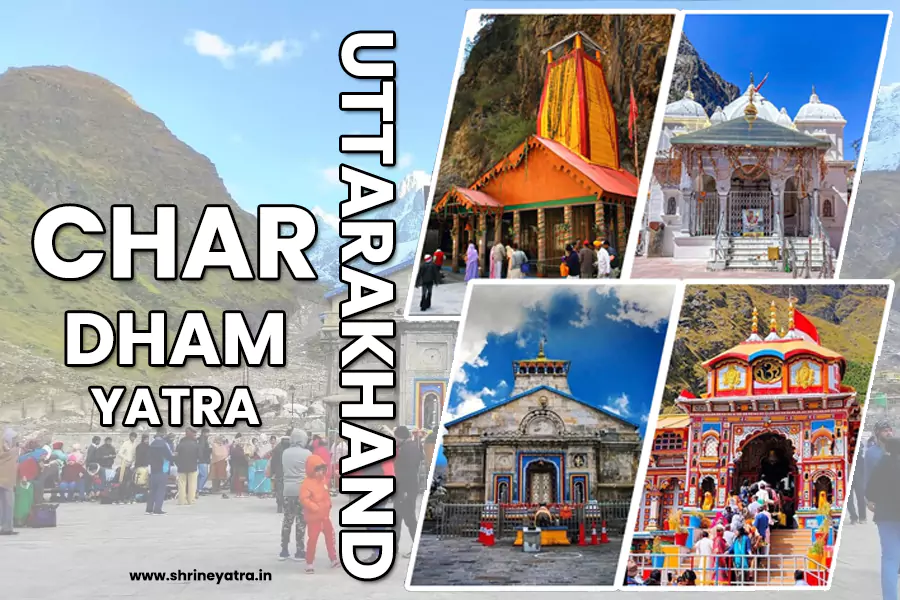
Char Dham shrines (4 revered shrines) are four holy sites i.e., Yamunotri, Gangotri, Kedarnath and Badrinath and are located in the Garhwal Himalayas. They are traditionally visited between May and November.

Uttarakhand Launched the Winter Char Dham

The Char Dham shrines of Yamunotri, Gangotri, Kedarnath, and Badrinath hold immense religious importance and are all situated in the Garhwal Himalayas. Traditionally, these sacred sites remain accessible only between May and November due to weather conditions. However, with the introduction of the winter circuit, devotees can continue their pilgrimage in alternative locations during the snowy months.

During the winter months, the presiding deities of these temples are brought to shrines at lower altitudes at:

  • Kedarnath: Omkareshwar Temple in Ukhimath (Rudraprayag)
  • Badrinath: Pandukeshwar in Chamoli
  • Gangotri: Mukhba in Uttarkashi
  • Yamunotri: Kharsali in Uttarkashi

During winter, when heavy snow makes the higher Himalayan temples inaccessible, the deities of the four shrines are ceremonially moved to their winter abodes. These sacred relocations allow worship to continue without interruption, giving devotees an opportunity to seek blessings in more accessible villages at lower altitudes.

The Char Dham Project aims to enhance connectivity to the Badrinath, Kedarnath, Gangotri, and Yamunotri by improving conditions of highways.

The government has also launched the Char Dham Project to improve road infrastructure and provide better connectivity to the four holy shrines. By upgrading highways and transportation facilities, this project not only benefits pilgrims but also supports tourism and strengthens the economy of the Himalayan region.

About Adi Shankaracharya

Adi Shankaracharya (exponent of the Advaita Vedanta) established the Char Dhams in four different directions of the country which include Badrinath, Puri, Dwarka and Rameshwaram.

It was Adi Shankaracharya, the great philosopher and spiritual leader, who established the tradition of the Char Dham pilgrimage. According to his vision, the four dhams are located in different corners of India—Badrinath in the north, Puri in the east, Dwarka in the west, and Rameshwaram in the south—together representing a complete spiritual circuit.

Advaita Vedanta is a non-dualistic philosophy that asserts the ultimate reality (Brahman) is singular and formless, with individual souls (Atman) being identical to it, and liberation (moksha) is achieved through the realization of this oneness.

The philosophy of Advaita Vedanta, taught by Adi Shankaracharya, emphasizes the oneness of the soul (Atman) with the ultimate reality (Brahman). It teaches that liberation, or moksha, is attained through self-realization and the understanding that there is no duality between the individual and the divine. This philosophy forms the spiritual foundation of the Char Dham Yatra.

The grand Himalayan ranges are home to four revered shrines where Goddess Yamuna, Goddess Ganga, Lord Shiva, and Lord Vishnu are worshipped. For centuries, countless devotees have undertaken this sacred Chardham Yatra to seek divine grace and inner peace. The Char Dham Yatra is considered a spiritual path to Moksha (liberation), as devotees believe completing this journey blesses them with eternal spiritual support.

About Winter Char Dham Yatra in Uttarakhand

During the winter season, heavy snowfall and freezing temperatures restrict access to the original temples of Char Dham. To ensure uninterrupted worship, the sacred idols of each deity are shifted to their designated winter seats every year. These seasonal abodes allow devotees to continue offering prayers even when the main shrines remain inaccessible.

This special Winter Char Dham Yatra gives an opportunity to complete the sacred journey during the off-season. With fewer crowds, the surroundings remain calm, allowing a more personal connection with divinity. The tranquil ambiance adds a unique charm to the spiritual experience, making it deeply fulfilling.

Economic Significance of Winter Char Dham Yatra

The Winter Char Dham Yatra not only holds spiritual value but also contributes to Uttarakhand’s economy. Pilgrims visiting the winter seats of the deities help boost local tourism and sustain communities that often face economic slowdowns during colder months.

From accommodations and transport services to local artisans and small businesses, many residents benefit directly from this seasonal pilgrimage. Alongside devotion, travelers also admire the mesmerizing winter landscapes of the Himalayas, which look like a pristine wonderland. With government efforts in developing better infrastructure and safety measures, the pilgrimage has become more comfortable and accessible during winters.

Winter Abodes in Uttarakhand for Char Dham Darshan

Between late November and March, the main Char Dham shrines—Yamunotri, Gangotri, Kedarnath, and Badrinath—remain inaccessible due to harsh weather. During this time, their idols are worshipped at the following winter homes:

Kharsali : Winter Seat of Goddess Yamuna

Located around 10 km from Yamunotri, Kharsali becomes the winter seat of Goddess Yamuna. When snowfall blocks Yamunotri Temple, the idol of Goddess Yamuna is moved here. Devotees continue rituals and prayers in Kharsali, where the peaceful surroundings create an intimate spiritual atmosphere.

Mukhba Village : Winter Seat of Gangotri

Mukhba Village, about 27 km from the Gangotri Temple, becomes the seasonal home of Goddess Ganga. Worship continues at the temple here throughout winter. Pilgrims visiting Mukhba witness age-old traditions preserved by the local community, making the visit both devotional and cultural.

Ukhimath : Winter Seat of Kedarnath

During winter, the idol of Lord Kedarnath is carried in a sacred procession to Omkareshwar Temple in Ukhimath. Priests of Kedarnath continue daily rituals here. The serene environment of Ukhimath attracts thousands of devotees every winter, allowing them to connect with Lord Shiva even when Kedarnath remains closed. For detailed guidance, you can check our Kedarnath Yatra Guide.

Pandukeshwar : Winter Seat of Lord Badrinath

The Yogadhyan Badri Temple in Pandukeshwar houses the idol of Lord Badrinath during winter months. This ancient temple, more than 1200 years old, continues the same rituals as Badrinath Temple. Local communities actively participate in festivities and rituals like Doli Yatra, ensuring that Lord Vishnu’s worship never ceases during this time. Learn more in our detailed Badrinath Yatra Guide.

Winter Char Dham Yatra – Rituals and Festivals

Winter at the Char Dham shrines is marked with special rituals, festive celebrations, and devotional gatherings. Ceremonies such as Doli Yatra, seasonal prayer sessions, and cultural events create a spiritually rich experience. These activities give devotees a rare chance to feel closer to the divine while celebrating the traditions of Uttarakhand.

How to Reach Winter Char Dham

1. Traveling to Kharsali (for Yamunotri)

  • From Janki Chatti, Kharsali is about 5 km, which can be covered in 2 hours on foot.
  • Ponies are also available for hire.

Nearest Transportation

  • Barkot is the nearest road point, 40 km from Janki Chatti.
  • Dehradun Railway Station (170 km) and Rishikesh Railway Station (209 km) connect the region by rail.
  • Jolly Grant Airport in Dehradun is the nearest airport (192 km).

2. Traveling to Mukhba (for Gangotri)

  • Mukhba lies 72 km from Uttarkashi and can be reached by taxi or local vehicles.
  • Winter roads may be challenging due to snow, so travelers must check weather updates in advance.

Nearest Transportation

  • Taxis from Uttarkashi are the best option, as public buses often stop services in winter.
  • Using private vehicles ensures flexible travel.

3. Traveling to Ukhimath (for Kedarnath)

  • Ukhimath is about 180 km from Rishikesh and 200 km from Haridwar.
  • Both towns offer buses and taxis to reach Ukhimath.

Nearest Transportation

  • Rishikesh Railway Station connects with major Indian cities.
  • Jolly Grant Airport in Dehradun (180 km) is the closest air link.

4. Traveling to Pandukeshwar (for Badrinath)

  • Pandukeshwar is 270 km from Rishikesh via NH7, passing through Devprayag, Srinagar, and Rudraprayag.
  • From Haridwar, the distance is about 290 km, and from Delhi, around 520 km.

Nearest Transportation

  • Jolly Grant Airport in Dehradun (270 km).
  • Haridwar Junction is the nearest railway station, from where travelers can continue to Joshimath by taxi or bus.

Efficient Travel Advice for Winter Visits to the Char Dham Religious Sites

  • Carry warm clothing including thermals, jackets, woolens, gloves, scarves, and waterproof boots.
  • Acclimatize properly at high altitudes, avoid overexertion, and stay hydrated.
  • Keep track of weather updates, road conditions, and closure notices.
  • Prefer 4×4 vehicles for snowy terrains and carry essentials like blankets, food, first aid, and tire chains.
  • Pack snow gear such as goggles, hand warmers, and waterproof covers.
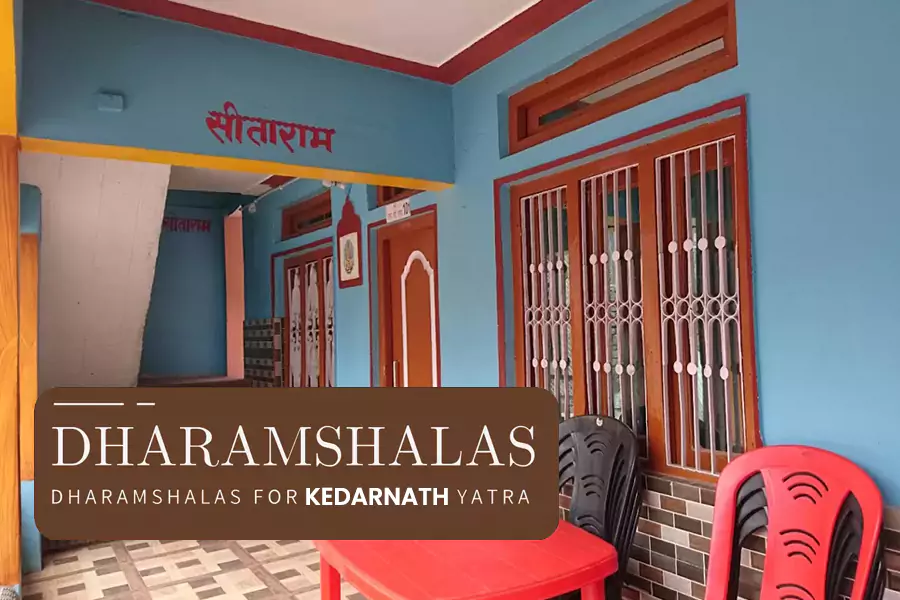
  • Book hotels or dharamshalas in advance as winter accommodation is limited.

The Winter Char Dham Yatra offers devotees a unique opportunity to experience spirituality amid snow-clad landscapes and serene surroundings. Beyond prayers and rituals, it provides peace, cultural insight, and unforgettable memories of Uttarakhand’s divine winter beauty. For complete details, you may explore our Char Dham Yatra 2026 Travel Guide.

Char Dham: The Sacred Four Temples of Uttarakhand

Char Dham of Uttarakhand

Char Dham refers to four revered pilgrimage sites located in the Garhwal region of Uttarakhand. The high-altitude temples of Yamunotri, Gangotri, Kedarnath, and Badrinath form the Char Dham circuit. Though situated in different districts, these temples are connected by a sacred pilgrimage route.

Each temple holds profound spiritual significance, with devotees from across India visiting Uttarakhand to embark on this challenging but spiritually enriching journey.


Char Dham of Uttarakhand

The Char Dham temples are splendidly decorated, from their exterior walls to the sanctum. The intricate carvings and the vibrant hues of the temples add to their divine charm. When sacred rituals like the Mangala Aarti and Sandhya Aarti are performed, the atmosphere becomes spiritually uplifting.

This is a brief overview of the Char Dham Yatra. Let’s delve deeper into more details about the temples, the best time to visit, the routes, altitude concerns, transportation options, and other essential travel tips.

The Four Dham Temples

Yamunotri

Yamunotri Temple

Location:

Yamunotri Temple is situated in the western part of Uttarakhand, close to Kharsali town. The temple is about 226 km from Haridwar, with two main routes. One passes through Rishikesh and New Tehri, while the other goes via Dehradun and Mussoorie. Barkot, located 46 km from Yamunotri, is the base camp.

Deity:

The temple is dedicated to Goddess Yamuna, who is revered as the sacred river. The Yamuna River originates from the Bandarpunch Glacier near Yamunotri.

Temple Highlights:

  • Yamunotri Temple marks the origin of the Yamuna River, making it highly sacred in Hinduism.
  • The temple is renowned for its vibrant yellow and red colors.
  • Pilgrims typically take a holy dip in the Surya Kund, a hot spring, before visiting the temple.

Trekking:

To reach the temple, pilgrims need to trek 6 km from Jankichatti to Yamunotri.

Gangotri

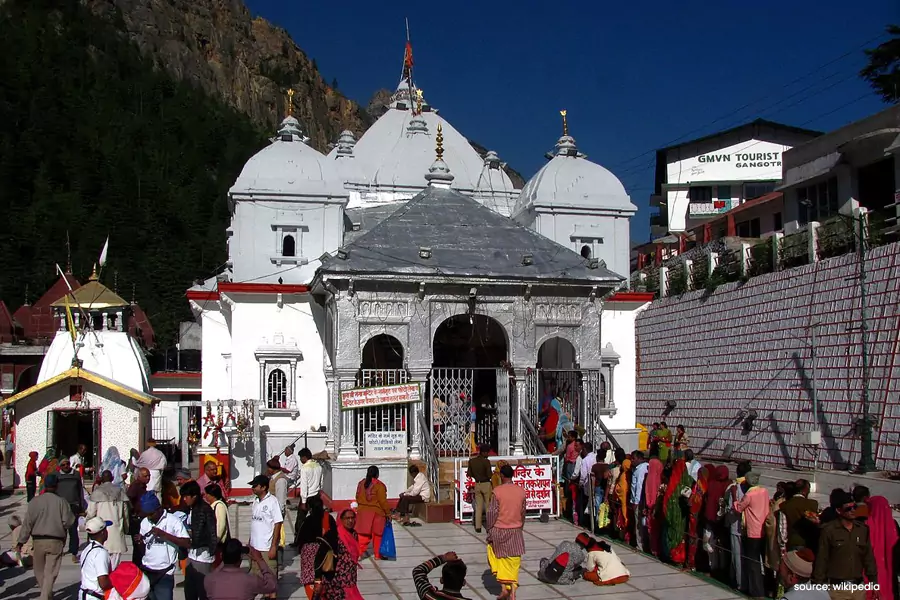
Gangotri Temple

Location:

Gangotri Temple is located beside the Bhagirathi River in the Uttarkashi district. It is 98 km from Uttarkashi, a journey of about 3-4 hours by taxi.

Deity:

The temple enshrines Goddess Ganga, the holiest river in India.

Temple Highlights:

  • Gangotri Temple signifies the origin of the Ganga River and is situated near Gaumukh.
  • The temple is built from white marble and exudes an ethereal aura.

Trekking:

To reach Gaumukh, the origin of the Ganga River, one must trek 19 km from Tapovan. However, no trekking is required to reach the Gangotri Temple itself.

Kedarnath

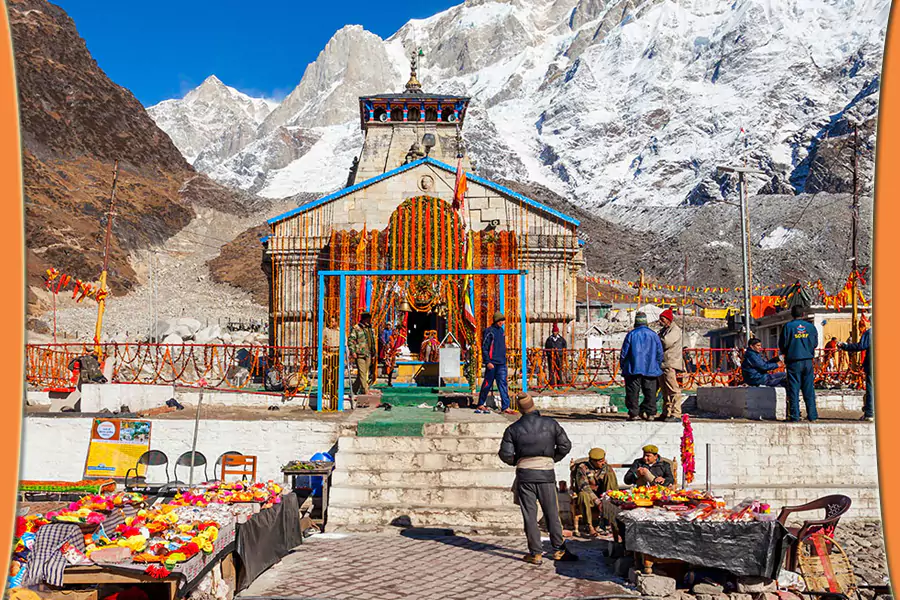
Kedarnath Temple

Location:

Kedarnath Temple is located in the Rudraprayag district, at the foot of the Kedarnath Range. The temple is 48 km from Guptkashi.

Deity:

Kedarnath Temple is dedicated to Lord Shiva in the form of a Jyotirlinga.

Temple Highlights:

  • This temple is among the 12 Jyotirlingas and holds immense historical significance.
  • It is also known for its breathtaking surroundings of snow-covered peaks.

Trekking:

Pilgrims must trek 16 km from Gaurikund to reach the temple. Helicopter services are available for those who prefer to avoid the trek.

Badrinath

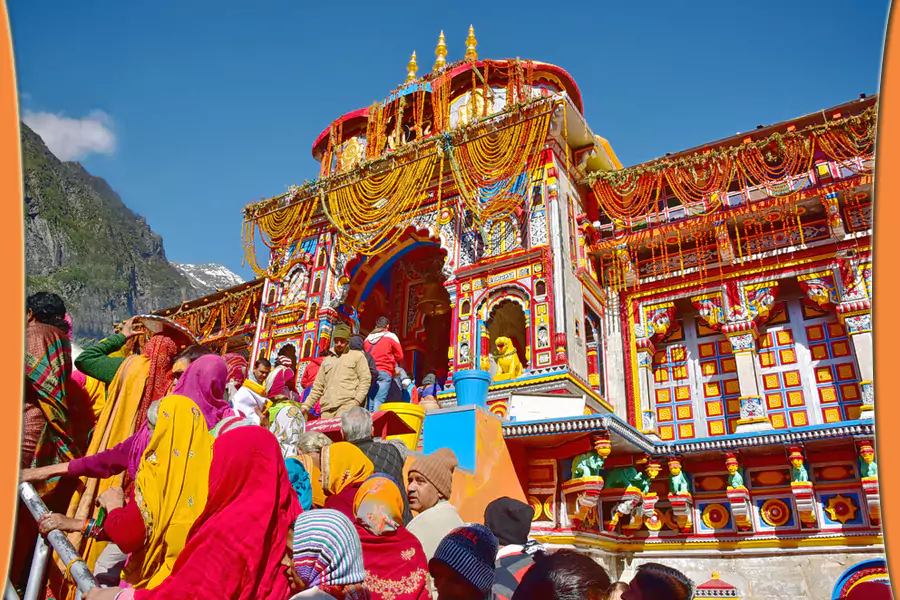
Badrinath Temple

Location:

Badrinath Temple is in the Chamoli district, located between the Nar and Narayan Parvat. Joshimath, the base camp for Badrinath, is 40 km away.

Deity:

The temple is dedicated to Lord Vishnu in the form of Badrivishal.

Temple Highlights:

  • Badrinath Temple is one of the key Char Dham temples and is situated on the banks of the Alaknanda River.
  • It is famous for its Garhwal-style architecture.
  • The temple is historically linked to Lord Vishnu and Devi Laxmi.

Trekking:

Badrinath Temple is easily accessible by road, so no trekking is required.

Additional Attractions:

  • A holy dip in the Tapt Kund, situated near the temple, is considered highly auspicious and purifies the body.

Related Tour Packages


Spiritual Significance and Pilgrimage Experience

Divine Connection:

It is believed that by visiting the Char Dham temples, one can cleanse their soul and free themselves from past sins, moving closer to salvation.

This belief resonates deeply with Hindus, and the Char Dham Yatra is seen as a path to spiritual awakening and peace.

Rituals:

Each Char Dham temple is the center of various spiritual rituals. Pilgrims take dips in the sacred rivers such as the Bhagirathi, Alaknanda, and in Tapt Kund. The Sandhya Aarti at Badrinath is one of the most famous rituals performed during the Yatra.

Rituals like Pind Daan for the salvation of ancestors, carried out at Brahma Kapal near Badrinath, are also integral parts of the pilgrimage.

Cultural Immersion:

The Char Dham Yatra is not only about spirituality but also offers a deep immersion into the Garhwali culture. From the local food to the traditional attire, you will experience the unique lifestyle of the Garhwal region.


Accommodation and Facilities

Lodging:

There are a variety of budget-friendly accommodations, including guesthouses and Dharamshalas, near all the Char Dham sites. For better facilities, one can stay at the base camps of each temple.

Campsites:

If you seek adventure, camping in the high-altitude areas around Kedarnath and Yamunotri is a popular option. This offers a unique experience, surrounded by snow-clad mountains and under the open sky.

Dining:

Vegetarian meals are served at local restaurants along the Char Dham route. The cuisine predominantly consists of North Indian vegetarian dishes, along with traditional desserts and beverages.

Note: Intoxicants are prohibited on the Char Dham Yatra. Respect for the sacred environment is expected.


Route and Travel Tips

Starting Point:

Most pilgrims begin their Char Dham Yatra from Haridwar or Rishikesh, both easily accessible by train or bus. Once in these cities, the journey to Char Dham is completed by bus or rental car. Helicopter services to Char Dham also depart from Dehradun.

Best Time to Visit:

The Char Dham temples open from Akshaya Tritiya in May to Bhai Dooj in October, making this the best period for the pilgrimage. Due to heavy snowfall and extreme cold in winter, the temples are closed from November to April.

Transportation Options:

The Char Dham Yatra can be undertaken by road or helicopter. While the routes to Kedarnath and Yamunotri require trekking, you can opt for Pony or Palki services. Helicopter packages are available to bypass treks, especially for Kedarnath.

Altitude:

As the Char Dham temples are located at high altitudes, pilgrims may experience altitude sickness. To avoid this, it is advised to acclimatize by resting in Haridwar before proceeding to the higher altitudes.


Challenges and Safety Tips

Altitude Sickness:

Altitude sickness is a common concern during the Char Dham Yatra. Symptoms such as dizziness or nausea should be addressed immediately with medical assistance.

Weather:

The weather can change rapidly in the mountains, so always check forecasts before traveling. In the monsoon, carry rain gear.

Health:

Carry basic medical supplies and stay hydrated. Light snacks can help maintain your energy during the trek.

Local Guides:

Hiring local guides can make your journey safer and more enjoyable. Their knowledge of the terrain and routes can ensure a smooth pilgrimage.


Conclusion

The Char Dham Yatra is a life-changing pilgrimage that offers spiritual growth, peace, and a deep connection with nature. With a balance of adventure, culture, and devotion, this sacred journey through the Himalayas is a must for every devotee.

Embarking on the Char Dham Yatra will not only purify your soul but also offer a lifetime of memories and spiritual fulfillment.


Explore Affordable Char Dham Yatra Package for 2026 – Book Now!

A Complete Guide on Panch Prayag

Panch Prayag

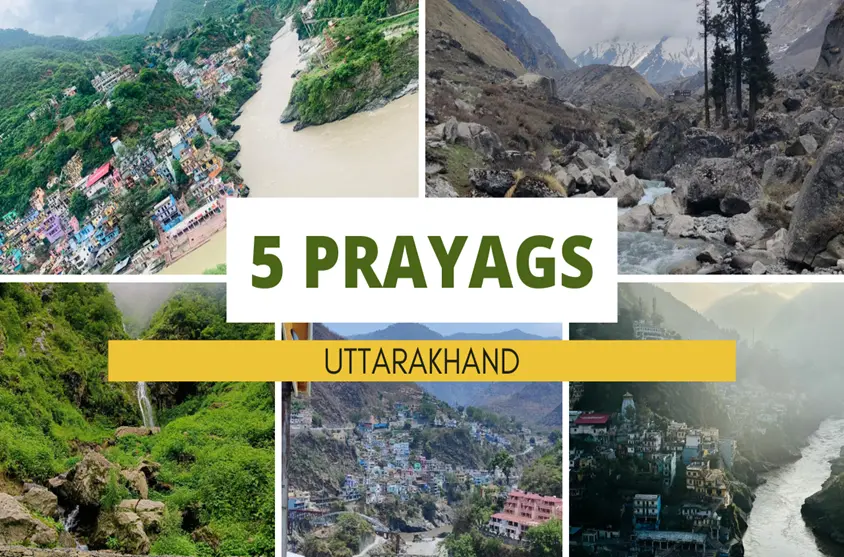
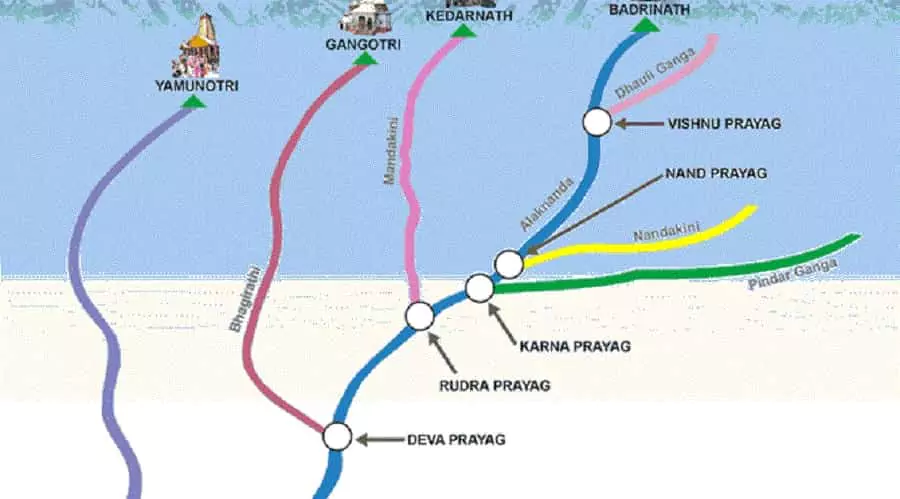
Panch Prayag refers to the five holy confluences of rivers in the Garhwal region of Uttarakhand, India. These sacred meeting points are not only geographical wonders but also hold deep spiritual meaning for devotees, saints, and travelers. The term Prayag means “confluence” or “place of meeting,” and each site in the Panch Prayag series marks the union of two important rivers flowing from the majestic Himalayas.

The five Prayags, arranged in their downstream order from the origin of the Alaknanda River, are:

  • Vishnuprayag – Confluence of Alaknanda and Dhauliganga
  • Nandaprayag – Confluence of Alaknanda and Nandakini
  • Karnaprayag – Confluence of Alaknanda and Pindar
  • Rudraprayag – Confluence of Alaknanda and Mandakini
  • Devprayag – Confluence of Alaknanda and Bhagirathi

Together, they form a spiritually significant route that many pilgrims travel while heading towards the Char Dham Yatra or other Himalayan temples. Visiting all five is believed to cleanse one’s sins and bring blessings for a peaceful life.

The Legend Behind Panch Prayag

According to Hindu mythology, the story of Panch Prayag is deeply connected to the great river Ganga. When King Bhagirath prayed for the river to descend from heaven to purify the ashes of his ancestors, the mighty Ganga agreed. However, her tremendous force could have destroyed the earth upon descent. To prevent this, Lord Shiva caught her in his matted hair and released her gently in multiple streams.

One of these streams became the Alaknanda River, which flows through the Garhwal Himalayas and meets other rivers at the five Prayags before finally joining the Bhagirathi River at Devprayag. This confluence marks the beginning of the sacred Ganga River as we know it.

Many sages and saints have meditated along these riverbanks for centuries, believing the waters here carry divine energy. Even today, pilgrims take ritual baths at each Prayag before proceeding further on their spiritual journeys.

Panch Prayag Route Map

Panch Prayag Route Map

Vishnuprayag – The First of the Five Confluences

Spiritual Significance

Vishnuprayag is the first confluence encountered on the Panch Prayag route when following the Alaknanda River downstream from its origin near the Satopanth Glacier. Here, the sparkling blue waters of the Dhauliganga River meet the Alaknanda River at an altitude of about 1,372 meters (4,501 ft) above sea level.

According to legend, Sage Narada once meditated at this spot to please Lord Vishnu. Pleased by his devotion, Lord Vishnu appeared and blessed him. A small temple dedicated to Lord Vishnu, built by the Maharani of Jaipur in the 19th century, still stands near the site.

Scenic Beauty

Surrounded by snow-capped peaks and dense pine forests, Vishnuprayag offers breathtaking views. The turquoise waters rushing over dark boulders create a stunning scene, and on clear days, distant Himalayan summits glow in the sunlight.

Travel Tips

  • Best Time to Visit: April to June and September to November
  • How to Reach: 13 km from Joshimath on the Joshimath–Badrinath road
  • Nearby Attractions: Auli, Joshimath, Valley of Flowers trek

Nandaprayag – The Second Sacred Confluence

Mythological Significance

Nandaprayag is where the Alaknanda River meets the Nandakini River at 870 meters (2,854 ft) above sea level. Legend says it was named after King Nanda, foster father of Lord Krishna, who performed a grand yajna here. Another version links the name to Goddess Nanda Devi.

Natural Charm

The emerald-green Nandakini joins the foaming Alaknanda, creating a beautiful contrast. The peaceful riverbanks and terraced fields make it an ideal stop for meditation and photography.

Travel Tips

  • Best Time to Visit: March to June and September to early November
  • How to Reach: 20 km from Karnaprayag, between Chamoli and Karnaprayag
  • Nearby Attractions: Gopeshwar, Rudranath Temple trek, Kuari Pass trek

Karnaprayag – The Third Sacred Confluence

Mythological Significance

Karnaprayag is where the Alaknanda River meets the Pindar River at 788 meters (2,585 ft). It is linked to Karna from the Mahabharata, who meditated here and was blessed by the Sun God with armor and earrings. Lord Krishna is said to have performed Karna’s cremation here.

Scenic Beauty

The Pindar River from the Pindari Glacier merges here with the Alaknanda in a stunning display of natural beauty, framed by forested slopes and mountain vistas.

Travel Tips

  • Best Time to Visit: October to April
  • How to Reach: On National Highway 7, 31 km from Nandaprayag
  • Nearby Attractions: Adi Badri Temple, Pindari Glacier trek, Gauchar

Rudraprayag – The Fourth Sacred Confluence

Mythological Significance

Rudraprayag marks the meeting of the Alaknanda River and the Mandakini River at 895 meters (2,936 ft). Named after Lord Shiva (Rudra), it is where Shiva blessed Sage Narada with mastery of music.

Natural Charm

The Mandakini flows from the Chorabari Glacier near Kedarnath and joins the Alaknanda here in a majestic embrace, surrounded by steep slopes and temples.

Travel Tips

  • Best Time to Visit: March to June and September to November
  • How to Reach: 142 km from Rishikesh, 34 km from Karnaprayag
  • Nearby Attractions: Augustmuni, Koteshwar Mahadev Temple, Kedarnath trek

Devprayag – The Fifth and Final Sacred Confluence

Mythological Significance

Devprayag is where the Alaknanda River meets the Bhagirathi River at 830 meters (2,723 ft), forming the holy Ganga River. Named after Sage Dev Sharma, it is believed that bathing here cleanses all sins.

Spiritual Atmosphere

The meeting of the green Bhagirathi and bluish Alaknanda is mesmerizing. Nearby temples include Raghunathji Temple and Chandrabadni Temple.

Travel Tips

  • Best Time to Visit: October to April
  • How to Reach: 70 km from Rishikesh on NH 58
  • Nearby Attractions: Chandrabadni Temple, Dashrathshila, suspension bridge

Best Time to Visit Panch Prayag

The ideal time to explore Panch Prayag is from April to June and September to November. During these months, the climate remains moderate, making it perfect for traveling. The summer season offers clear skies and pleasant temperatures, ideal for sightseeing and spiritual activities.

Avoid visiting during the monsoon period (July to August) due to the high probability of landslides and heavy rainfall, which can hamper travel. Winters (December to February) bring snow in higher elevations, posing travel challenges unless you’re prepared for extreme cold and icy routes.

To enjoy a comfortable journey, plan your visit during the summer (April–June) or autumn (October–November) seasons. Summer temperatures hover between 20℃ and 30℃, while the autumn months offer a cooler climate ranging from 10℃ to 20℃. The monsoon season, from July to September, is not recommended due to frequent downpours, slippery roads, and increased chances of landslides. In winter (December to March), temperatures may drop as low as -9℃, and snowfall in the upper regions can block roads and make navigation tough.

How to Reach Panch Prayag?

Here is a stepwise road journey to reach all five confluences of Panch Prayag:

  • Rishikesh to Devprayag (74 km): Travel along NH7, tracing the path of the Ganga River. At Devprayag, the Bhagirathi and Alaknanda rivers unite to form the sacred Ganga River. This spiritual confluence marks the starting point of the Panch Prayag trail.
  • Devprayag to Rudraprayag (66 km): Drive further on NH7, passing through Srinagar (Garhwal). Here, the Mandakini River merges with the Alaknanda.
  • Rudraprayag to Karnaprayag (34 km): Continue along NH7, moving upstream. Karnaprayag is where the Pindar River from the Pindari Glacier joins the Alaknanda.
  • Karnaprayag to Nandaprayag (21 km): Follow NH7 towards Chamoli. At Nandaprayag, the Nandakini River, originating near the Nanda Devi Glacier, merges into the Alaknanda.
  • Nandaprayag to Vishnuprayag (73 km): Head towards Joshimath via Chamoli, continuing on NH7. At Vishnuprayag, the Dhauliganga River meets the Alaknanda.

Quick Overview of Connectivity

  • Roadways: NH7 (formerly NH58) connects all five Prayags. Buses, shared jeeps, and taxis are available from Rishikesh, Haridwar, and Dehradun.
  • Railways: Nearest major railway stations are Rishikesh and Haridwar. Road travel is required from these stations.
  • Airways: Jolly Grant Airport (Dehradun) is the nearest airport. It is well connected with Delhi and other metro cities.
Panch Prayag Travel Distance & Duration
Destination Distance Duration
Rishikesh to Devprayag 74 km 2 hrs
Devprayag to Rudraprayag 66 km 1–2 hrs
Rudraprayag to Karnaprayag 34 km 1 hr
Karnaprayag to Nandprayag 21 km 40 minutes
Nandprayag to Vishnuprayag 73 km 2 hrs 30 minutes
Delhi to Devprayag 309 km More than 5 hrs
Dehradun to Devprayag 112 km 3–4 hrs
Haridwar to Devprayag 97 km 3 hrs

Panch Prayag Yatra

The Panch Prayag Yatra can be completed as a standalone pilgrimage or as part of the Char Dham Yatra. The full circuit can typically be covered in 5 to 7 days, depending on your itinerary and travel arrangements.

Suggested Yatra Route:

  • Start from Rishikesh or Haridwar
  • Devprayag → Rudraprayag → Karnaprayag → Nandaprayag → Vishnuprayag
  • Extend your journey to Badrinath if desired

Final Thoughts

The journey through Panch Prayag is not just physical; it’s spiritual. As sacred rivers merge under the watch of Himalayan peaks, every confluence tells a mythological story and inspires divine reflection.

Whether you’re on a religious path or seeking natural beauty, each Prayag offers something memorable. For assistance in planning your yatra, contact TripToChardham:

  • Email: info@triptochardham.in
  • Phone: +91 9958647371

FAQs

Are there any entry fees for visiting the Panch Prayag?
No, there are no entry charges to visit any of the confluences.

What important points must be taken care of while visiting the Panch Prayag?

  • Carry valid ID proofs
  • Pack all necessary items
  • Maintain respect and silence at religious places

Is visiting the river confluences safe?
Yes, bathing steps are available. Always check water levels before entering.

Can we take holy dips in Panch Prayag?
Yes, you can at Devprayag, Rudraprayag, Karnaprayag, and Nandprayag. Avoid going too close to Vishnuprayag due to strong river flow.

Is it safe to travel to Panch Prayag in the monsoon?
No, July and August are not recommended due to heavy rain and landslides.

Can I complete the Panch Prayag Yatra in one go?
Yes, with proper planning, it can be done in 5–7 days by private or rental vehicle.

How to Travel Panch Kedar: A Complete Guide

Panch Kedar Temples

The Panch Kedar refers to five sacred Shaivite shrines dedicated to Lord Shiva, located in the Garhwal region of Uttarakhand’s majestic Himalayas. These revered temples are Kedarnath, Rudranath, Madhyamaheshwar, Kalpeshwar, and Tungnath. Known for their deep spiritual significance and breathtaking surroundings, the Panch Kedar sites together form an important pilgrimage route for devotees of Lord Shiva.

A journey to Panch Kedar requires proper planning and awareness of travel details, as it involves days of trekking in the Himalayas. As per legend, these temples were established by the Pandavas, the heroes of the Mahabharata, seeking penance from Lord Shiva. Typically, completing the Panch Kedar Yatra takes about 15 to 16 days. Keep reading to learn more about how to travel Panch Kedar in the best possible way.

Best Time to Travel to Panch Kedar

The Panch Kedar shrines remain open for about six months every year, generally from April to October. The best time to travel to Panch Kedar is during May, June, September, and October, when the weather is pleasant and the trekking trails are safe.

During winter, heavy snowfall makes the high-altitude temples inaccessible. The idols are ceremonially moved to lower-altitude temples for worship:

  • Kedarnath’s idol is shifted to Omkareshwar Temple in Ukhimath
  • Tungnath’s deity is placed at Mukkumath
  • Rudranath’s idol is kept at Gopeshwar
  • Madhyamaheshwar’s idol is also brought to Ukhimath

Kalpeshwar, however, remains open to devotees throughout the year.

While winter treks are possible for seasoned trekkers, they require adequate preparation, warm clothing, and proper trekking gear. The winter landscape of the Himalayas is stunning, offering mesmerizing views of snow-clad peaks and untouched natural beauty.

How To Visit Panch Kedar

Visiting the Panch Kedar involves both road travel and trekking. The journey, which typically takes around 16 days, is a mix of scenic drives through mountain roads and challenging yet rewarding treks. Taxis or private vehicles can be hired for most of the road segments, while the temple approaches must be covered on foot.

As part of tradition, devotees also visit Badrinath Dham to offer prayers to Lord Vishnu after completing the Panch Kedar pilgrimage, signifying the spiritual completion of the yatra.

Below is a general travel route from New Delhi for visiting the Panch Kedar shrines:

Panch Kedar Travel Route Map

Panch Kedar Yatra Route Details
From To Distance & Time Travel Details
New Delhi Haridwar 210 km / 4-5 hrs approx Travel till Haridwar from New Delhi through railway or roadway.
Haridwar Rudraprayag 165 km / 6 hrs approx Drive till Rudraprayag, on the way you can visit Devprayag.
Rudraprayag Kedarnath 75 km / 3 hrs drive & 14 km trek (7-8 hrs approx) Drive to Gauri Kund from Rudraprayag via Guptkashi. Trek 14 km to Kedarnath from Gauri Kund.
Kedarnath Guptkashi 14 km trek & 3 hrs drive Trek down to Gauri Kund from Kedarnath and travel to Guptkashi.
Guptkashi Gaundhar 17 km trek / 8 hrs approx Move towards Gaundhar via Uniana, the starting point of the trek to Madhyamaheshwar.
Gaundhar Madhyamaheshwar 17 km trek / 6 hrs approx Continue the trek from Gaundhar to Madhyamaheshwar.
Madhyamaheshwar Gaundhar 17 km trek / 8 hrs approx Trek back from Madhyamaheshwar to Gaundhar.
Gaundhar Ukhimath 12 km trek / 6 hrs approx & 16 km drive Trek to Jagasu (12 km) and drive 16 km to Ukhimath.
Ukhimath Chopta to Tungnath 35 km / 1 hr drive & 14 km trek Drive from Ukhimath to Chopta and then trek 14 km to Tungnath.
Chopta to Panargupha Rudranath 30 km / 1 hr drive & 22 km trek From Chopta, drive to Sagar and then trek via Panargupha to Rudranath.
Rudranath Dumuk 18 km trek / 8 hrs approx Trek down from Rudranath to Dumuk.
Dumuk Kalpeshwar Mahadev 14 km trek / 5-7 hrs approx Start your trek to Urgam/Kalpeshwar Mahadev and offer prayers.
Kalpeshwar Mahadev Helang 3 km trek / 1 hr approx & 13 km drive Trek down to Helang and travel by road.
Helang Badrinath 35 km drive Travel via Joshimath and Hemkund to Badrinath.
Badrinath New Delhi 532 km / 10 hrs approx Return to New Delhi after completing your Panch Kedar Yatra.

Panch Kedar Route Map

Panch Kedar Route Map

Tips to Travel at The Panch Kedar

  • Ensure you are physically fit before undertaking the yatra, as it involves long treks and high-altitude travel.
  • Carry essential items such as power banks, necessary medicines, skincare creams, energy snacks, and appropriate woollen clothing depending on the month of travel.
  • Remember that the Panch Kedar temples are open for only six months each year, except Kalpeshwar, which remains accessible year-round.
  • Start your day early to ensure you have enough time for temple visits and to manage the long travel distances.

May Lord Shiva’s blessings guide your journey. Before setting out, go through this Panch Kedar travel guide carefully to prepare for an enriching and spiritually fulfilling experience.

Explore Affordable Chardham Yatra Package for 2026 – Book Now!

List of Top 5 Char Dham Packages for 2026

Char Dham yatra packages

The Char Dham Yatra is one of the most sacred spiritual journeys in India, taking you to four holy shrines — Yamunotri, Gangotri, Kedarnath, and Badrinath. Known as the “path to salvation,” this yatra is believed to cleanse the soul and bring peace.

Spiritual Significance of Char Dham

According to Hindu beliefs, visiting these four dhams washes away sins and ensures moksha (liberation). Each dham holds its own unique legends, making the journey spiritually enriching.

Why 2026 is a Special Year for Char Dham Travelers

With improved infrastructure, better roads, and upgraded facilities, 2026 promises a more comfortable travel experience. The temples are also expected to introduce advanced crowd management for a smoother darshan experience.


How to Choose the Best Char Dham Package

Factors to Consider

When picking your char dham tour package, think about your budget, travel style, physical health, and time availability.

Ideal Duration for the Trip

The standard Char Dham Yatra takes about 10–12 days, though helicopter packages can complete it in 4–5 days.

Best Time to Visit in 2026

The yatra season typically begins in April/May and ends around October/November. The best months are May, June, September, and early October.


Top 5 Char Dham Packages for 2026

1. Char Dham Yatra Standard Package

Package Overview

A budget-friendly option covering all four dhams via road journey.

Inclusions & Highlights

Accommodation in decent hotels, meals, guided sightseeing, and transfers.

Cost & Duration

Approx. ₹28,000–₹35,000 per person for 10–12 days.


2. Char Dham Luxury Package

Package Overview

Designed for travelers seeking maximum comfort with high-end hotels and VIP darshans.

Premium Services & Amenities

Luxury hotels, top-class vehicles, personal guide, and gourmet meals.

Cost & Duration

Approx. ₹65,000–₹90,000 per person for 10–12 days.


3. Char Dham Yatra by Helicopter

Package Overview

Perfect for those with limited time or physical constraints. Covers all dhams via helicopter services.

Key Benefits

Saves time, ensures hassle-free darshan, includes luxury stay and meals.

Cost & Duration

Approx. ₹2.0–₹2.5 lakh per person for 4–5 days.


4. Char Dham Yatra from Delhi

Package Overview

Starts from Delhi and covers Haridwar, Rishikesh, and the four dhams.

Route & Attractions

Delhi → Haridwar → Yamunotri → Gangotri → Kedarnath → Badrinath → Delhi.

Cost & Duration

Approx. ₹32,500–₹55,000 per person for 12–14 days.


5. Char Dham Yatra from Haridwar

Package Overview

Ideal for those who want a shorter starting point.

Route & Attractions

Haridwar → Yamunotri → Gangotri → Kedarnath → Badrinath → Haridwar.

Cost & Duration

Approx. ₹28,500–₹40,000 per person for 10–12 days.


Travel Tips for Char Dham Yatra 2026

Health & Safety Tips

  • Acclimatize to the altitude before starting treks.

  • Carry essential medicines and stay hydrated.

Packing Essentials

  • Warm clothing, rain gear, trekking shoes, and personal toiletries.

Travel Insurance Considerations

Always opt for a package that includes travel insurance for emergencies.


Conclusion

The Char Dham Yatra 2026 offers a variety of packages to suit every traveler’s needs, whether you’re seeking budget-friendly options, luxury comfort, or a quick helicopter tour. Booking early and choosing the right package ensures a peaceful, fulfilling journey to these sacred shrines.


FAQs

Q1: Which is the best month to visit Char Dham in 2026?
May, June, September, and early October are ideal months.

Q2: How early should I book my Char Dham package for 2026?
Booking at least 4–6 months in advance is recommended.

Q3: Are there customizable Char Dham packages available?
Yes, most travel companies offer tailored itineraries.

Q4: What is the difference between a standard and luxury package?
Luxury packages include better hotels, vehicles, VIP darshan, and premium services.

Q5: Can elderly people complete the Char Dham Yatra comfortably?
Yes, with proper planning and possibly choosing a helicopter package, it’s possible.

Explore Affordable Char Dham Yatra Package for 2026 – Book Now!

Complete Kedarnath Trek Guide: Routes, Tips & Travel Essentials

Kedarnath Temple

Are you planning on taking the Kedarnath Yatra?

If yes, then it is essential to gather the right information about your journey. The Kedarnath Yatra covers a 16 km trek to the sacred temple, offering a deeply spiritual experience in the Himalayas. With the right guidance, your trip can be peaceful, comfortable, and truly memorable. This detailed guide will help make your journey smooth and enjoyable.

Guide for Kedarnath Trek

How to Reach Kedarnath by Road (up till Sonprayag)

If you choose to travel by road, taxis and buses run by GMOU Ltd. are available. From Delhi, first reach Dehradun by road, rail, or air. From there, continue to Haridwar, and then follow the route towards Kedarnath.

Route from Delhi to Kedarnath:

  • New Delhi – Haridwar (206 km)
  • Haridwar – Rishikesh (24 km)
  • Rishikesh – Devprayag (74 km)
  • Devprayag – Srinagar (34 km)
  • Srinagar – Rudraprayag (33 km)
  • Rudraprayag – Gaurikund (via Augustmuni – Guptkashi – Phata – Sitapur – Sonprayag, 74 km)
  • Gaurikund to Kedarnath by trek (16 km)

A direct bus from Delhi’s Kashmiri Gate ISBT to Gaurikund, operated by Uttarakhand Transport Corporation, is another option. From Gaurikund, the remaining journey is on foot.

How to Reach Kedarnath by Air

  • From Dehradun: Travel to the Sahastradhara Helipad and board a helicopter directly to Kedarnath in about 40 minutes.
  • From Haridwar/Rishikesh: Travel by taxi to Phata (around 200 km) and take a helicopter to the temple.

How to Reach Kedarnath via Trekking

From Sonprayag, shared cabs (₹20 per person) will take you to Gaurikund. The trek to Kedarnath starts from this point.

Trekking Distance for Kedarnath

The trek covers 16 km from Gaurikund to the temple. After the 2013 floods, the route was rebuilt.

Current Trekking Route:

  • Sonprayag to Gaurikund by taxi (6 km)
  • Gaurikund – Jungle Chatti (via Rambara bridge) – 4 km
  • Jungle Chatti – Bheembali – 3 km
  • Bheembali – Linchauli – 4 km
  • Linchauli – Kedarnath base camp – 4 km
  • Kedarnath base camp – Kedarnath temple – 1 km

Important Features of Kedarnath Trek

  • The trek requires good physical fitness.
  • A medical check-up is recommended, especially for those with respiratory or heart conditions.
  • Trekking is permitted only between 4:00 am and 1:30 pm, as the route lies within Kedarnath Wildlife Sanctuary.

Facilities at Kedarnath Trek

  • Alternative travel options include Palki/Doli, Kandi, and ponies, available at Gaurikund or Sonprayag.
  • Palki: ₹4,450/- (Gaurikund to Kedarnath)
  • Kandi: ₹3,350/-
  • Pony: ₹4,100/-
  • Along the route, you will find tent accommodations, drinking water, eateries, and first-aid points.
  • Helicopter services also operate between Kedarnath and Phata.

Things to Remember Prior to Going on Your Trek to Kedarnath

  • Get a complete health check-up before travelling.
  • Avoid the trek if you have serious breathing or blood pressure issues.
  • Book palki, pony, or kandi services in advance.
  • Follow the government’s fixed trekking hours.
  • If needed, stay overnight at Jungle Chatti, Bheembali, or Linchauli and continue the next day.

Trekking Tips and Guide

  • Hire government-approved pony or palanquin services for convenience.
  • Luggage limits: 10 kg for ponies, 5 kg for helicopters.
  • Prepare for high altitude (11,000–12,000 ft) with yoga and breathing exercises.
  • Wear comfortable clothing like salwar kameez with sports shoes; avoid sarees.
  • Take short breaks to avoid exhaustion and practice breathing exercises like Anulom Vilom before the trip.
  • Carry dry fruits or packaged snacks for energy during the trek.

Overall Experience

The Kedarnath trek is challenging but offers unmatched spiritual and natural beauty. Physical preparation makes it easier and more enjoyable. The well-maintained paths, available facilities, and the divine energy of the temple create a safe and inspiring Yatra.

This Kedarnath Yatra trekking guide will help you plan better, stay safe, and make the most of your journey.

OUR RECOMMENDED TOUR

How to reach Kedarnath and Badrinath?

Do Dham Yatra

Planning a trip to Kedarnath and Badrinath can feel overwhelming due to the remote locations, terrain, and multiple transport options involved. Here’s a complete and easy guide to help you plan your journey smoothly.


How to Reach Kedarnath

Starting Points

  • Haridwar/Rishikesh: Most travelers begin their journey from Haridwar or Rishikesh. Buses and shared taxis are available from both cities to Sonprayag or Guptkashi.

You can get a bus from Haridwar to Sonprayag from the main bus stand. Alternatively, you can also catch a direct bus from Delhi (Kashmere Gate ISBT) to Guptkashi.

Travel to Gaurikund

  • Sonprayag to Gaurikund: From Sonprayag, you must take a local shared jeep (around ₹50 per person) to reach Gaurikund, which is the last motorable point and starting point of the trek.

Trek to Kedarnath

  • Gaurikund to Kedarnath: The trek spans around 16-18 km and takes approximately 6–8 hours, depending on your pace and fitness.

The trek is scenic but often crowded with mules and horses. Carry light snacks like energy bars and dates for a quick energy boost.

Alternative Options

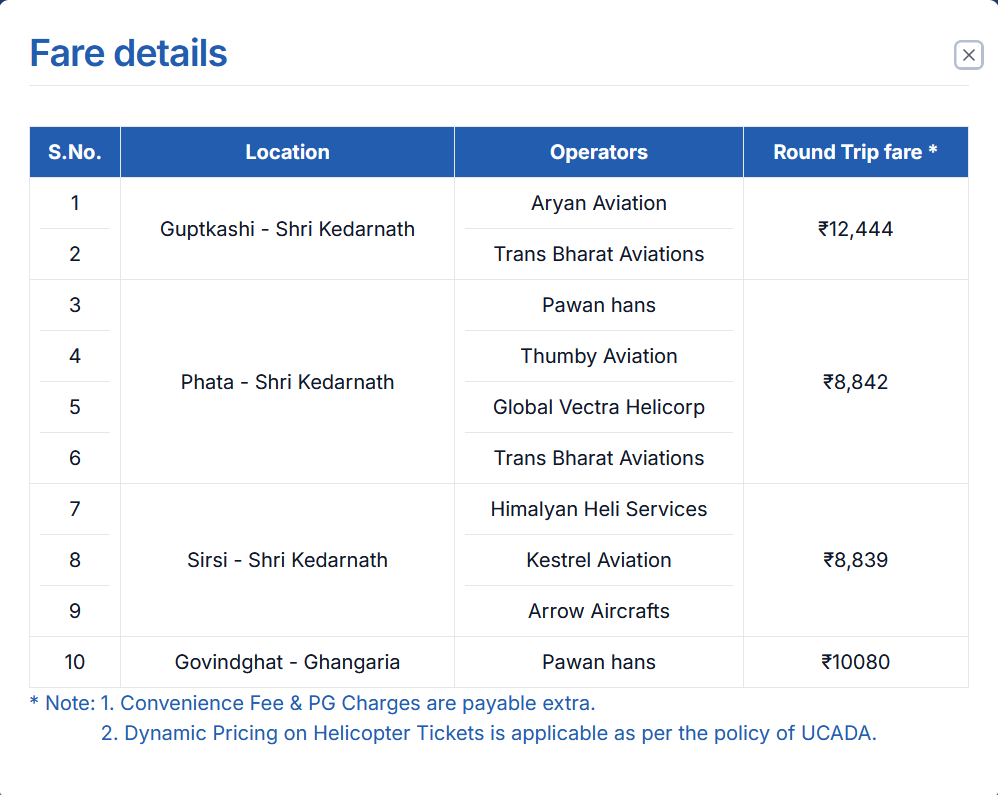
  • Helicopter Services: Helicopter rides are available from Phata, Guptkashi, and Sirsi. Advance booking is recommended.

Helicopter flights start early morning. I was on the second flight around 6:20 AM and reached Kedarnath in 10 minutes.

Want to skip the planning and go worry-free? Our Kedarnath Yatra Packages cover transport, stay, and even VIP darshan options.


How to Reach Badrinath

Starting Points

  • Haridwar/Rishikesh: These cities serve as the base for the Badrinath route as well.

You can easily find buses operated by Uttarakhand Transport Corporation (UTC) or GMOU. They are reliable and economical.

Travel to Badrinath

  • Direct Buses: Buses from Haridwar/Rishikesh go directly to Badrinath. However, it’s advisable to break your journey at Joshimath and then take another ride onward.

Pick a stay near the bus stand in Badrinath. The temple is a short 10–15-minute walk, which makes it easier to catch early return buses.

Local Travel

  • Shared Taxis: Available from Joshimath to Badrinath throughout the day. They are convenient and reasonably priced.

Note: Buses/taxis are also available from Guptkashi to Sonprayag.

You can also explore our Badrinath Tour Packages if you’re only planning to visit Badrinath Dham.


Additional Tips

Accommodation Bookings

  • GMVN Guest Houses: For budget-friendly and well-located stays, check GMVN accommodations. They offer basic but clean rooms.

  • Helicopter Bookings: Book in advance through official portals or authorized agents for Phata/Guptkashi-Sirsi to Kedarnath services.

  • UTC Buses: While UTC offers extensive route coverage, many buses are not available for online booking. Visit bus stands early to secure seats.

Registration

  • Mandatory Registration: All travelers to Kedarnath and Badrinath must register. You can do this online via the Uttarakhand Yatra portal or offline at counters en route.

Tip: If already registered online, carry a printout or digital copy for verification.

What to Carry

  • Warm Clothes: Weather can change quickly, even in summer. Carry thermal wear, woolens, gloves, caps, and a raincoat.

  • Cash: ATMs are rare after Rudraprayag or Joshimath. Carry enough cash for your entire journey.

  • Trekking Gear: Avoid tight jeans and regular sports shoes. Instead, wear comfortable trekking shoes (e.g., from Decathlon) and loose, warm clothing.

  • First Aid & Essentials: Carry pain relief spray, medicines for altitude sickness, torch, power bank, ID proof, and photocopies.


Conclusion

Reaching Kedarnath and Badrinath requires thoughtful planning, especially regarding transport and accommodations. With the right preparation, your spiritual journey can be safe, smooth, and unforgettable.


Frequently Asked Questions

Q1. What is the best time to visit Kedarnath and Badrinath?
A: May to June and September to mid-November are ideal months. Avoid the monsoon season (July–August) due to landslides.

Q2. Is registration compulsory for Kedarnath and Badrinath Yatra?
A: Yes, registration is mandatory. You can do it online on the official Uttarakhand tourism website or at physical counters.

Q3. How far is the Kedarnath trek and is it difficult?
A: The trek is around 16–18 km from Gaurikund. It’s moderate in difficulty; elderly people should consider palki or helicopter services.

Q4. Can I do both Kedarnath and Badrinath in one trip?
A: Yes! It is common to visit both in one trip, especially as part of the Char Dham Yatra. Ideally, visit Kedarnath first, then Badrinath.

Q5. Is helicopter service available to both temples?
A: Helicopter services are available only for Kedarnath (from Phata, Guptkashi, and Sirsi). No helicopter service is available for Badrinath.

If you’re looking for a complete Char Dham journey including Kedarnath and Badrinath, check out our Char Dham Tour Package for a hassle-free experience.

How to Reach Kainchi Dham?

How to Reach Kainchi Dham?

Reaching Kainchi Dham, a renowned spiritual site associated with Neem Karoli Baba, can be a bit challenging but is definitely manageable with proper planning. Here are some practical tips and routes based on the experiences shared by our customer:

About Kainchi Dham Tour, Nainital

1. By Air

  • Fly to Delhi: Most international and domestic travelers fly into Delhi. From Delhi, you can follow these steps:
    • Delhi to Haldwani: Take a bus from Anand Vihar Bus Station to Haldwani. Buses are frequent and comfortable. “You can take a Bus from Delhi (Anand Vihar Bus Station ) to Haldwani.”
    • Haldwani to Kainchi Dham: From Haldwani, you can hire a taxi or take a shared cab to Kainchi Dham. The journey is approximately 1.5 hours. “From Haldwani it’s hardly 1.5hrs and you can easily get a taxi.”

2. By Train

  • Delhi to Kathgodam: Take a train from Delhi to Kathgodam. This is a direct and comfortable option. “I took train from Delhi to kathgodam and from there got the bus.”
  • Kathgodam to Kainchi Dham: From Kathgodam, you can take a bus or a taxi to Kainchi Dham. The journey is about 2 hours. “From Kathgodam you’ll find simple taxis that will drop you to Kanchi Dham.”

3. By Road

  • Delhi to Nainital/Bhimtal: You can drive directly from Delhi to Nainital or Bhimtal, which are nearby towns. From there, Kainchi Dham is easily accessible by local transport. “You can stay in Bhimtal or nearby Hotels a day before.”
  • Nainital/Bhimtal to Kainchi Dham: Regular buses and shared taxis are available from Nainital and Bhimtal to Kainchi Dham. “Nanital is like 30 minutes away from Kainchi.”

Additional Tips

  • Best Time to Visit: Avoid weekends and major holidays as the place tends to get very crowded. “Also, avoid weekends if possible.”
  • Accommodation: Staying overnight at Kainchi Dham is not allowed, but there are many hotels and homestays nearby. “There are a lot of hotels right in front of the temple.”
  • Preparation: It’s recommended to carry essentials like a blanket, meditation mala, and comfortable clothing. “Get a blanket, ring or meditation mala, and make it touch the Baba murti.”

21 Crucial Do’s & Don’ts During Chardham Yatra for a Hassle-Free Spiritual Journey

Do’s & Don’ts During Chardham Yatra

The Chardham Yatra holds immense spiritual significance for millions of Hindus who believe that visiting the four sacred shrines — Yamunotri, Gangotri, Kedarnath, and Badrinath — helps attain salvation and cleanses one of sins. Nestled in the lap of the Himalayas, these destinations are not just spiritual milestones but also natural wonders. But, due to the challenging terrains, unpredictable weather, and high-altitude conditions, undertaking this Yatra requires meticulous preparation. Understanding the Do’s and Don’ts during Chardham Yatra ensures a safe, respectful, and spiritually enriching experience.

Essential Do’s During Chardham Yatra

Before setting out on this revered pilgrimage, thorough health check-ups are advisable. Due to the high-altitude locations, people with respiratory, cardiac, or chronic illnesses must consult doctors. Acclimatizing gradually to the altitude helps avoid mountain sickness.

Booking accommodations and travel arrangements well in advance can save you last-minute stress, especially during peak season from May to October. Carry multiple layers of clothing as temperatures fluctuate drastically — mornings may be pleasant, but nights can be freezing.

Keep essential identification documents like Aadhar Card, health certificates, and permits handy. Respecting local customs, temple rituals, and adhering to prescribed timings reflects your reverence for the Yatra.

Water intake is crucial to avoid dehydration in the thin Himalayan air. Carry your own refillable water bottles to reduce plastic waste. Always pack a basic first-aid kit, including altitude sickness medicines, antiseptics, and prescribed drugs.

Listening to local authorities, guides, and temple staff ensures your safety. Participating in temple aartis and rituals respectfully enhances the spiritual experience. Moreover, buying from local shops and artisans supports the region’s economy.

Major Don’ts During Chardham Yatra

One of the primary rules is avoiding littering at these ecologically fragile sites. Plastic pollution not only mars the environment but also disrespects the sanctity of the holy places.

Consumption of alcohol, smoking, or any form of intoxication is strictly prohibited near religious shrines and throughout the Yatra route. Likewise, disrespectful behavior, loud conversations, or inappropriate attire within temple premises is discouraged.

Overexertion, especially by those unaccustomed to trekking at high altitudes, can lead to severe health issues. Weather warnings, particularly during the monsoon, must be taken seriously to avoid landslides and road closures.

Photography is restricted in many temple premises; always respect signs prohibiting it. Trekking solo or venturing off designated routes can be dangerous due to wildlife, uneven paths, and weather changes.

Ensure your tour guides, porters, or helicopter services are licensed to avoid scams and ensure safety.

Packing Checklist for Chardham Yatra

A successful Chardham Yatra begins with intelligent packing. Layered clothing, thermals, woolens, waterproof jackets, sturdy shoes, gloves, and caps are non-negotiable. Medicines, prescribed by doctors, including those for altitude sickness, are essential.

Carry necessary documents, emergency contact numbers, and some cash as digital payment infrastructure may be limited. Prayer items, offerings, and incense can be carried for temple rituals.

Electronics like mobile phones, cameras, and power banks are handy, but usage should be restricted during sacred ceremonies.

Understanding the High-Altitude Challenges

Altitude sickness is common above 8,000 feet. Symptoms include headaches, nausea, breathlessness, and fatigue. Gradual acclimatization, avoiding alcohol, staying hydrated, and following medical advice minimize risks. Many camps en route provide basic medical aid.

Safety Guidelines for a Secure Journey

Opt for certified guides and porters familiar with the terrain. Staying in authorized lodgings ensures better facilities and emergency support. If applicable, follow COVID-19 protocols like mask-wearing, sanitization, and social distancing.

Respecting Local Communities and Culture

Understanding and honoring local customs fosters harmony. Learning basic phrases in Hindi or regional dialects reflects courtesy. Purchasing local handicrafts or organic produce supports livelihoods.

Eco-Friendly Practices During Chardham Yatra

Carry cloth bags, reusable utensils, and water bottles. Avoid single-use plastics entirely. Participate in clean-up drives if possible. Pilgrims should leave the Himalayas as pristine as they found them.

Navigating Transportation During Chardham Yatra

Use only registered taxis, jeeps, or buses. Road conditions can be treacherous during rains. Helicopter services are popular for Kedarnath; however, book through authorized agencies and adhere to weight and baggage restrictions.

What to Expect During the Yatra Season

The Yatra season spans May to October. May-June offers pleasant weather, while July-September brings heavy rains. October can be chilly but less crowded. Always check weather forecasts and local advisories before traveling.

Common Mistakes Pilgrims Make

Underestimating fitness levels, neglecting insurance, or carrying inappropriate gear can jeopardize your journey. Travel insurance covering emergencies and helicopter evacuations is recommended.

Do’s & Don’ts During Chardham Yatra for Families and Elderly

Elderly pilgrims should undergo medical evaluations and avoid strenuous treks. Families with young children must carry extra warm clothing, snacks, and medicines. Be mindful of the group’s pace to prevent exhaustion.

Medical Facilities and Emergency Help

Major camps and towns along the route have medical facilities, but they may be basic. Identify the nearest hospitals in cities like Rishikesh and Dehradun. Keep helpline numbers readily accessible.

Temple Etiquettes and Ritual Guidelines

Most temples mandate modest clothing — avoid shorts or sleeveless tops. Participate in prayers with sincerity, and do not interrupt ceremonies. Prohibited items include leather goods, mobile phones (in some temples), and photography equipment where disallowed.

Spiritual Significance of Each Chardham Destination

  • Yamunotri: Dedicated to Goddess Yamuna, known for its hot springs.

  • Gangotri: Source of the sacred Ganga river.

  • Kedarnath: Seat of Lord Shiva, reachable via trek or helicopter.

  • Badrinath: Shrine of Lord Vishnu, famed for its colorful facade and myths.

Sustainable Tourism and Your Role

Respect for nature ensures future generations experience the Himalayas’ beauty. Choose eco-friendly transport, reduce carbon footprint, and advocate responsible pilgrimage.

Local Foods and Cuisine During the Yatra

Savor local dishes like Aloo ke Gutke, Rajma Chawal, and hot teas. Stick to hygienic eateries. Avoid raw foods or unfiltered water to prevent illnesses.

Weather Preparedness and Seasonal Hazards

Monsoon rains cause landslides; winter brings snow-blocked routes. Dress appropriately, and pack rain gear, thermal wear, and waterproof shoes.

Technological Tools to Help You

Mobile apps for navigation, weather updates, and temple timings simplify your Yatra. Portable chargers and offline maps are advisable.

FAQs About Chardham Yatra Do’s and Don’ts

What is the best time for Chardham Yatra?
May to June and September to October are ideal for pleasant weather and safer roads.

Are there age restrictions for Chardham Yatra?
There’s no strict age limit, but elderly or ill pilgrims should consult doctors beforehand.

Can I do the Yatra solo?
It’s safer to travel with groups or certified guides, especially in remote regions.

Is photography allowed in temples?
It’s restricted inside most temples; always respect signage and guidelines.

What documents are mandatory?
ID proofs, health certificates (sometimes), permits, and travel tickets.

How can I avoid altitude sickness?
Acclimatize slowly, hydrate, avoid alcohol, and recognize early symptoms.

Conclusion: Making Your Chardham Yatra Fulfilling and Safe

The Chardham Yatra is more than a physical journey — it’s a test of faith, endurance, and respect for nature. By following these Do’s and Don’ts, pilgrims can ensure not only their safety but also preserve the Himalayas’ sanctity for generations to come. Let reverence guide your every step.

If you are looking for Char Dham Tour Package, book here: https://www.triptochardham.in/char-dham-packages

Kailash Mansarovar Yatra 2025: Complete Travel Guide, Routes & Darshan

Kailash Mansarovar Yatra Packages

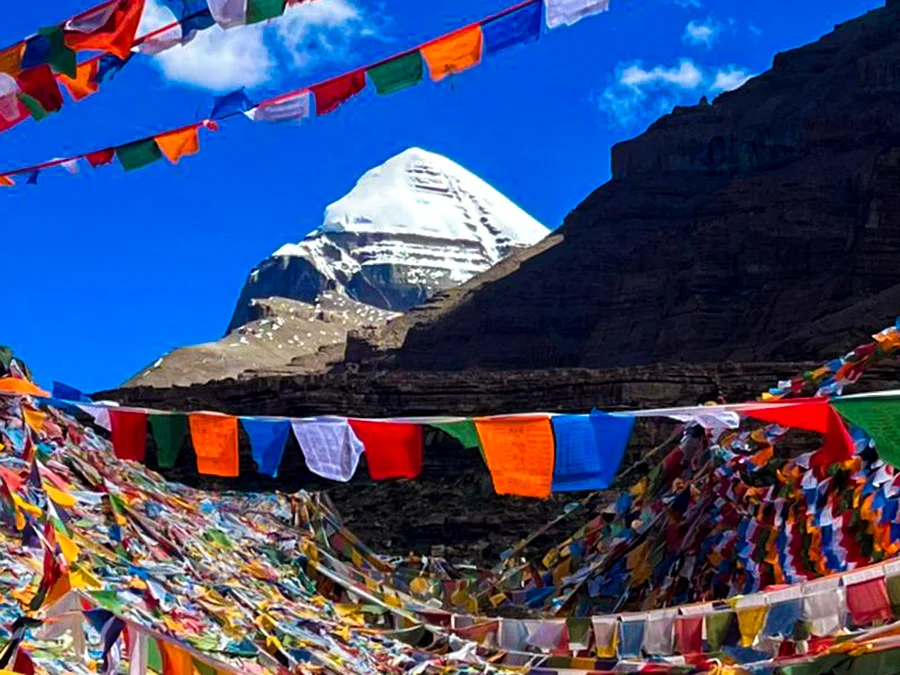
Mount Kailash and Lake Mansarovar are among the most sacred places on Earth. Their breathtaking beauty and deep spiritual significance make the Kailash Mansarovar Yatra one of the holiest journeys for Hindus, Buddhists, Jains, and followers of Bon religion.

For millions of Lord Shiva devotees, the dream of witnessing Mount Kailash Darshan and bathing in the sacred waters of Lake Mansarovar is a once-in-a-lifetime experience. However, this pilgrimage is not an easy one—it requires physical endurance, careful planning, and the right travel arrangements.

Situated on the rugged Tibetan plateau, reaching Kailash Mansarovar involves either overland journeys with long treks or aerial options for those seeking comfort. Whether you choose the traditional land route or the modern Kailash Aerial Darshan, every path promises spiritual rewards but demands preparation.

In this guide, discover how to plan your journey hassle-free with the right Kailash Mansarovar Yatra Package suited to your preferences.

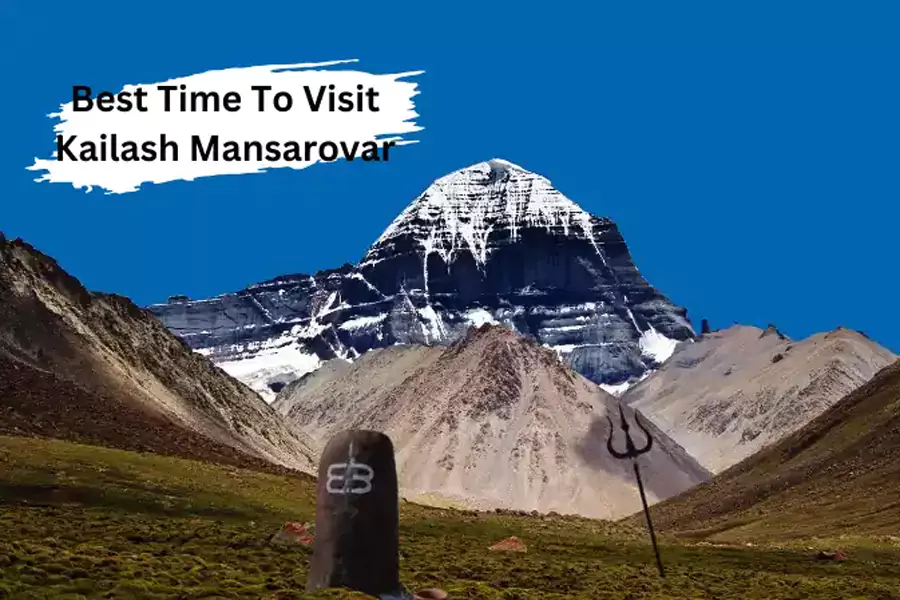
Best Time to Book Kailash Mansarovar Yatra

The Kailash Mansarovar Yatra takes place from May to September each year. However, the region’s weather is unpredictable due to its high altitude and remote location near the borders of Tibet, Nepal, and India.

Here’s the ideal time for the Yatra:

May to June – Summer Season

These months offer pleasant temperatures, making trekking and travel more manageable. With clear skies and moderate weather, it’s one of the best times to witness Mount Kailash and Lake Mansarovar.

September to October – Autumn Season

Post-monsoon months provide cool, stable weather, offering another ideal window for the Kailash Mansarovar Yatra. The landscapes are vibrant, and views are crystal clear.

Popular Kailash Mansarovar Yatra Routes

To make your journey easy and unforgettable, several travel routes are available under our trusted Kailash Mansarovar Yatra Package options:

1. Kailash Mansarovar Aerial Darshan

The most comfortable and fastest way to witness Mount Kailash is through the Aerial Darshan route. This short, 3-day trip allows you to enjoy breathtaking views of Mount Kailash and Lake Mansarovar from a mountain flight.

Key Highlights:

✔️ No trekking required
✔️ Starts from Nepalgunj
✔️ Ideal for senior citizens or those short on time

2. Kailash Mansarovar Yatra via Limi Lapcha Valley

The Limi Lapcha Valley Route combines road travel and short flights, making it convenient for many travellers. This 6-day journey offers one of the closest viewpoints for Mount Kailash Darshan.

Itinerary Snapshot:

✔️ Begin your Yatra from Lucknow

✔️ Fly to Nepalgunj, then to Simikot

✔️ Road trip to Tumling with overnight stay

✔️ 2-hour drive to Limi Lapcha for Mount Kailash Darshan

✔️ Return journey via Simikot and Nepalgunj

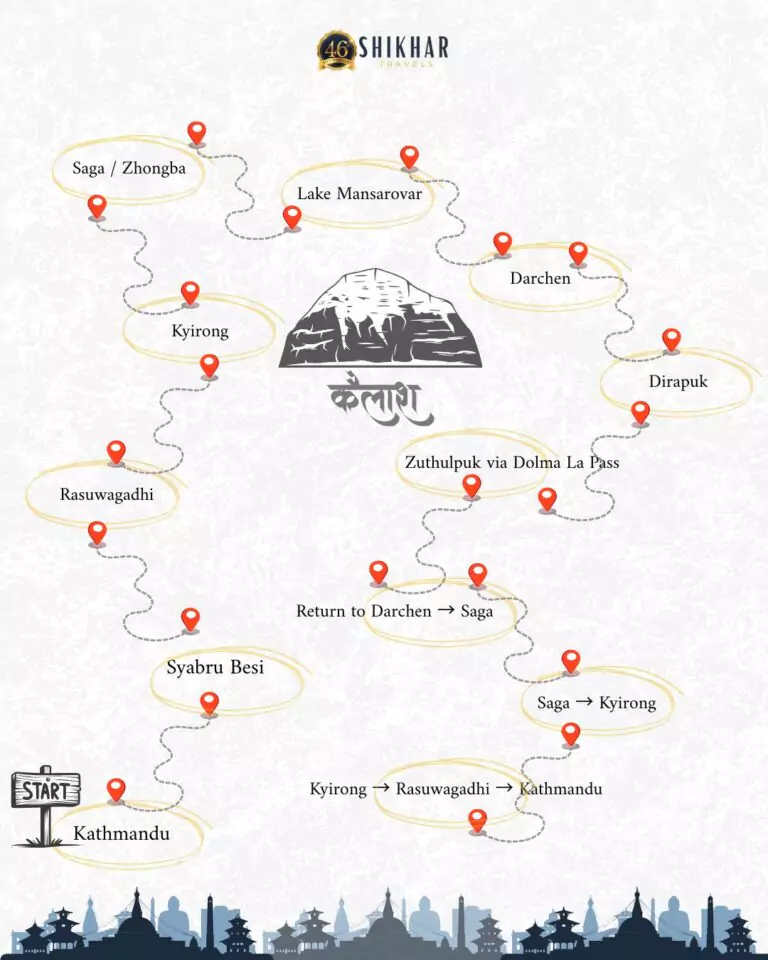
3. Kailash Mansarovar Yatra by Helicopter from Kathmandu

This 11-day journey is one of the most popular Kailash Mansarovar Packages, blending both aerial and overland experiences.

Itinerary Highlights:

✔️ Drive to Nepalgunj and fly to Simikot

✔️ Helicopter transfer to Hilsa, then road trip to Purang

✔️ Visit Lake Mansarovar by AC bus

✔️ Proceed to Darchen, the base point for Kailash Parikrama

✔️ Option to explore Ashtapad, believed to be Lord Shiva’s abode

✔️ Return via helicopter to Simikot and Nepalgunj, then to Kathmandu

Must-Visit Places During Kailash Mansarovar Yatra

Your Kailash Mansarovar Yatra Package is incomplete without exploring these divine sites:

✅ Lake Mansarovar – Sacred waters believed to cleanse the soul

✅ Rakshastal Lake – Mysterious twin lake near Mansarovar

✅ Ashtapad – Ancient place of spiritual significance

✅ Yam Dwar – Gateway to the realm of the gods

✅ Gauri Kund – Holy lake associated with Goddess Parvati

✅ Nandi Parvat – Symbol of devotion and loyalty

✅ Shivasthal – Sacred site on the Parikrama route

Final Thoughts – Book Your Kailash Mansarovar Package Today

The Kailash Mansarovar Yatra is more than a pilgrimage; it’s a spiritual awakening and a personal journey into the heart of divinity. With challenging terrain, high-altitude conditions, and unpredictable weather, proper planning is essential.

Choose the right Kailash Mansarovar Tour Package based on your health, comfort, and preferences. From quick Aerial Darshan to overland treks or luxurious helicopter tours, every route offers a life-changing experience.

If you are planning other sacred journeys in India, our popular Char Dham Tour Packages is a perfect option to explore the holy shrines of Yamunotri, Gangotri, Kedarnath, and Badrinath.

Pack your bags, prepare your mind, and get ready to witness the sacred Mount Kailash and Lake Mansarovar like never before.

For bookings, customised packages, or travel assistance, reach out to us at +91-9958647371 today.