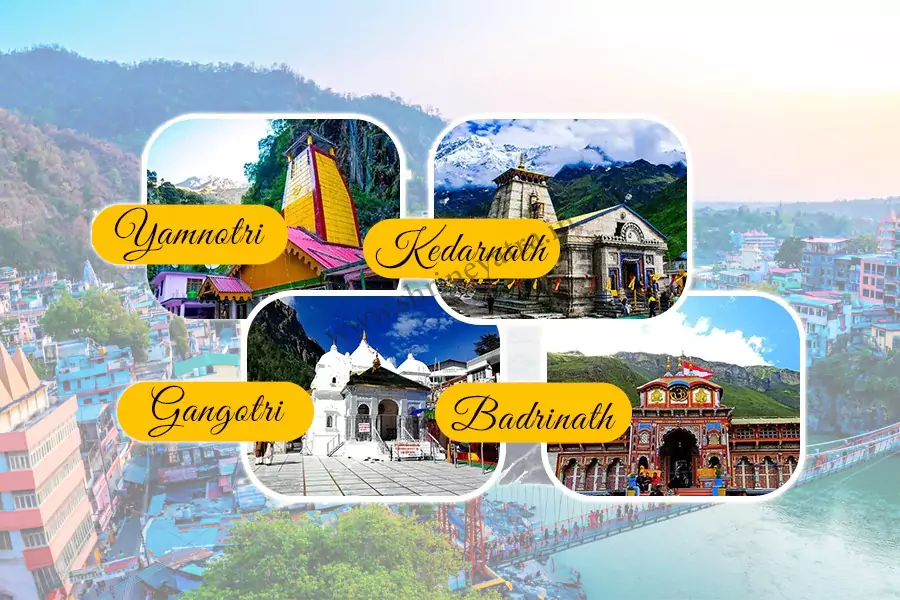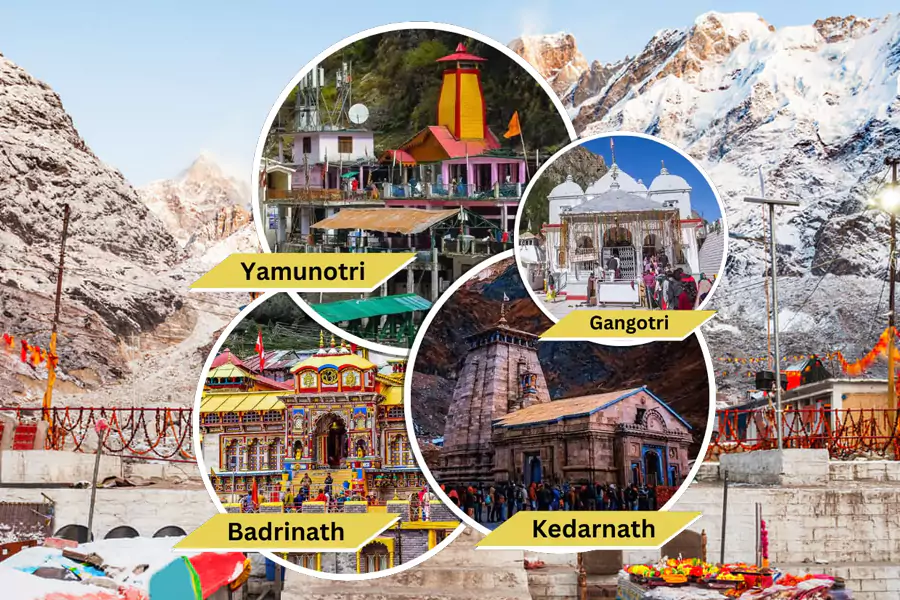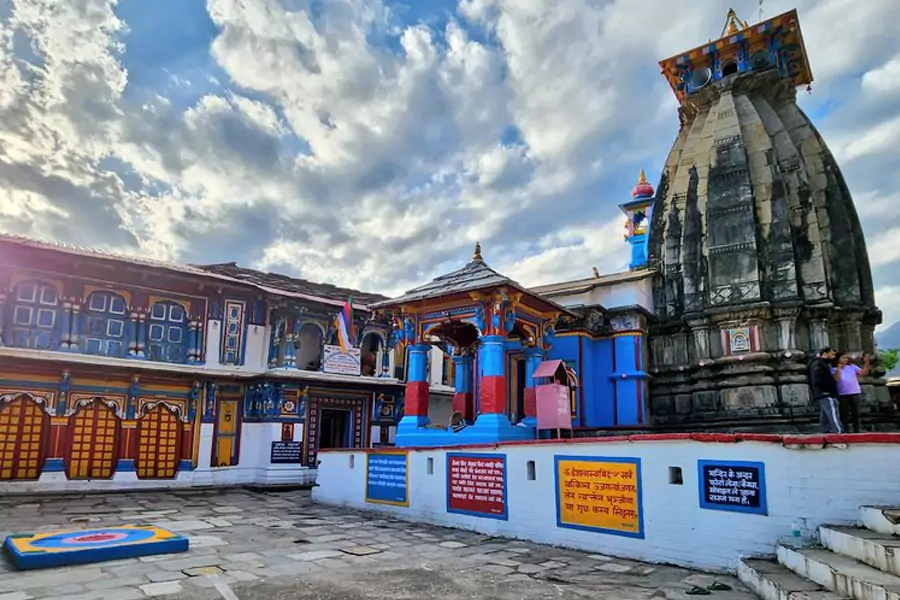
How to Prepare Physically for Chardham Yatra?

Chardham Yatra Package for Couple

Quick Answer: Start preparing 2-3 months before your Chardham Yatra with daily 30-45 minute walks, breathing exercises, and leg-strengthening workouts. Build stamina gradually, practice walking on inclines, and consult your doctor for a complete health checkup before departing.

Understanding the Physical Demands of Chardham Yatra

The Chardham pilgrimage tests your body in ways that regular travel never does. High altitudes, long treks, unpredictable weather, and basic facilities combine to create significant physical challenges.

Kedarnath requires a 16-kilometer uphill trek at over 3,500 meters altitude. Yamunotri demands a 6-kilometer climb through steep mountain paths. Even the motorable shrines involve hours of winding mountain roads that can trigger motion sickness and fatigue.

Why Physical Preparation Makes the Difference

Unprepared pilgrims often struggle with altitude sickness, exhaustion, knee pain, and breathing difficulties. Many abandon the journey midway or require medical evacuation. Proper preparation transforms this demanding pilgrimage into a manageable and spiritually fulfilling experience.

Your body needs time to build cardiovascular endurance, leg strength, and lung capacity. Three months of focused training prepares you better than years of casual fitness activities.

Start Your Training Timeline

Begin preparation at least 8-12 weeks before your scheduled departure date. This timeline allows gradual fitness building without risking injury from overtraining.

Weeks 1-4: Building the Foundation

Start with 20-30 minute daily walks on flat terrain. Focus on maintaining a steady pace without stopping. Your body needs to develop basic endurance before tackling more challenging exercises.

Add simple leg exercises three times per week. Squats, lunges, and calf raises strengthen muscles that bear the load during mountain trekking. Begin with 2 sets of 10 repetitions and increase gradually.

Weeks 5-8: Increasing Intensity

Extend walking duration to 45-60 minutes daily. Find routes with mild slopes or stairs to simulate uphill climbing. Your breathing becomes labored on inclines, training your lungs for thin mountain air.

Incorporate jogging intervals if your fitness level permits. Alternate between walking and light jogging to boost cardiovascular capacity. This prepares your heart for sustained exertion at high altitudes.

Double your leg workout intensity. Progress to 3 sets of 15-20 repetitions for all exercises. Add wall sits and step-ups to target different muscle groups used during trekking.

Weeks 9-12: Peak Training Phase

Walk for 60-90 minutes daily, preferably on hilly terrain. Carry a backpack weighing 5-7 kilograms to simulate the load you will carry during the pilgrimage. This conditions your back and shoulders for sustained weight bearing.

Practice continuous uphill walking for 30-45 minutes without breaks. This mirrors the Kedarnath trek’s demands most accurately. Your legs burn and breath shortens initially, but persistence builds remarkable stamina.

Take one long walk weekly covering 10-12 kilometers with elevation changes. This full-day practice run reveals any footwear issues, chafing problems, or stamina gaps that need addressing before departure.

Essential Cardiovascular Exercises

Heart and lung fitness determines how well you handle altitude and extended physical activity. Strong cardiovascular systems deliver oxygen efficiently even when air thins at 3,000+ meters.

Walking: The Foundation Exercise

Daily walking remains the single most important preparation activity. Walk briskly enough to raise your heart rate but maintain the ability to hold a conversation. This “conversational pace” builds endurance without exhausting you.

Vary your routes to include flat roads, stairs, and slopes. Urban pilgrims can use building staircases, climbing 10-15 floors daily to strengthen legs and lungs simultaneously.

Swimming for Full-Body Conditioning

Swimming develops lung capacity exceptionally well. The controlled breathing required during swimming trains your body to use oxygen efficiently. Swim 30-40 minutes three times weekly if pool access permits.

Swimming also provides low-impact cardio that protects joints from the pounding that running delivers. Older pilgrims particularly benefit from this gentler conditioning method.

Cycling for Leg Strength and Stamina

Cycling builds powerful leg muscles while improving cardiovascular fitness. Ride for 45-60 minutes on varied terrain, incorporating hills whenever possible. The sustained leg work mirrors trekking demands closely.

Stationary bikes work equally well for those without safe outdoor cycling routes. Adjust resistance settings to simulate uphill riding and challenge yourself progressively.

Leg-Strengthening Workouts

Your legs carry you through every step of the Chardham Yatra. Strong leg muscles prevent injuries, reduce fatigue, and make steep climbs manageable.

Squats: The Complete Lower Body Exercise

Squats strengthen thighs, glutes, and core muscles simultaneously. Stand with feet shoulder-width apart, lower your body as if sitting in a chair, then return to standing position.

Start with bodyweight squats, performing 3 sets of 15 repetitions. Progress to holding dumbbells or water bottles for added resistance. Focus on proper form over speed to prevent knee injuries.

Lunges: Building Balance and Strength

Lunges develop single-leg strength and balance crucial for uneven mountain trails. Step forward with one leg, lowering your back knee toward the ground, then return to standing position.

Perform walking lunges covering 20-30 steps per set. This dynamic movement pattern closely resembles the alternating leg work required during trekking.

Calf Raises: Preventing Ankle Fatigue

Strong calves stabilize ankles on rocky paths and reduce strain during downhill walking. Stand on a step with heels hanging off the edge, rise onto your toes, then lower slowly.

Complete 3 sets of 20 repetitions daily. This simple exercise prevents the burning calf pain that plagues many pilgrims during long descent sections.

Step-Ups: Simulating Uphill Climbing

Find a sturdy bench or box 30-40 centimeters high. Step up with one leg, bring the other leg up, then step down. Repeat for 3 sets of 15 repetitions per leg.

This exercise directly mimics the repeated stepping motion of uphill trekking. Add a backpack for increased difficulty as your departure date approaches.

Breathing Exercises for Altitude Preparation

Thin mountain air contains less oxygen than plains regions. Training your lungs to function efficiently with reduced oxygen helps prevent altitude sickness dramatically.

Pranayama: Ancient Breathing Techniques

Practice Anulom Vilom (alternate nostril breathing) for 10-15 minutes daily. This yogic breathing technique expands lung capacity and improves oxygen absorption efficiency.

Sit comfortably, close your right nostril, inhale deeply through the left nostril, then close the left nostril and exhale through the right. Repeat this cycle rhythmically for maximum benefit.

Deep Breathing Exercises

Lie flat on your back with one hand on your chest and another on your belly. Breathe deeply so your belly rises while your chest remains relatively still. This diaphragmatic breathing maximizes oxygen intake.

Practice 5 minutes of deep breathing three times daily. This trains your body to breathe correctly under stress, reducing the panic that altitude-induced breathlessness can trigger.

Breath-Holding Practice

After exhaling completely, hold your breath for as long as comfortable. This exercise increases your tolerance for reduced oxygen availability. Start with 20-30 second holds and gradually increase duration.

Never push yourself to discomfort during breath-holding. The goal involves gentle conditioning, not extreme challenges that might cause dizziness or fainting.

Flexibility and Stretching Routines

Flexible muscles and joints reduce injury risk on uneven mountain terrain. Daily stretching prevents the muscle soreness that extended walking causes.

Morning Stretching Sequence

Dedicate 10-15 minutes each morning to full-body stretching. Focus on hamstrings, quadriceps, hip flexors, and calf muscles that work hardest during trekking.

Hold each stretch for 20-30 seconds without bouncing. Breathe deeply into the stretch, allowing muscles to release tension gradually. Rushing through stretches reduces their effectiveness significantly.

Yoga for Overall Flexibility

Yoga combines flexibility, strength, and breathing practice perfectly suited for pilgrimage preparation. Practice basic poses like Downward Dog, Warrior poses, and Triangle pose three times weekly.

Even 20 minutes of simple yoga sessions build the core strength and balance that technical mountain paths demand. Many pilgrims discover yoga benefits extend far beyond physical preparation.

Post-Walk Stretching

Always stretch after your training walks. Warm muscles stretch more safely and effectively than cold ones. Focus extra attention on any areas feeling tight or sore.

This cooldown routine prevents next-day stiffness and accelerates recovery between training sessions. Consistency matters more than intensity in stretching practice.

Weight Management for Easier Trekking

Excess body weight significantly increases the difficulty of uphill trekking and altitude adjustment. Every extra kilogram multiplies the energy demands placed on your heart and legs.

Setting Realistic Weight Goals

Calculate your Body Mass Index (BMI) and aim for the healthy range of 18.5-24.9. Losing even 5-10 kilograms before the pilgrimage makes a noticeable difference in your trekking experience.

Create a modest calorie deficit through increased exercise and reduced portion sizes. Extreme dieting weakens your body when you need strength building instead.

Nutrition for Training and Weight Management

Eat balanced meals rich in whole grains, lean proteins, fresh vegetables, and fruits. These foods provide sustained energy for training while supporting gradual weight loss.

Reduce processed foods, sugary snacks, and fried items that add empty calories without nutritional value. Stay hydrated throughout your training period to support metabolism and recovery.

Building Mental Toughness

Physical preparation alone does not guarantee success. Mental resilience helps you push through difficult moments when your body wants to quit.

Visualization Techniques

Spend 10 minutes daily visualizing yourself completing challenging sections of the pilgrimage. Imagine climbing steadily toward Kedarnath, breathing rhythmically, and reaching the shrine successfully.

This mental rehearsal builds confidence and prepares your mind for the sustained effort required. Athletes use visualization extensively because it genuinely improves performance.

Embracing Discomfort During Training

Resist the urge to stop whenever training becomes uncomfortable. Push slightly beyond your comfort zone regularly to expand your physical and mental limits.

This controlled exposure to difficulty teaches your brain that discomfort passes and you can handle more than you think. This mindset proves invaluable during the actual pilgrimage.

Health Checkup and Medical Clearance

Schedule a comprehensive medical examination 6-8 weeks before departure. This provides time to address any health issues discovered during testing.

Essential Medical Tests

Request complete blood count, blood sugar, lipid profile, kidney function, and liver function tests. These reveal underlying conditions that might cause problems at high altitudes.

Get an electrocardiogram (ECG) to check heart health. Cardiac issues become dangerous in mountains where medical facilities remain basic and evacuations take hours.

Check blood pressure regularly if you have hypertension. High-altitude conditions can affect blood pressure unpredictably, requiring medication adjustments.

Consulting Specialists

Visit a cardiologist if you have any heart-related concerns or are over 50 years old. Mountains stress cardiovascular systems significantly, making professional clearance essential.

Orthopedic consultation benefits those with knee, hip, or back problems. A specialist can recommend specific exercises or braces that enable safer trekking despite existing issues.

Pulmonologists should evaluate anyone with asthma, chronic bronchitis, or other respiratory conditions. Altitude exacerbates breathing problems, requiring careful planning and medication adjustments.

Medication and Supplement Preparation

Certain medications help prevent altitude sickness and manage common pilgrimage ailments. Consult your doctor about appropriate options.

Altitude Sickness Prevention

Acetazolamide (Diamox) helps prevent acute mountain sickness when taken before reaching high altitudes. Discuss dosing schedules with your doctor based on your planned itinerary.

Some doctors recommend starting Diamox one day before reaching altitude and continuing for the first few days at elevation. Side effects include increased urination and tingling sensations.

Iron and Vitamin Supplements

Iron supplementation improves oxygen-carrying capacity, helping your body cope with reduced oxygen at altitude. Start iron supplements 4-6 weeks before departure if your doctor recommends them.

Vitamin B complex supports energy metabolism during sustained physical activity. Multivitamins ensure adequate micronutrient intake when eating unfamiliar foods during the pilgrimage.

Footwear Selection and Breaking In

Proper trekking shoes prevent blisters, provide ankle support, and protect feet during long mountain walks. Never attempt the Chardham Yatra in new or unsuitable footwear.

Choosing the Right Trekking Shoes

Select waterproof trekking shoes with good ankle support and aggressive tread patterns. Visit specialized outdoor stores where staff can assess your foot type and recommend appropriate options.

Shoes should fit snugly but allow wiggle room for toes. Your feet swell during long walks, so shoes that fit perfectly in the store may feel tight after hours of trekking.

Breaking In Your Footwear

Wear new trekking shoes during all training walks for at least 4-6 weeks before departure. This molds the shoes to your feet and reveals any fit problems before they cause blisters on the pilgrimage.

Walk in your trekking shoes with the socks you plan to use during the Yatra. The shoe-sock combination needs breaking in together for optimal comfort.

Training in Different Weather Conditions

Mountain weather changes rapidly, exposing you to rain, cold, and intense sun within single days. Train in various weather conditions to prepare your body for these variations.

Cold Weather Conditioning

Take training walks during early morning hours when temperatures remain cool. This acclimates your body to functioning well in cold mountain environments.

Practice layering clothing during training. Learn which combinations keep you comfortable during exertion without overheating or getting chilled when you stop moving.

Rain Walking Practice

Walk deliberately during rainy days rather than skipping training. Wet conditions test your footwear, reveal clothing weaknesses, and build mental toughness for challenging weather.

Mountain trails become slippery during rain. Practicing careful foot placement on wet surfaces reduces fall risk during the actual pilgrimage.

Special Considerations for Different Age Groups

Physical preparation needs vary based on age, fitness level, and existing health conditions. Tailor your training program accordingly.

Preparation for Seniors (60+ Years)

Older pilgrims need longer preparation periods, ideally 4-5 months. Focus on gentle, consistent training rather than high-intensity workouts that risk injury.

Walking remains the core exercise, supplemented with chair-based leg strengthening and gentle yoga. Swimming provides excellent low-impact conditioning for joints sensitive to running or jumping.

Consider hiring ponies or palanquins for the Kedarnath trek if the 16-kilometer walk seems overwhelming. No shame exists in using available assistance to complete your spiritual journey safely.

Training for Younger Pilgrims

People under 40 with reasonable baseline fitness can prepare effectively in 6-8 weeks. Higher intensity training builds strength and stamina quickly in younger bodies.

Include hill sprints, trail running, and weighted backpack training. Challenge yourself more aggressively than older pilgrims to build robust fitness reserves.

Preparation During Pregnancy

Pregnant women should consult obstetricians before attempting Chardham Yatra. High altitude poses risks to both mother and baby, making this pilgrimage inadvisable during pregnancy for most women.

If medical clearance is obtained, limit physical exertion significantly and consider helicopter services that eliminate trekking requirements entirely.

Practice Treks Before Departure

Schedule one or two full-day practice treks 2-3 weeks before departure. Choose local hills or nature trails that simulate pilgrimage conditions.

What Practice Treks Reveal

These trial runs expose footwear problems, inappropriate clothing choices, and fitness gaps while you still have time to address them. Blisters discovered on practice treks save you from suffering them during the actual pilgrimage.

Test your backpack loading strategy. Experiment with weight distribution and pack organization to find the most comfortable configuration for extended carrying.

Practice your eating and hydration schedule. Discover what foods settle well during activity and how much water you need to maintain energy levels.

Final Week Preparation

Reduce training intensity during the final week before departure. Your body needs recovery time to arrive at the pilgrimage fresh rather than exhausted from training.

Tapering Exercise Volume

Cut training duration by 50% during the week before leaving. Take short, gentle walks to maintain mobility without accumulating fatigue. Trust that the fitness you built over previous months will carry you through.

Focus on stretching, rest, and proper nutrition during this recovery week. Sleep 7-8 hours nightly to ensure complete physical and mental readiness.

Last-Minute Health Checks

Monitor your health carefully during the final week. Address any emerging cold, cough, or digestive issues immediately before they worsen during travel.

Stop eating heavy, spicy, or unfamiliar foods three days before departure. Keep digestion smooth and predictable to avoid stomach problems when you reach the mountains.

Packing Your Medical Kit

Assemble a comprehensive first-aid kit containing medications for common ailments encountered during mountain pilgrimages.

Essential Medications to Carry

Pain relievers like ibuprofen or paracetamol for headaches and muscle soreness. Motion sickness tablets for winding mountain roads. Anti-diarrheal medication for upset stomachs.

Carry altitude sickness medication prescribed by your doctor. Include any personal prescription medications in original packaging with extra supplies beyond your planned duration.

Pack antiseptic cream, bandages, blister treatment supplies, and muscle pain relief gel. These items address minor injuries before they become major problems.

Realistic Expectations and Backup Plans

Even perfect preparation cannot guarantee problem-free pilgrimage experiences. Weather, road conditions, or unexpected health issues may require itinerary adjustments.

Knowing When to Stop

Listen to your body throughout the pilgrimage. Severe headaches, extreme breathlessness, or chest pain signal serious problems requiring immediate attention and possible descent.

No shrine visit justifies risking your life or permanent health damage. Spiritual merit comes from sincere effort, not from pushing beyond safe limits when your body sends clear warning signals.

Alternative Options for Completing the Yatra

Pony and palanquin services operate on all trekking routes. Using these services allows pilgrimage completion for those unable to walk entire distances.

Helicopter services reach all four shrines, eliminating trekking requirements completely. While expensive, these flights make the Yatra accessible for people with physical limitations.

Summary: Your Preparation Checklist

Start training 2-3 months before departure with daily walks and leg strengthening exercises. Build gradually to 60-90 minute walks on varied terrain while carrying a loaded backpack.

Practice breathing exercises daily to improve lung capacity for high-altitude conditions. Include regular stretching and flexibility work to prevent injuries.

Schedule complete medical checkups and get clearance from specialists if you have existing health conditions. Break in trekking shoes thoroughly during training walks.

Complete one or two practice treks before departure. Reduce training intensity during the final week to arrive fresh and energized.

Pack appropriate medications and maintain realistic expectations about your physical capabilities. Remember that proper preparation transforms the challenging Chardham Yatra into an achievable and deeply rewarding spiritual journey.
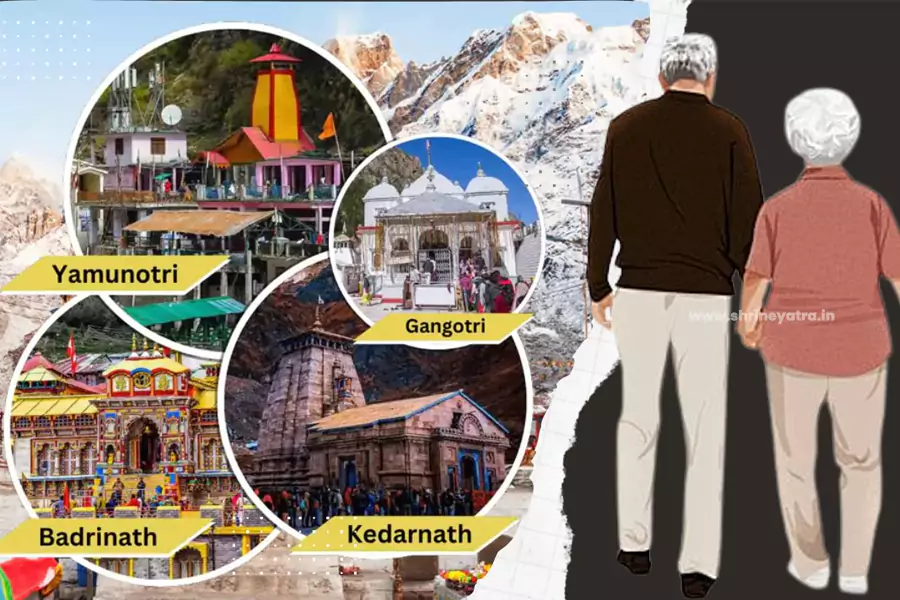
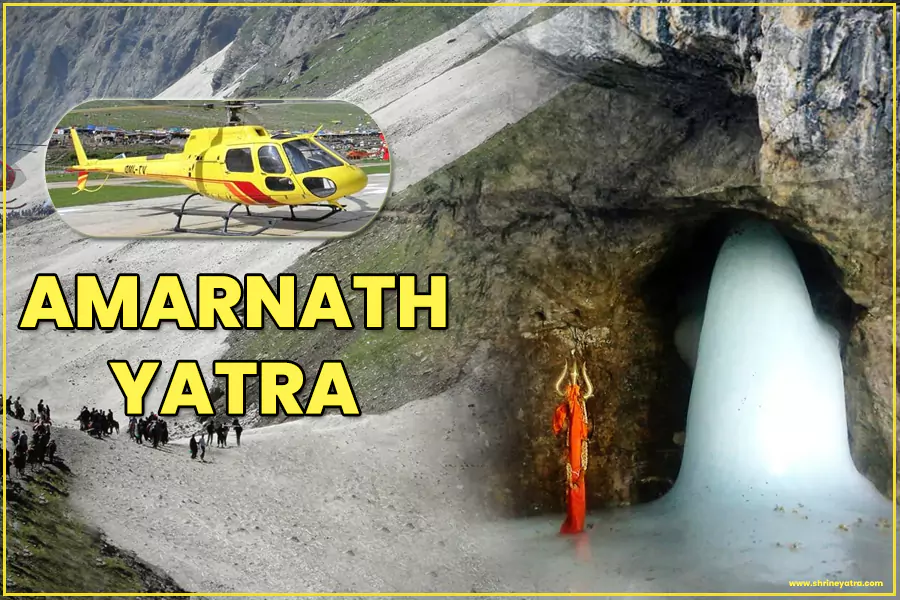
Book Now: https://www.triptochardham.in/char-dham-packages

Which Dham should be visited first in Chardham Yatra?

Chardham Yatra Package for Senior Citizens

Quick Answer: Start your Chardham Yatra from Yamunotri, then visit Gangotri, Kedarnath, and finally Badrinath. This traditional clockwise route follows centuries-old pilgrimage patterns and offers the best acclimatization for high-altitude travel.

Understanding the Traditional Chardham Route

Pilgrims have followed a specific sequence for the Chardham Yatra for over a thousand years. The journey begins at Yamunotri in the westernmost part of Uttarakhand and moves clockwise through all four sacred shrines.

The Correct Order: Yamunotri → Gangotri → Kedarnath → Badrinath

This sequence emerged from both geographical logic and spiritual tradition. Each shrine sits at a different altitude and distance from major access points, making this progression the most practical for travelers.

Why Yamunotri Comes First

Yamunotri serves as the gateway to your spiritual journey. Located at 3,293 meters above sea level, this shrine marks the origin of the Yamuna River, one of Hinduism’s most sacred waterways.

Spiritual Significance of Starting at Yamunotri

Ancient scriptures mention Yamunotri as the purification point before undertaking the complete pilgrimage. Devotees believe that bathing in the thermal springs at Yamunotri cleanses past sins and prepares the soul for higher spiritual experiences ahead.

The goddess Yamuna holds special importance as the daughter of Surya (the Sun God) and sister of Yama (the God of Death). Visiting her shrine first offers protection throughout the challenging mountain journey.

Practical Benefits of the Yamunotri-First Route

Starting at Yamunotri gives your body time to adjust to high altitudes gradually. The 6-kilometer trek from Janki Chatti to the shrine prepares you physically for more demanding walks later in the circuit.

Road connectivity improves as you move eastward through Uttarakhand. Beginning from the western edge means you tackle the most remote location first, avoiding backtracking through difficult terrain.

The Complete Chardham Sequence Explained

Second Stop: Gangotri (3,100 meters)

After Yamunotri, pilgrims travel to Gangotri, where the Ganges descends from heaven to earth according to Hindu mythology. The shrine sits 100 kilometers from Yamunotri, requiring a full day of mountain travel.

Gangotri offers easier access than Yamunotri, with roads reaching closer to the temple. The Bhagirathi River flows with tremendous force here, creating a powerful atmosphere for meditation and prayer.

Third Stop: Kedarnath (3,583 meters)

Kedarnath presents the biggest physical challenge of the entire Yatra. The shrine stands at the highest altitude among the four dhams, requiring a 16-kilometer trek from Gaurikund or a helicopter ride for those who cannot walk.

This Jyotirlinga dedicated to Lord Shiva rewards pilgrims with breathtaking Himalayan views. Snow-capped peaks surround the ancient stone temple, creating an otherworldly setting for worship.

Final Stop: Badrinath (3,300 meters)

Badrinath completes the sacred circuit. Dedicated to Lord Vishnu, this shrine offers the easiest access with roads reaching directly to the temple complex. The Neelkanth peak towers behind the shrine, adding majesty to the spiritual atmosphere.

Ending at Badrinath provides a sense of accomplishment. After completing the three more challenging shrines, pilgrims arrive at this final destination with heightened devotion and physical resilience.

Best Time to Start Your Chardham Yatra

All four shrines open between late April and early May, depending on snowfall conditions. The temples remain accessible until October or early November before winter snow forces closure.

Peak Season: May to June

Summer months bring the largest crowds but offer the most stable weather. Temperatures range from 10°C to 20°C during daytime, making trekking comfortable. Book accommodations three months in advance during this period.

Monsoon Challenges: July to August

Heavy rains create landslide risks throughout the Garhwal region. Roads become treacherous, and cloud cover obscures mountain views. Experienced pilgrims avoid these months unless absolutely necessary.

Post-Monsoon Window: September to October

Clear skies return after monsoons end, offering spectacular visibility of snow peaks. Crowds thin out, and accommodation becomes easier to find. Night temperatures drop significantly, so pack warm clothing.

Read more: https://www.triptochardham.in/best-time-to-visit-chardham

Alternative Routes and Modern Flexibility

Some pilgrims modify the traditional sequence based on practical constraints. Flight schedules, group tour itineraries, or health conditions might necessitate different approaches.

Starting from Badrinath

Travelers flying into Pantnagar or arriving from eastern Uttarakhand sometimes reverse the circuit. This anti-clockwise route works logistically but lacks the traditional spiritual progression that the Yamunotri-first sequence provides.

Helicopter Services and Time-Saving Options

Helicopter operators now serve all four shrines, reducing travel time from 10–12 days to just 5–6 days. These services offer flexibility in visiting order, though the traditional sequence remains most popular.

Book Here: https://www.triptochardham.in/chardham-yatra-by-helicopter

Budget constraints often determine route choices. Helicopter packages cost significantly more than road travel but eliminate physical strain and altitude challenges.

Health Considerations for Route Planning

Altitude sickness affects many pilgrims, especially those coming from sea-level regions. Starting at lower elevations and climbing gradually reduces risk substantially.

Acclimatization Benefits of Traditional Sequencing

Yamunotri at 3,293 meters provides initial altitude exposure without overwhelming your system. By the time you reach Kedarnath at 3,583 meters, your body has adapted to thin air over several days.

Symptoms like headache, nausea, and breathlessness become less severe when you follow the gradual ascent pattern. Rushing directly to Kedarnath from plains regions invites serious health problems.

Medical Facilities Along the Route

Each shrine location maintains basic medical facilities during pilgrimage season. Yamunotri has limited facilities, making it less risky as your first stop when you’re fresh and energetic. By the time you reach more remote areas, you’ve gained mountain experience.

Distance and Travel Time Between Shrines

Understanding distances helps in planning realistic itineraries and rest days.

Yamunotri to Gangotri: 220 kilometers by road (approximately 8–9 hours)

Gangotri to Kedarnath: 250 kilometers to Gaurikund, then 16 km trek (2 days total)

Kedarnath to Badrinath: 220 kilometers by road from Gaurikund (7–8 hours)

These distances assume good weather and normal road conditions. Landslides, traffic, or construction can add several hours to journey times.

Accommodation Planning for the Traditional Route

Each shrine offers government guesthouses, private hotels, and dharamshalas (pilgrimage lodges) at varying price points.

Yamunotri Accommodation Options

Janki Chatti and Barkot serve as base camps for Yamunotri. Budget lodges start at ₹500 per night, while comfortable hotels charge ₹2,000–₹4,000. Book ahead during May and September.

Gangotri Lodging Availability

The town of Gangotri provides more accommodation choices than Yamunotri. Rooms range from basic dharamshalas to decent hotels with hot water and heating facilities.

Kedarnath Stay Arrangements

Limited accommodation exists at Kedarnath itself. Most pilgrims stay in Gaurikund before and after the trek. Advance booking becomes critical here, especially for tent accommodations near the shrine.

Badrinath Hotel Selection

Badrinath offers the widest range of accommodations among the four dhams. Government-run guesthouses, private hotels, and ashrams provide options for every budget category.

Cost Breakdown for Traditional Route

Budget pilgrims complete the Yatra for ₹15,000–₹20,000 per person, including basic accommodation and transportation. Mid-range travelers spend ₹30,000–₹50,000, while luxury packages with helicopters exceed ₹1,50,000.

Starting from Yamunotri and following the traditional circuit optimizes costs. You avoid backtracking and unnecessary detours that waste both time and money.

Safety Tips for Following the Clockwise Route

Mountain weather changes rapidly. Carry rain gear, warm layers, and sturdy trekking shoes regardless of season. The traditional route’s gradual progression builds your confidence for handling unexpected situations.

Register with local authorities at each shrine. This helps rescue teams locate pilgrims during emergencies. Mobile networks remain patchy throughout the circuit, so inform family members about your itinerary beforehand.

Hire local guides familiar with terrain and weather patterns. Their knowledge prevents wrong turns and identifies risky conditions before they become dangerous.

Cultural Etiquette at Each Shrine

Photography restrictions apply inside temple premises. Dress modestly with covered shoulders and legs. Remove leather items before entering sanctums, as many shrines prohibit them.

The traditional sequence teaches proper pilgrimage behavior progressively. By your fourth shrine visit, temple protocols become second nature, enhancing your spiritual experience.

Permits and Documentation Required

Indian citizens need no special permits for the Chardham Yatra. Foreign nationals must register with local police stations at each district. Carry multiple photocopies of your passport and visa.

Starting from Yamunotri means registering in Uttarkashi district first, establishing your presence in the system early. This prevents complications at subsequent checkpoints.

Physical Fitness Requirements

The traditional Yamunotri-first route demands moderate fitness levels. Daily walking of 5–8 kilometers becomes necessary, with the Kedarnath trek requiring stamina for a full-day hike.

Prepare for the journey with regular walking for two months before departure. Cardiovascular exercises help your body utilize oxygen efficiently at high altitudes.

Why the Traditional Sequence Matters Spiritually

Hindu philosophy emphasizes the journey as important as the destination. The clockwise progression mirrors the path of the sun, symbolizing enlightenment and divine grace.

Each shrine prepares you for the next level of spiritual awakening. Yamunotri cleanses, Gangotri purifies, Kedarnath tests devotion, and Badrinath grants completion. Breaking this sequence disrupts the intended spiritual progression.

Final Verdict: Should You Follow Tradition?

Follow the Yamunotri–Gangotri–Kedarnath–Badrinath sequence unless health issues, time limitations, or logistical constraints make it impossible. This route combines practical advantages with deep spiritual meaning.

The pattern has worked for countless pilgrims across centuries. Modern conveniences like helicopters and better roads offer flexibility, but the traditional clockwise journey remains the gold standard for experiencing the Chardham Yatra fully.

Plan carefully, book early, respect local customs, and let the Himalayas transform your spirit as you progress from one sacred shrine to the next.

Book Here: https://www.triptochardham.in/char-dham-packages

How to Prepare for Amarnath Yatra 2026?

Amarnath Yatra 2026

Want to experience something magical? The Amarnath Yatra 2026 takes you to a sacred cave where Lord Shiva appears as an ice formation. This year, the doors open from 3 July to 28 August. Thousands of devotees walk through snowy mountains to witness this divine miracle.

The Shri Amarnathji Shrine Board keeps everyone safe through proper registration and medical screenings. The government protects pilgrims by declaring it a No-Flying Zone during these dates. As you walk higher, cold winds blow around you, but your spirit stays warm. When you finally see the ice lingam, all tiredness disappears.

Start planning today, pack wisely, and discover Shiva’s presence within yourself. Many pilgrims combine this with a Char Dham visit to complete their spiritual quest.

When will the Amarnath Yatra begin in 2026?

Amarnath Yatra 2026 Begin and End

The Amarnath Yatra 2026 starts on July 3 and finishes on August 28. People call this period Shravan, a sacred month for Shiva devotees. Every pilgrim creates a detailed plan before starting. Different groups begin their trek from Jammu, Pahalgam, or Baltal to reach the holy cave. Winter months make the journey impossible. Heavy snow covers every path. Avalanches become common dangers. Visitors often wonder if winter visits work. The simple truth is no. Summer remains the only safe season.

During these special weeks, the natural ice Shivling reaches its full beauty and stands ready for darshan. Mountain weather changes without warning, so pilgrims stay prepared for anything.

How can you Register for Amarnath Yatra 2026?

How to Register for the Amarnath Yatra 2026

Registration comes first, always. Nobody enters without completing this step. This system protects you and helps manage crowd numbers.

Online Registration

  • Visit the official Shri Amarnathji Shrine Board website
  • Enter all your personal information for Amarnath Yatra
  • Upload your Compulsory Health Certificate
  • Pick your preferred route: Pahalgam or Baltal
  • Complete payment and save your registration slip

Offline Registration

Several bank branches in Jammu and Srinagar accept walk-in registrations. Bring your health certificate and fill out the forms there. Staff members will hand you your Amarnath yatra permit right away.

Important Tips:

  • Age restrictions apply: only 13 to 70 years old
  • Register early because spots fill up fast
  • Get your health certificate ready now, or face rejection later

Amarnath Cave Routes

shiv khori trek
Pilgrims choose between two main paths to reach Amarnath: Pahalgam and Baltal.

Pahalgam Route

  • Distance: Around 48 km
  • Duration: 4–5 days
  • Difficulty: Easy to moderate
  • Views: Lush meadows, flowing rivers, mountain villages

This path gives you more time but demands less effort. Nature surrounds you at every step. First-time visitors or those seeking peaceful walks prefer this route.

Baltal Route

  • Distance: Around 14 km
  • Duration: 1–2 days
  • Difficulty: Steep and challenging
  • Views: Snow-covered peaks, rushing waterfalls

This shorter option tests your fitness. Young trekkers love the thrill and speed it offers. Helpful volunteers stand at regular intervals along both routes. They offer water, meals, and directions. Fellow pilgrims also extend helping hands to each other.

Best Time to go to Amarnath Yatra

June, July, and August bring perfect time to go for Amarnath Yatra. Snow disappears gradually, and the ice Lingam takes its complete shape. Dawn hours work best for starting your walk. Paths feel easier and safer then. Smart pilgrims pack warm layers, waterproof jackets, drinking water, and energy snacks. One traveler shared: “Sunshine broke through clouds after heavy rain. Mountains glowed like gold. That moment felt like a blessing.”

Health and Safety Guidelines for Amarnath Pilgrims

Mountain altitude affects everyone differently. Thin air makes breathing harder. Taking precautions becomes necessary.

  • Health Certificate: Get one before starting your Amarnath yatra
  • Age Limit: Between 13 and 70 years
  • Medical Check: Visit your doctor for clearance
  • Acclimatize: Spend time adjusting to high elevation
  • Emergency Help: Doctors stay available throughout the route
  • Weather: Pack both warm and waterproof clothing

Extra Tips for Amarnath Pilgrims:

  • Keep sipping water and eat simple foods
  • Never trek alone, stick with your group
  • Listen to guides and official instructions
  • Save emergency contact numbers on your phone

Some trekkers experience altitude sickness midway. They stop, rest, drink plenty of water, and recover with volunteer support. Following safety rules protects everyone on the trail.

Rituals You can do at Amarnath Cave

Sacred ceremonies take place when pilgrims arrive at the cave.

  • Abhishek: Devotees offer milk, honey, and water to the ice Lingam. This creates a deep bond with Lord Shiva.
  • Pratham Puja: Priests conduct the season’s opening prayer ceremony.
  • Chhari Mubarak: A holy march carrying Shiva’s sacred mace signals the yatra’s beginning.

“Om Namah Shivaya” echoes throughout the cave. Visitors report feeling pure joy, calmness, and spiritual connection. Photos inside the cave are not allowed.

Beautiful Places near Amarnath

The route to Amarnath reveals stunning locations:

  • Chandanwari: Fresh green fields and crystal streams mark the Pahalgam starting point.
  • Sheshnag Lake: This high-altitude water body provides peaceful rest for tired pilgrims.
  • Panchtarni: Five mountain streams join together here. Trekkers pause to pray and relax.
  • Aru Valley: Located close to Pahalgam. Perfect spot for pictures and short walks.

Trekkers frequently pause to admire views and thank the divine. Some enjoy packed snacks. Others sit silently, absorbing mountain beauty.

The Journey and Feelings

Veterans describe how the Amarnath trek builds patience and strengthens faith. The path challenges you but rewards with beauty. People stumble, bodies ache, yet everyone supports each other. Water bottles get shared. Snacks pass from hand to hand. Smiles spread easily. Reaching the ice Lingam creates memories that last forever. Emotions overflow for many. Some shed quiet tears. Others beam with pure happiness. This experience stays with pilgrims throughout their lives.

The Amarnath journey goes beyond physical walking. It represents faith, dedication, and love for Lord Shiva. It means witnessing nature’s glory, supporting strangers, and feeling both tiny and blessed among towering peaks.

Conclusion

Pilgrims hold the Amarnath Yatra close to their hearts as a life-changing experience. Both the Pahalgam and Baltal routes display breathtaking scenery. Smart trekkers carry warm jackets, rain protection, and drinking water. Thorough preparation leads to smooth journeys. Health checks matter. Rules deserve respect. The cave itself, the ice Lingam, towering mountains, rushing rivers, and green meadows create lasting impressions. Everyone returns with stories, stronger faith, and precious memories.

Those planning their Amarnath yatra should register quickly. Get physically ready. Take each step mindfully. Honor the rules. Respect the mountains. Value every single moment. True devotion brings Lord Shiva’s blessings to all who complete this sacred walk. Many devotees also visit Shiv Khori alongside Amarnath, believing that both holy sites together multiply divine blessings.

Book Here: https://www.triptochardham.in/amarnath-yatra-packages

How Much Does Char Dham Yatra Cost in 2026? Real Prices

Chardham Yatra Tour Package

The Char Dham Yatra stands as one of India’s most sacred pilgrimages. Thousands of devotees travel to Yamunotri, Gangotri, Kedarnath, and Badrinath each year seeking spiritual fulfillment. Understanding the financial commitment helps you plan better and avoid surprises during your journey.

This comprehensive guide breaks down every expense you’ll encounter. From transportation to temple donations, we cover real costs based on 2026 rates. Whether you have ₹25,000 or ₹2,00,000 to spend, this guide shows you how to complete your pilgrimage within your budget.

Quick Cost Summary: What You’ll Actually Spend

Your total expense depends on three main factors: travel style, season, and group size. Here’s what different pilgrims typically spend for the complete 10-12 day journey:

  • Budget Pilgrims: ₹22,000 – ₹35,000 per person
    • Shared taxis and buses
    • Dharamshalas and budget hotels
    • Simple vegetarian meals
    • Walking or pony rides for Kedarnath
  • Mid-Range Travelers: ₹45,000 – ₹70,000 per person
    • Private vehicle (shared among group)
    • Comfortable 2-3 star hotels
    • Restaurant meals with variety
    • Helicopter for Kedarnath only
  • Premium Pilgrims: ₹1,20,000 – ₹2,50,000 per person
    • Helicopter services for all dhams
    • Luxury hotels and resorts
    • VIP darshan passes
    • Complete package with guide

Transportation Costs: Getting There and Moving Around

Reaching Uttarakhand (Base Location: Haridwar/Dehradun)

Your journey starts with reaching either Haridwar or Dehradun. These gateway cities offer multiple entry options:

By Air to Dehradun:

  • Delhi to Dehradun: ₹3,500 – ₹9,000 (varies by booking time)
  • Mumbai to Dehradun: ₹5,500 – ₹12,000
  • Bangalore to Dehradun: ₹6,000 – ₹14,000

Book flights 45-60 days ahead for better rates. Early morning flights cost less than afternoon departures.

By Train to Haridwar:

  • AC 2-Tier from Delhi: ₹800 – ₹1,500
  • AC 3-Tier from Delhi: ₹500 – ₹900
  • Sleeper class from major cities: ₹300 – ₹600

Shatabdi and Vande Bharat trains offer premium comfort at ₹1,200 – ₹2,000.

By Bus:

  • Volvo/Semi-sleeper from Delhi: ₹600 – ₹1,200
  • State transport buses: ₹400 – ₹800
  • Private operators: ₹800 – ₹1,500

Road Journey Between the Four Dhams

This forms your biggest transportation expense. The circuit covers approximately 1,200 kilometers through mountain roads.

Shared Taxi Services (Most Popular):

  • Complete circuit: ₹10,000 – ₹16,000 per person
  • Payment covers all four destinations
  • Vehicle shared with 6-8 pilgrims
  • Fixed departure schedule from Haridwar

Private Vehicle Rental:

  • Sedan (4 passengers): ₹35,000 – ₹45,000 total
  • SUV (6-7 passengers): ₹45,000 – ₹60,000 total
  • Tempo Traveler (10-12 passengers): ₹55,000 – ₹75,000 total

Per person cost drops significantly with more travelers. A group of six pays ₹7,500-₹10,000 each in an SUV.

Uttarakhand Transport Corporation Buses:

  • Haridwar to Yamunotri: ₹600 – ₹900
  • Gangotri sector: ₹700 – ₹1,000
  • Kedarnath base: ₹800 – ₹1,200
  • Badrinath sector: ₹900 – ₹1,400

Buses offer the cheapest option but require multiple changes and longer journey times.

Helicopter Services: The Premium Choice

Helicopters slash travel time from weeks to days. Services operate from April to November, weather permitting.

Kedarnath Helicopter (Most Common):

  • Phata/Sersi to Kedarnath: ₹6,500 – ₹8,500 (one way)
  • Round trip: ₹12,000 – ₹15,000
  • Flight time: 10 minutes
  • Weight limit: 75-80 kg per passenger

Complete Char Dham Helicopter Package:

  • All four dhams by air: ₹1,85,000 – ₹2,40,000
  • Journey duration: 2-3 days
  • Includes VIP darshan arrangements
  • Premium ground transportation

Weather delays happen frequently. Keep buffer days if choosing helicopter services.

Kedarnath Trek Alternatives

The 16-kilometer trek from Gaurikund to Kedarnath temple requires physical fitness. Alternative options include:

Pony Service:

  • One way: ₹1,800 – ₹2,800
  • Round trip: ₹3,200 – ₹5,000
  • Journey time: 6-7 hours
  • Physical effort still required

Palanquin (Doli):

  • One way: ₹5,000 – ₹9,000
  • Round trip: ₹9,000 – ₹16,000
  • Carried by 4-6 porters
  • Suitable for elderly pilgrims

Porter for Luggage:

  • Per bag (up to 15 kg): ₹800 – ₹1,500
  • Return journey: ₹1,500 – ₹2,500

Rain increases porter and pony charges by 20-40 percent. Negotiate prices before starting the journey.

Accommodation Expenses: Where You’ll Sleep

The Char Dham circuit requires stays at 8-10 different locations. Prices fluctuate dramatically between peak season (May-June) and regular months.

Budget Accommodation Options

Government Guest Houses:

  • Per room per night: ₹300 – ₹1,000
  • Basic amenities provided
  • Limited availability
  • Book through Uttarakhand Tourism website

Dharamshalas (Temple Rest Houses):

  • Donation-based or fixed: ₹100 – ₹500
  • Very basic facilities
  • Shared bathrooms common
  • First-come-first-served basis

Budget Hotels and Lodges:

  • Single room: ₹600 – ₹1,200
  • Double room: ₹800 – ₹1,800
  • Hot water (sometimes limited hours)
  • Basic meals included in some

For a 10-day journey, budget accommodation costs ₹8,000 – ₹15,000 total per person.

Mid-Range Hotels

  • 2-Star and 3-Star Properties: ₹2,000 – ₹4,500
  • GMVN properties: ₹2,500 – ₹4,000
  • Private hotel chains: ₹3,000 – ₹5,000

Mid-range accommodation runs ₹25,000 – ₹40,000 for the complete journey.

Premium and Luxury Options

4-Star and Resort Properties:

  • Deluxe rooms: ₹6,000 – ₹10,000
  • Suite accommodations: ₹10,000 – ₹18,000
  • Modern amenities and comfort
  • Multi-cuisine restaurants
  • Available mainly in Badrinath and base towns

Luxury Camps and Resorts:

  • Per night: ₹12,000 – ₹25,000
  • All meals included
  • Guided tours arranged
  • Limited locations available

Premium stays cost ₹60,000 – ₹1,50,000 for the entire circuit.

Peak Season Price Surge: May and June see 50-100 percent price increases. A room costing ₹2,000 in April jumps to ₹3,500-₹4,000 in May. September offers better rates with pleasant weather.

Food and Meal Budget Planning

Mountain regions charge premium prices due to transportation challenges. All food served remains strictly vegetarian throughout the circuit.

Daily Meal Costs

Breakfast Options:

  • Poha, upma, paratha: ₹80 – ₹150
  • South Indian items: ₹100 – ₹180
  • Bread, omelette, tea: ₹120 – ₹200
  • Continental breakfast (hotels): ₹250 – ₹400

Lunch and Dinner:

  • Simple thali (unlimited): ₹150 – ₹250
  • À la carte meals: ₹200 – ₹400
  • Chinese/North Indian: ₹250 – ₹500
  • Hotel restaurant meals: ₹350 – ₹700

Snacks and Beverages:

  • Tea/coffee: ₹20 – ₹60
  • Maggi/noodles: ₹50 – ₹100
  • Packaged snacks: ₹30 – ₹80
  • Bottled water (1 liter): ₹20 – ₹50

Remote locations charge 30-50 percent more. A meal costing ₹200 in Haridwar costs ₹300 near temples.

Total Food Budget

  • Budget Eating: ₹600 – ₹900 daily (₹7,000 – ₹10,000 for 10-12 days)
  • Moderate Spending: ₹1,000 – ₹1,500 daily (₹12,000 – ₹18,000 total)
  • Comfortable Dining: ₹1,800 – ₹2,500 daily (₹20,000 – ₹30,000 total)

Carrying dry fruits, energy bars, and biscuits reduces dependence on roadside stops. Pack enough for trek days when options remain limited.

Temple Darshan and Associated Costs

Entry and Darshan Fees

Good news: None of the four main temples charge entry fees. Every pilgrim receives free darshan rights. However, special arrangements cost extra.

Special Darshan Passes:

  • Fast-track entry: ₹100 – ₹300 per temple
  • VIP darshan: ₹1,000 – ₹3,000 per temple
  • Saves 1-3 hours of waiting time

Pooja and Rituals:

  • Basic abhishek: ₹200 – ₹500
  • Special pooja: ₹500 – ₹2,000
  • Personalized rituals: ₹2,000 – ₹10,000

Priests perform rituals at standard rates. Discuss charges before proceeding to avoid misunderstandings.

Additional Temple Expenses

Locker Facilities: ₹20 – ₹50 per use

  • Mobile phones banned inside temples
  • Cameras not allowed
  • Bags must be deposited

Prasad and Offerings:

  • Temple prasad: ₹50 – ₹200
  • Flowers and garlands: ₹50 – ₹150
  • Donation boxes: As per devotion

Photography Charges:

  • Temple exterior photos: Usually free
  • Professional photography: ₹500 – ₹2,000
  • Video recording: ₹1,000 – ₹3,000

Total Estimated Temple Expenses: ₹2,000 – ₹5,000 for all four dhams.

Registration, Permits, and Documentation

The Uttarakhand government mandates registration for pilgrimage tracking and safety.

Mandatory Registration

Online Registration Portal:

  • Per person charge: ₹20 – ₹50
  • Registration at devasthanam.uk.gov.in
  • Requires ID proof upload
  • Generate QR code for verification

Vehicle Registration:

  • Private vehicles: ₹200 – ₹350
  • Commercial taxis: Already registered
  • Pollution certificate required

Biometric Registration:

  • Kedarnath entry: Mandatory at Sonprayag
  • Free service
  • Aadhaar card required
  • Takes 5-10 minutes

Environmental and Protection Charges

  • Tehri entry: ₹50 per person
  • Forest checkpoints: ₹30 – ₹100
  • Parking fees: ₹50 – ₹200

Total registration and permit costs: ₹300 – ₹800 per person.

Required Documents

  • Government photo ID (Aadhaar preferred)
  • 4-6 passport-size photographs
  • Medical fitness certificate (for senior citizens)
  • Vehicle registration papers (if driving)

Photo studios near Haridwar charge ₹100 – ₹200 for document sets.

Health, Safety, and Emergency Expenses

High-altitude travel demands health preparations. Medical facilities remain basic in remote areas.

Pre-Journey Medical Costs

Health Check-up:

  • Basic fitness evaluation: ₹500 – ₹1,500
  • ECG and blood pressure: ₹300 – ₹800
  • Senior citizen comprehensive: ₹2,000 – ₹5,000

Vaccinations and Medicines:

  • Altitude sickness tablets: ₹200 – ₹600
  • First aid kit: ₹500 – ₹1,000
  • Prescription medicines: ₹500 – ₹2,000

Travel Insurance:

  • Basic coverage: ₹500 – ₹1,000
  • Comprehensive with evacuation: ₹2,000 – ₹5,000
  • Mandatory for helicopter services

On-Journey Medical Expenses

Oxygen Support:

  • Portable cylinder (small): ₹300 – ₹600
  • Oxygen concentrator rental: ₹1,000 – ₹2,000 daily
  • Available at medical camps

Doctor Consultation:

  • Government health centers: Free to ₹200
  • Private clinics: ₹500 – ₹1,500
  • Emergency services: ₹2,000 – ₹5,000

Common Medications:

  • Cold and cough: ₹100 – ₹300
  • Stomach issues: ₹150 – ₹400
  • Pain relievers: ₹50 – ₹200

Medical shops exist at main stops. Prices run 20-40 percent higher than plains. Carry essential medicines from home.

Emergency Fund Recommendation

Keep ₹10,000 – ₹20,000 as emergency cash.
ATMs work unreliably in mountains. Credit cards have limited acceptance. Medical emergencies, weather delays, or vehicle breakdowns may require immediate funds.

Package Tours vs Independent Travel: Cost Comparison

All-Inclusive Package Tours

Tour operators handle every aspect of your journey. This convenience comes at a premium.

Budget Package Tours:

  • Cost: ₹30,000 – ₹45,000 per person
  • 10-12 days duration
  • Basic hotels and dharamshalas
  • Shared vehicle transportation
  • Vegetarian meals included
  • Temple darshan arrangements

Standard Package Tours:

  • Cost: ₹50,000 – ₹80,000 per person
  • Comfortable 3-star hotels
  • Meals at decent restaurants
  • Experienced guide included
  • All permits handled
  • Group size: 15-20 people

Premium Package Tours:

  • Cost: ₹1,00,000 – ₹1,80,000 per person
  • Luxury accommodations
  • Private vehicle option
  • VIP darshan passes
  • Professional tour manager
  • Smaller group sizes

Helicopter Packages:

  • Cost: ₹1,80,000 – ₹2,50,000 per person
  • 4-5 days complete circuit
  • Air travel for all dhams
  • Premium hotels at base
  • Minimal physical effort
  • Weather-dependent schedule

Independent Travel Costs

Planning yourself saves 20-35 percent but requires research and effort.

Budget Independent Travel: ₹22,000 – ₹32,000

  • Shared taxis: ₹10,000 – ₹15,000
  • Budget accommodation: ₹8,000 – ₹12,000
  • Simple meals: ₹7,000 – ₹10,000
  • Permits and misc: ₹2,000 – ₹3,000

Moderate Independent Travel: ₹45,000 – ₹65,000

  • Private vehicle split cost: ₹8,000 – ₹12,000 per person
  • Mid-range hotels: ₹25,000 – ₹35,000
  • Restaurant meals: ₹12,000 – ₹18,000
  • Extra expenses: ₹5,000 – ₹8,000

Which Option Suits You?

Choose Package Tours If:

  • First-time pilgrim unfamiliar with routes
  • Senior citizens needing assistance
  • Limited time for planning
  • Prefer organized schedule
  • Solo traveler seeking company

Book Now: https://www.triptochardham.in/char-dham-packages

Choose Independent Travel If:

  • Experienced mountain traveler
  • Flexible schedule desired
  • Traveling with family or friends
  • Want to explore at your own pace
  • Comfortable with basic Hindi

Families of 4-6 people save significantly with independent planning. Solo travelers often find packages more economical.

Month-by-Month Cost Analysis 2026

Timing impacts expenses dramatically. Understanding seasonal pricing helps optimize your budget.

April-May (Peak Season)

Characteristics:

  • Weather: Pleasant, clear skies
  • Temperature: 10-20°C
  • Crowd: Very high
  • Road conditions: Good

Cost Impact: 40-60% higher

Average Total Cost:

  • Budget: ₹32,000 – ₹40,000
  • Mid-range: ₹65,000 – ₹85,000
  • Premium: ₹1,40,000 – ₹2,50,000

June (Pre-Monsoon Peak)

Characteristics:

  • Weather: Warm days, cool nights
  • Crowd: Maximum
  • Road conditions: Excellent

Cost Impact: Highest rates

  • Budget: ₹35,000 – ₹42,000
  • Mid-range: ₹70,000 – ₹90,000
  • Premium: ₹1,50,000 – ₹2,60,000

July-August (Monsoon – Risky)

Most pilgrims avoid these months due to landslides and road closures.

September-October (Best Value Season)

  • Weather: Clear skies
  • Temperature: 8-18°C
  • Crowd: Moderate
  • Costs: Base rates
  • Budget: ₹25,000 – ₹33,000
  • Mid-range: ₹48,000 – ₹68,000
  • Premium: ₹1,20,000 – ₹2,00,000

November (End Season)

  • Weather: Cold
  • Costs: Lowest of the year
  • Temples close mid-November

Hidden and Miscellaneous Expenses

Shopping and Souvenirs

  • Rudraksha malas: ₹200 – ₹2,000
  • Brass idols: ₹300 – ₹1,500
  • Holy water bottles: ₹50 – ₹200
  • Himalayan herbs: ₹200 – ₹800
  • Woolen shawls: ₹500 – ₹2,000

Tips and Service Charges

  • Driver: ₹1,500 – ₹3,000
  • Guide: ₹1,000 – ₹2,000
  • Hotel staff: ₹50 – ₹100
  • Porter: ₹100 – ₹300

Communication Costs

  • Mobile recharge: ₹300 – ₹600
  • Portable WiFi rental: ₹200 – ₹400 daily

Warm Clothing Rental

  • Jacket: ₹200 – ₹500
  • Thermal wear: ₹150 – ₹300
  • Rain gear: ₹100 – ₹250

Photography and Memories

  • Professional photography: ₹1,000 – ₹3,000
  • Instant prints: ₹50 – ₹100
  • Video documentation: ₹2,000 – ₹5,000

Total miscellaneous expenses: ₹5,000 – ₹15,000

Money-Saving Strategies That Work

Booking and Timing Tips

  • Book hotels 60-90 days early
  • Choose September–October
  • Travel in groups for discounts

Accommodation Hacks

  • Stay in base towns like Haridwar/Rishikesh
  • Mix dharamshalas with hotel stays
  • Negotiate rates during check-in

Food Cost Reduction

  • Carry snacks from home
  • Choose thalis
  • Make simple breakfast in the room

Transportation Savings

  • Share taxis and vehicles
  • Book directly with operators
  • Use helicopter only for Kedarnath

Smart Spending Habits

  • Carry sufficient cash
  • Avoid last-minute bookings
  • Skip overpriced tourist shops

Sample Budget Breakdown: Three Traveler Profiles

Profile 1: Ramesh – Budget-Conscious Pilgrim

Total: ₹39,000

  • Transport to Haridwar: ₹800
  • Shared taxi: ₹12,000
  • Accommodation: ₹10,000
  • Food: ₹8,500
  • Kedarnath pony: ₹2,200
  • Temple expenses: ₹2,000
  • Permits: ₹500
  • Medical + insurance: ₹1,000
  • Miscellaneous: ₹2,000

Profile 2: Sharma Family – Mid-Range Comfort

Total: ₹2,68,000 (₹67,000 per person)

  • Flights (4 people): ₹24,000
  • Private SUV: ₹52,000
  • Hotels: ₹48,000
  • Meals: ₹52,000
  • Kedarnath helicopter: ₹56,000
  • VIP passes: ₹8,000
  • Permits: ₹2,000
  • Shopping: ₹12,000
  • Insurance: ₹6,000
  • Miscellaneous: ₹8,000

Profile 3: Mehra Couple – Premium Experience

Total: ₹5,40,000 (₹2,70,000 per person)

  • Business class flights: ₹32,000
  • Helicopter package (2 people): ₹4,60,000
  • Insurance: ₹8,000
  • Shopping: ₹25,000
  • Tips: ₹15,000

Luxury package included accommodation, meals, VIP darshan, medical support, and transfers.

Frequently Asked Questions

How much money should I carry in cash for Char Dham Yatra?

Carry ₹15,000 – ₹30,000 in cash depending on your total budget. ATMs exist in major towns but frequently run out of money or face connectivity issues. Credit and debit cards work only in larger hotels. Keep cash in ₹500 and ₹100 denominations as ₹2,000 notes face acceptance issues in remote areas.

What is the cheapest month to do Char Dham Yatra?

September offers the best combination of lower costs and good weather. October also provides reasonable rates. Avoid May and June when prices surge 50–100 percent. April sees moderate pricing with excellent weather. November brings the lowest prices but temples close mid-month for winter.

Can I complete Char Dham Yatra in ₹20,000?

Completing the yatra in ₹20,000 proves extremely challenging but possible with severe compromises.

  • Use only shared buses
  • Stay in dharamshalas
  • Eat basic meals
  • Walk the entire Kedarnath trek
  • Travel in late September or early October

Most pilgrims need ₹25,000 – ₹30,000 minimum for a basic experience.

Is helicopter worth the extra cost for Char Dham?

Helicopters make sense for specific situations. Senior citizens with health concerns benefit greatly. Time-constrained pilgrims complete the journey in 4–5 days versus 10–12 days by road. However, helicopter-only pilgrims miss the journey’s spiritual aspect and cultural experiences. The best approach uses helicopters only for Kedarnath (₹12,000 – ₹15,000) while traveling by road for other dhams.

Do package tours actually save money?

Package tours rarely save money but offer significant convenience. Independent planning costs 20–30% less for groups of 4–6 people. Solo travelers find package tours more economical than arranging everything individually. Packages benefit:

  • First-time pilgrims unfamiliar with routes
  • Senior citizens needing assistance
  • Travelers with limited planning time

What extra costs do people usually forget to budget?

Most pilgrims underestimate these expenses:

  • Warm clothing (₹1,000 – ₹2,000)
  • Porter services (₹1,500 – ₹3,000)
  • Medical emergencies/medicines (₹2,000 – ₹5,000)
  • Tips for drivers/guides (₹2,000 – ₹4,000)
  • Photography & souvenirs (₹2,000 – ₹5,000)
  • Weather-delay buffer (₹5,000 – ₹10,000)

How much should I budget for food per day?

Budget ₹600 – ₹900 daily for basic vegetarian meals. Mid-range dining requires ₹1,000 – ₹1,500 daily. Premium hotel restaurants cost ₹1,800 – ₹2,500 daily. Mountain locations charge 30–50% more. Carrying snacks reduces dependence on expensive roadside stops.

Are there any free or donation-based accommodation options?

Yes, many temples operate dharamshalas offering free or donation-based stays:

  • GMVN rest houses (₹300 – ₹800)
  • Temple trust dharamshalas (₹100 – ₹500 or donation)
  • Ashrams with free accommodation

Availability remains limited and booking difficult. Quality stays basic with shared facilities. Arrive early for better chances.

What is the cost difference between May and September travel?

May experiences 40–60% higher costs than September. A hotel room costing ₹2,000 in September jumps to ₹3,500 – ₹4,000 in May. Shared taxis increase from ₹10,000 to ₹14,000 – ₹16,000. Overall journey costs rise from ₹45,000 to ₹65,000 – ₹75,000 for mid-range travelers. September offers better value.

Do senior citizens need extra budget allocation?

Yes, senior citizens should budget 30–40% more. Additional expenses include:

  • Health check-ups (₹2,000 – ₹5,000)
  • Premium insurance (₹3,000 – ₹6,000)
  • Palanquin services (₹9,000 – ₹16,000)
  • Porter services (₹2,000 – ₹4,000)
  • Comfortable accommodation (premium rates)
  • Oxygen support (₹500 – ₹2,000)

Final Recommendations: Planning Your Budget

Set Realistic Expectations

Budget travelers should plan for ₹30,000 – ₹35,000 minimum. Unexpected expenses always emerge. Weather delays, health issues, or vehicle problems require immediate funds. Building a 20% buffer protects against stress.

Prioritize Safety Over Savings

Never compromise on health insurance, medical preparations, or safe transportation. Saving ₹5,000 on safety can cause problems costing ₹50,000 or more. Choose quality vehicles, hotels, and trek support services.

Book Early, Travel Smart

Advance booking secures 15–25% savings. September–October offers optimal weather with reasonable pricing. Group formation multiplies savings through shared costs.

Start Preparing Now

Physical fitness reduces expenses significantly by eliminating porter or pony charges. Three months of regular walking prepares your body for high-altitude challenges.

The spiritual rewards of Char Dham Yatra transcend monetary calculations. Whether spending ₹30,000 or ₹2,50,000, proper planning ensures devotion without financial stress. The mountains await your arrival.

Book Do Dham Package: https://www.triptochardham.in/do-dham-packages

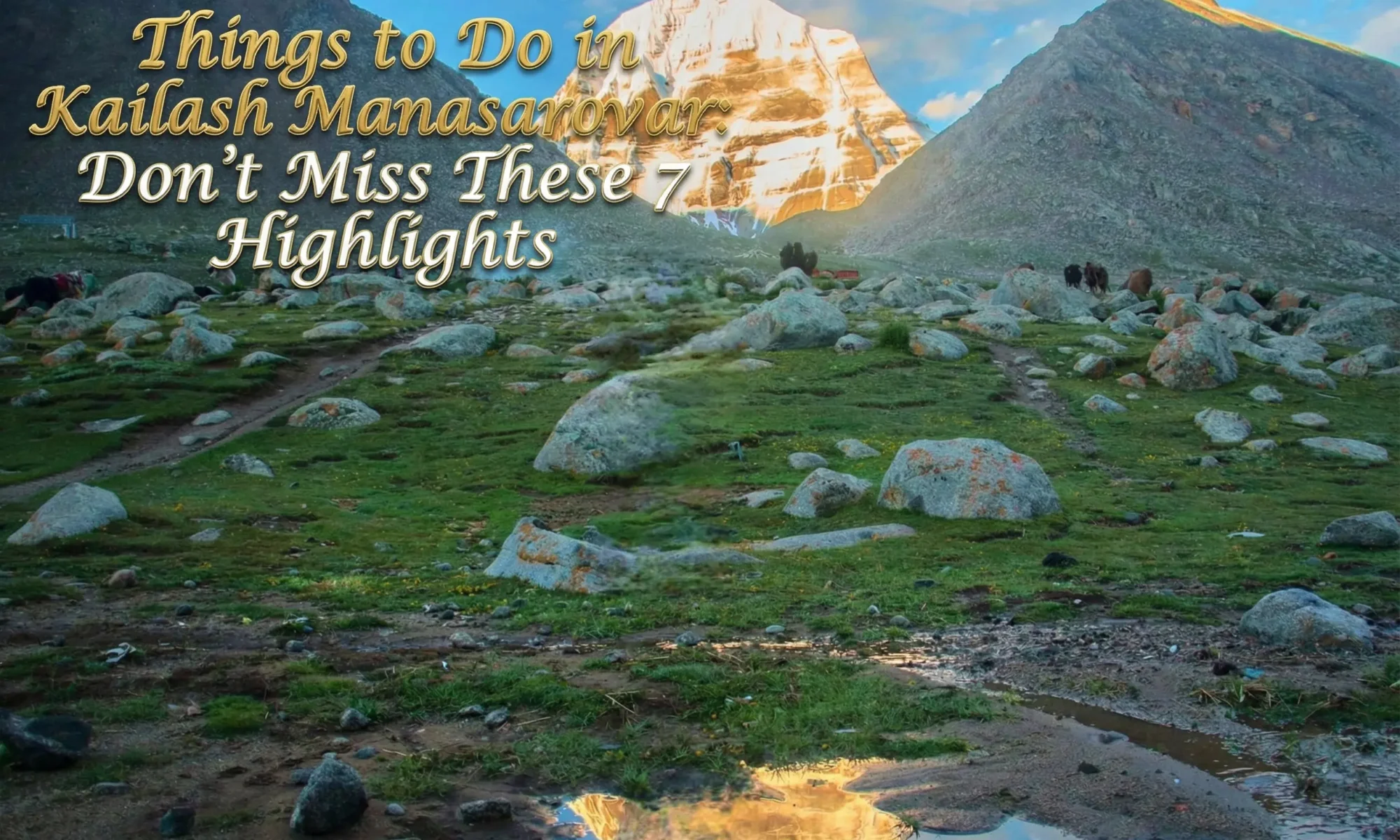
Things to Do in Kailash Manasarovar: 7 Must-See Highlights

Things to Do in Kailash Manasarovar

Kailash Manasarovar stands as a sacred place for pilgrims and a favorite destination for tourists exploring Tibet. The holy kora trek around Mount Kailash remains the main attraction, yet this region presents countless other amazing activities. This guide shares seven fantastic highlights you can experience in Kailash Manasarovar. Keep reading to discover what makes this place so special and plan your perfect trip.

No.1: Take the Kora Trek around Mount Kailash

Every visitor to Kailash Manasarovar should walk the kora trek around Mount Kailash. This path stretches for 52 kilometers and takes most people three days to finish. The journey tests your strength while letting you see Mount Kailash from every angle.

The trek begins in Darchen, a small village sitting below the southern side of Mount Kailash. From there, you walk west and then north, climbing through valleys until you reach Drirapuk Monastery on the first day. The second day brings the biggest challenge as you cross Dolma La pass at 5,630 meters, the highest spot on the route. After crossing the pass, you descend to Zutulpuk Monastery for the night.

Day three takes you downhill from Zutulpuk Monastery back to Darchen village. You walk through green valleys on this easier final section, giving your tired legs a gentle finish to this challenging mountain trek.

No.2: Do the Yatra around Lake Manasarovar

Lake Manasarovar holds deep meaning for many people. Hindu pilgrims believe Lord Shiva created this lake in his thoughts before bringing it to Earth. Tibetan Buddhists say this lake marks the spot where Maya Devi conceived Gautama Buddha. Both groups believe washing in the lake or drinking its water clears away a lifetime of wrongdoings.

Walking around the lake covers 100 kilometers, and most pilgrims need five days to complete the circuit. Tibetans have walked this sacred path for more than 2,000 years. During your walk, you pass beautiful Buddhist monasteries and witness stunning mountain views. This journey combines spiritual meaning with breathtaking natural beauty.

No.3: Meet Pilgrims along the Kailash Manasarovar Yatra Route

During your trek around Mount Kailash or Lake Manasarovar, you meet many pilgrims following their spiritual path. Some move quickly along the trail, while others travel slowly, stopping to perform prostrations. This practice helps cleanse their minds and hearts, especially from feelings of pride.

Talking with these pilgrims gives you real insights into Tibetan Buddhism and local traditions. Many pilgrims love sharing their stories as they complete their sacred walk. You hear tales from Tibetan pilgrims and visitors from distant countries, adding rich perspectives to your own experience.

No.4: Visit Five Monasteries around Mount Kailash

Five monasteries circle Mount Kailash, and these high mountain temples create wonderful sights during your trek through this remote area.

  • (1) Chuku Monastery: Chuku Monastery appears first on the outer kora route, sitting up the valley from Tarboche. This monastery protects three special items: the Chuku statue, the Conch Shell, and the Teapot. Stories tell how an attacking army tried stealing these treasures, but magic made the statue too heavy to lift, sent the conch shell flying back, and turned the teapot’s tea into blood.
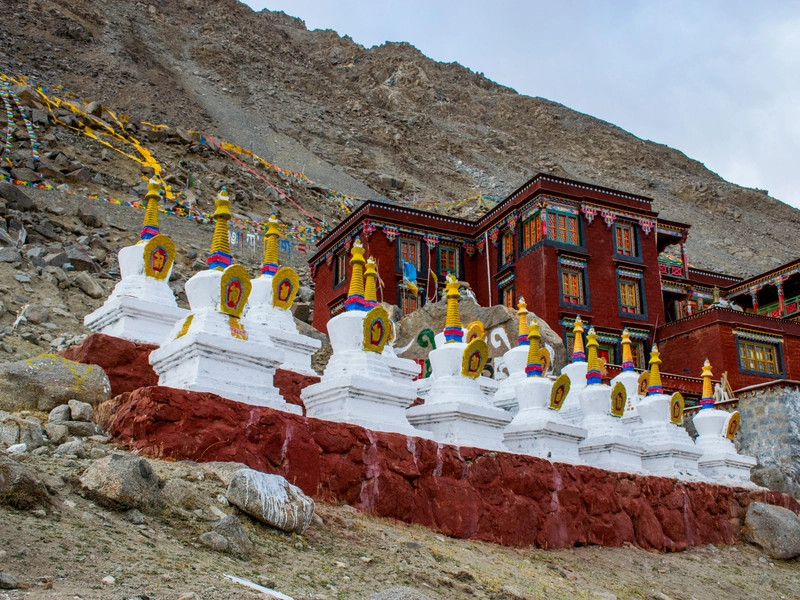
  • (2) Drirapuk Monastery: Drirapuk Monastery marks your second stop on the outer kora route and serves as your sleeping place on the first night. Workers rebuilt this monastery in 1986 after it fell into ruins. Long rows of white stupas line the monastery, and inside you find ancient statues and Buddhist treasures carefully kept for hundreds of years.
  • (3) Zultripuk Monastery: Zultripuk, the third monastery, welcomes trekkers on their second night. Built on the west bank of the Zhong Chu River, this monastery surrounds sacred rock formations that Milarepa reportedly created. The site includes Milarepa’s Cave, where he spent years in meditation. A stone slab inside the cave shows marks believed to be Milarepa’s hand and footprints.
  • (4) Selung Monastery: The inner kora route leads you to Selung Monastery, standing at 5,020 meters high. Monks originally built this spot for quiet meditation, making it the first monastery on the inner circuit. After leaving Selung, the path curves around smaller Mount Yinjietuo before dropping down to Gyangzha Monastery.
  • (5) Gyangzha Monastery: Gyangzha Monastery rises to 5,060 meters and claims the title of the first Buddhist monastery built near Mount Kailash. This monastery holds great importance as the most respected religious site in western Tibet.

No.5: Attend the Kailash Saga Dawa Festival

The Saga Dawa Festival happens every year at Mount Kailash’s base during the fourth month of the Tibetan calendar. This celebration marks three major events in Buddha’s life: his birth, his enlightenment, and his death. People believe every good or bad action multiplies thousands of times during this special month.

The festival runs for an entire month, with the opening days carrying the most importance. A tall prayer flag pole at Tarboche gets taken down, receives fresh prayer flags, and stands up again perfectly straight. After these rituals finish, pilgrims begin their walk around Mount Kailash.

Traditional Tibetan festivals interest you? Mark your calendar for this grand celebration when visiting Mount Kailash. The next Kailash Saga Dawa Festival takes place on May 31, 2026. This event lets you feel the sacred and joyful mood alongside local people.

No.6: Appreciate Kangkyam Glacier around Kailash Kora

Walking the Mount Kailash kora gives you a chance to see Kangkyam Glacier, one of the few glaciers still moving today. This glacier flows down from Mount Kailash’s north face, and reaching it takes about two hours from Drirapuk Monastery for the complete walk. Standing at the glacier’s front edge, you see Mount Kailash’s dramatic north face rising straight up, creating an amazing view of this rare natural wonder.

No.7: Enjoy Tirthapuri Hot Springs After Completing the Kora

Northwest of Mount Kailash sits Tirthapuri Monastery, known for its comforting hot springs. Located beside the Sutlej River, pilgrims love stopping here after finishing the kora. The warm waters soothe sore muscles and tired feet from days of trekking.

After soaking in the springs, spend time exploring the monastery grounds. The assembly hall displays stone footprints belonging to Guru Rinpoche. People believe Padmasambhava left these prints when he came to Tibet spreading Buddhism. This peaceful place helps you rest and think about your mountain journey.

Join Our Mount Kailash Tour to Smoothly Enjoy the Best Highlights

Planning a trip to Kailash Manasarovar can seem difficult with so many amazing places to visit. Joining our Mount Kailash tour gives you the easiest way to explore this region. Our carefully planned trips show you the best spots in the area.

We run various small group tours, including our popular 15-day Lhasa to Mount Kailash tour. This tour covers the 3-day Kailash kora and visits Lake Manasarovar, plus stops at famous Mount Everest and other Tibetan attractions. Want to explore Kailash Manasarovar more deeply? We create custom tours ensuring you see every highlight western Tibet offers.

Every tour option guarantees a smooth and unforgettable Mount Kailash experience. You receive excellent services, confirmed travel permits, experienced local Tibetan guides, and much more.

Conclusion

A journey to Kailash Manasarovar fills your days with spiritual discoveries and natural beauty. From the sacred kora trek around Mount Kailash to the relaxing hot springs at Tirthapuri Monastery, each activity brings something special. Pilgrims seeking spiritual growth and adventurers chasing excitement both find these highlights make trips worthwhile and memorable. Have questions? Contact us anytime or book your Kailash Mansarovar Tour with us right now!

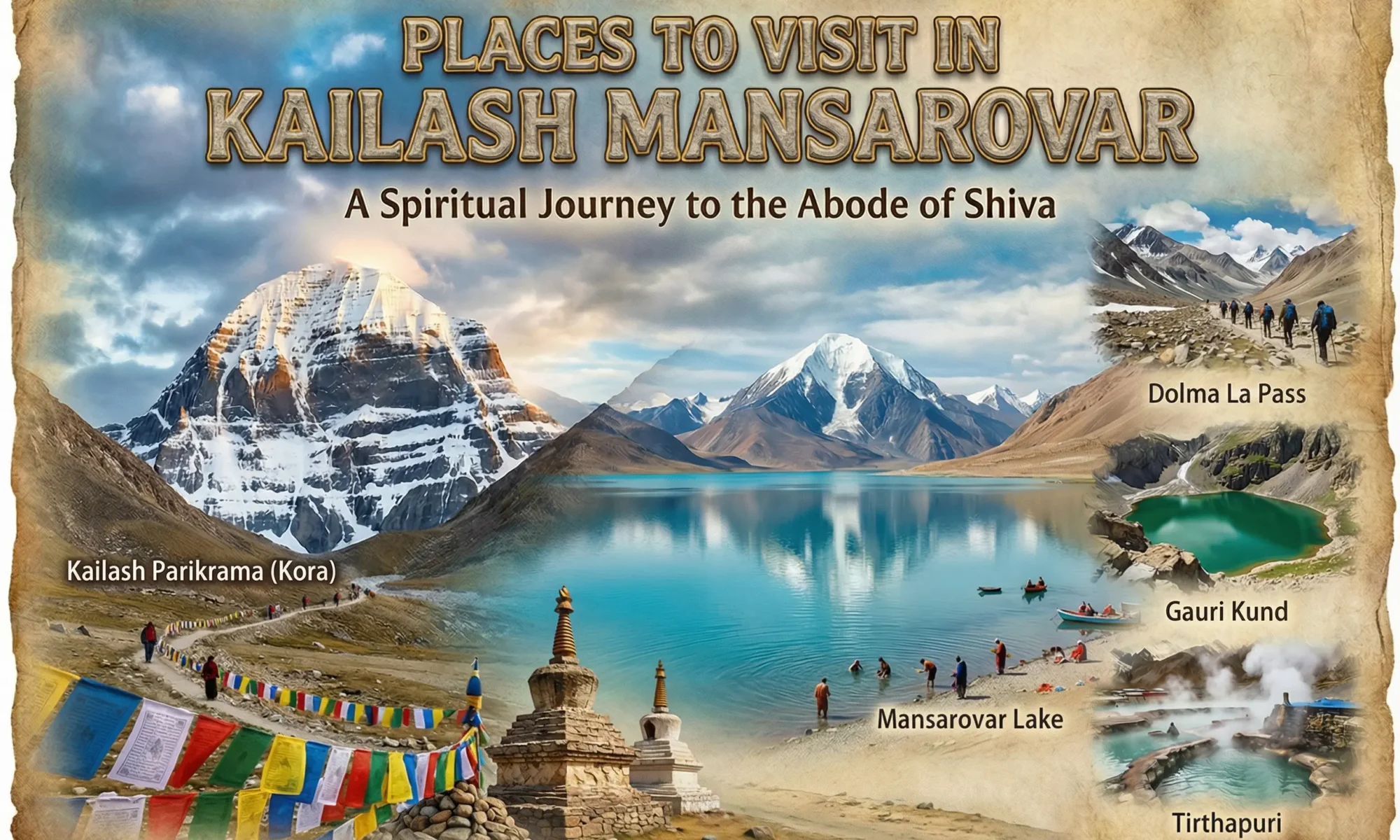
Top Most 8 Popular Places to Visit Near Kailash Mansarovar

places to visit in kailash mansarovar

Kailash Mansarovar Yatra takes you beyond the ordinary world and fills your life with blessings. Mount Kailash, Lord Shiva’s heavenly home, stands as one of the holiest peaks on Earth. The mountain towers high among snow-covered Himalayan peaks. Whether you worship Lord Shiva or simply want peace in the mighty Himalayas, this yatra brings countless blessings, wealth, and inner calm.

Mount Kailash offers many holy sites worth seeing. The beautiful, grand peaks of snow-covered mountains, Lake Mansarovar, and breathtaking scenery create a spirit of harmony, balance, and eternal beauty. From the sacred lake to the powerful mountains, Kailash Mansarovar’s enchanting landscape and spiritual energy grabs your attention like nothing else.

Places to visit in Kailash Mansarovar

Beyond Kailash Mansarovar or Mansarovar Lake, this beautiful place of Shiva holds many more attractions that make this spot more appealing. Below you will find the top 8 places to visit near Kailash Mansarovar:

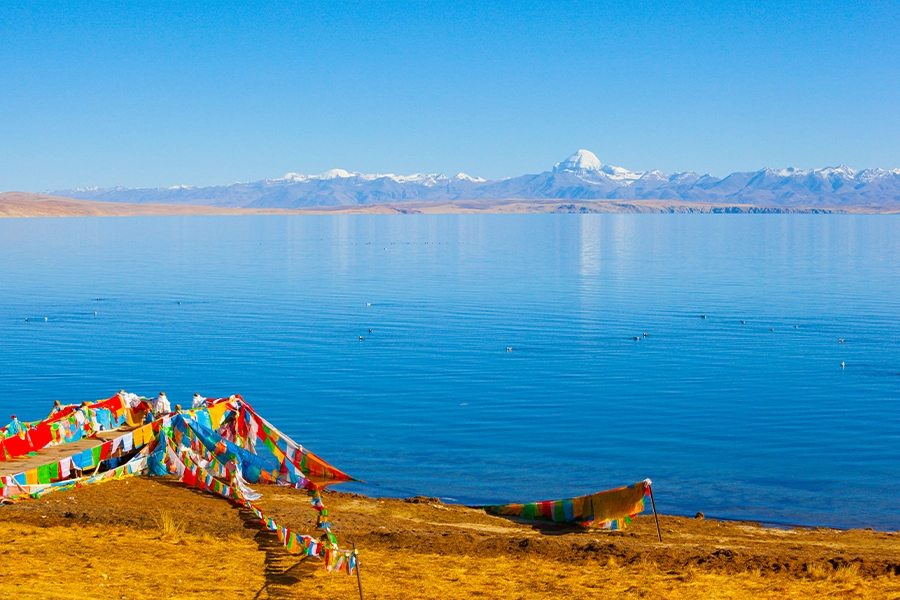
1. Lake Mansarovar

Lake Mansarovar

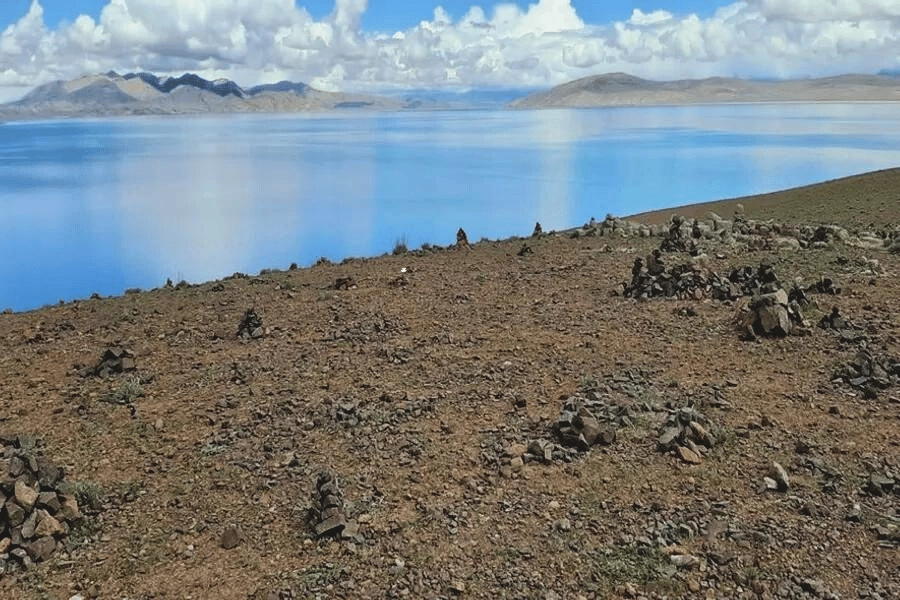
Lake Mansarovar in Tibet ranks among the holiest lakes in Tibet. It sits just 20 kilometers away from holy Mount Kailash. This large freshwater body carries deep religious meaning for Hindus, Buddhists, Jains, and Bons. ‘Mansarovar’ combines two words: ‘Manas’ (mind) and Sarovar (pond). You can call it the ‘Lake of Consciousness’. Holy Hindu texts say Lord Brahma first imagined the lake in his mind (manas) before it appeared on Earth. The Lake Mansarovar Parikrama frees people from sins done in past lives. Buddhists see Kailash as the father of the Universe and Lake Mansarovar as the mother.

2. Yam Dwar

Yam Dwar

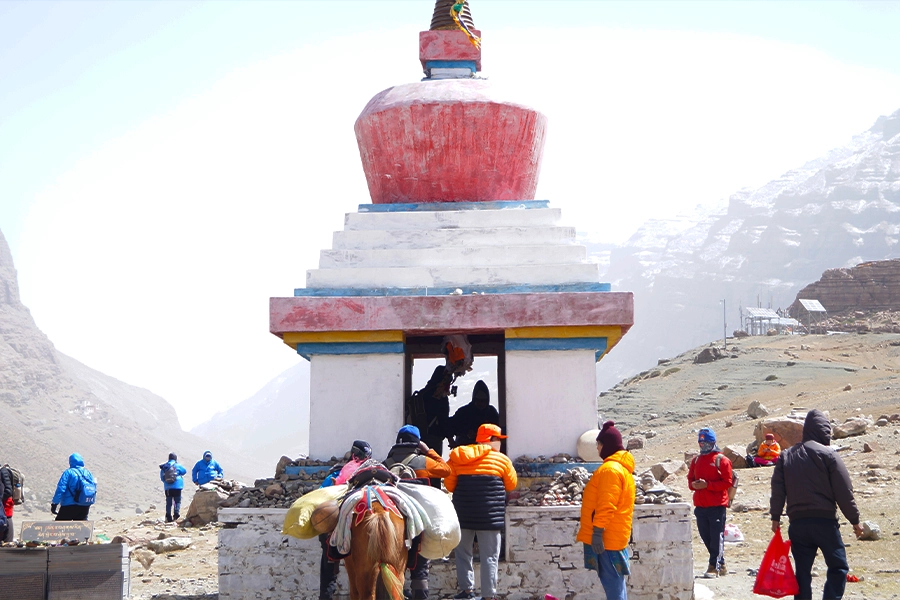
Yam Dwar or the Gateway of the God of Death stands as another popular tourist spot near Kailash Mansarovar. It marks the entrance to Lord Shiva’s home. The word Yam means Yamraj, ‘the god of death’, and Dwar means the gate. People see it as the base camp for the Kailash Parvat Yatra and Parikrama. Tibetans call Yam Dwar ‘Tarboche’. Crossing through the gate and doing Kailash Parikrama brings many blessings to pilgrims’ lives.

3. Rakshastal Lake

Rakshastal Lake

This saltwater lake sits in Tibet, west of holy Lake Mansarovar and south of Mount Kailash. The lake spreads across a huge area of 250 kilometers at 4,575 meters altitude. People also know the lake as ‘Ravan Tal’. According to old beliefs, the demon king Ravana did deep meditation on the banks of Rakshastal Lake to gain powers from Lord Shiva. Rakshastal forms a crescent shape and represents ‘Darkness’. The lake looks bluish-green. The lake’s salty water and lack of plants nearby create negative energy.

4. Gauri Kund

Gauri Kund

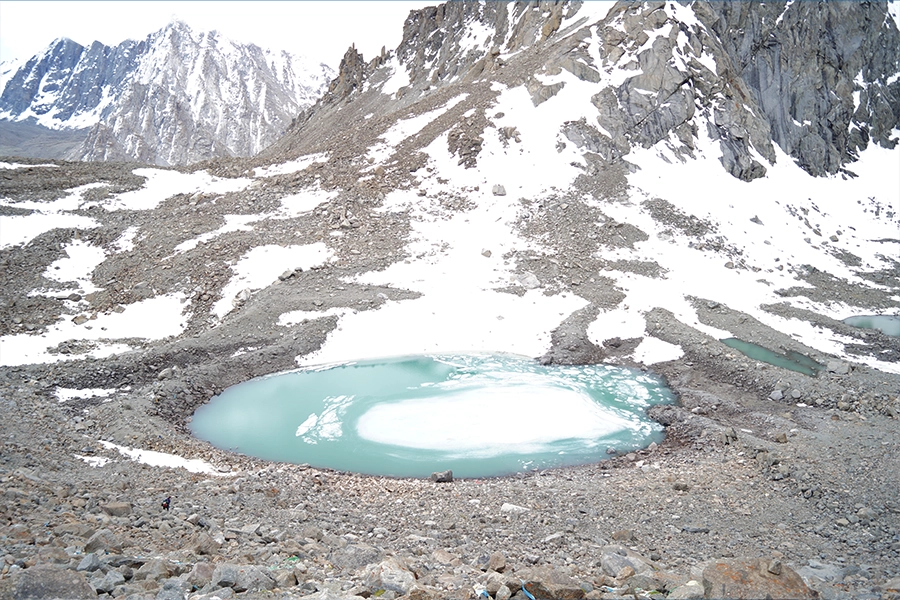
Gauri Kund rests at 5,600 meters elevation downwards from Dolma-La. People also call it the ‘Lake of Compassion’. The lake appears in the Shiva Purana. Stories say Goddess Parvati made Lord Ganesh using clay, earth, and turmeric near the holy sarovar. The lake also goes by the name Parvati Sarovar.

5. Ashtapad

Ashtapad

Ashtapad (the eight spiritual steps) serves as one of the most respected pilgrimage sites for Jains. Rishabhnatha, the first Tirthankar of the Jains, gained moksha or salvation here. The place stands in Darchen, Purang County. At Ashtapad, every stone and every carving represents the Gods. The place draws huge crowds of Jains and Hindus seeking blessings at the holy site. Many saints and monks have meditated at this sacred spot.

6. Saptarishi Caves

Saptarishi Caves

Saptarishi Caves served as home to the Sapta Rishis, who deeply loved Lord Shiva. The seven sages—Vasishtha, Vishwamitra, Atri, Gautama, Jamadagni, Bharadwaja, and Kashyapa—did hard penance at these caves. Saptarishi caves stand at 6,000 meters elevation in the Inner Parikrama of Mount Kailash. The caves lie close to Nandi Parvat. Saptarishi Caves show selflessness, spirituality, giving up worldly things, and devotion.

7. Nandi Parvat

Nandi Parvat

The Nandi Parvat forms a sacred mountain that looks like Nandi Maharaj, the bull vehicle of Lord Shiva. The Parvat stands in front of the South Face of Mount Kailash. Nandi Parvat protects Mount Kailash. According to Shiv Puran and many other Hindu texts, Nandi guards Lord Shiva’s home, Mount Kailash. You can easily see the Nandi Pahad standing tall among the snow-covered Himalayas.

8. Shivasthal

Shivasthal

Shivasthal lies 100-200 meters before Dolma La Pass. The place carries great religious meaning for Hindus. Popular belief says that when you give clothes, food, and other items at Shivasthal, you receive them in your next life. Shivasthal represents life and death. The place shows selflessness and giving up material pleasures.

Make the most of your Kailash Mansarovar yatra with our expert-led tours. For more details on the Kailash Mansarovar Yatra Package, contact us at +919958647371.

Rituals and Significance of Amarnath Yatra 2026

Amarnath Yatra 2026

The Amarnath Yatra is one of the most sacred Hindu pilgrimages, drawing millions of devotees to the mystical ice cave shrine nestled in the Himalayas of Jammu and Kashmir. This spiritual journey holds immense religious significance as pilgrims trek through challenging terrains to witness the naturally formed ice Shiva Lingam. In this comprehensive guide, you’ll discover the profound rituals, spiritual importance, and everything you need to know about the Rituals and Significance of Amarnath Yatra 2026, helping you prepare for this life-changing pilgrimage.

What Is Amarnath Yatra?

Amarnath Yatra is an annual Hindu pilgrimage to the Amarnath Cave, located at an altitude of 3,888 meters in the Himalayas. The cave houses a naturally formed ice stalagmite that resembles the Shiva Lingam, which waxes and wanes with the phases of the moon. According to Hindu mythology, this is the sacred site where Lord Shiva revealed the secret of immortality (Amar Katha) to Goddess Parvati. The yatra typically takes place during the Hindu month of Shravan (July-August), attracting devotees who undertake this arduous journey to seek divine blessings and spiritual enlightenment.

Why Is Amarnath Yatra Important?

The Amarnath Yatra holds profound spiritual and cultural significance for several compelling reasons:

  • Mythological Importance: Believed to be the place where Lord Shiva shared the secret of life and eternity with Goddess Parvati, making it one of Hinduism’s holiest sites.
  • Spiritual Cleansing: Devotees believe that completing this pilgrimage washes away sins and grants moksha (liberation from the cycle of rebirth).
  • Natural Wonder: The self-forming ice Shiva Lingam is considered a divine manifestation, reinforcing faith in natural miracles.
  • Cultural Unity: The yatra brings together people from diverse backgrounds, castes, and regions, promoting communal harmony.
  • Personal Transformation: The challenging journey tests physical endurance and mental strength, leading to personal growth and spiritual awakening.
  • Historical Legacy: The pilgrimage has been undertaken for thousands of years, connecting modern devotees with ancient spiritual traditions.

Key Features and Highlights of Amarnath Yatra 2026

The Sacred Ice Lingam

The main attraction of Amarnath Cave is the naturally formed ice Shiva Lingam, which typically reaches heights of 6-8 feet during peak season. Two smaller ice formations represent Goddess Parvati and Lord Ganesha. The ice formation is believed to grow and shrink with lunar cycles.

Two Traditional Routes

Pilgrims can choose between two distinct routes:

  • Pahalgam Route: 48 km, takes 3–5 days, scenic and gradual acclimatization.
  • Baltal Route: 14 km, can be completed in a single day, steeper but shorter.

Registration and Permit System

For 2026, SASB will implement mandatory online registration and health certificate requirements. Pilgrims must obtain a Compulsory Health Certificate (CHC) from authorized doctors.

Duration and Timing

The Amarnath Yatra 2026 is expected to begin in late June or early July and continue through August, coinciding with Shravan month.

Essential Rituals Performed During Amarnath Yatra

  • Step 1: Purification Before Departure: Ritual bath, prayers, fasting, and sattvic diet.
  • Step 2: Darshan at Base Camps: Prayers at local Shiva temples, bhajans, and kirtans.
  • Step 3: Chanting Along the Path: Devotees chant “Bam Bam Bhole” or “Har Har Mahadev.”
  • Step 4: Holy Cave Darshan: Pradakshina, offering flowers, bilva leaves, milk, and meditation.
  • Step 5: Receiving Prasad and Chhari: Blessed prasad and holy mace procession.
  • Step 6: Completing the Parikrama: Silent circumambulation absorbing divine energy.

Cost and Budget Planning for Amarnath Yatra 2026

  • Registration Fee: ₹150–200
  • Health Certificate: ₹100–500
  • Transportation: ₹5,000–15,000
  • Accommodation: ₹500–2,000 per night
  • Helicopter Services: ₹3,000–4,500 one way
  • Food and Supplies: ₹500–1,000 per day
  • Equipment Rental: ₹1,000–3,000
  • Pony/Palanquin: ₹1,500–4,000

Total Estimated Budget: ₹25,000–40,000 per person.

Best Tips and Things to Know

  • Start physical fitness 2–3 months in advance.
  • Choose Pahalgam route for better acclimatization.
  • Carry registration slip, ID proof, health certificate, insurance.
  • Pack thermal wear, waterproof jackets, sturdy shoes.
  • Stay hydrated but avoid overhydration.
  • Travel light; porters/ponies optional.
  • Avoid non-veg food, alcohol, tobacco.
  • Save emergency numbers of SASB and medical camps.
  • Register early to secure slots and helicopter services.
  • Group travel recommended for safety and guidance.

Frequently Asked Questions (FAQ)

Who can undertake Amarnath Yatra 2026?

Anyone aged 13–75 with good health and a valid CHC. Pregnant women beyond 6 weeks are not allowed.

What is the best route for first-time pilgrims?

Pahalgam route is ideal due to gradual acclimatization and better facilities.

When should I register?

Registration usually opens in March or April. Early registration is recommended.

Is helicopter service available?

Yes, from Baltal and Pahalgam to Panjtarni, weather permitting.

What medical facilities are available?

Multiple medical camps with oxygen, medicines, trained doctors, and emergency teams.

Can I visit without registration?

No, registration and permit are mandatory.

Conclusion

The Rituals and Significance of Amarnath Yatra 2026 go beyond a mere pilgrimage—it’s a transformative spiritual journey of devotion, endurance, and faith. Start preparing early and experience the divine blessings of Lord Shiva in the mystical Himalayas.

Char Dham Yatra: Spiritual Significance & Importance for Hindus

Char Dham Yatra

The Char Dham Yatra is one of the most sacred pilgrimages in Hinduism, encompassing four holy shrines nestled in the Himalayas. For millions of devotees, this spiritual journey represents the ultimate path to salvation and divine blessings. This ancient pilgrimage holds profound religious, cultural, and spiritual importance in Hindu tradition. In this guide, you’ll discover what makes the Char Dham so significant, its spiritual benefits, and everything you need to know about this transformative journey.

What Is Char Dham?

Char Dham refers to four sacred Hindu pilgrimage sites located in the Garhwal region of Uttarakhand, India. The four dhams are Yamunotri, Gangotri, Kedarnath, and Badrinath. According to Hindu scriptures, visiting these four shrines completes the cycle of spiritual purification and leads devotees toward moksha (liberation from the cycle of birth and death).

The pilgrimage traditionally begins from the west at Yamunotri, proceeds to Gangotri, then moves to Kedarnath, and concludes at Badrinath in the north. Each shrine is dedicated to a specific deity and is associated with sacred rivers that originate from these mountains. The Char Dham circuit has been a cornerstone of Hindu spirituality for centuries, drawing pilgrims from across the world.

Why Is Char Dham Important?

  • Spiritual Liberation: Completing the Char Dham Yatra washes away sins and grants moksha, freeing the soul from the cycle of rebirth.
  • Sacred River Origins: Each dham is connected to holy rivers—Yamuna, Ganga, Mandakini, and Alaknanda.
  • Divine Presence: Yamunotri honors Goddess Yamuna, Gangotri worships Goddess Ganga, Kedarnath is dedicated to Lord Shiva, and Badrinath to Lord Vishnu.
  • Historical & Cultural Heritage: The dhams are mentioned in ancient texts like the Puranas and Mahabharata.
  • Personal Transformation: Pilgrims often experience peace, clarity, and spiritual awakening.

Key Spiritual Highlights of Each Dham

Yamunotri: The Source of River Yamuna

Yamunotri, situated at 3,293 meters, is the source of the Yamuna River and is dedicated to Goddess Yamuna. Pilgrims take a holy dip in the thermal springs at Janki Chatti and offer prayers at the temple.

Gangotri: The Descent of Goddess Ganga

Located at 3,100 meters, Gangotri marks the origin of the River Ganga. King Bhagirath’s penance brought Ganga from heaven to earth. The temple dedicated to Goddess Ganga attracts thousands seeking purification.

Kedarnath: Abode of Lord Shiva

Kedarnath, at 3,583 meters, is one of the holiest Shiva shrines and houses one of the twelve Jyotirlingas. Its connection with the Pandavas adds to its spiritual importance.

Badrinath: Sanctuary of Lord Vishnu

Badrinath sits at 3,133 meters along the Alaknanda River. Dedicated to Lord Vishnu in his meditative form, it is one of the 108 Divya Desams.

How the Char Dham Yatra Works: Traditional Sequence

  • Start at Yamunotri: Begin your journey at the westernmost dham.
  • Proceed to Gangotri: Visit the origin of the Ganga.
  • Journey to Kedarnath: Trek or take a helicopter to Lord Shiva’s abode.
  • Conclude at Badrinath: Offer prayers at the final dham of the circuit.
  • Return Journey: Pilgrims may visit Rishikesh or Hemkund Sahib on return.

Cost & Budget Planning

  • Budget Package: ₹20,000–₹30,000 per person includes basic accommodation, shared transport, and meals. Ideal for devotees seeking a simple, authentic experience. [Explore our budget-friendly Char Dham packages →].
  • Deluxe Package: ₹30,000–₹50,000 per person offers comfortable hotels, private vehicles, and organized darshan arrangements with guide services. [View deluxe Char Dham tour packages →]
  • Premium Package: ₹50,000–₹1,00,000 per person includes luxury accommodations, helicopter services to Kedarnath, personalized services, and VIP darshan facilities.

Best Tips for Char Dham Pilgrims

  • Timing Matters: Plan your visit between May and June or September and October for the best weather conditions. The temples remain closed during winter months (November to April). [Check our Char Dham travel calendar and opening dates →]
  • Physical Preparation: Start fitness training at least 2–3 months before your journey. The high altitude and steep treks demand good cardiovascular health and stamina. [Read our complete fitness guide for Char Dham Yatra →]
  • Register Online: Complete mandatory registration on the Uttarakhand government’s official portal before departure. This ensures safety tracking and medical assistance. [Step-by-step Char Dham registration guide →]
  • Pack Smart: Carry warm clothing, rain gear, comfortable trekking shoes, first-aid kit, oxygen cylinders (for high altitude), and essential medicines. Pack light but thoroughly. [Download our complete Char Dham packing checklist →]
  • Acclimatize: Spend a day at moderate altitude locations like Haridwar or Rishikesh before ascending to the dhams to prevent altitude sickness.
  • Respect Local Customs: Follow temple protocols, dress modestly, maintain silence in sacred areas, and avoid leather items at temple premises.
  • Stay Hydrated: Drink plenty of water throughout the journey to combat altitude effects and maintain energy levels.
  • Book Accommodations Early: During peak season, hotels and dharamshalas fill quickly. Make advance reservations to avoid last-minute hassles.

Frequently Asked Questions (FAQ)

Can elderly people undertake the Char Dham Yatra?

Yes, elderly pilgrims can visit all four dhams with proper planning. Helicopter services are available for Kedarnath, and pony or palanquin services are accessible at all sites. However, consult a doctor before travel and carry necessary medications. Many senior citizens complete this pilgrimage successfully with family support.

What is the best time to visit Char Dham?

The ideal time is from May to June when the weather is pleasant and all temples are open. September to early November is also good, offering clear skies after monsoon. Avoid July-August due to heavy rainfall and landslide risks. The temples close around Diwali and reopen in April-May.

Is advance booking mandatory for Char Dham Yatra?

While not always mandatory, advance booking is highly recommended for accommodations, transportation, and helicopter services, especially during peak season. Additionally, online registration with Uttarakhand authorities is now required for safety and crowd management purposes.

How many days are required for the Yatra?

A complete Char Dham Yatra typically requires 10–14 days, including travel time, temple visits, and rest days for acclimatization. Shorter 7-day packages are available using helicopter services for Kedarnath, but allow more time for a fulfilling spiritual experience.

Are medical facilities available?

Yes, medical facilities and first aid centers are available at major towns and near all four temples. However, carry your personal medications, especially for altitude sickness, blood pressure, and diabetes. Emergency helicopter evacuation services are also available if needed.

Can the Char Dham be visited in any order?

Traditionally, the clockwise route starting from Yamunotri is considered most auspicious. However, due to practical constraints like weather or road conditions, pilgrims sometimes alter the sequence. The spiritual merit remains intact regardless of the order, though following tradition is preferred.

Conclusion

The Char Dham Yatra represents the pinnacle of Hindu pilgrimage, offering not just religious merit but a transformative journey through breathtaking Himalayan landscapes and profound spiritual experiences. Whether you seek moksha, divine blessings, or inner peace, this sacred circuit provides a path to connect with the divine and discover your true self. Plan your pilgrimage carefully, prepare thoroughly, and embark on this life-changing journey with devotion and an open heart. May your Char Dham Yatra bring you eternal blessings and spiritual fulfillment.

Top Reasons to Choose Tour Package for Char Dham

Chardham Yatra Packages

The sacred journey to Char Dham stands as one of India’s most revered pilgrimages. Thousands of devotees embark on this spiritual quest each year, seeking divine blessings at Yamunotri, Gangotri, Kedarnath, and Badrinath. While some travelers prefer independent exploration, booking a tour package offers distinct advantages that transform this challenging expedition into a memorable experience.

Expert Planning Saves Time and Energy

Planning a Char Dham pilgrimage demands extensive research and coordination. Tour operators possess years of experience navigating the complexities of mountain travel. They understand weather patterns, road conditions, and the best travel sequences. This expertise eliminates guesswork and prevents costly mistakes that could derail your spiritual journey.

Professional tour companies handle accommodation bookings, transportation arrangements, and permit requirements. They secure stays near temples, arrange early morning darshans, and coordinate with local authorities. This comprehensive planning allows pilgrims to focus entirely on their spiritual objectives rather than logistical headaches.

Safety Comes First in Mountain Terrain

The Himalayan routes present genuine challenges. Narrow mountain roads, unpredictable weather, and high altitudes demand careful navigation. Tour packages employ experienced drivers who know these treacherous paths intimately. They recognize dangerous sections, understand when to pause during adverse weather, and maintain vehicles specifically equipped for mountain conditions.

Medical emergencies can occur at high altitudes. Reputable tour operators carry oxygen cylinders, first-aid supplies, and maintain connections with local healthcare facilities. This preparedness proves invaluable when altitude sickness strikes or other health concerns emerge during the journey.

Cost-Effective Travel Solutions

Individual travelers often spend more than necessary on this pilgrimage. Tour packages leverage bulk bookings to negotiate better rates for accommodation, meals, and transportation. The economies of scale translate into significant savings for participants.

Hidden costs frequently surprise independent travelers. Last-minute hotel bookings, emergency taxi services, and unplanned meals add up quickly. Tour packages provide transparent pricing that covers most expenses upfront. This financial predictability helps pilgrims budget accurately without worrying about unexpected expenditures.

Local Knowledge Enriches the Experience

Tour guides bring the sacred sites to life through stories, historical context, and religious significance. They explain rituals, share legends associated with each temple, and help pilgrims understand the proper protocols for darshan. This cultural insight deepens the spiritual connection that pilgrims seek.

Local guides know the quieter times for temple visits, the best spots for photographs, and nearby attractions worth visiting. They communicate effectively with temple priests, local vendors, and accommodation staff. This linguistic and cultural bridge enhances comfort throughout the journey.

Hassle-Free Transportation Throughout

The Char Dham circuit covers hundreds of kilometers across mountainous terrain. Tour packages provide comfortable vehicles maintained specifically for such journeys. Drivers handle the stress of navigating winding roads while passengers relax and enjoy the scenic beauty.

Transportation logistics become particularly complex when traveling between temples. Tour operators coordinate departure times, rest stops, and meal breaks efficiently. This seamless movement between destinations maximizes time at sacred sites rather than wasting hours managing travel arrangements.

Group Travel Creates Shared Memories

Joining a tour package connects pilgrims with like-minded spiritual seekers. These shared experiences foster friendships that often last beyond the journey. Fellow travelers provide companionship during long drives, support during challenging temple treks, and shared joy during divine darshans.

Group dynamics also enhance safety. Traveling together means someone always notices if a member faces difficulties. This collective care proves especially valuable for elderly pilgrims or those traveling alone.

Pre-Arranged Accommodations Guarantee Comfort

The Char Dham region experiences massive pilgrim influxes during peak seasons. Hotels and guesthouses fill quickly, leaving independent travelers scrambling for accommodation. Tour packages secure rooms months in advance, guaranteeing comfortable rest after exhausting temple visits.

Strategic accommodation placement matters tremendously. Tour operators book stays near temples, reducing travel time for early morning rituals. They select properties meeting basic hygiene standards and offering hot water facilities—luxuries that become necessities in cold mountain climates.

Flexible Itineraries Suit Different Needs

Modern tour operators offer various package options catering to different budgets, time constraints, and physical capabilities. Budget packages provide essential services at affordable rates. Premium options include helicopter services, superior accommodations, and extended stays at each destination.

Some packages accommodate travelers with mobility challenges by arranging palkis (palanquins) and ponies for steep temple approaches. Others design expedited itineraries for those with limited vacation time. This flexibility ensures everyone finds a suitable option for their Char Dham pilgrimage.

Timely Completion of the Circuit

Weather windows in the Himalayas remain narrow. The Char Dham yatra operates typically from late April through early November. Tour operators design itineraries that complete the circuit efficiently within this timeframe. They build in buffer days for weather delays while maintaining a steady pace.

Independent travelers often underestimate travel times between temples. They may find themselves rushing through sacred sites or unable to complete the full circuit. Professional tour planning ensures adequate time at each location while maintaining realistic schedules.

Assistance with Religious Rituals

Each Char Dham temple follows specific customs and rituals. Tour guides explain these traditions and help pilgrims participate appropriately. They assist with booking special pujas, connecting with priests, and obtaining prasad. This guidance proves invaluable for first-time visitors unfamiliar with temple protocols.

Many tour packages include a purohit (priest) who performs group pujas at each location. This service adds spiritual depth to the journey while relieving pilgrims of the complexity of arranging individual ceremonies.

Emergency Support Round the Clock

Mountain environments present unpredictable situations. Vehicle breakdowns, sudden illness, or weather disruptions require immediate attention. Tour operators maintain 24/7 support systems to handle emergencies promptly. They possess backup vehicles, emergency contacts, and contingency plans for various scenarios.

This support network extends beyond immediate travel needs. Operators help with lost documents, communication with families back home, and coordination with local authorities when necessary. Such comprehensive assistance provides peace of mind throughout the pilgrimage.

Sustainable and Responsible Tourism

Reputable tour operators practice environmentally conscious tourism. They minimize plastic usage, dispose of waste properly, and educate travelers about preserving the fragile Himalayan ecosystem. Choosing responsible tour packages helps protect these sacred sites for future generations.

These companies also support local economies by employing regional guides, staying at locally owned properties, and sourcing meals from community kitchens. This approach ensures that tourism benefits the mountain communities that maintain these sacred spaces year-round.

Making the Right Choice

The Char Dham pilgrimage represents a once-in-a-lifetime spiritual journey for many devotees. While independent travel appeals to adventurous souls, tour packages deliver tangible benefits that enhance both the practical and spiritual aspects of this sacred expedition. The combination of professional planning, safety measures, cost efficiency, and spiritual guidance creates an environment where pilgrims can immerse themselves fully in their devotional goals.

Selecting a reputable tour operator with positive reviews, transparent pricing, and comprehensive services ensures a fulfilling Char Dham experience. This investment in professional guidance pays dividends through stress-free travel, meaningful spiritual encounters, and memories that inspire long after the journey concludes.

Ukhimath Travel Guide (Char Dham)

Ukhimath Omkareshwar Temple

Ukhimath is a holy place in Uttarakhand. It sits at a height of 1311 meters. The town is 41 km away from Rudraprayag. Ukhimath is the winter home for the main idol of Kedarnath Temple and Madhyamaheshwar. During winter, these idols are worshipped here. Both temples close in winter because of heavy snow.

This lovely place has many old temples. These temples are dedicated to gods and goddesses like Usha, Aniruddha, Shiva, Parvati, and Mandhata. The main priests of Kedarnath temple live in Ukhimath. People call these priests Rawals.

Story and Importance of Ukhimath

In winter months, priests bring the idols from Kedarnath temple to Ukhimath. People worship these idols here for six months. You can use Ukhimath as your base to visit nearby places. These include Madhmaheshwar (Second Kedar), Tungnath Temple (Third Kedar), Deoria Tal (a natural freshwater lake), Chopta, and many beautiful spots.

Long ago, Anirudh married Usha here. Anirudh was Lord Krishna’s grandson. Usha was the daughter of Vanasur. This place got its name from Usha. People called it Ushamath. Now everyone knows it as Ukhimath.

Places To Visit In Ukhimath

  • Chopta: People call this place ‘Mini Switzerland’ of Uttarakhand and North India. Chopta has many different plants and animals. Thick forests of pine, deodar, and rhododendron trees surround this place.
  • Tungnath: This is the highest Shiva temple in the world. It is one of the five temples in the Panch Kedar circuit.
  • Karanprayag: This place is 22 km from Nandprayag. It sits where Alakananda and Pindar rivers meet. The height is 788 meters above sea level.
  • Nanda Temple: This Hindu temple stands where two holy rivers meet – Alakananda and Nandakini. You can find it in Nandaprayag.
  • Nandaprayag: This small town sits where Alakananda and Nandakini rivers join. People believe bathing here washes away all sins.
  • Kedarnath: This is one of Uttarakhand’s most famous temples. It is part of the Chota Chardham circuit. Pilgrims trek 16 km to reach this holy temple.
  • Chandrashila Trek: This trek starts from Chopta. The trek gives you beautiful views of snow-covered mountains.
  • Dugalbitta: Dugal Bitta means the space between two mountains. It is part of Kedarnath Wildlife Sanctuary. Nature lovers enjoy this place.
  • Gaurikund Temple: People worship Goddess Parvati here. She is Lord Shiva’s wife. Pilgrims going to Kedarnath Temple stop here to pray.
  • Gauri Kund: People also call this Gauri Lake, Lake of Compassion, or Parvati Sarovar. Hindus consider this a sacred lake. They believe Goddess Parvati gave life to Lord Ganesha here.
  • Sonprayag: This place sits where Mandakini and Vasuki rivers meet. It is on the way to Kedarnath Temple.

Char Dham Distance Chart From Ukhimath

Coming from Kedarnath and going to Badrinath during Char Dham Yatra? Take the Ukhimath-Chopta-Gopeshwar-Chamoli road. This is the best shortcut. This route saves lots of travel time. You can reach Joshimath easily.

Ukhimath to Yamunotri

  • Distance: 305 km
  • Time: 11 hours
  • Route: Ukhimath – Augastmuni – Rudraprayag – Srinagar – Chinyalisaur – Dharasu Band – Barkot – Jankichatti – Yamunotri

Ukhimath to Gangotri

  • Distance: 289 km
  • Time: 10 hours
  • Route: Ukhimath – Augustmuni – Rudraprayag – Srinagar – Naughar – Uttarkashi – Gangotri

Ukhimath to Kedarnath

  • Distance: 65 km
  • Time: 4 hours
  • Route: Ukhimath – Guptkashi – Sonprayag – Gaurikund – Kedarnath

Ukhimath to Badrinath

  • Distance: 169 km
  • Time: 6 hours
  • Route: Ukhimath – Chamoli – Pipalkoti – Joshimath – Govindghat – Pandukeshwar – Hanuman Chatti – Badrinath

Top 5 Places To Stay In Ukhimath

Few options exist for staying in Ukhimath during Char Dham Yatra. Here is the list of hotels, resorts, and guest houses in Ukhimath.

1) GMVN Ukhimath – Tourist Rest House, Ukhimath

This rest house offers budget-friendly rooms to travelers and pilgrims. It provides basic facilities with comfortable stay.
Address: GMVN Tourist Bungalow Ukhimath, Rudraprayag, Uttarakhand – 246469, India.

2) Snow View

This is an affordable hotel in Ukhimath on Chopta Road. While staying here, you can visit nearby areas like Chopta, Tungnath, and Kartik Swami.
Address: Hotel Snowview Chopta, PothiBasa (Ukhimath), Uttrakhand 248001, India.

3) The Rudralok Hotel

This hotel is in Gopeshwar. All rooms are clean and have TV with cable channels, AC, wardrobe, and attached bathroom.
Address: 1 Gopeshwar Mandal Road, Chamoli Gopeshwar 246401.

4) Peaches And Pears

This is a Himalayan homestay run by a local family. They offer warm hospitality to guests. This lovely homestay lets guests experience local culture and natural beauty.
Address: Ghingran Road, Rauli, Gopeshwar, Uttarakhand.

5) Himalaya Resort

This resort is like a second home for Chopta, Tungnath, and Chandrashila travelers. This is the best place for trekkers and backpackers looking for adventure in the dense forests of Deodar, Pine, and Oak trees.
Address: Ukhimath-Chopta-Gopeshwar Road, Chopta 246419 India.

How To Reach Ukhimath

Good roads connect Ukhimath, but the place has no airports or railway stations. You can easily travel here by public transport or by driving your own vehicle.

Route 1: Delhi to Ukhimath via Haridwar

By Road: Good roads connect Ukhimath from Delhi. Many regular buses run between Delhi and Ukhimath via Haridwar. You can also drive your car to Ukhimath.

Ukhimath has no railway station or airport. Tourists can reach Haridwar by train. Then hire a taxi, cab, or local bus to reach Ukhimath. The journey takes about 6 hours from Haridwar.

Route 2: Delhi to Ukhimath via Dehradun

By Road: Good roads connect Ukhimath from Delhi. Many regular buses run between Delhi and Ukhimath via Dehradun. You can also drive your car to Ukhimath.

Ukhimath has no railway station or airport. Tourists can reach Dehradun by train or plane. Then hire a taxi, cab, or local bus to reach Ukhimath. The journey takes about 7 hours from Dehradun.

FAQ’s on Visit Ukhimath During Char Dham Yatra

What is the significance of Ukhimath during the Char Dham Yatra?

Ukhimath is an important place on the way to Kedarnath. Pilgrims can stay here during their Kedarnath Dham tour. It also works as the winter home of Lord Kedarnath. Devotees visit Omkareshwar Temple here to seek blessings.

What is the road distance from Ukhimath to Kedarnath?

The road distance from Ukhimath to Kedarnath is about 50 km up to Gaurikund. Gaurikund is the last place where vehicles can go. From Gaurikund, pilgrims walk 20 km to reach Kedarnath Dham.

Are there good places to stay in Ukhimath during the Char Dham Yatra?

Yes, Ukhimath has many good places to stay for pilgrims during Char Dham Yatra Tour. Travelers find budget lodges, homestays, guesthouses, and comfortable resorts with basic facilities. Many hotels offer beautiful views and quiet surroundings. This makes Ukhimath a helpful stop for people going to Kedarnath Temple.

Which is the best hotel in Ukhimath during Char Dham Yatra?

Here are some of the best hotels in Ukhimath for pilgrims during Char Dham Yatra. These hotels offer comfort and convenience:

  • Hotel Surya Palace
  • Regenta Resort Madhuganga
  • GMVN Ukhimath
  • Belle Vue Cottages
  • The Rudralok Hotel
  • Peaches And Pears
  • Devdarshan Hotel & Restaurant

What are the best places to visit in Ukhimath during Char Dham Yatra?

List of places pilgrims can visit in Ukhimath during Char Dham Yatra:

  • Omkareshwar Temple
  • Kalishila Temple
  • Deoria Taal
  • Chopta
  • Tungnath
  • Ransi Village

What is the Char Dham distance from Ukhimath?

Distances of Char Dham sites from Ukhimath:

  • Kedarnath: 50 km (by road to Gaurikund) + 20 km walk
  • Badrinath: 164 km
  • Gangotri: 296 km
  • Yamunotri: 322 km (by road to Jankichatti) + 6 km walk