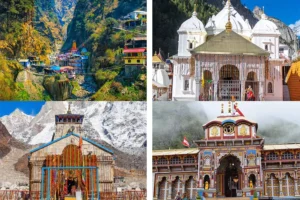
In Which Month Is Kedarnath Less Crowded?
If you want to visit Kedarnath with fewer crowds, late September to early October is generally one of the better periods to consider. By then, the main May-June rush has usually eased, while the monsoon season is moving away. The temple remains open during this period, subject to the annual closing date and current administration.
But there is an important catch: Kedarnath is not guaranteed to be crowd-free in any month. A quiet weekday can become busy because of a weekend, public holiday, festival, special puja, good weather after several rainy days, or a sudden concentration of pilgrims.
So, if your question is simply, “In which month is Kedarnath less crowded?”, the practical answer is:
Late September is one of the strongest choices for a comparatively quieter Kedarnath Yatra, with early October also offering a good balance in many years. The exact crowd level changes from week to week, and weather and route conditions should be checked before travelling.
The right month depends on what matters most to you: fewer people, clearer weather, easier travel, comfortable trekking, family convenience, or a peaceful darshan.
Quick Answer: When Is Kedarnath Less Crowded?
For most travellers looking for a quieter pilgrimage, late September to early October is a useful window to consider.
May and June generally see much heavier pilgrimage activity. July and August can have lower visitor pressure at times because of monsoon conditions, but lower crowds do not automatically make these months better. Rain, landslides, route interruptions and poor visibility can affect the journey.
September often gives a better compromise. The monsoon influence starts reducing, the temple is still open, and the intense opening-season rush has passed. Early October can also be relatively manageable, although public holidays, weekends and the approach of the temple’s seasonal closure can change the picture.
There is no official government category called “low crowd month” for Kedarnath. The crowd labels used in this article are relative travel-planning assessments, not official crowd classifications.
Why Kedarnath Crowd Levels Change Throughout the Season?
Kedarnath’s pilgrimage season is short compared with its winter closure. That concentrates demand into a few months.
Several factors influence how busy the shrine feels:
- Temple opening and closing dates
- School and summer holidays
- Weekends
- Public holidays
- Religious festivals
- Special puja dates
- Weather conditions
- Road conditions
- Temporary route restrictions
- Registration or crowd-management measures
- Changes in helicopter operations
- Sudden improvement in weather after several days of disruption
This is why monthly averages can be misleading.
For example, a rainy period may discourage some travellers and make the route quieter. If the weather then improves, many people who had postponed their journey may travel at the same time. The result can be a sudden rush even during a month that is generally considered quieter.
The reverse can also happen. A popular month such as June may have a particularly busy weekend, while a weekday later in the season can feel much calmer.
Think of the month as a general trend, not a guarantee.
Kedarnath Crowd by Month
The following table is a practical seasonal guide. It does not represent official government crowd ratings or fixed visitor limits.
| Month | Crowd Level | Weather Tendency | Trek Conditions | Main Advantage | Main Concern |
| May | Very High | Cold to relatively pleasant, with changing conditions early in the season | Possible cold and residual snow in some sections | Fresh opening-season atmosphere | Heavy pilgrimage demand |
| June | High to Very High | Generally suitable in early season, with increasing pre-monsoon weather changes | Usually active but conditions can change | Longer daylight and strong pilgrimage activity | Holidays and heavy crowds |
| July | Moderate to High | Monsoon influence | Wet and potentially slippery | Sometimes lower demand | Rain, landslides and delays |
| August | Moderate | Monsoon | Wet, variable and weather-dependent | Some quieter periods | Heavy rain and route disruptions |
| September | Low to Moderate* | Generally improving after monsoon | Often more favourable than peak monsoon | Better balance of crowd and conditions | Rain can still occur; busy dates remain possible |
| October | Low to Moderate* | Cooler and increasingly autumnal | Generally manageable early in the month if conditions remain favourable | Quieter atmosphere in many periods | Cold, changing weather and approaching closure |
*These are relative planning assessments, not official crowd classifications.
The most useful point is not that September or October is “empty.” It is that the probability of encountering the intense early-season rush is generally lower than in May and June.
Recent 2026 reporting also shows why absolute visitor numbers should not be confused with crowd comfort. More than 15 lakh pilgrims had visited Kedarnath by September 2026, yet recent traveller reports still described comparatively calmer periods between rushes.



Which Month Offers the Best Balance of Fewer Crowds and Good Weather?
If you want one practical answer, late September is probably the strongest starting point.
Why?
By this stage:
- The May-June peak has passed.
- The core monsoon period is normally behind the region.
- The temple is still operating.
- The landscape remains green after the rains.
- Conditions can be more favourable for trekking than during the wettest part of the season.
- You avoid the extreme opening-season rush.
However, do not treat September as automatically dry or disruption-free.
In September 2026, for example, heavy rain still caused temporary interruptions on the Kedarnath route. A September 12 report described debris blocking part of the walking route, while another September report noted that the journey resumed after weather improved.
That is the real lesson: post-monsoon does not mean weather-proof.
If your dates are flexible, late September on a weekday can offer a more attractive crowd-to-weather balance than simply choosing any date in September.
Is the Least Crowded Month Actually the Best Time to Visit?
Not necessarily.
Suppose July has fewer visitors on a particular week because heavy rain is affecting travel. That does not automatically make July better than September.
Your decision should look like this:
- Fewer crowds
- Reliable travel conditions
- Comfortable trekking
- Temple availability
- Accommodation and transport
For a healthy, experienced trekker with flexible dates, a quieter but weather-sensitive period may be acceptable.
For a family with children or elderly members, predictable conditions may matter more than finding the absolute quietest day.
For a first-time visitor, the best choice is usually a balanced window, not simply the month with the lowest apparent demand.
Kedarnath in May
May marks the beginning of the main pilgrimage period, depending on the annual temple opening date.
For 2026, the Kedarnath temple opened on 22 April 2026. The official Uttarakhand registration portal lists that opening date, while the BKTC website confirms the 2026 Yatra is underway.
May can be beautiful, but it is not the month I would choose if your main objective is fewer crowds.
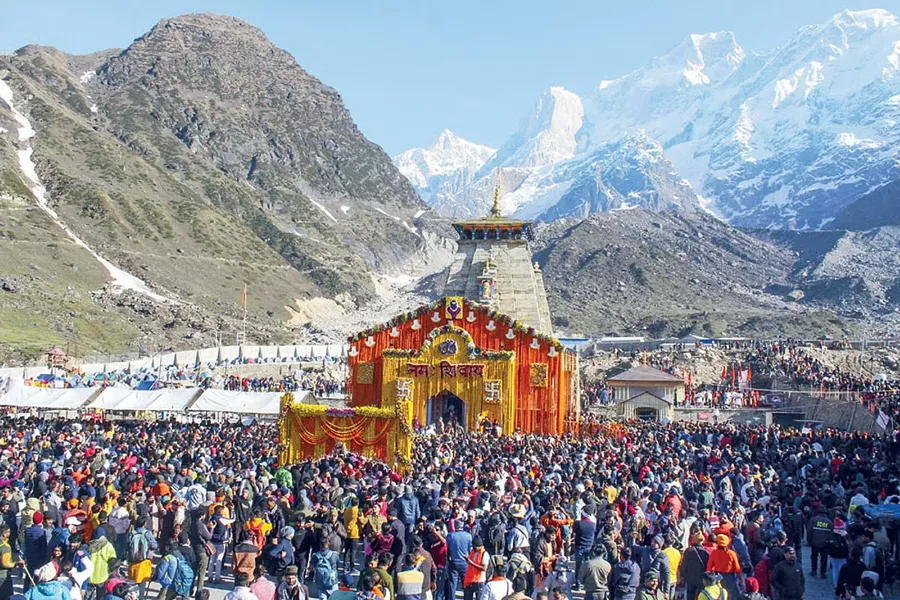
The opening period attracts significant attention from devotees. The 2026 season showed this clearly. Reports recorded more than 3 lakh visitors during the first 12 days and more than 10 lakh within 39 days.
Why people choose May
- Strong opening-season pilgrimage atmosphere
- Cool mountain environment
- Snow may still be visible around higher areas
- Good choice for people who want to travel early in the season
Why it may not suit a low-crowd trip?
- Opening-season demand can be intense
- Accommodation demand can be high
- Queues can become long
- Roads and access points can experience heavy movement
In May 2026, reports documented exceptionally heavy visitor flows, including thousands of pilgrims waiting during periods of route disruption.
Verdict: Beautiful and spiritually significant, but generally not the first choice for avoiding crowds.
Kedarnath in June
June continues to be one of the busiest periods.
Summer holidays make travel easier for many families, which increases demand. In 2026, Kedarnath had already recorded more than 11 lakh visitors by June 7, according to official figures reported by PTI.
That does not mean every June day is equally crowded. Weekdays can still be better than weekends.
But if your main search question is “When is Kedarnath less crowded?”, June should generally not be your first choice.
Advantages
- Popular travel season
- Longer daylight
- Strong availability of pilgrimage services during the active season
Concerns
- Heavy pilgrim movement
- School and family holidays
- Long queues on busy dates
- Greater demand for accommodation and transport
Verdict: Convenient for holiday planning, but usually crowded.
Kedarnath in July
July brings the monsoon factor into the decision.
Some travellers assume that because rain discourages visitors, July must be the best low-crowd month.
That is too simplistic.
Lower demand on some dates can come with a higher chance of:
- Rain
- Slippery trekking surfaces
- Landslides
- Road interruptions
- Delayed transportation
- Reduced visibility
- Temporary route restrictions
The India Meteorological Department’s long-term Uttarakhand rainfall data shows a strong monsoon pattern in July and August, with July among the state’s wettest months.
That does not mean the Kedarnath route is closed throughout July. It means you should not choose July only because you expect fewer visitors.
Verdict: Potentially quieter on some dates, but the weather trade-off is significant.
Kedarnath in August
August has the same fundamental issue as July.
The temple can be open, but monsoon conditions can affect the journey.
August can also have religious significance for many devotees, so a blanket statement such as “August is empty” would be misleading.
The better question is:
Are the weather conditions on my exact travel dates favourable?
This matters because a quieter route is of little benefit if heavy rain forces you to delay the trek.
Verdict: Not a reliable choice if your priority is both low crowds and dependable travel.
Kedarnath in September
September is where the crowd question becomes more interesting.
The main early-season rush has generally passed, while the temple remains within its annual pilgrimage season.
Weather also starts moving away from the core monsoon pattern, although rainfall can still occur.
This makes September a strong option for travellers who want:
- Fewer crowds than May-June
- An open temple
- Better post-monsoon conditions
- A calmer pilgrimage atmosphere
- More flexibility than the busiest early season
But avoid saying that September guarantees short queues.
In 2026, even September saw significant pilgrim movement, weather interruptions and periods of heavy demand.
Best strategy: If possible, look at late September on weekdays, after checking the latest weather and route status.
Verdict: One of the strongest overall choices for a quieter Kedarnath trip.
Kedarnath in October
October can also be a good low-crowd period, especially early in the month.
Temperatures become colder, particularly at night and at high altitude. The seasonal window also becomes more important because the temple’s closing date is approaching.
As of 6 October 2026, the official BKTC and Uttarakhand registration sources confirm that the 2026 Yatra is in progress and that the temple opened on April 22, but the official closing date should be confirmed through BKTC before planning a late-season trip.
Do not rely on a third-party website’s predicted closing date when making a final booking.
October also shows why “less crowded” is not the same as “empty.” The Gandhi Jayanti weekend in early October 2026 produced heavy movement across Uttarakhand pilgrimage routes, showing how a public holiday can override normal seasonal patterns.
Verdict: Early October can be attractive for a quieter experience, but avoid assuming every October date will be quiet.
Weekdays vs Weekends at Kedarnath
Choosing the right day can be almost as important as choosing the right month.
A relatively quiet month can still become busy during:
- Saturday and Sunday
- Long weekends
- Public holidays
- School holidays
- Major religious dates
- Special temple events
A weekday during late September may therefore be a better choice for a peaceful experience than a weekend during October.
This is a general travel pattern, not a guarantee.
Practical strategy
If your schedule allows:
- Choose a quieter seasonal window.
- Prefer weekdays.
- Check the public-holiday calendar.
- Check festival dates.
- Review the latest Yatra registration availability.
- Check the weather and route advisory shortly before departure.
This layered approach is much more useful than simply searching for the “least crowded month.”
Festivals and Peak Crowd Periods to Consider
Religious dates can change the normal crowd pattern.
Kedarnath is an important pilgrimage destination, so special occasions can attract additional visitors even during otherwise quieter periods.
You should be especially careful around:
- Temple opening celebrations
- Major Hindu festivals
- Public holidays
- Long weekends
- Special puja dates
- The final period before temple closure
Festival dates follow the Hindu calendar and can shift each year.
Do not assume that a weekday is automatically quiet if it falls on an important religious or public holiday.
How to Avoid Large Crowds at Kedarnath
You cannot control the total number of pilgrims, but you can reduce your exposure to peak demand.
- Choose late September or early October. This is a practical starting point if crowd avoidance is your main goal.
- Prefer weekdays. Avoid weekends and long holiday weekends when possible.
- Check festivals before booking. A normally quiet week can become busy around an important religious date.
- Do not travel immediately after a major weather disruption without checking conditions. When a route reopens after a disruption, postponed travellers may arrive together.
- Complete registration before travelling. The Uttarakhand Tourism portal currently requires Char Dham registration and provides destination/date-based registration and verification facilities.
- Keep a weather buffer. Do not create an itinerary that depends on every road and trekking section operating perfectly.
- Avoid the opening rush if crowds are your priority. The first part of the season can be extremely busy.
- Do not assume late season means risk-free. Colder weather and changing mountain conditions become increasingly important as the season progresses.
Crowd vs Weather: Which Period Fits You?
| Period | Crowd Trend | Weather Consideration | Trek Consideration | Overall Planning View |
| Early season | High to very high | Cold, changing conditions | Early-season conditions | Better for opening-season atmosphere |
| May-June peak | High to very high | Generally more settled than monsoon | Active route, heavy traffic | Poor choice for crowd avoidance |
| July-August | Often lower on some dates | Monsoon is the major concern | Wet and weather-dependent | Quietness may come with travel disruption |
| September | Low to moderate in relative terms | Improving after monsoon, but rain can remain | Often more favourable | Strong balance for flexible travellers |
| Early October | Low to moderate on many dates | Cooler, generally post-monsoon | Generally favourable if weather cooperates | Strong option for a calmer trip |
| Late season | Variable | Increasing cold and changing conditions | Weather becomes more important | Check exact closing date and advisories |
Best Time for Families
For families, I would not select a month based only on the lowest expected crowd.
Instead, balance:
- Weather
- Trek difficulty
- Rest time
- Accommodation
- Transport
- Children’s ability to handle the route
- Current government guidance
For many families, late September or early October can be a sensible balance, provided the forecast and route conditions are favourable.
A slightly busier period with stable conditions can be a better family choice than a quieter period affected by heavy rain.
Best Time for Senior Citizens
There is no single month that is automatically suitable for every senior traveller.
Kedarnath is a high-altitude pilgrimage, and the trek requires significant physical effort. Weather and altitude can make the experience more demanding.
For older travellers, consider:
- Current health and fitness
- Medical preparation
- Adequate rest
- Weather
- Trek conditions
- Availability of approved support services
- Current government rules
The Uttarakhand government health guidance advises pilgrims to carry necessary medicines, acclimatize, stay warm, travel light and adjust plans to changing weather.
Anyone with a medical condition should discuss high-altitude travel with a qualified healthcare professional before planning the journey.
For many senior travellers, a balanced post-monsoon window with sufficient buffer days may be more sensible than chasing the absolute lowest crowd level.
Best Time for First-Time Pilgrims
If this is your first Kedarnath Yatra, do not make “least crowded” your only filter.
A better decision framework is:
Temple open + favourable weather + workable route + manageable crowd + enough time.
Late September and early October can be attractive because they often provide a better balance than the opening rush or core monsoon.
But always check current conditions before leaving.
Kedarnath Weather and Trek Conditions by Month
Kedarnath sits at around 3,580 metres, so conditions at the temple are very different from those in lower Uttarakhand.
May
Cold mornings and nights are possible, with changing conditions early in the season. Snow can remain around higher areas.
June
Generally part of the main trekking season, but visitor pressure is high and weather begins becoming more variable as the monsoon approaches.
July
Monsoon conditions become the major planning concern. Rain can affect roads, trails and visibility.
August
Continued monsoon influence. The route can be wet and conditions may change quickly.
September
Rainfall generally reduces as the season progresses, but September should not be treated as completely dry. Route conditions can still change.
October
Cooler conditions become increasingly important. Early October can be comfortable for trekking when conditions cooperate, while later in the season cold and changing weather deserve greater attention.
IMD continues to provide dedicated pilgrimage forecasts and route-specific weather information for the Kedarnath sector. On 6 October 2026, its pilgrimage nowcast listed the Rudraprayag-to-Kedarnath sector with a possibility of light rain and thunderstorms but no warning in the displayed period.
That is exactly why travellers should check the forecast close to departure rather than relying only on a month-level weather description.
Accommodation and Crowd Levels
Lower temple crowds do not automatically mean every hotel or guesthouse will have empty rooms.
Accommodation demand depends on:
- Exact travel date
- Location
- Weekend or weekday
- Festival period
- Road accessibility
- Weather disruptions
- Group size
- Transport availability
During a quieter period, you may have more flexibility, but popular properties can still fill quickly.
For a pilgrimage involving elderly family members or a fixed travel schedule, advance planning remains sensible even in September or October.
Kedarnath Temple Opening and Closing: Why Dates Matter
The temple does not remain open for normal pilgrimage throughout the year.
The 2026 Kedarnath Temple opening date was 22 April 2026. The official Uttarakhand Tourism registration page confirms the date, and the BKTC website identifies the 2026 Yatra as active.
The closing date is especially important for late-season travellers.
As of 6 October 2026, do not treat third-party predicted closing dates as final. Check BKTC for the official announcement before booking a late October or November trip.
Once the temple closes for winter, that period should not be described as a “less crowded Kedarnath Temple season.” The regular temple pilgrimage is not operating in the same way.
Kedarnath Registration and Current Rules
Current Uttarakhand Tourism information states that pilgrims must register for the Char Dham Yatra and verify themselves at the destination. The portal also provides registration letters, destination selection and related Yatra services.
The BKTC site also directs pilgrims to the Uttarakhand registration portal and states that registration formalities should be completed before starting the Yatra.
Rules can change between seasons.
Before travelling, check:
- Official Yatra registration
- Available dates or slots
- Route status
- Weather warnings
- Vehicle restrictions
- Health guidance
- Temple opening and closing information
- Helicopter operations, if relevant
Do not depend on an old blog post for current requirements.
Is the Least Crowded Month Also the Safest Time?
No.
Crowd level and safety are different questions.
A quieter July day may still have difficult weather. A busy June day may have better weather but create longer queues and traffic.
The best travel decision comes from combining:
Crowd + Weather + Route + Health + Accommodation + Time available
For this reason, late September to early October is often more useful as a balanced recommendation than simply calling July or August “least crowded.”
Common Mistakes When Choosing Your Travel Month
- Choosing a month only because someone called it “least crowded”: Crowd conditions vary within every month.
- Confusing winter with low season: The temple’s winter closure is not a low-crowd pilgrimage opportunity.
- Assuming September means no rain: Post-monsoon does not mean weather-proof.
- Assuming October is always empty: Weekends, holidays and special dates can still attract many pilgrims.
- Ignoring the closing date: Late-season plans should be checked against the official annual closing announcement.
- Booking from old information: Yatra procedures, registration systems and route arrangements can change.
- Planning with no buffer: Mountain travel can change quickly because of weather and road conditions.
- Ignoring family needs: A quieter route does not necessarily mean an easier journey for children or older travellers.
Myths and Facts About Kedarnath Crowds
Myth: September is always the least crowded month.
Fact: September is often quieter than May-June, particularly later in the month, but crowd levels vary by date, weather and holidays.
Myth: July and August are best because fewer people travel.
Fact: Monsoon conditions can reduce demand on some dates, but they can also create rain-related travel disruption.
Myth: October is always empty.
Fact: Early October may be comparatively manageable, but holidays and special dates can bring heavy movement.
Myth: Winter is the least crowded time to visit Kedarnath Temple.
Fact: The regular temple pilgrimage is closed during the winter period. That is not the same as visiting during a quiet Yatra month.
Myth: Weekdays guarantee short darshan queues.
Fact: Weekdays can be quieter than weekends, but no day guarantees a particular queue length.
Featured Snippet Answers
What is the least crowded month for Kedarnath?
Late September is generally one of the better periods for a comparatively quieter Kedarnath Yatra, with early October also worth considering. Crowds can still increase on weekends, holidays and special religious dates, while weather conditions may affect travel.
Is September a good time for Kedarnath?
Yes, September can offer a good balance between fewer crowds and post-monsoon conditions. Late September is particularly attractive for flexible travellers, but rain and route disruptions can still occur, so check current advisories before travelling.
Is October less crowded in Kedarnath?
Early October can be relatively quieter than the May-June peak, but October is not guaranteed to be empty. Public holidays, weekends and special dates can increase demand, while colder weather becomes more important later in the season.
Which weekday is less crowded in Kedarnath?
Weekdays are generally a better choice than weekends if you want to reduce crowd exposure, but there is no guaranteed quiet weekday. Check holidays, festivals and current Yatra conditions before choosing your date.
What is the best time for peaceful darshan at Kedarnath?
A flexible weekday in late September or early October can offer a more manageable experience than the May-June peak, but queue times depend on the exact date, pilgrim flow, weather and temple administration.
FAQs
In which month is Kedarnath less crowded?
Late September is generally one of the better choices for comparatively lower crowd levels, especially on weekdays. Early October can also work well, but holidays and weather can change the situation.
What is the least crowded month to visit Kedarnath?
There is no officially declared “least crowded month.” Late September is a strong practical choice because the opening-season rush has passed and the temple is still open.
Is September a good time to visit Kedarnath?
Yes. September can offer a useful balance of lower crowd pressure and improving post-monsoon conditions. Late September is often more attractive for travellers seeking a calmer experience.
Is October less crowded in Kedarnath?
Early October can be less crowded than May and June, but not every October date is quiet. Public holidays and special pilgrimage dates can create sudden increases in visitors.
Is Kedarnath crowded in May?
Yes, May can be very busy, particularly around the opening period and popular holiday dates. The 2026 season recorded very high visitor numbers early in the pilgrimage.
Is Kedarnath crowded in June?
June is generally one of the busier parts of the pilgrimage season because of summer holidays and strong pilgrimage demand.
Is Kedarnath crowded during monsoon?
Crowds can be lower on some rainy days, but demand does not disappear. More importantly, monsoon weather can affect roads, trekking conditions and travel schedules.
Which day of the week is less crowded in Kedarnath?
Weekdays are generally preferable if your priority is avoiding weekend demand. However, festivals and public holidays can override this pattern.
What is the best time for peaceful darshan at Kedarnath?
A weekday in late September or early October can be a good option. It is better to think in terms of a favourable date rather than expecting a guaranteed short queue.
Is the least crowded month also the safest time to visit?
No. Crowd levels and weather conditions are separate factors. A quieter month can still have difficult weather.
What is the best month for senior citizens to visit Kedarnath?
There is no universally suitable month. Senior travellers should prioritize favourable weather, sufficient rest, current route conditions and medical preparedness rather than choosing a month only for lower crowds.
What is the best month for families?
For many families, late September or early October may provide a better balance than the May-June rush or the wettest monsoon period. The final choice should depend on the children’s and adults’ ability to handle the trek and current conditions.
When is Kedarnath closed?
Kedarnath closes for the winter each year, with the exact annual date determined through the temple’s traditional calendar and official announcement. Check BKTC before planning late-season travel.
Can I visit Kedarnath in winter?
The regular Kedarnath Temple pilgrimage is not operated in the same way during winter because the temple closes. Winter worship continues at the deity’s winter seat in Ukhimath.
How can I avoid crowds during Kedarnath Yatra?
Choose a relatively quieter period such as late September, prefer weekdays, avoid major holidays and festivals, complete registration in advance, and check current weather and route conditions before travelling.
Final Verdict: When Should You Actually Go?
If your only goal is the lowest possible crowd, there is no responsible answer that guarantees one particular month or day.
If your goal is:
“I want fewer people, but I also want the temple open and reasonably workable travel conditions,”
then late September to early October is one of the strongest windows to consider.
Here is the simple decision framework:
Choose late September if your priority is:
- Comparatively fewer crowds
- A calmer pilgrimage atmosphere
- Avoiding the May-June rush
- Post-monsoon scenery
- A temple that is still operating
- Flexible travel dates
Choose early October if you also want:
- A quieter seasonal atmosphere
- Cooler conditions
- Less exposure to the main summer rush
But check public holidays and the latest weather forecast.
Consider May or June if:
- Your schedule is fixed around school or family holidays
- You prefer the early-season pilgrimage atmosphere
- You are willing to deal with heavier visitor demand
Think carefully about July and August if:
- You are choosing them only because someone called them “less crowded”
- Your schedule cannot tolerate weather-related delays
- You are travelling with people who need greater comfort and predictability
The most important point is this:
The best time for a quieter Kedarnath Yatra is not necessarily the month with the fewest visitors. It is the period when crowd levels, weather, route conditions and temple availability work reasonably well together.
For many flexible travellers, that makes late September to early October a better overall choice than simply chasing the lowest crowd level.
Before booking package, verify the latest information from the Shri Badarinath Kedarnath Temple Committee, Uttarakhand Tourism registration portal and the India Meteorological Department.