Chardham Yatra on a Budget: 7 Secrets Most Pilgrims Discover Too Late
Nine out of ten first-time pilgrims overpay for their Chardham Yatra, and they never even find out. They book the first hotel that shows up, take a private cab out of convenience, and end up paying almost double what a smart, well-planned trip would cost.
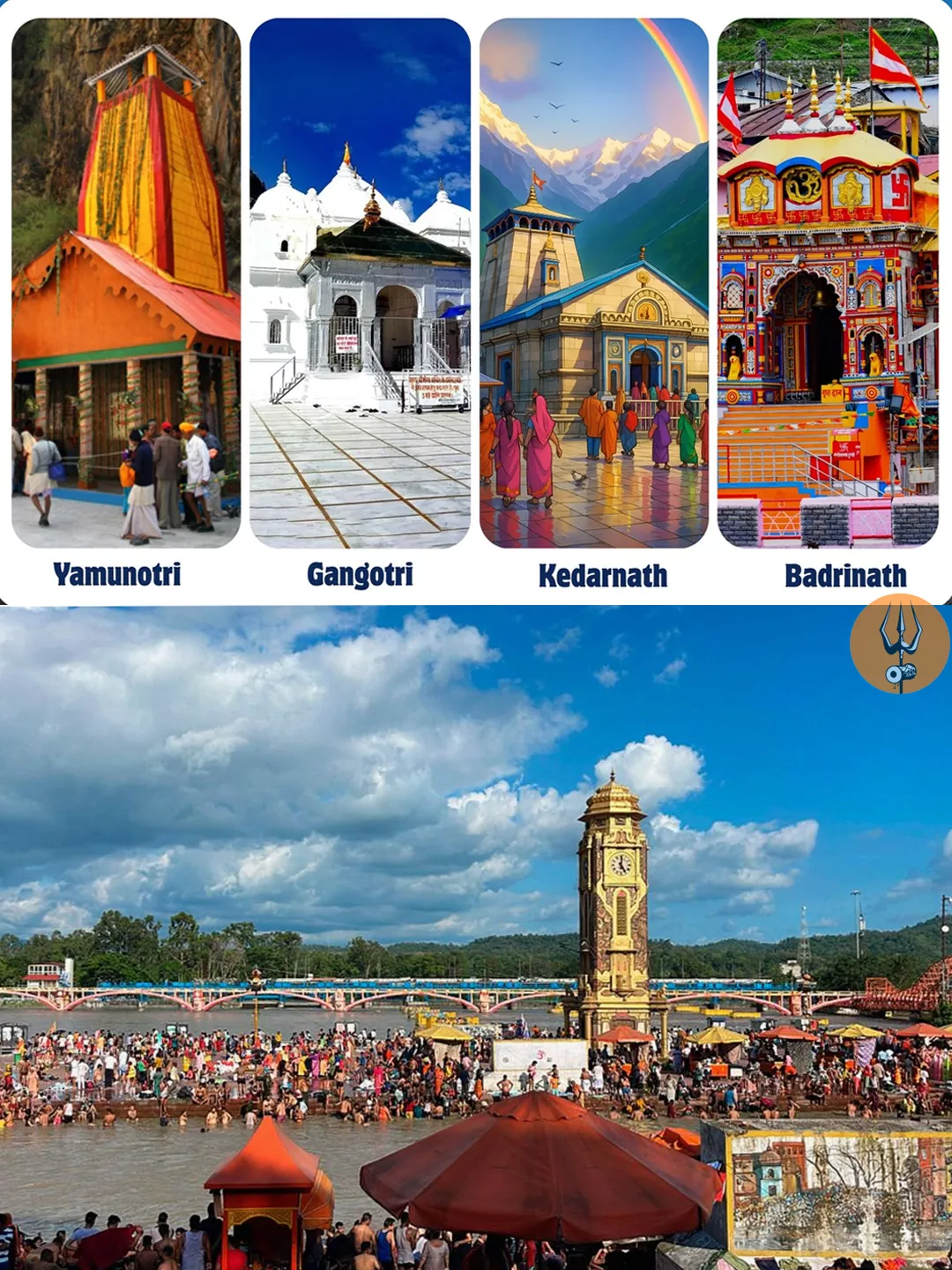
If you’re planning your yatra to Yamunotri, Gangotri, Kedarnath, and Badrinath this season, read this before you book anything. These are the exact things that separate a Rs. 15,000 pilgrim from a Rs. 60,000 pilgrim, and most of it comes down to timing and planning, not luck.
The Biggest Myth About Chardham Yatra Costs
Ask around and you’ll hear numbers ranging from Rs. 15,000 to Rs. 1,00,000 per person. The wide gap exists because most people are comparing apples to oranges. A helicopter darshan package for Kedarnath alone can cost more than an entire 10 day road trip covering all four dhams.
The real cost depends on three things: how you travel, where you stay, and when you go. Here are the 7 secrets that make the biggest difference.
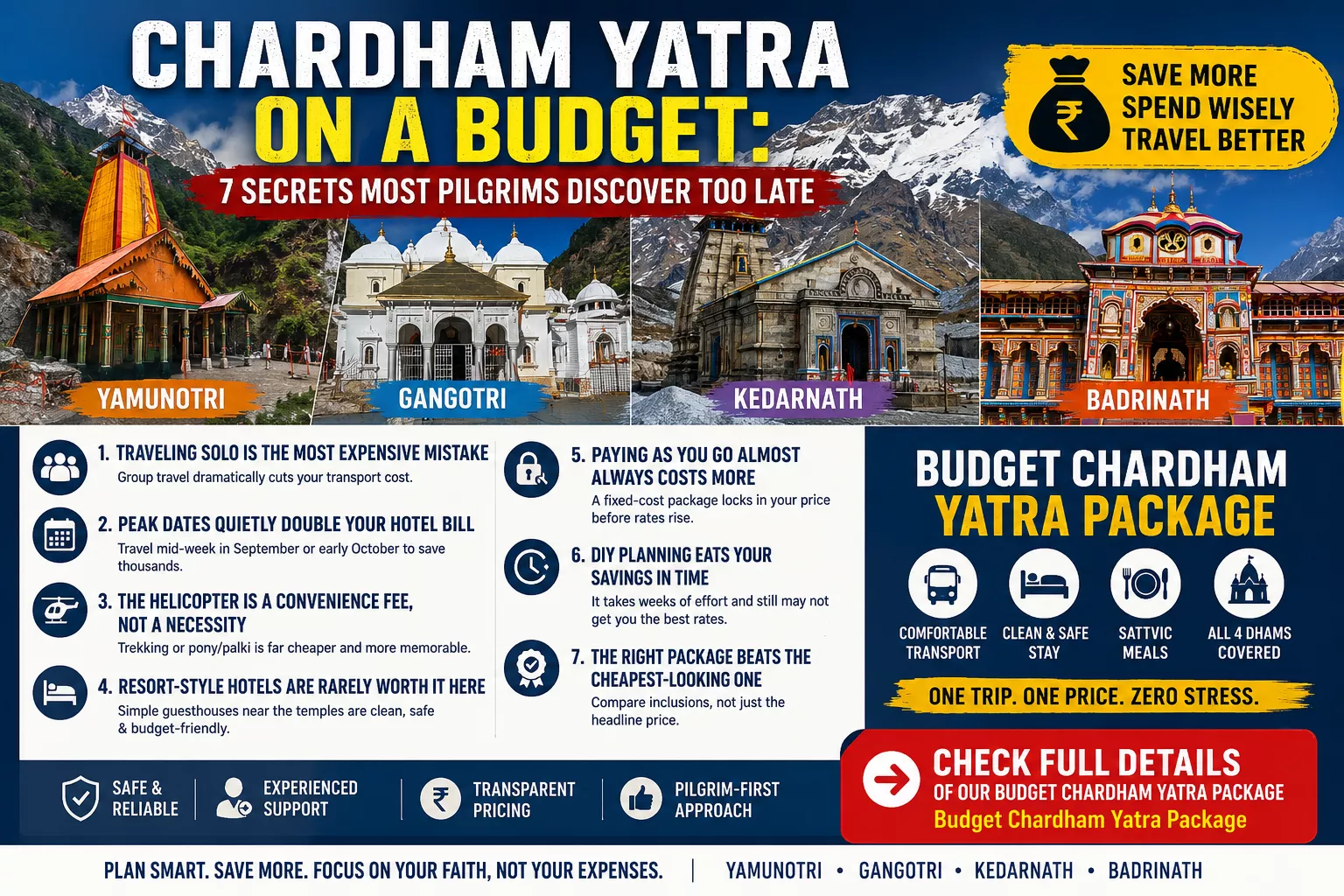
1. Traveling Solo Is the Most Expensive Mistake You Can Make
A private cab for one or two people can cost as much as a shared Tempo Traveller for eight. Group travel is, hands down, the single biggest money-saver in the entire yatra. If you don’t already have a group, joining a pre-formed batch through a package instantly cuts your transport cost.
2. Peak Dates Quietly Double Your Hotel Bill
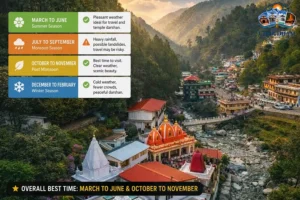
Hotel owners in Uttarakhand know exactly when demand spikes, and prices follow. The days around major festivals and long weekends see rates jump 30 to 50 percent overnight. Traveling mid-week in September or early October instead of the crowded May-June rush can save thousands without changing anything else about your trip.
3. The Helicopter Is a Convenience Fee, Not a Necessity
Helicopter darshan at Kedarnath feels tempting, but it can cost more than your entire remaining trip combined. Trekking or taking a pony/palki service is far cheaper, and for most pilgrims it becomes the most memorable part of the entire journey, not the part they wish they’d skipped.
4. Resort-Style Hotels Are Rarely Worth It Here
Pilgrims aren’t visiting Uttarakhand for infinity pools. Simple guesthouses and dharamshalas near the temples are clean, safe, and a fraction of the cost of branded resorts in bigger towns. Save the luxury stay for a different trip.
5. Paying As You Go Almost Always Costs More
This is the one nobody warns you about. Booking each hotel and cab separately sounds flexible, but it removes your biggest advantage: negotiating power. Prices surge the moment demand rises, and there’s no ceiling once you’re already there. A single fixed-cost package locks in your price before the season pushes rates up.
6. DIY Planning Eats Your Savings in Time, Not Just Money
Planning this yourself is possible, but it usually takes weeks of calling hotels, checking driver availability, and hoping nothing falls through during peak season. Most first-time pilgrims don’t have the local contacts to actually get the lowest rates, even when they try.
7. The Right Package Beats the Cheapest-Looking One
Not every “budget” package is actually budget. Some quote a low base price, then add helicopter, VIP darshan, and premium hotel charges later. The pilgrims who genuinely save money are the ones who compare what’s actually included, not just the headline number.
The Easiest Way to Get All Seven Right at Once
Instead of juggling ten different bookings and hoping you timed everything correctly, a well-built Budget Chardham Yatra Package already applies all seven of these principles for you: group transport, off-peak timing, sensible accommodation, and one transparent price with no surprise add-ons.
Check the full details of our Budget Char Dham Yatra Package here: Budget Chardham Yatra Package
Final Thought
The Char Dham Yatra is meant to be a journey of faith, not a financial guessing game. Pilgrims who plan around these seven points routinely complete the entire yatra for a fraction of what others pay, without cutting corners on safety or comfort. If you’re ready to plan yours, start with a package that’s built around these same principles.