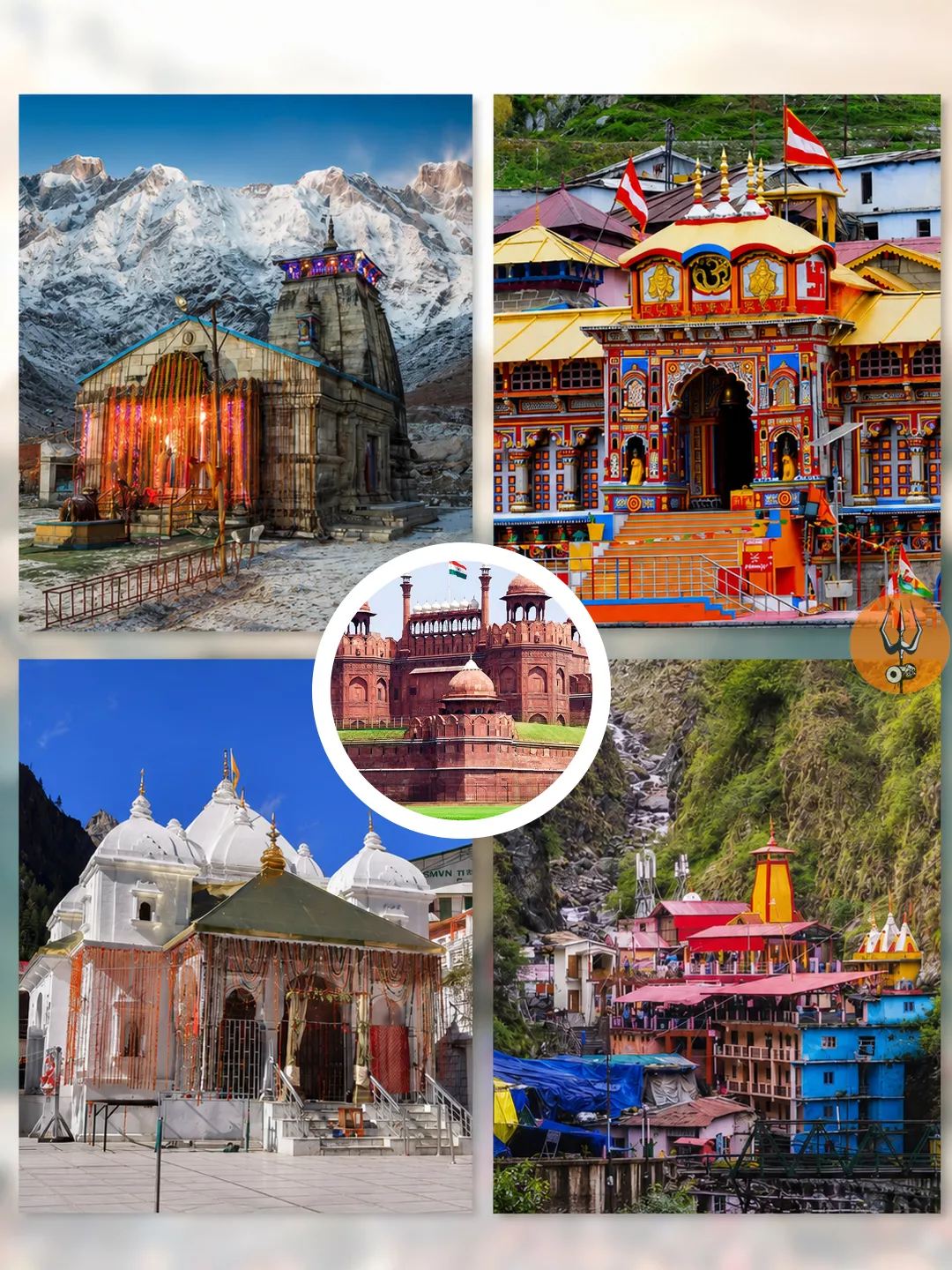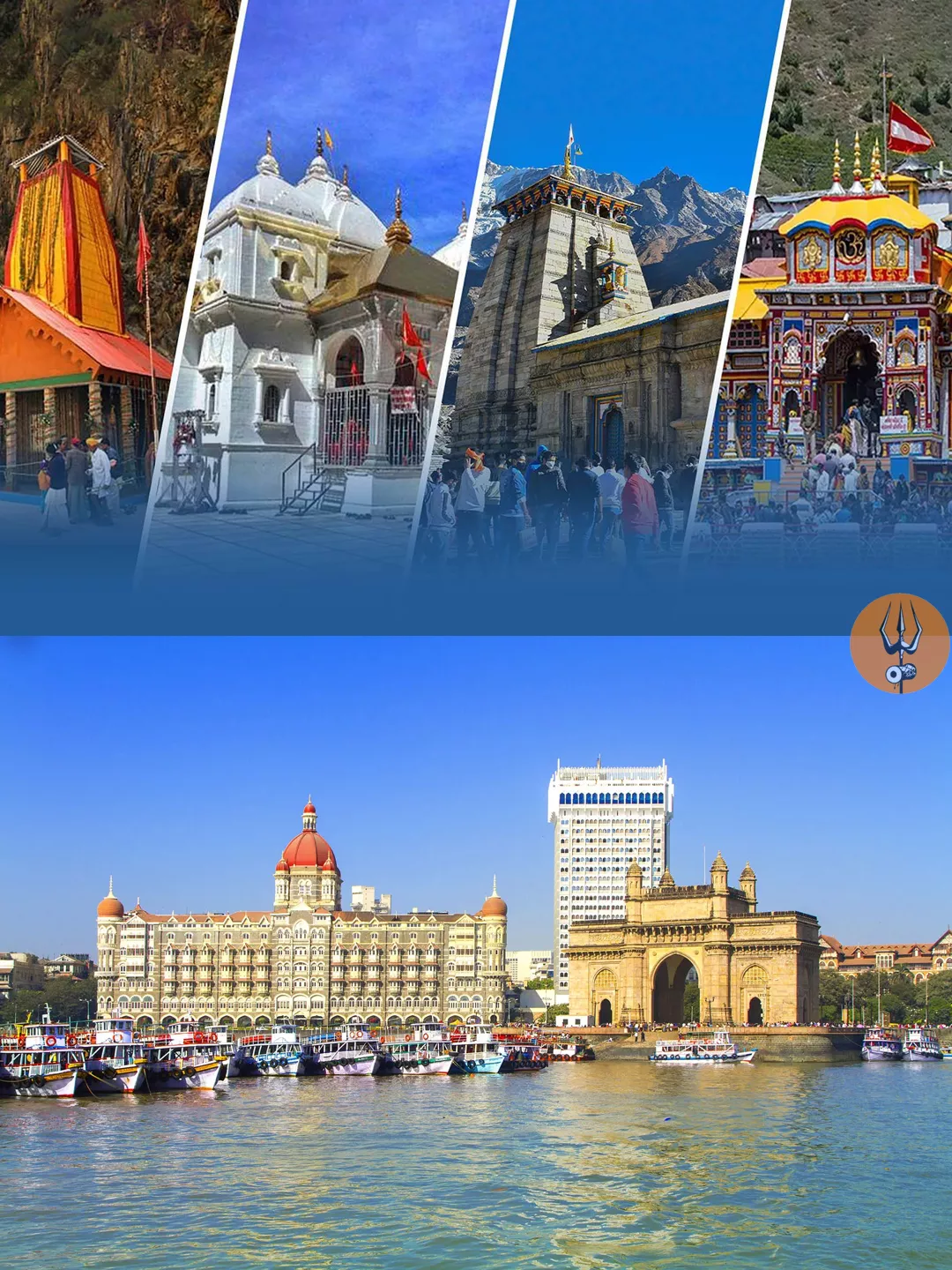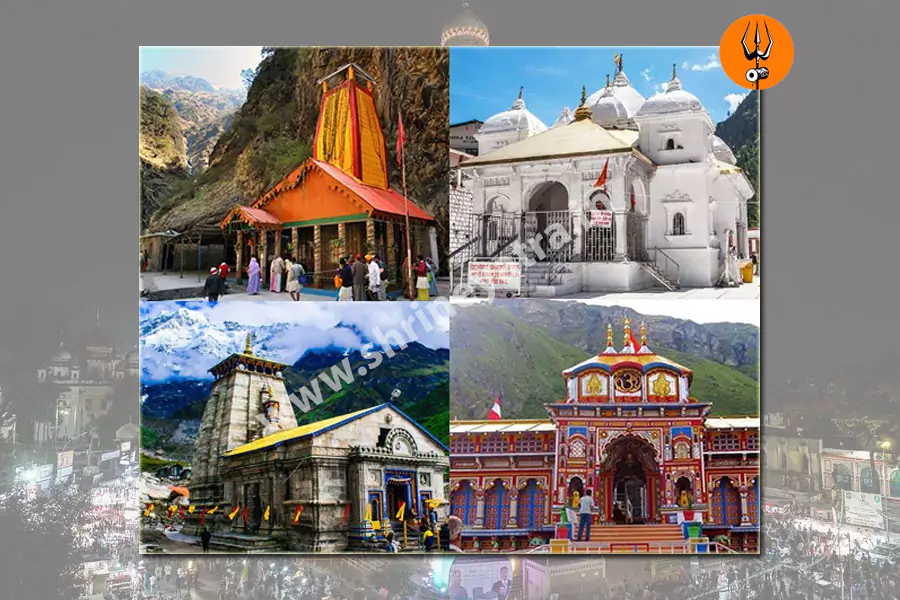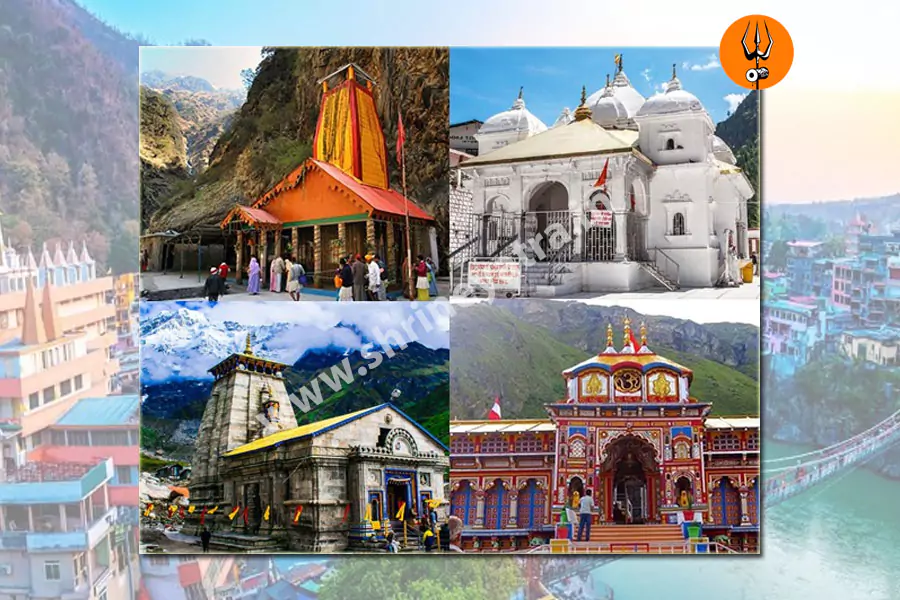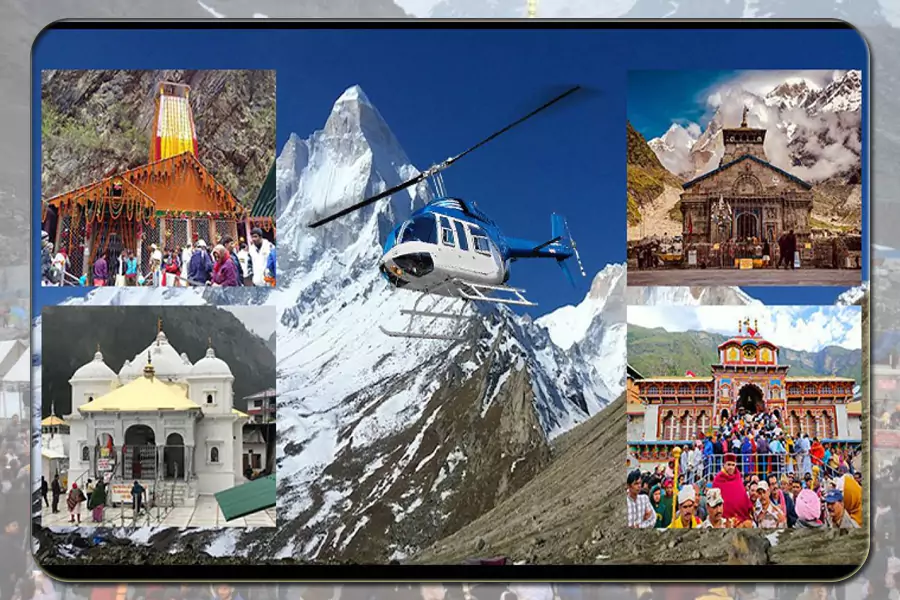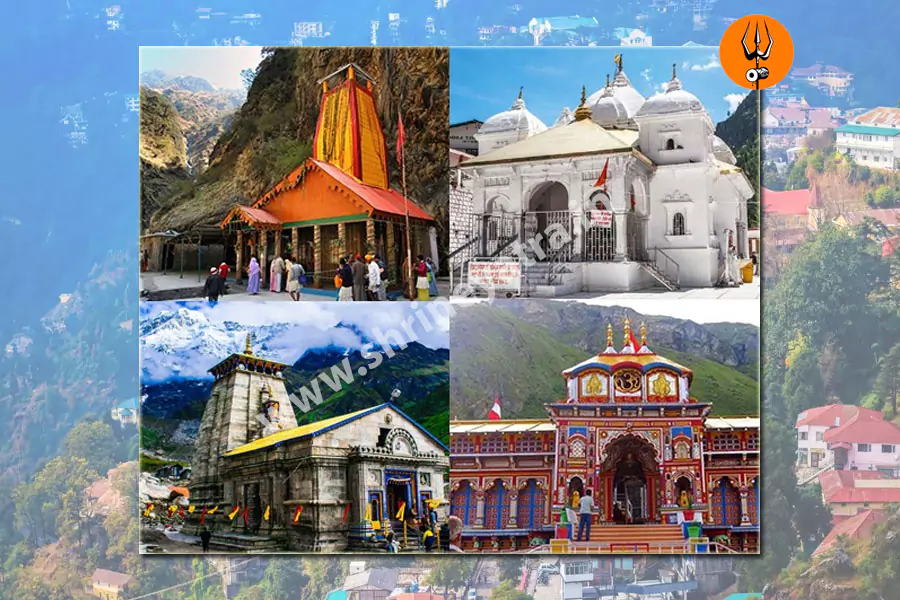
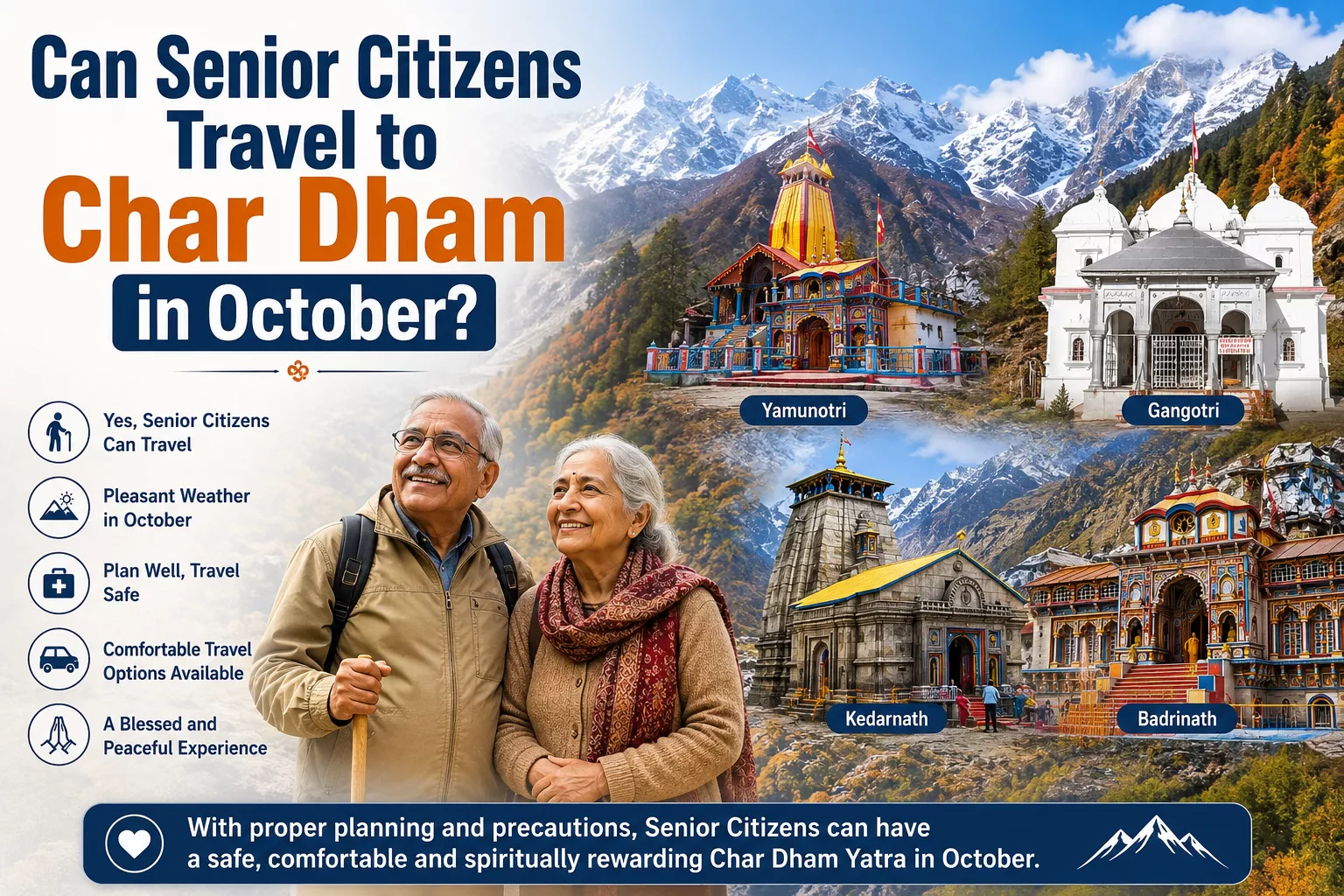
Can Senior Citizens Travel to Char Dham in October?
Every year, around the second week of September, the phone calls start. A son in Pune, a daughter in Delhi, asking the same question in a dozen different ways: “Papa is 68, he wants to go to Kedarnath this October – is that a good idea, or are we being reckless?”
Short answer: yes, senior citizens can travel to Char Dham in October – and for many older pilgrims, October is actually the smartest month to go, not the riskiest one. But “can” and “should without preparation” are two very different questions, and this article is about the second one.
[ Click Here to Enquiry for Package for Senior Citizens ]
Why October Isn’t the Month Most People Assume It Is?
Most people picture Char Dham as a summer trip – May, June, families dragging suitcases through Haridwar in 40°C heat. That’s also when the crowds peak, when Kedarnath’s narrow trek can have pilgrims standing shoulder to shoulder for hours, and when the heat itself becomes a health risk for older travelers.
October flips that entire picture.
By October, the monsoon has cleared out completely. The sky over the Garhwal Himalayas turns the kind of sharp, cloudless blue that photographers wait all year for. The May–June crowds are gone. Roads that were landslide-prone during the rains have stabilized. And crucially for older pilgrims – you’re no longer fighting heat exhaustion on top of altitude and exertion.
The trade-off is cold. Not “carry a shawl” cold — actual near-freezing nights at Kedarnath and Badrinath by late October, with the first snow flurries sometimes arriving before the shrines even close for winter. That’s the real calculation a senior citizen needs to make: less crowd and gentler daytime weather, in exchange for sharper cold and a shrinking window before the temples shut for the season.
When Exactly Do the Doors Close?
This is the detail that actually decides whether an October trip is comfortable or a scramble. For the 2026 season, the tentative closing dates announced by the temple committees are:
- Gangotri — around November 10 (Diwali)
- Yamunotri — around November 11 (Bhai Dooj)
- Kedarnath — around November 11–13 (Bhai Dooj)
- Badrinath — around November 13 (roughly two weeks after Diwali)
These dates shift slightly every year because they’re set by the Panchang (Hindu lunar calendar) and confirmed on Vijayadashami, so always cross-check the final dates on the official Uttarakhand Tourism site closer to your travel month. But the pattern holds: if you go in early-to-mid October, you’re comfortably ahead of closure, with milder weather and thinner crowds. If you go in the last week of October, you’re racing the season, and you should build in buffer days for possible weather delays.
For a senior citizen, early-to-mid October is the sweet spot. Late October should only be attempted by those already experienced with high-altitude travel and in genuinely strong health.
The Official Rule Nobody Reads Until It’s Too Late
There is no age limit that bars anyone from Char Dham. But there is a requirement that catches families off guard every single year: pilgrims above 60, and children under 5, are required to carry a medical fitness certificate as part of the mandatory Char Dham registration.
This isn’t a formality to skip. Registration is checked at police checkpoints along the route, and without the medical certificate, a senior citizen can genuinely be turned back partway through the journey – after the flight, after the hotel bookings, after the emotional buildup. Get this done through a registered physician at least a week before departure, and carry both a physical and digital copy.
What October Actually Feels Like for an Older Body?
Numbers help more than adjectives here. In early October, Kedarnath (elevation roughly 3,580 m) sees daytime temperatures around 10–15°C and nights that can drop to 2–5°C. By late October, nighttime temperatures at Kedarnath and Badrinath frequently fall below freezing. Yamunotri and Gangotri are somewhat gentler but still cold after sunset.
Combine that with altitude – Badrinath sits at about 3,100 m, Kedarnath higher still — and you get a genuine physiological load: thinner air, colder air, and in Kedarnath’s case, a trek that still needs to be covered on foot, pony, palanquin, or helicopter.
For a senior citizen, especially anyone managing blood pressure, heart conditions, or joint issues, the honest advice is:
- Don’t rush the ascent. Spend a night at an intermediate altitude (Guptkashi or Sonprayag before Kedarnath) rather than pushing straight through in one day.
- Choose the helicopter for Kedarnath if there’s any doubt about stamina. It’s not cutting corners — it’s removing a 16-km round trip trek that has genuinely put younger, fitter people in medical tents.
- Carry existing prescriptions in full, plus a few extra days’ buffer in case of delay, and keep them in hand luggage, not checked baggage.
- Layer clothing rather than relying on one heavy coat — thermal base layer, fleece, windproof outer shell, plus gloves and a woolen cap. Hands and head lose heat fastest at altitude.
- Hydrate more than feels necessary. Cold, dry mountain air is dehydrating even when you’re not sweating, and dehydration worsens altitude symptoms.
Is Every Dham Equally Demanding?
Not at all, and this matters for trip planning:
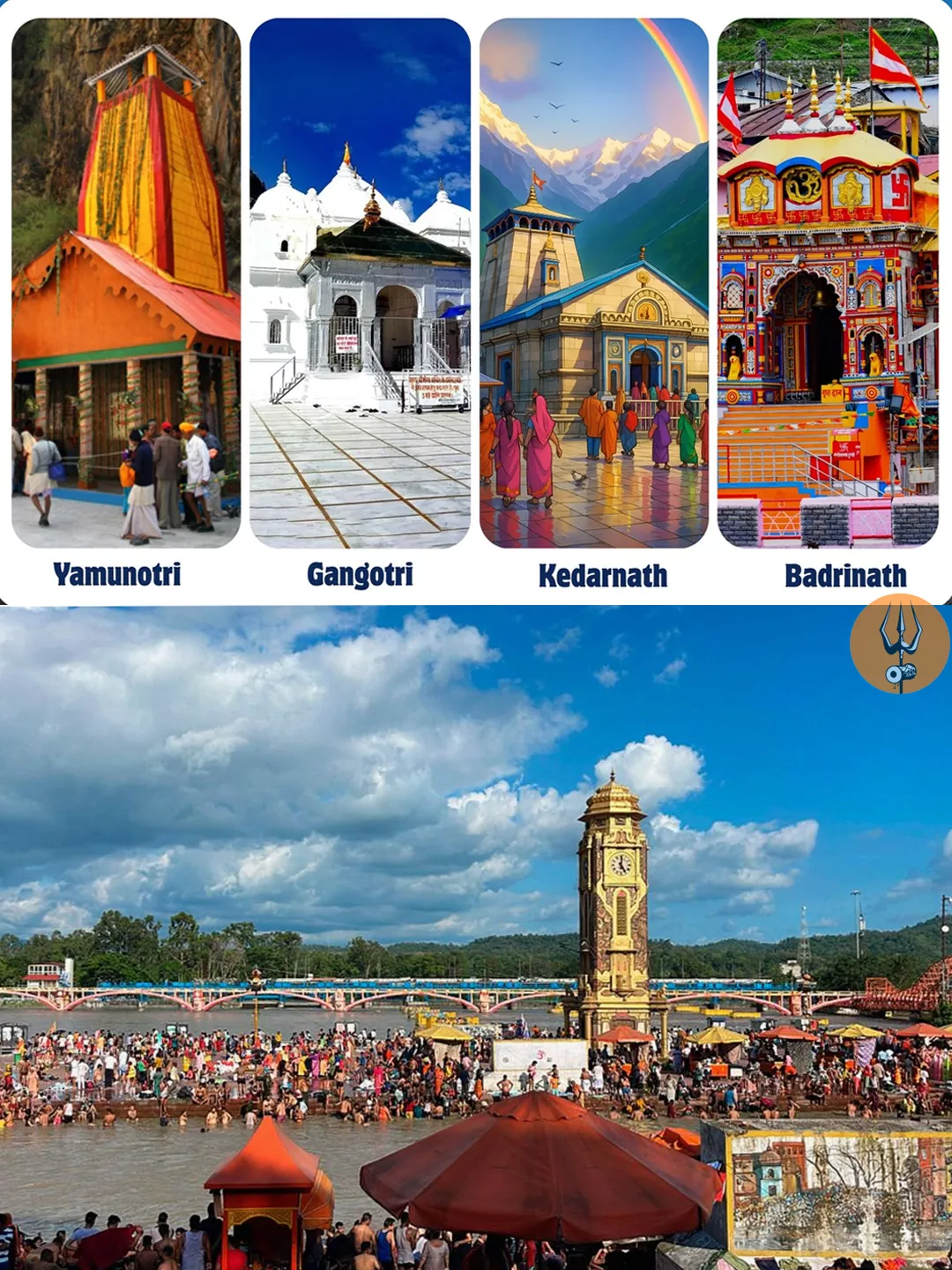
- Yamunotri involves a steep but short trek (about 5–6 km), doable by pony or palanquin.
- Gangotri is the easiest — the temple is close to the road, minimal walking.
- Kedarnath is the most physically demanding of the four, given the trek and altitude.
- Badrinath has road access almost to the temple, so it’s manageable even for those with limited mobility.
A sensible sequencing for an older pilgrim is to treat Gangotri and Badrinath as the “easier” stops and build in rest days around Kedarnath specifically.
A Realistic October Itinerary for Senior Pilgrims
Rather than the standard 10–12 day itinerary built for younger, fitter travelers, an age-appropriate version adds 2–3 buffer days:
- Haridwar/Rishikesh — arrival, rest, acclimatize to the plains-to-hills transition.
- Barkot — en route to Yamunotri, overnight halt.
- Yamunotri darshan, return to Barkot or Uttarkashi.
- Uttarkashi to Gangotri darshan, return to Uttarkashi.
- Guptkashi — travel day, rest.
- Kedarnath — via helicopter or trek, darshan, return same day if possible to avoid a cold overnight stay at altitude.
- Rest day at Guptkashi — genuinely useful, not just padding.
- Joshimath — travel day.
- Badrinath darshan, return to Joshimath.
- Return journey to Haridwar/Rishikesh, with a spare day built in for weather contingencies.
What to Pack Beyond the Obvious?
- A small pulse oximeter, if any family member has a heart or lung condition — it’s cheap, light, and gives an early warning of altitude stress.
- Electrolyte sachets, not just water.
- A walking stick or trekking pole, even for those who don’t normally need one — the terrain around Kedarnath is uneven and slippery from morning dew.
- Woolen socks and a second pair of shoes, since wet footwear at altitude is a fast route to discomfort and cold-related injury.
- Printed copies of ID, medical certificate, and yatra registration — network connectivity is patchy in the higher stretches, and digital copies aren’t always retrievable when you need them.
The Honest Bottom Line
October is not a compromise month for senior citizens visiting Char Dham – for many, it’s the better window, provided the trip is timed early rather than late in the month, the medical certificate is arranged in advance, the pace is slower than a standard tour package assumes, and Kedarnath specifically is planned around available stamina rather than pride. Families that plan around those four things tend to come back saying October was the calmest, most beautiful Yatra they’ve done. Families that treat it like any other month, on any other schedule, are the ones who end up making difficult calls halfway up a mountain.
Plan a day slower than you think you need to. The Dhams have waited centuries. There’s no reason to rush the last stretch.
This article reflects Char Dham Yatra practices and the 2026 tentative closing-date schedule as announced by the temple committees. Exact opening/closing dates are confirmed closer to the season – always verify current dates and registration requirements on the official Uttarakhand Tourism and Char Dham registration portals before finalizing travel.
[ Click Here to Enquiry for Char Dham Tour Packages ]