How to Reach Kedarnath by Train from Mumbai?

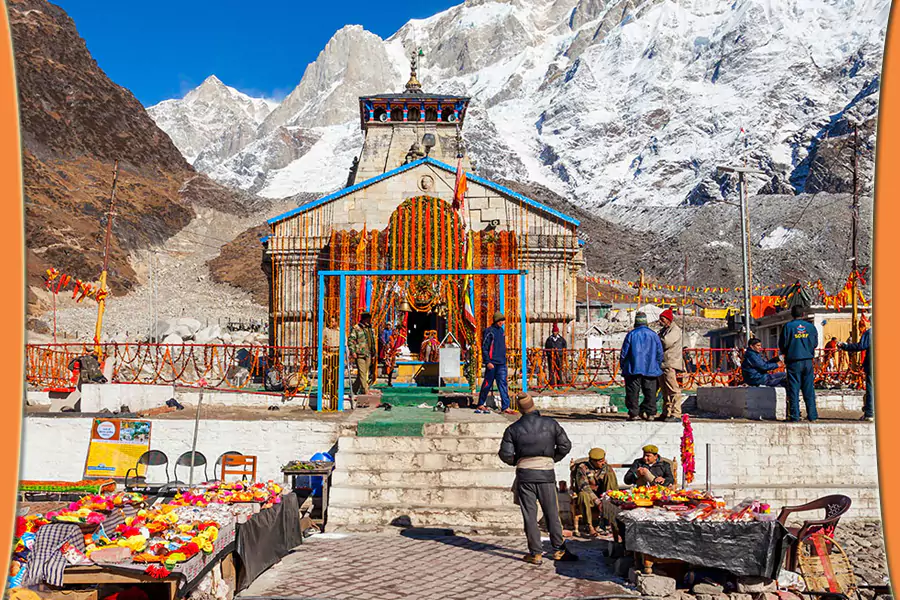
Kedarnath Temple

Among them is the Kedarnath (in the Garhwal Himalayas, Uttarakhand) which is one of the best pilgrimage sites in India and forms part of the Char Dham Yatra of many Indians annually. Although the direct train route covering Mumbai to Kedarnath is not present, each year thousands of thousands of people will travel by train all over India to Kedarnath. With the right planning and scheduling, you can make this journey entirely feasible, as the train ride can be made into an even longer journey (although, the long journey may take some extra days).

Since there are multiple connections in this long train journey, proper planning is very important, and will allow pilgrims to travel smoothly to their destination. Pilgrims generally purchase train tickets then check their PNR status when travelling via train so that they know what train and berth they are going to be using. This is to achieve the effect of making sure that they can embark on a long meaningful pilgrimage and they are not left in doubt regarding their initial travel arrangements.

Is There a Direct Train from Mumbai to Kedarnath?

No rail connection of Kedarnath temple. This is due to the fact that it is situated in high altitude and individuals must take train and proceed to drive most of the distance to Gaurikund and then walk or hire helicopter in making a complete circle to the temple.

The knowledge of this information in advance can help pilgrims organize their trip in a more advantageous manner and not expect the impossible and rush.

Nearest Railway Stations for Kedarnath Yatra

Pilgrims traveling to Kedarnath from Mumbai must get off at one of the following railway stations, before continuing their journey:

  • Haridwar Railway Station: The most popular is this because it is the one that has the best train service in Mumbai and many means of transport further on to Kedarnath.
  • Rishikesh Railway Station: This is nearer to Kedarnath than to Haridwar, and there are not so many long distance trains and it is normally reached into Haridwar.
  • Dehradun Railway Station: This station is preferable to the passengers who are older, and they will give them less confusion and easy transportation to their ultimate destination.

Selection of the station is based on the time when the trains arrive, time when the train arrives and individual preference.

Mumbai to Kedarnath by Train: Route Explained Clearly

It is necessary to know the journey step by step in order to plan how to visit Kedarnath by train, this would assist in knowing how to get to the destination.

Train journey: It usually takes 24-30 hours to reach Haridwar, Rishikesh or Dehradun in case of traveling between Mumbai and these destinations.

Road transport: Once you have travelled by train, you can take a taxi or a bus until Gaurikund through Devprayag, Rudraprayag and Sonprayag.

Final ascent: You will have to walk between Gaurikund to Kedarnath and you might have to ride a pony or palki but this will depend on the weather conditions, health and individual choice. There are also helicopters which are available based on the aforementioned.

The phased approach to travelling allows for a steady pace when managing the effects of fatigue.

Choosing the Right Train from Mumbai

A number of trains run between Mumbai and Uttarakhand, which means Kedarnath yatra will be easy to do via train support for the whole year long. Because train rides can be long, there are many overnight trains that can be taken so that passengers have the chance to rest and recharge before continuing on. The air-conditioned classes of travel are typically chosen for their higher degree of comfort, especially for passengers who will be travelling via road after arriving.

Every train is in demand during Char Dham season, and hence, booking early is advisable to ensure that one has the best plans of his or her trip.

Road Journey to Gaurikund: What to Expect

The route between Haridwar, Rishikesh or Dehradun to Gaurikund is an amazing and yet a very challenging one. Rough terrain, hilly roads, the unfavorable climate and narrow roads are a great constraint to the development. To overcome fatigue that will come as a result of this tedious trip most of the pilgrims will decide to spend a night at some of the destinations such as Guptkashi or Sonprayag.

The advantage of the extra time of traveling to your schedule is that you have a buffer time in your schedule in case of the traffic slow down as well as any other weather conditions.

Trek from Gaurikund to Kedarnath

Kedarnath trek between Gaurikund and Kedarnath is regarded as the most challenging part of the Kedarnath accessibility. The pilgrimage shall be under continuous surveillance through medical assistance and rest stations that will be provided along the route and thus make the entire pilgrimage who walk to Kedarnath safe and healthy.

Although the pilgrims walk to Kedarnath to have the experience, some will make use of ponies, palkis (people who carry the whole load), and helicopter services where possible. This is because to reach Kedarnath one should have a steady pace, they need to make sure that they are hydrated and allow him/herself time to become accustomed to it.

Best Time to Travel from Mumbai to Kedarnath

The temple of Kedarnath usually opens during the months of April and May and even closes at some point during months of October or November with the weather conditions. The most appropriate months to visit are May and June and also the most busiest. The most probable months of good views and high number of crowds are September and first month of October.

The intolerable rains in July/August monsoons will tend to discourage pilgrims at Kedarnath.

Important Tips for a Smooth Kedarnath Yatra

Some of the practical precautions to make the journey more comfortable are the following:

  • Book tickets and continue checking on the confirmation.
  • Always bring the warm clothes, even in summer.
  • Registering full compulsory yatra before travelling.
  • Pack light so as to be comfortable with the trek.

These minor measures will make a pilgrimage a stress-free one.

Planning the Return Journey

One has to go back to the same route that he or she took to Kedarnath to get back to Mumbai. Since weather has a bearing on the road and walking time of travel, it is always better to be flexible with your train reservation (i.e. an open ended ticket is an open ticket). You can also include an additional buffer day to leave Kedarnath region to ensure that you are not stressed in case of any delays in your way back home.

Conclusion

Traveling to Kedarnath by train is a patient, planned and physically fit journey between Mumbai and Kedarnath. Though it is long trip and may take many steps of travelling, pilgrims can do this pilgrimage as there is a clear combination of train, road, and trekking tracks. The visit to Kedarnath will be a great event and yield many fruits through proper planning, set expectations, and proper attitude to undertake the quest to a holy place. Pilgrimage to Kedarnath is concerning the training, faith and self-discipline which will carry you over your way.

Popular Devi Temples in Uttarakhand

Devi Temples in Uttarakhand

Visitors travel to the Devi temples spread across Uttarakhand not just to see beautiful places, but because they find a special connection to the Goddess. Pilgrims journey from nearby cities and even fly in from different countries to receive the Goddess’s blessings. The Goddess’s energy touches people’s hearts deeply and motivates them to live better lives. Because of this spiritual importance, Uttarakhand earns the name Devbhoomi, which means “the land of Gods,” and it holds many sacred temples. The Shakti Peethas, special holy sites, make this region particularly important.

Legend Behind Shakti Peeths

At a grand ceremony called Yagna, Sati’s father Daksha spoke harsh words about her. This hurt Sati so deeply that she decided to give her life by jumping into the fire.

When Shiva learned about Sati’s death, anger filled his heart. He punished Daksha but then showed forgiveness and brought him back to life. Shiva picked up Sati’s body and performed Tandava, a powerful dance that showed his grief and rage.

To stop the destruction, Vishnu cut Sati’s body into many pieces. Each place where a piece landed became holy, filled with the Goddess’s power. People call these locations Shakti Peethas, and they built temples in each place to remember Sati’s sacrifice.

Here you will discover the list of famous Devi temples to learn where you can visit.

01. Naina Devi Temple, Nainital

The Naina Devi Temple in Nainital stands as a famous Shakti Peeth where countless people come to worship with sincere devotion. Goddess Naini Devi receives worship at this temple, which sits near the beautiful Nainital Lake. Visitors to this sacred temple notice something special—instead of a full statue of the Goddess, worshippers bow only before her two eyes.

Stories tell us that when Shiva carried Sati’s burnt body through the mountains, her eyes fell at this exact location. Around the temple, you will find many shops where you can buy offerings and items needed for prayer.

Timings: 6 am to 10 pm

02. Mansa Devi Temple, Haridwar

People believe that Mansa Devi took birth from a thought in Shiva’s mind. Every single day, hundreds of worshippers arrive at this sacred temple, known as a Siddha Peeth—a place where the Goddess grants wishes to those who ask. Many say that when you pray with a clean and honest heart, Mansa Devi answers your deepest wishes. This is why countless followers tie sacred threads around a small shrine inside the temple grounds as part of their special prayer ritual.

Mansa Devi Temple stands on the peak of Bilwa Hill in Haridwar. It ranks as one of the five most important pilgrimage stops (Panch Teerths) that people visit in Haridwar. Years ago, people had to climb the steep hill to reach the temple, which left them tired. Today, a special ropeway called Udan Khatola carries visitors up the hill easily, and they enjoy wonderful views of Haridwar below them.

Inside this temple, two different statues receive worship. One shows the Goddess with eight arms, and another shows her with three heads and five arms.

Timings: 5 am to 9 pm

03. Chandi Devi Mandir, Haridwar

The Mansa Devi and Chandi Devi temples sit very close to each other. Hindu stories describe them as two different appearances of the same Goddess. You will find Chandi Devi Temple near Mansa Devi Temple, positioned on Neel Parvat in Haridwar. It holds a spot among the five major pilgrimage places (Panch Teerths) in the city. People say that Adi Shankaracharya placed the Goddess’s statue here in the 8th century AD. However, builders constructed the temple’s current form in 1929 when King Suchat Singh from Kashmir decided to build it.

Old stories describe how the demons Shumbh and Nishumbh took control of Indra’s kingdom. When Shumbh saw Goddess Parvati, he wanted to marry her because of her beauty, but she refused him. So Shumbh sent his soldiers, Chand and Mund, to attack her. The Goddess changed into Chandika to defeat these demons. The battle took place on Neel Parvat, and that is why people built the Chandi Devi Temple there.

Timings: 6 am to 8 pm

04. Maya Devi Temple, Haridwar

Long ago, people called Haridwar “Mayapuri,” naming it after Goddess Maya, who receives worship here. The temple holds statues of Goddess Maya, Goddess Kali, and Goddess Kamakhya for worshippers to pray to. During Navratri celebrations and the Kumbh Fair, countless devotees visit Maya Devi Temple to ask for blessings.

Ancient tales say that Sati’s heart and navel fell at this location. The Goddess receives worship with three heads and four arms. Builders created this temple in the 11th century, making it one of Haridwar’s oldest sacred places.

Timings: 6:30 am to 12 noon, 3 pm to 9 pm

05. Yamunotri Temple, Uttarakhand

The famous Char Dham Yatra pilgrimage journey begins with a visit to Yamunotri temple, which honors the Yamuna River. Builders placed this temple right next to the Yamuna River. Some visitors walk further to find the place where the river first starts flowing.

The walk to Yamunotri temple requires some hard work. You must hike 6 km uphill starting from Jankichatti. But when you see the crystal-clear waters of the Yamuna River and look at the mountain scenery all around you, your tiredness disappears completely.

Timings: 6:00 am to 8:00 pm

06. Gangotri Temple, Uttarakhand

Gangotri Temple ranks second among the Char Dham Yatra shrines that pilgrims visit. Builders made this temple to honor the importance of the River near where she actually begins at Gaumukh glacier. The Bhagirathi, the river’s main stream, starts its journey at Gangotri. Ancient myths describe King Bhagirath as someone who prayed and did difficult practices to free his ancestors from a curse that kept them from reaching heaven. The heavenly river Ganga answered his prayers and came down to earth. Her pure waters wash away the mistakes people made in their past lives.

The Gangotri shrine sits just 4 km away from Uttarkashi. It comes second in the shrines that pilgrims visit during the Char Dham Yatra journey.

Timings: 4:00 AM to 2:00 PM and 3:00 PM to 9:00 PM

07. Dhari Devi Temple, Rudraprayag

Do you know that Dhari Devi serves as the guardian Goddess of the entire Uttarakhand state? People also call on her as the main protector of those walking the Char Dham pilgrimage path. The temple shows the powerful form of Shakti as Dhari Devi, while people worship her lower half as Kali at Kalimath. Something interesting happens here—the temple’s Goddess changes from appearing as a young girl into an old woman all in one day. This reminds people of how everything in the world changes and does not stay the same forever.

This honored Shakti Peeth sits on the pretty banks of the River Alaknanda. The river’s strong current shows the fierce power of Goddess Shakti as well. Since this temple stands on the way to Badrinath along the Rudraprayag-Srinagar road, pilgrims traveling for Char Dham bow respectfully to the Mother before they continue on their journey.

08. Kalimath, Rudraprayag

People say that the lower half of the Devi worshipped as Dhari Devi lives in the holy shrine at Kalimath. Worshippers pray to Kali using her Sri Yantra instead of a regular statue in this temple. This stands as one of the few temples, and likely the only one, where people worship Goddess Lakshmi and Goddess Saraswati together alongside Maa Kali. The village of Kalimath lies between Guptakashi and Ukhimath. Stories say that the famous Sanskrit writer Kalidas came from this very village.

Kalimath temple holds special importance as both a siddha Peeth and a Shakti Peeth. Any person who wishes to connect deeply with Shakti must visit this location.

Timings: 6 am to 12 pm, 2 to 7 pm

09. Surkanda Devi Temple, Dhanaulti

If you visit the Dhanaulti hill station, you should not skip a visit to Surkanda Devi Temple and breathe in its sacred atmosphere. Visitors reach this temple after walking about 3 km from Kadukkai, a small village nearby. This temple marks the spot where Goddess Sati’s head fell. The place rings with strong spiritual power. Mix this with the beautiful views of the hills and thick forests surrounding the temple, and you discover a wonderful place that makes both your spirit and heart feel peaceful. From the hilltop, you will see amazing views of the nearby Himalayan valleys and mountain peaks.

Timings: 7 a.m. to 5 p.m

10. Chandrabadani Devi Temple, Tehri Garhwal

Chandrabadani Devi’s temple sits on top of the powerful Chandrabadani mountain. Stories about the shrine say that Goddess Sati’s upper body fell at this location. Many tridents scattered across the ground belonged to her, according to legends. From the mountain peak, you see wonderful views of nearby mountains including Badrinath, Kedarnath, and Surkanda. The scenery looks so beautiful that visitors hate to leave this heaven-like location. The temple also stands out because it does not have a regular statue for worship. Instead, people pray to the sacred Shri Yantra. To reach this temple, you must drive to Jamnikhal, which sits 31 km from Devprayag. Then you drive another 7 km and walk uphill for 1 km before entering the sacred grounds of Chandrabadani Temple.

Timings: 6:00 am to 7:00 pm

11. Gaurikund Temple, Gaurikund

The path to Kedarnath during the Char Dham pilgrimage starts at a location called Gaurikund. This sacred ground experienced the amazing change of Uma from a simple girl who loved her beloved to Goddess Parvati, the awakened form of Shakti herself. Stories say that the Goddess performed difficult spiritual exercises at the sacred pond called Gaurikund (the entire village takes its name from this pond) to make this change happen. A cave temple for the Devi stands nearby. Another legend says that Devi Parvati created Lord Ganesha from soap bubbles at this very location. Could any place hold more holiness than this?

Timings: 4:00 AM to 9:00 PM

12. Kasar Devi Temple, Almora

For many years, artists, writers, nature lovers, and spiritual seekers have journeyed to Kasar Devi village near Almora. A Goddess temple stands in Kasar Devi village, built around the 2nd century. Many famous visitors including Swami Vivekananda, Anandamayi Ma, and Timothy Leary, together with writers like D.H. Lawrence and the author of “The Tibetan Book of the Dead,” traveled to this place because they sensed the powerful spiritual force here.

The Kasar Devi Temple sits in a location where Earth’s magnetic pull becomes very strong. Scientists at NASA have studied this place and confirmed that the magnetic power here differs from other areas. Visitors who meditate at this temple report feeling intense spiritual energy. A special meditation room in the temple lets people sit quietly and refresh their minds.

Timings: 5:00 am to 8:00 pm

13. Anusuya Devi Temple, Chamoli

You will find the lovely Anusuya Devi Temple and Atri Muni Ashram located 12 km from the town of Gopeshwar. The Temple stands surrounded by thick, green forests. A beautiful waterfall drops nearby as well. Anusuya Devi receives worship at this temple. Stories about her tell of her faithfulness to her husband—so great that even the Goddesses felt jealous. They sent their husbands to try to distract her from her dedication. When the trinity, disguised as holy men, asked Anusuya Devi to give them food while wearing light clothes, she used her spiritual powers to turn them into babies so she could feed them as a mother would. The Goddesses had to ask Anusuya Devi to change them back to their original forms as grown men. She agreed after the saint-avatar Dattatreya (who represents Brahma, Vishnu, and Mahesh) gave her a special blessing.

Timings: 5:00 am to 8:00 pm

14. Nanda Devi Temple, Munsiyari

Nature itself serves as her greatest temple. You understand this truth when you visit the simple temple built in the beautiful hill station of Munsiyari. The incredible views of the Panchachuli peaks and Gori Ganga from the mountain where the temple sits lift your heart toward the heavens. Experience her blessing inside the temple’s shrine, and in every beautiful thing she shows you!

Timings: 6:00 am to 8:00 pm

15. Jhula Devi Temple, Ranikhet

The small Jhula Devi Temple looks truly wonderful covered with thousands of bells that worshippers have attached. Devotees tie bells after the Devi answers their wishes and prayers. The area where the temple now stands once held many wild creatures. An interesting story explains how the temple came to exist. Goddess Durga appeared to a village person in a dream and told him to dig up her statue from a special spot. When he found it and dug it up, people built a temple right there. At Jhula Devi Temple, people trust that Mata Devi grants the wishes of those who pray to her.

Timings: 6:00 am to 7:00 pm

Conclusion

The Devi temples spread across Uttarakhand hold special meaning for people everywhere. Visitors discover peace, strength in their faith, and wonderful energy at these places. Each temple—like Naina Devi, Jhula Devi, or Kasar Devi—carries its own special story and importance. Pilgrims from every corner of India and visitors from nations far away come to these temples to pray, find quiet peace, and feel close to the Goddess. Rivers, mountains, and forests surround these sacred shrines, making them not just holy places but also beautiful spots to see. This is why people call Uttarakhand “Devbhoomi,” the land where the Gods make their home.

Who is the best travel agent for Char Dham Yatra in Haridwar?

Top Travel Agencies for Char Dham Yatra

Chardham Yatra represents one of the most important spiritual journeys in India. This sacred pilgrimage takes you to four holy temples nestled in the beautiful Himalayan mountains. The word “Chardham” means four sacred homes. Millions of people complete this journey every year to find peace and spiritual meaning.

Yamunotri, Gangotri, Kedarnath, and Badrinath represent these four sacred destinations. Each temple sits at different heights and requires mountain climbing and walking. Hundreds of kilometers span across challenging terrain throughout this pilgrimage. Physical fitness, proper planning, and expert guidance make this journey successful and safe.

Why You Need a Reliable Travel Agent?

Planning a Chardham Yatra journey without professional help creates many problems. You face confusion about routes, hotel bookings, transportation arrangements, and food. A skilled travel agent removes all these worries completely. They handle every detail so you focus only on your spiritual experience.

Professional travel agents know the mountains intimately. Weather patterns and seasonal changes become clear through their experience and understanding. Booking accommodation in safe, clean locations near sacred temples happens seamlessly. Transportation arrangements that suit your physical ability and schedule receive careful attention. Experienced guides who speak your language and share deep knowledge about each holy site join your journey.

Travel agents also protect you from common mistakes and dangers. Obtaining necessary permits and government documentation becomes their responsibility. Proper equipment and safety gear get arranged with careful attention. Medical support staff accompany your group for health emergencies. Weather conditions receive constant monitoring with plan adjustments made as necessary.

Who is the Best Travel Agent for Chardham Yatra in Haridwar?

Shrine Yatra emerges as the undisputed best travel agent for Chardham Yatra in Haridwar. This company has earned exceptional reputation among thousands of pilgrims who completed their journeys successfully. Shrine Yatra combines decades of experience with genuine spiritual understanding and professional excellence.

Why Shrine Yatra Stands Apart?

Shrine Yatra operates directly from Haridwar, placing them at the perfect location for this pilgrimage. Haridwar serves as the gateway to the mountains, making logistics and planning much easier. The company’s office sits conveniently accessible for pilgrims arriving from all across India.

Mountain communities provided the guides working at Shrine Yatra. Firsthand knowledge about every route, every temple, and every village comes from their personal experience. Multiple languages flow fluently from their lips, making communication easy and comfortable. Spiritual insights and historical stories enhance your entire experience throughout the journey.

Complete Service from Start to Finish

Complete responsibility for your entire pilgrimage falls with Shrine Yatra. Pickup and drop-off service from your home in Haridwar or nearby cities gets arranged seamlessly. Comfortable hotels with clean rooms, hot water, and basic amenities receive careful selection. Delicious vegetarian meals prepared using fresh ingredients sourced locally nourish your body daily.

Experienced porters hired by Shrine Yatra carry heavy equipment and supplies. Light travel becomes possible as you conserve your energy for spiritual activities. All transportation costs remain included in their packages for budget clarity. Vehicles suitable for mountain roads that are narrow and challenging transport your group safely.

Experienced Guides and Support Staff

Shrine Yatra hires only the most experienced guides for this sacred journey. Each guide completes rigorous training and certification. They know first aid and emergency response procedures. They understand high altitude sickness and how to prevent complications.

The company employs support staff who travel with every group. Medical professionals accompany all journeys to handle health emergencies. Cooks prepare nutritious meals that keep you energized. Assistants help with equipment and provide encouragement during difficult sections.

Safety as the Top Priority

Shrine Yatra makes safety their absolute top priority on every journey. They maintain strict safety protocols and follow all government guidelines. The company conducts regular safety checks on all equipment and vehicles. They carry backup supplies and emergency communication devices.

The agency limits group sizes to ensure proper supervision. Guides maintain regular communication with base camp and family members. Shrine Yatra provides detailed briefings about potential risks and how to avoid them. They teach proper breathing techniques for high altitudes. The company insures all travelers and carries comprehensive medical coverage.

Customized Packages for Your Needs

Shrine Yatra understands that every pilgrim has different needs and abilities. They create customized packages based on your fitness level and time availability. Beginners receive slower-paced journeys with frequent rest breaks and easier routes. Experienced trekkers choose challenging paths through more difficult terrain.

The company offers flexible durations from shorter trips to extended journeys. You select travel dates that work perfectly for your schedule. Shrine Yatra adjusts daily itineraries based on weather conditions and your physical progress. They accommodate special dietary requirements and personal preferences. The agency welcomes families, groups, and solo travelers.

Transparent Pricing Without Hidden Costs

Shrine Yatra charges fair prices that reflect genuine value and service quality. They list exactly what each package includes before you book. The company never adds surprise charges or hidden fees later. They explain all costs clearly and answer your questions thoroughly.

The agency offers flexible payment options including installments. They accept multiple payment methods for your convenience. Shrine Yatra provides detailed cost breakdowns for every component of your journey. They offer reasonable refund policies if circumstances change. The company believes honest pricing builds trust and long-term relationships.

Spiritual Guidance and Cultural Understanding

Shrine Yatra respects the spiritual importance of this pilgrimage deeply. The guides teach you about the mythology and history of each sacred temple. They explain proper rituals and respectful behavior at holy sites. The company encourages meditation and prayer at significant locations along the route.

The agency arranges visits during auspicious times and spiritual ceremonies. They help you participate in traditional rituals with local priests. Shrine Yatra teaches you about local customs and traditions. Guides share inspiring stories of saints and spiritual seekers. The company creates opportunities for deep spiritual reflection throughout your journey.

Environmental and Community Responsibility

Shrine Yatra protects these sacred mountains with genuine commitment. They keep all trails clean and remove waste properly. The company minimizes environmental impact through sustainable practices. They employ local people and support mountain communities economically.

The agency teaches travelers about environmental conservation. They encourage pilgrims to respect nature as part of spiritual practice. Shrine Yatra participates in mountain cleanup initiatives. They work with local villages to protect forests and water sources. The company believes that protecting mountains honors the sacred nature of this pilgrimage.

Pre-Journey Preparation and Support

Shrine Yatra provides comprehensive preparation before your departure. They organize training sessions that build your physical fitness. The company shares detailed information about what to pack and wear. They explain weather conditions you’ll encounter and how to prepare mentally.

The agency provides consultation about medications and health precautions. They advise you about altitude acclimatization and prevention of altitude sickness. Shrine Yatra sends you a detailed itinerary weeks before departure. They answer all your questions and address your concerns thoroughly.

Post-Journey Support and Community

Shrine Yatra maintains relationships with pilgrims after their journey concludes. They organize reunions where pilgrims share experiences and memories. The company facilitates ongoing spiritual connections through discussion groups. They help you process your spiritual growth and experiences.

The agency stays in touch with travelers and offers continued guidance. They provide resources for continuing your spiritual practice at home. Shrine Yatra creates a community of pilgrims connected by shared experience. They celebrate your journey and encourage sharing your story with others.

What Makes Shrine Yatra the Best Choice?

Shrine Yatra earns the title of best travel agent through consistent excellence. They combine professional expertise with genuine spiritual understanding. Thousands of pilgrims have completed their journeys safely and meaningfully with Shrine Yatra.

The company maintains the highest standards in customer service and safety. They respond quickly to inquiries and provide thorough information. Shrine Yatra treats every pilgrim with respect and individual attention. They customize packages to match your unique needs and abilities.

Shrine Yatra’s location in Haridwar provides unmatched convenience and accessibility. Their experienced guides and support staff ensure your safety and comfort. Their transparent pricing and honest business practices build trust. Their commitment to environmental protection and community support reflects true values.

How to Choose the Right Travel Agent?

When selecting a travel agent, research thoroughly before deciding. Read reviews from people who completed their journeys. Check how many years the company has operated successfully. Verify they hold proper licenses and insurance coverage.

Ask detailed questions about their services and safety procedures. Request references from previous travelers. Compare package prices and what they include. Ensure the company responds quickly and honestly to your questions. Check their track record with groups your size and fitness level.

Shrine Yatra passes all these tests with flying colors. They welcome your questions and provide honest answers. The company’s reputation speaks for itself through thousands of satisfied pilgrims. Their experience, safety record, and commitment to excellence make them the clear choice.

Best Times to Undertake This Journey

The pilgrimage season runs during specific months when roads stay open. Summer months from May through June offer clear skies and stable weather. The roads remain clear and accessible during these months. Temperatures stay comfortable for hiking and physical activity.

September through October provides another excellent travel window. Autumn brings crisp air and spectacular mountain views. Rainfall decreases significantly during these months. Weather patterns remain predictable and safe.

Avoid winter months from November through March completely. Heavy snowfall closes mountain roads and creates dangerous conditions. Winter temperatures drop dangerously low. Spring months bring unpredictable weather and sudden storms. Plan your journey during the open season with Shrine Yatra’s expert guidance.

Preparing Physically and Mentally

Begin physical preparation months before your scheduled journey. Walk regularly and practice hiking on hills or stairs. Build leg strength through consistent exercise. Increase your stamina gradually over time.

Gather necessary equipment and clothing well in advance. Purchase comfortable hiking boots and break them in properly. Pack warm layers suitable for mountain weather. Bring a reliable backpack and sturdy walking stick.

Prepare yourself mentally for this spiritual journey. Read books about the temples and their significance. Meditate and reflect on your spiritual goals. Connect with other pilgrims and learn from their experiences. Develop a positive mindset about challenges ahead.

Conclusion

Shrine Yatra emerges as clearly the best travel agent for Char Dham Yatra in Haridwar. This company offers complete services, experienced guides, and genuine spiritual understanding. They prioritize your safety, comfort, and spiritual growth throughout your journey.

Choose Shrine Yatra and experience the difference professional excellence makes. Their Haridwar location provides perfect convenience. Their experienced team ensures your safety at every step. Their transparent practices build complete trust and confidence.

Begin your sacred pilgrimage journey with Shrine Yatra today. This life-changing experience awaits you in the beautiful Himalayan mountains. Shrine Yatra stands ready to guide you every step of the way. Your spiritual journey begins with the right travel agent—choose Shrine Yatra.

Top Travel Agencies for Char Dham Yatra

Top Travel Agencies for Char Dham Yatra

Char Dham Yatra means a special journey to four sacred places in the mountains. These four holy locations sit high in the Himalayan mountains of India. People visit these places to pray and experience something meaningful. The word “Char” means four, and “Dham” means home or place. So Char Dham means the four sacred homes!

The four special places are Yamunotri, Gangotri, Kedarnath, and Badrinath. Each place holds great importance for people who believe in the Hindu faith. Pilgrims walk mountain paths and climb steep hills to reach these temples. The journey takes many days and tests your strength and spirit.

Why Choose a Travel Agency?

Planning a trip to Char Dham requires careful thinking and smart decisions. A good travel agency does all the hard work for you. They book your hotels, arrange your transportation, and plan your meals. They make sure you stay safe on the mountain paths.

Travel agencies know the best times to visit. They understand the weather patterns and when the roads stay open. These experts protect you from common travel mistakes. They provide experienced guides who know the mountains well. Guides share stories and history about each sacred place. Travel agencies also handle emergencies quickly if something goes wrong during your journey.

Shrine Yatra – The Best Travel Agency in Delhi and Haridwar

Shrine Yatra stands out as the most trusted travel agency for Char Dham Yatra in Delhi and Haridwar. The company has earned respect from thousands of pilgrims who completed their sacred journey with their help. Shrine Yatra combines spiritual understanding with professional service that makes your pilgrimage unforgettable.

Why Shrine Yatra Leads the Industry?

Shrine Yatra operates from convenient locations in both Delhi and Haridwar. This allows pilgrims to start their journey near their homes or reach the company easily. The Delhi office serves travelers from the northern region. The Haridwar office sits at the gateway to the mountains, making logistics simpler.

The company employs experienced guides who grew up in these mountain communities. These guides speak multiple languages including English, Hindi, and local dialects. They share deep knowledge about each sacred temple and its spiritual significance. Guides teach travelers about local customs and help them respect traditions along the route.

Complete Package Services

Shrine Yatra offers comprehensive packages that cover everything you need. They arrange comfortable transportation from Delhi or Haridwar to each sacred site. The company books clean, safe hotels near the temples. They prepare healthy vegetarian meals using fresh local ingredients. Shrine Yatra includes experienced porters who carry heavy equipment so you stay energized.

The agency handles all permits and paperwork before your trip starts. You don’t worry about complicated government requirements. Shrine Yatra takes care of registrations and documentation. They provide necessary safety equipment including first aid kits and communication devices. Medical support staff accompany all groups to handle health concerns quickly.

Customized Journey Options

Shrine Yatra creates packages for different fitness levels and schedules. Beginners receive slower-paced journeys with frequent rest stops and easier routes. Experienced trekkers take challenging paths through difficult terrain. The company offers both shorter trips and extended journeys based on your preference.

They organize flexible dates throughout the pilgrimage season. You choose travel dates that work best for you. Shrine Yatra accommodates groups of different sizes, from small family journeys to larger pilgrim groups. The company focuses on personal attention regardless of group size. Every traveler receives individual care and support.

Environmental Responsibility

Shrine Yatra protects these sacred mountains for future generations. The company keeps tourist trails clean and respects wildlife habitats. They minimize environmental impact through sustainable travel practices. Shrine Yatra works with local communities and supports mountain villages. They employ local people and share profits fairly with mountain residents.

The agency teaches travelers about environmental protection. Pilgrims learn why they should leave no trash behind. Shrine Yatra encourages respect for nature as part of spiritual practice. The company removes waste from campsites and hiking routes. They preserve the natural beauty and sanctity of these sacred locations.

Transparent Pricing and Honest Service

Shrine Yatra charges fair prices without hidden costs. They explain exactly what each package includes and excludes. The company never pressures travelers to book immediately. They answer questions thoroughly and provide detailed information before you decide.

Shrine Yatra offers flexible payment options and reasonable installment plans. They accept various payment methods for your convenience. The company maintains insurance coverage that protects your investment. They provide refund policies that treat pilgrims fairly. Transparent pricing and honest dealings have earned them thousands of satisfied customers.

Pre-Trip Training and Support

Shrine Yatra organizes training sessions before your journey begins. They teach you how to prepare physically for mountain hiking. The company provides information about what to bring and how to pack correctly. They explain weather conditions and what to expect during your pilgrimage. Training sessions build your confidence and physical readiness.

The agency offers post-trip support and community connections. After your journey, you stay connected with other pilgrims through Shrine Yatra’s network. They help you share experiences and maintain friendships made during the trip. Shrine Yatra organizes reunions and spiritual discussion groups for returning pilgrims.

Important Tips for Selecting an Agency

Choosing the right travel agency makes your journey wonderful or difficult. Research each company carefully before deciding. Read reviews from people who completed the journey. Check how many years the agency has operated successfully.

Compare package prices across multiple agencies. Look for what each package includes and excludes. Ask about their safety record and emergency procedures. Find out the guide-to-traveler ratio in their groups. Verify they hold proper licenses and insurance coverage. Ask if they provide transportation from your nearest city.

Contact agencies directly and ask detailed questions. Good agencies respond quickly and answer thoroughly. They never pressure you to book immediately. They explain honestly about difficulty levels and physical demands. Ask for references from previous travelers. Request detailed itineraries showing daily activities and rest time.

Shrine Yatra meets all these standards and exceeds customer expectations. Their Delhi and Haridwar offices remain accessible and responsive. They provide complete information and guidance throughout your decision-making process.

Best Times to Visit

The mountains open for pilgrimage during specific months each year. Summer months from May through June bring clear skies and open roads. The weather stays pleasant during this time. September through October offers another excellent period for travel. Temperatures stay comfortable and rainfall decreases.

Avoid winter months from November through March. Heavy snow closes mountain roads and makes travel dangerous. April brings unpredictable weather with sudden storms. Winter temperatures drop below freezing, which risks your health and safety. The best months reward you with beautiful views and smooth journeys.

Preparing for Your Journey

Prepare your body with regular exercise before departure. Walk uphill and do strength training for your legs. Practice carrying a backpack with weight inside. Build stamina gradually over several weeks.

Gather essential equipment and clothing. Pack warm jackets, comfortable hiking boots, and weather-appropriate layers. Bring a reliable backpack and sturdy walking stick. Pack medicines for common issues like headaches and stomach problems. Carry sun protection including sunscreen and sunglasses. Include a water bottle and energy snacks for hiking days.

Visit your doctor before traveling. Get vaccinations if necessary and discuss any health concerns. Take prescription medications in original containers. Pack a medical kit with first aid supplies. Know your blood type and share this information with your guide.

Conclusion

Char Dham Yatra offers a transformative experience that changes how you see the world. The four sacred places hold spiritual power that touches your heart. Professional travel agencies like Shrine Yatra make this challenging journey safe and enjoyable. They handle logistics so you focus on the spiritual experience.

Shrine Yatra stands ready to guide your pilgrimage from Delhi and Haridwar. Their experienced team, transparent service, and commitment to excellence set them apart. Choose Shrine Yatra and begin your sacred journey with confidence. The company brings together professional expertise and spiritual understanding in perfect balance.

This pilgrimage rewards brave travelers with stunning mountain views and deep spiritual growth. You return home with stronger legs, a peaceful mind, and memories that last forever. The journey challenges you, but the results transform your entire perspective on life. Begin your planning today with Shrine Yatra and start this amazing adventure soon.

How To Apply for the Kailash Mansarovar Yatra 2026?

How To Apply for the Kailash Mansarovar Yatra

Do you want to visit the Kailash Mansarovar Yatra next year? Now is the perfect time to start getting ready! The Kailash Mansarovar Yatra is not something you can do without careful thought and preparation. This yatra represents one of the most important spiritual journeys in Hindu tradition. You can plan your yatra easily when you work with a trusted travel company.

This guide teaches you everything you need to know about applying for the Kailash Mansarovar Yatra. Keep reading to discover your best options!

Choose the Best Route for Kailash Yatra

Kailash Yatra via the Government of India

1. Kailash Yatra with Govt. Of India (Ministry of External Affairs):

The Government of India’s Ministry of External Affairs (MEA) runs the Kailash Mansarovar Yatra using two different routes. Many people wonder about the total cost of this spiritual journey. You can select whichever route works best for your plans.

Kailash Mansarovar Yatra via Lipulekh Pass in Uttarakhand. The government permits 18 groups to travel this route, with up to 60 pilgrims in each group. Previously, travelers spent 24 days on this journey, paying about 1.8 lakhs rupees. With improvements to the road leading to Mt Kailash, you can now complete the trip in 19-20 days. The cost will likely be higher than 2 lakhs rupees. The Lipulekh Pass sits where Uttarakhand, Nepal, and China meet.

Kailash Yatra by the Govt of India through the Nathu-La Pass in Sikkim. This route welcomes 350 pilgrims each year. The journey takes 21 days from start to finish using this path. The NathuLa Pass marks the border between Tibet and Sikkim. You’ll find this mountain pass in Yadong County, located in Tibet.

2. Private Tour Operators:

Many pilgrims prefer working with private tour companies instead. These companies let you choose between helicopter travel or traveling by land. A quality private agency can finish the yatra in just 5 to 14 days.

Kailash Yatra by Helicopter Route via Nepal lets you complete the yatra in 5 to 11 days total. Kailash Mansarovar Yatra by Road starts in Kathmandu and takes 14 days to finish.

Both Nepal routes cost less money than government-organized trips. They also take fewer days to complete. This is why most pilgrims choose the Nepal route to reach Mansarovar Kailash.

Quick Steps to Apply for Kailash Mansarovar Yatra via Govt. of India

MEA Website:

Visit the site http://kmy.gov.in to submit your application. You must pick one of the two available routes. The government limits how many pilgrims can travel each year. For the Nathu-la pass route, the government accepts 18 groups of 60 pilgrims each yearly. For the Lipulekh pass route, the government approves 7 groups of 50 pilgrims each per year.

Cheapest Cost for Kailash Mansarovar Yatra:

The Kailash Yatra through Nathu-La Pass in Sikkim costs approximately Rs 2.5 lakh per person. The Kailash Yatra using Lipulekha Pass in Uttarakhand costs around Rs 1.8 lakh per person. The government only asks for payment after officials select you for the journey.

Requirements for Kailash Mansarovar Yatra with Govt. of India:

You must gather and submit several important documents. Prepare a scanned photo taken recently, a scanned copy of your passport, your email address, and your phone number. Your passport needs to remain valid with at least 6 months remaining until your travel date. This requirement is very important.

Medical Fitness For Kailash Yatra With Govt of India:

You must complete medical examinations in Delhi before starting your journey. This means you should follow a fit and healthy lifestyle if you decide to join the yatra to Mt. Kailash. To pass your medical tests successfully, start exercising regularly, eat nutritious meals, and take all your medicines on schedule.

Documentation for Yatra Via Ministry of External Affairs:

Once the government selects you for the Kailash Yatra, you must submit several additional documents. You will complete an indemnity bond that says you travel at your own risk. You also must sign a form about helicopter evacuation in case something goes wrong. And you will also sign a consent document stating that your remains will receive cremation on the Chinese side if necessary.

False Information for KMY:

Never share false or incorrect information when you fill out your application to the government. If officials discover false information, they will reject your application immediately.

How to Apply for Kailash Mansarovar Yatra with a Private Tour Operator

If you choose a private travel company instead of the government, the company handles everything for you. The private agency manages your application, your pilgrimage arrangements, your paperwork, and your permits for travel.

Download PDF Application Form for Kailash Yatra:

Visit the website of the private company you selected. Find and download their PDF application form. Read through all the instructions carefully before you start filling it out.

Fill up the Kailash Mansarovar Yatra Form:

Write the correct information on every line of the form. Even small spelling mistakes or incorrect details about your age can get your application rejected. Double-check everything before you submit it.

Send Kailash Yatra Documents:

Your private tour operator needs copies of your documents to prepare for your yatra. Send scanned copies of all requested documents to the company using email.

Other Documents for Mansarovar Kailash Yatra:

Include the first and last pages of your passport, three passport-size photographs, and a copy of your PAN card. Pay the registration fee the company requests. Submit your original passport and bring a fitness certificate signed by a doctor with an MBBS degree.

You can reach us at +919958647371 for more information and updates about your yatra. Since the Kailash Mansarovar Yatra takes you outside India’s borders, we strongly recommend choosing the most dependable and respected travel company you can find. The travel company you select directly shapes your entire yatra experience and how much you enjoy your spiritual journey.

Book #KailashMansarovarPackage : https://www.triptochardham.in/

How To Reach Gangotri?

how to reach gangotri

Gangotri sits right in the middle of the Char Dham pilgrimage route, a super special journey that takes you across Uttarakhand’s Garhwal Himalayas. The holy Bhagirathi River flows through this amazing place, and people come here from all over the world. Visitors love Gangotri because the mountains look absolutely stunning and the air feels so quiet and peaceful. Every single year, thousands of pilgrims and adventure seekers visit this beautiful spot to enjoy its spiritual and calm feeling.

This guide tells you everything you need to plan your Gangotri Dham adventure and how to reach Ganotri. You’ll learn the best routes to take, where you should stop along the way, which months work best for visiting, and smart tips that make your whole journey smooth and wonderful. Whether you visit Gangotri for the very first time or you’ve gone before, this information helps you create memories that last forever!

Planning a spiritual trip to Gangotri Temple? Wondering how to reach Gangotri easily and safely? You are not alone. Thousands of pilgrims visit every year. The journey can be tough without proper planning. Don’t worry – we made it easy for you. This guide covers road routes and trekking tips. Everything is in one place. You can also choose our Char Dham Yatra by Helicopter to visit Gangotri in 2027.

Gangotri Overview

Gangotri Location: 30.98°N 78.93°E

Gangotri State: Uttarakhand

Gangotri District: Uttarkashi

Gangotri Elevation: 3,415 meters (11,200ft)

Gangotri Height: 3,100 meters (10,200ft)

Gangotri Temperature: 8°C

Gangotri Weather: Extreme Cold

Gangotri Nearest Railway Station: Rishikesh Railway Station

Gangotri Nearest Airport: Jolly Grant Airport, Dehradun

Best Time to Visit Gangotri: May & June, September to November

Gangotri Temple Opening Date in 2025: 30 April 2025

Gangotri Temple Closing Date in 2025: 1 November 2025

Gangotri Dham Darshan Time Table: 6:10 am

How to Reach Gangotri Dham?

1.) How to Reach Gangotri Dham by Helicopter?

Flying gets you to Gangotri Dham fast and easy if you come from far away. This option saves you lots of time on your journey.

Nearest Airport: Jolly Grant Airport in Dehradun stays closest to Gangotri.

From Delhi: You can hop on a direct flight from Delhi’s Indira Gandhi Airport straight to Jolly Grant Airport. Your plane travels about 208 kilometers and lands in just one hour.

From Jolly Grant Airport

After you land at Jolly Grant Airport, you move forward to Gangotri step by step. First, you take a taxi to Sahastradhara Road in Dehradun. This taxi ride covers 30 kilometers and takes around 57 minutes to finish.

From Sahastradhara Road, you can jump into a helicopter that zooms to Harsil. This helipad sits closest to Gangotri, and your helicopter ride covers 25 kilometers in just 15 minutes. Pretty quick!

Finally, from Harsil you ride in a taxi or share a jeep to Gangotri. This last part of your journey covers about 25 kilometers and takes roughly 49 minutes to reach your destination.

2.) How to Reach Gangotri Dham by Train?

Taking a train works great for reaching Gangotri Dham. The closest train station sits at Rishikesh, and from there you drive by road to finish your trip.

Nearest Railway Station: Rishikesh Railway Station connects travelers to Gangotri.

From Delhi: You can board a train from New Delhi Railway Station and ride it straight to Rishikesh. This journey goes about 258 kilometers and usually takes five to six hours to complete.

From Rishikesh

Once you reach Rishikesh, you continue your journey by taking a taxi or bus to Uttarkashi. This drive covers around 171 kilometers and takes about six hours. You’ll see beautiful scenery during this portion of your trip.

Next, you travel from Uttarkashi to Gomukh by taxi or jeep. This section stretches about 116 kilometers and takes nearly four hours to drive through the mountains.

Finally, you complete your journey by walking from Gomukh to Gangotri. This trek covers 18 kilometers on foot and takes around four hours to finish. If your legs get tired, you can rent a pony to carry you along the mountain path.

3.) How to Reach Gangotri Dham by Road?

Many travelers pick the road route because it lets them stop whenever they want, look around at cool spots, and enjoy the incredible mountain views the whole way.

From Delhi:

You start by driving from Delhi to Rishikesh. This road trip covers about 233 kilometers and takes five to six hours. You can choose a taxi or catch a bus, whichever you prefer.

From Rishikesh, you continue driving to Uttarkashi, which sits 171 kilometers away. This section takes about six hours and you can travel by taxi or bus.

Next, you drive from Uttarkashi to Gomukh by jeep or taxi. This part stretches about 116 kilometers and takes nearly four hours of driving through beautiful mountain roads.

You wrap up your travel by trekking from Gomukh to Gangotri on foot. This walk covers 18 kilometers through the mountains and takes around four hours to finish completely.

Direct Buses: From ISBT Kashmiri Gate in Delhi, buses leave every day heading to Dehradun, Rishikesh, Haridwar, and Srinagar. Once you reach any of these cities, you can grab another taxi or bus that continues to Gangotri.

Gangotri Route Map

Delhi → Haridwar → Rishikesh → Devprayag → Srinagar (Uttarakhand) → Uttarkashi → Harsil → Gangotri

Distance to Gangotri from Major Cities in India

From To Distance (km)
Chennai Yamunotri 2692
Bangalore Yamunotri 2658
Kolkata Yamunotri 1980
Kochi Yamunotri 3198
Hyderabad Yamunotri 2072
Mysore Yamunotri 2807
Tiruchirappalli Yamunotri 2992
Ahmedabad Yamunotri 1512
Indore Yamunotri 1480
Vishakhapatnam Yamunotri 2716
Mumbai Yamunotri 2011
Bhubaneswar Yamunotri 2275
Delhi Yamunotri 535

Best Time to Visit

You should plan your Gangotri Dham trip during summer or fall when the weather feels nice and roads stay open for traveling. These seasons make your journey super comfortable. Basically, the best time to visit Gangotri is in the months of May & June and September & October.

Summer Season: May and June bring wonderful weather for visiting Gangotri. The temperatures feel comfortable, and trekking becomes really enjoyable. You won’t feel too hot or too cold.

Autumn Season: September to October works perfectly for your visit because the weather stays pleasant and the sky looks crystal clear. You can see the mountains perfectly during this time.

Opening Closing Dates

The Gangotri Temple follows a seasonal schedule that changes each year based on weather and snow levels.

Temple Opening Date (2027): The temple opens on 19 April 2027, when snow melts and roads become safe for travelers.

Temple Closing Date (2027): The temple closes on 10 November 2027. (This date might change slightly based on weather conditions.)

Additional Information

Height: Gangotri Dham sits 3,415 meters (about 11,204 feet) way up in the mountains above sea level. That makes it super high!

Temperature: The weather stays around 8°C most of the time, making it very cold throughout the year. You’ll need warm jackets no matter when you visit.

Weather: Gangotri always feels cold, even during summer months. Your mornings and nights get especially chilly. Winter brings heavy snow, so the temple shuts down during those freezing months.

Places to Visit

Many wonderful spots surround Gangotri Dham, and you can explore them during your adventure! The area around Ganotri Temple has many other wonderful places you can visit:

Gaumukh Glacier: This is where the Ganges River begins, and trekking here feels incredible. People love coming to Gaumukh Glacier because the scenery looks amazing and everything feels so peaceful around you.

Tapovan: You’ll find a beautiful meadow right here in the mountains, perfect for camping and walking. The Himalayan views stretch out forever, and you can enjoy stunning mountain sights from every direction.

Kedar Tal: About 17 kilometers away from Gangotri, you’ll discover this gorgeous lake sitting surrounded by snowy mountain peaks. The water looks crystal clear and reflects the mountains beautifully.

Harsil: This charming village sits about 25 kilometers from Gangotri and people recognize it for its apple orchards and fantastic views. Apples grow all around, and the scenery stays absolutely beautiful.

Uttarkashi: This city sits about 100 kilometers away and features old temples and gorgeous natural landscapes. History lovers really enjoy walking around this historic place.

Yamunotri: Another important Hindu pilgrimage destination, Yamunotri sits roughly 227 kilometers from Gangotri. Many spiritual travelers visit this sacred spot as part of their journey.

Nelong Valley: This beautiful valley sits about 34 kilometers away and shows off wild mountain animals and fantastic natural views. Adventure seekers love exploring this remote area.

Frequently Asked Questions

Q-1: How far is Kedarnath from Gangotri?

Ans: The total distance measures around 409 kilometers. You need to travel quite a bit to reach Kedarnath, but many pilgrims visit both holy places.

Q-2: What is the distance between Yamunotri and Gangotri?

Ans: The two locations sit roughly 227 kilometers apart. Both places are part of the Char Dham journey that pilgrims take.

Q-3: How can I travel from Haridwar to Gangotri?

Ans: You can drive from Haridwar to Gangotri using the road. Buses run regularly between these cities, and shared taxis work great too. You can also hire a private taxi if you want more comfort during your journey.

Q-4: How is the mobile network connectivity in Gangotri?

Ans: Airtel’s mobile network operates really well in this region. You can usually get a phone signal, though it might drop in some remote mountain areas.

Q-5: What is the distance from New Delhi to Gangotri National Park?

Ans: Your trip covers around 401 kilometers from New Delhi. This journey works perfectly for people who love beautiful natural views and mountain scenery.

Conclusion

Visiting Gangotri Dham gives you exciting travel choices, so you can pick the way that feels easiest and fits your spending plan. Whether you fly in a plane, ride a train, drive a car, or walk on mountain trails, each route takes you through amazing nature and peaceful surroundings. Your journey to Gangotri Dham becomes more than just a trip—it turns into a spiritual adventure that you’ll remember forever.

Make sure you plan your visit carefully, pick the right season to travel, and choose your route wisely. This way, your visit to this holy place becomes easy, safe, and unforgettable!

How To Reach Yamunotri?

How To Reach Yamunotri?

Yamunotri Dham stands as the birthplace of the sacred Yamuna River and welcomes pilgrims as one of four special holy sites in the Chota Char Dham pilgrimage route across Uttarakhand, India. This sacred shrine sits high up in the mountains at 3,293 meters (10,804 feet) in the Garhwal Himalayas within the Uttarkashi district. Thousands of devoted visitors travel to Yamunotri Dham each year to seek blessings and experience a spiritual adventure. This guide shares everything you need to know about how to reach Yamunotri by roads, trains, and helicopters, so your pilgrimage feels smooth and enjoyable.

Planning a spiritual trip to Yamunotri Temple? Wondering how to reach Yamunotri easily and safely? You are not alone. Thousands of pilgrims visit every year. The journey can be tough without proper planning. Don’t worry—we made it easy for you. This guide covers road routes and trekking tips. Everything is in one place. You can also choose our Chardham Yatra by Helicopter to visit Yamunotri in 2027.

Overview of Yamunotri

  • Geographic Location: 31.01°N 78.45°E
  • State: Uttarakhand
  • District: Uttarkashi
  • Weather Condition: Cold and snowy
  • Temperature: Around 5°C to 15°C
  • Altitude: 3,293 meters (10,804 feet)
  • Famous For: Pilgrimage, trekking
  • Nearest Railway Station: Rishikesh Railway Station
  • Nearest Airport: Jolly Grant Airport, Dehradun
  • Best Time to Visit: May to June and September to November
  • Opening Date for 2025: 30th April 2025
  • Closing Date for 2025: 23rd Oct 2025
  • Darshan Timings: 6:00 AM to 8:00 PM

Reaching Yamunotri by Road

You cannot drive your car directly to Yamunotri. The closest place you can reach by road is called Janki Chatti, and from there you must walk for 6 km to arrive at the temple. Let me break down this journey into smaller steps:

From Delhi to Yamunotri

Delhi to Rishikesh

  • Distance: 238 km
  • Travel Time: 5-6 hours
  • Mode of Travel: Bus or Taxi
  • Route: You travel on NH334 from Delhi, passing through Ghaziabad, Muzaffarnagar, and Haridwar to reach Rishikesh.

Rishikesh to Barkot

  • Distance: 170 km
  • Travel Time: 6 hours
  • Mode of Travel: Bus or Taxi
  • Route: From Rishikesh, you take the path through Narendra Nagar, Chamba, and Tehri to get to Barkot.

Barkot to Janki Chatti

  • Distance: 45 km
  • Travel Time: 2 hours
  • Mode of Travel: Jeep or Taxi
  • Route: You travel through Syanachatti, Hanuman Chatti, and Phool Chatti to reach Janki Chatti.

Janki Chatti to Yamunotri

  • Distance: 6 km (trek)
  • Travel Time: 3 hours
  • Mode of Travel: Trek on foot or hire a pony/palanquin

The road journey shows you beautiful views of the Garhwal Himalayas and the rushing waters of the Yamuna River. Many pilgrims stop at Rishikesh or Haridwar to pray before they continue their trip.

Reaching Yamunotri by Train

The closest railway station to Yamunotri is in Rishikesh. From this station, you continue traveling by road to reach the temple.

Delhi to Rishikesh

  • Distance: 238 km
  • Travel Time: 5-6 hours
  • Mode of Travel: Train
  • Route: You board a train from New Delhi Railway Station and ride it to Rishikesh Railway Station.

Rishikesh to Barkot

  • Distance: 170 km
  • Travel Time: 6 hours
  • Mode of Travel: Bus or Taxi
  • Route: From Rishikesh, you take a bus or taxi through Narendra Nagar, Chamba, and Tehri to arrive at Barkot.

Barkot to Janki Chatti

  • Distance: 45 km
  • Travel Time: 2 hours
  • Mode of Travel: Jeep or Taxi
  • Route: You travel through Syanachatti, Hanuman Chatti, and Phool Chatti to reach Janki Chatti.

Janki Chatti to Yamunotri

  • Distance: 6 km (trek)
  • Travel Time: 3 hours
  • Mode of Travel: Trek on foot or hire a pony/palanquin

Reaching Yamunotri by Helicopter

If you want to travel faster and feel more comfortable, you can take a helicopter from Dehradun to Yamunotri. This makes the journey much quicker!

Delhi to Dehradun

  • Distance: 202 km
  • Travel Time: 1 hour
  • Mode of Travel: Airplane to Jolly Grant Airport, Dehradun
  • Route: You board a flight from Indira Gandhi International Airport in Delhi and fly to Jolly Grant Airport in Dehradun.

Dehradun to Sahastradhara Helipad

  • Distance: 30 km
  • Travel Time: 57 minutes
  • Mode of Travel: Taxi
  • Route: You hire a taxi from Jolly Grant Airport and drive to Sahastradhara Helipad.

Sahastradhara to Kharsali

  • Distance: 94 km
  • Travel Time: 30 minutes
  • Mode of Travel: Helicopter
  • Route: You board a helicopter from Sahastradhara Helipad and fly to Kharsali Helipad.

Kharsali to Yamunotri

  • Distance: 5 km (trek)
  • Travel Time: 4 hours
  • Mode of Travel: Trek on foot or hire a pony/palanquin

The helicopter ride gives you amazing views of the Himalayan mountains from the sky and takes much less time. This option works really well for older pilgrims and people who don’t have much time to spare.

Detailed Distance Chart for Yamunotri

From To Distance (km)
Delhi Yamunotri 419
Rishikesh Yamunotri 222
Haridwar Yamunotri 235
Dehradun Yamunotri 177
Chandigarh Yamunotri 394
Nagpur Yamunotri 1,470
Mumbai Yamunotri 1,795
Bangalore Yamunotri 2,533
Chennai Yamunotri 2,586
Vishakhapatnam Yamunotri 2,158
Mangalore Yamunotri 2,703
Nashik Yamunotri 1,681
Pondicherry Yamunotri 2,741
Kerala Yamunotri 3,015
Bhopal Yamunotri 1,170
Kolkata Yamunotri 1,871
Vijayawada Yamunotri 2,235
Pune Yamunotri 1,855
Surat Yamunotri 1,564

Best Time to Visit Yamunotri

You can only visit Yamunotri during certain times of the year because the mountains experience very harsh weather. The best times to go are:

  • Summer: May to June
  • Autumn: September to November

During these months, the weather feels nice and comfortable, making the walk and your whole journey more pleasant. The temple closes during winter when heavy snow falls on the mountains.

Essential Tips for Yamunotri Yatra

  • Registration: Sign up for the Yamunotri Yatra ahead of time so you don’t face problems at the last minute.
  • Physical Fitness: The walk to Yamunotri demands that you stay in good shape. Practice exercising regularly and get a doctor’s checkup if you need to.
  • Clothing: Pack warm clothes no matter what season you visit, because mountain weather changes quickly and stays chilly.
  • Medical Kit: Bring a small medical bag with your medicines and first aid supplies. Even though doctors work along the route, having your own supplies helps.
  • Footwear: Wear comfortable and sturdy hiking boots that grip well on rocky and rough ground.
  • Permits: Get any needed permits and passes before you start your journey. You can find these at registration spots.
  • Guides and Porters: Hire local guides and helpers who know the area well and keep you safe.
  • Respect Local Customs: Honor the local traditions and ways of the people. Follow what the temple leaders and local officials tell you to do.

Nearby Attractions

The area around Yamunotri Temple has many other wonderful places you can visit:

  • Satprishi Kund: This beautiful glacial lake is where the Yamuna River begins.
  • Divya Shilla: A holy rock monument near the Yamunotri Temple that people worship before going inside.
  • Surya Kund: A hot spring with warm water where visitors cook rice and potatoes to offer at the temple.
  • Hanuman Chatti: A place famous for its stunning natural beauty and works as a starting point for hikes to Dodi Tal.
  • Barkot: This spot offers amazing views of the Bandarpunch mountains all around you.

FAQs

Can we go to Yamunotri by Car?

No, you cannot drive a car all the way to Yamunotri. Your journey must include hiking from Janki Chatti.

Can I visit Yamunotri throughout the year?

No, you can only visit Yamunotri from May to June and September to November because of the weather.

How long does the Yamunotri Yatra take?

The yatra usually takes about 5 to 7 days when you count travel time and staying there.

Are there any medical facilities along the route?

Yes, you find medical help at places like Barkot, Hanuman Chatti, and Janki Chatti along the way.

Is photography allowed at Yamunotri Temple?

Yes, you can take pictures, but you should respect how sacred the temple is and follow the rules.

Are there any restrictions on the yatra due to religious ceremonies?

Sometimes restrictions come into effect during special religious events. Talk to local officials before you plan your visit.

Conclusion

Taking the Yamunotri Yatra means more than just making a religious journey—you go on an exciting adventure through some of the most stunning mountain views in the Himalayas. You can pick to travel by road, train, or helicopter, and no matter what you choose, the trip to Yamunotri Dham fills you with spiritual meaning and lets you see incredible natural beauty.

When you plan well, prepare carefully, and show respect for local traditions, your yatra becomes unforgettable and deeply rewarding.

Char Dham Yatra of Uttarakhand

Char Dham Yatra of Uttarakhand

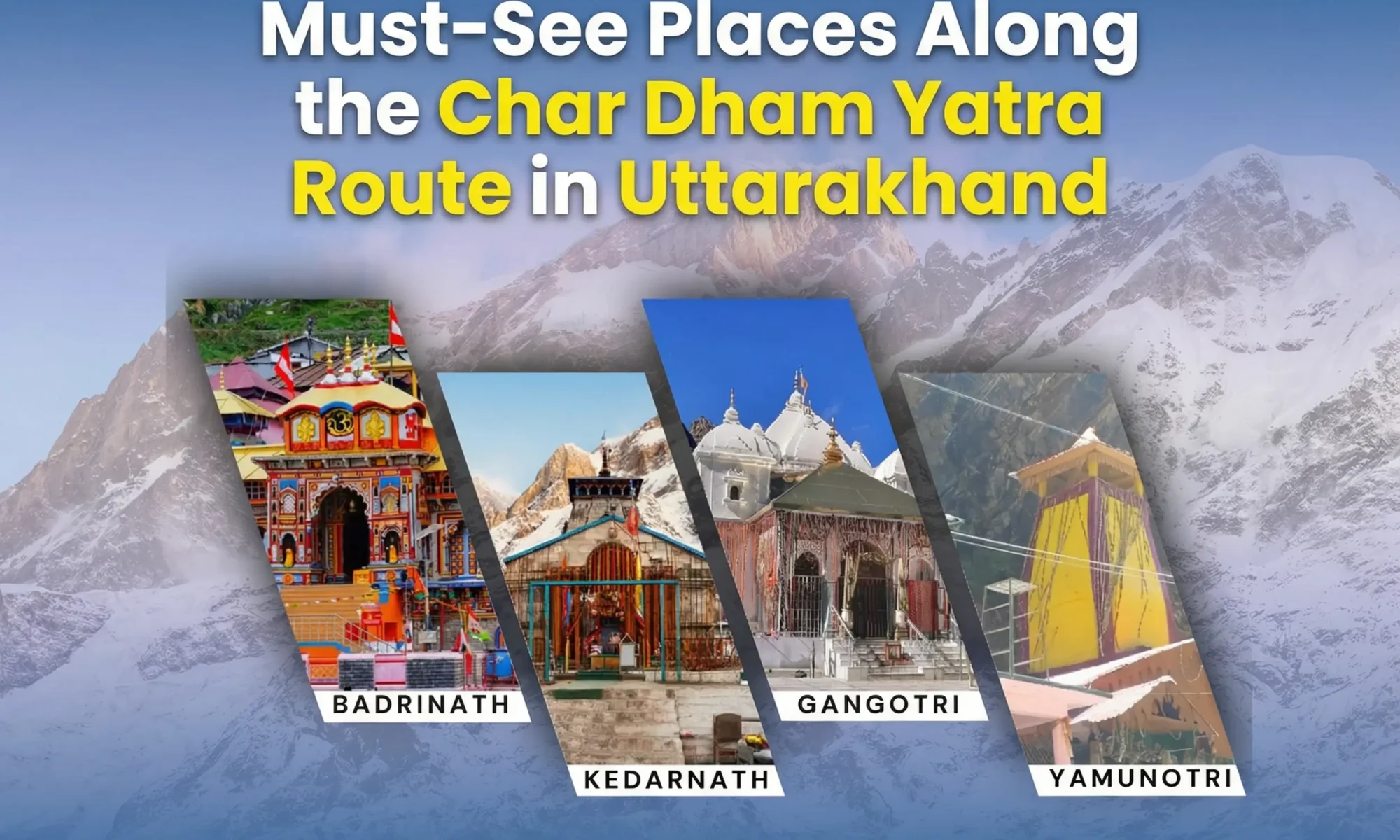
Uttarakhand deserves the name Devabhoomi, which means Land of Gods. This beautiful state holds countless Hindu temples that welcome visitors all year long. The Char Dham Yatra stands out as the most popular pilgrimage route. The word “Char” translates to four in Hindi, while “Dham” means a location sacred to Hindus. Pilgrims follow a circuit connecting four major temples: Yamunotri, Gangotri, Kedarnath, and Badrinath. This journey starts at Yamunotri and traces where the Yamuna River begins. The route continues through Gangotri, where the Ganges River flows down from the mountains. Travelers then visit Kedarnath, home to one of Lord Shiva’s most important temples. The pilgrimage finishes at Badrinath, which honors Lord Vishnu.

The Char Dham Yatra takes pilgrims through more than just religious sites. The journey showcases stunning mountain peaks, thick forests, and flowing rivers. Each location offers spiritual peace and connects visitors to the Himalayan landscape’s natural and sacred beauty. Nevertheless, this expedition presents real difficulties that require careful preparation and planning.

This helpful guide explains the spiritual importance of the Char Dham Yatra. You will discover practical advice for a successful journey and learn how to prepare for an unforgettable experience in this region of remarkable natural beauty.

History, Legends and Significance of Char Dham Yatra

The Char Dham Yatra traces back to the 8th century. Adi Shankaracharya, a respected Hindu philosopher and scholar, created these four temples to bring together different Hindu traditions. Over time, pilgrims began seeing this journey as one of the most spiritually meaningful pilgrimages. The tradition teaches that the journey cleanses sins, purifies the soul, and helps devotees reach Moksha, a state of spiritual freedom.

Each of the four temples holds unique history and religious meaning. Every site carries special stories and significance.

History of Yamunotri Dham

Yamunotri Temple

Yamunotri begins the Char Dham circuit as the birthplace of the Yamuna River. Hindu religion honors the Yamuna as the second most sacred river. According to traditional stories, the river goddess Yamuna descends from Surya, the sun god. Worshippers respect her because people believe she brings good health and long life to those who honor her.

Another story connected to Yamunotri involves a wise sage named Asit Muni. This sage bathed in both the Yamuna and Ganga rivers every single day. When he grew very old, he could not travel to Gangotri anymore. A miracle happened when the Ganga River appeared as a small stream next to the Yamuna. This allowed him to continue his daily bathing practice without leaving the area.

The Yamunotri temple sits 3,293 meters high on the Bandarpunch Mountain in Uttarkashi district. Pilgrims must trek six kilometers from Janki Chatti to reach the temple.

History of Gangotri Dham

Gangotri Temple

Gangotri occupies the second location in the Char Dham circuit. Pine and deodar trees create a beautiful setting for this temple. Gangotri marks where the most sacred river in Hinduism, the Ganges, begins. Hindu mythology tells that Ganga descended from the sky to earth at this spot. The story says Lord Shiva released the river from his hair after King Bhagiratha prayed intensely to him.

The Gangotri temple stands near the “Bhagirath Shila,” a sacred rock where King Bhagiratha performed his prayers. The actual source of the Ganga River sits 19 kilometers beyond Gangotri at Gaumukh glacier. Visitors must trek to reach this original spring.

Nepalese General Amar Singh Thapa built the Gangotri temple in the early 1700s. The temple sits at 3,100 meters and visitors can drive to reach it easily. No trekking is necessary to visit this location.

History of Kedarnath Dham

Kedarnath Temple

Kedarnath ranks among the holiest places devoted to Lord Shiva. This temple stands as one of the twelve Jyotirlingas and belongs to the Panch Kedar temples group. According to legend, after the great war called Kurukshetra, the Pandava family desired forgiveness from Lord Shiva for their wrongs. Shiva wished to avoid them, so he transformed himself into a bull to hide. He sank into the ground leaving only his hump visible above. This spot marks where the Kedarnath temple now stands.

Although the Pandavas originally built this temple, Adi Shankaracharya blessed and sanctified it during the 8th century. Kedarnath sits 3,584 meters above sea level, making it the most demanding temple to visit among the four Dhams. Visitors must trek sixteen kilometers uphill starting from Gaurikund. The difficult walk rewards travelers with spectacular views of snow-covered peaks and the Mandakini River flowing in front of the temple.

History of Badrinath Dham

Badrinath Temple

Badrinath concludes the Char Dham Yatra as an especially important worship center for Lord Vishnu followers. This temple honors Lord Vishnu and counts among the 108 Divya Desams across India. These sacred locations mark places where Lord Vishnu appeared in human form.

Old stories describe Vishnu meditating in this sacred valley. Later, the great sage Shankaracharya made this location holy during the 8th century. The name comes from a myth explaining that Goddess Lakshmi, Vishnu’s wife, became a wild berry tree known as Badari. She provided shade while her husband meditated.

Badrinath temple sits in Chamoli district at 3,100 meters elevation. The temple sits on a road that visitors can easily access by vehicle. No trekking is needed to reach this final destination.

Opening and Closing Dates

The Char Dham Yatra welcomes visitors from late April or early May through late October or early November. The temples open on Akshay Tritaya and close on Bhai Dooj. Both dates follow the Hindu religious calendar. The Char Dham Yatra committee announces exact dates every year on Basant Panchami, which falls between January and February. Pilgrims should verify the official dates before beginning their journey.

Suggested to Read:

Best Time to Visit

The Himalayan region experiences harsh weather during certain months, so only specific seasons work for the Char Dham Yatra. From April or May when the temples open through mid-June, the weather stays pleasant and comfortable. However, many crowds arrive during these opening weeks. If you prefer fewer visitors, wait about a week after the official opening date.

Monsoon rains create dangerous conditions between July and August because landslides and flooding threaten this mountain region. Travel experts recommend avoiding these dangerous months completely.

After mid-September, conditions become pleasant and safe again. September, October, and November offer excellent visiting periods depending on when that year’s Yatra officially closes.

How to Reach

Pilgrims reach the Char Dham sites using airplanes, trains, or vehicles depending on budget and available time. Many travelers combine different transportation methods.

By Air: Jolly Grant Airport in Dehradun serves as the closest airport. Travelers catch taxis from the airport to reach any of the four Dhams.

By Road: People traveling by car can drive from Delhi to Rishikesh or Haridwar. From there, taxis and vans continue to Yamunotri, Gangotri, Kedarnath, or Badrinath.

By Train: Rishikesh and Haridwar have the nearest train stations. Visitors arrange cabs from these stations to reach the four sacred sites.

By Helicopter: Pilgrims short on time, dealing with physical limitations, or wanting extra comfort can use helicopter services. Dehradun and Phata have helicopter services, and landing pads exist near each Dham.

Suggested to Read:

Char Dham Yatra Route Map

Most pilgrims start the journey with a vehicle trip from Haridwar to Barkot. The route passes through Dehradun and Mussoorie and takes about six hours. Travelers can stop at Kempty Falls in Mussoorie or Robber’s Cave in Dehradun. Visitors spend the first night in Barkot and leave early the next morning.

On day two, pilgrims travel from Barkot to Jankichatti, covering 45 kilometers. This location marks the beginning of the six-kilometer walk to Yamunotri Dham. After visiting the temple, visitors return to Barkot for another night.

The third day involves traveling from Barkot to Uttarkashi, covering eighty kilometers. The drive takes most of the day. Along the way, travelers stop at Shri Prakateshwar Mahadev Temple. Visitors spend the evening relaxing in Uttarkashi.

On day four, pilgrims leave early for Gangotri Dham. The one-hundred-kilometer journey takes three to four hours without traffic delays. They return to Uttarkashi to sleep.

Day five brings travel to Guptakashi from Uttarkashi, covering two hundred kilometers. This town serves as the base for the Kedarnath trek. On day six, pilgrims go to Gaurikund, the starting point for the Kedarnath temple hike. The steep uphill walk takes six to eight hours plus time for prayer. Travelers rest at Kedarnath overnight.

Day seven brings pilgrims back down to Gaurikund, then to Guptakashi for sleep. On day eight, the journey continues to Badrinath through Chopta. Visitors can stop at Tungnath Temple during this drive.

After praying at Badrinath Dham, travelers drive to Rudraprayag for the final night. The last day brings the trip home to Haridwar, completing the Char Dham Yatra.

Itinerary

Pilgrims can follow this suggested schedule for the Char Dham Yatra:

  • Day 1: Travel from Rishikesh or Haridwar to Barkot
  • Day 2: Journey from Barkot to Yamunotri and return
  • Day 3: Drive from Barkot to Uttarkashi
  • Day 4: Travel from Uttarkashi to Gangotri and back
  • Day 5: Go from Uttarkashi to Guptkashi
  • Day 6: Journey from Guptkashi to Kedarnath
  • Day 7: Travel from Kedarnath to Guptkashi
  • Day 8: Drive from Guptkashi to Badrinath
  • Day 9: Journey from Badrinath to Rudraprayag
  • Day 10: Travel from Rudraprayag to Rishikesh or Haridwar

Note: Pilgrims can change this itinerary based on their preference, convenience, and time availability.

Book #ChardhamPackage: https://www.triptochardham.in/char-dham-packages

Accommodation

Many choices for lodging exist at or near each of the four Char Dham locations. Visitors choose between tents, budget hotels, Dharamshalas, or GMVN guesthouses based on their budget and personal preference. Larger towns including Barkot, Uttarkashi, Sonprayag, and Guptakashi provide more accommodation options for comfortable stays during travel.

Places to Visit on the Char Dham Yatra

Beyond the four main temples, pilgrims discover additional locations worth visiting.

Yamunotri: Surya Kund, Divya Shila, Hanuman Chatti

Gangotri: Gaumukh Glacier, Bhagirath Shila, Pandava Gufa

Kedarnath: Bhairavnath Temple, Chorabari Tal, Vasuki Tal

Badrinath: Mana Village, Tapt Kund, Vasudhara Falls

Travel Tips

  • Avoid the opening days right after the Char Dham Yatra officially starts to escape the rush.
  • Prepare completely for your trip ahead of time, ideally with a reliable travel agent.
  • Reserve all your lodging options in advance.
  • Register on the official website at https://registrationandtouristcare.uk.gov.in.
  • Pack waterproof clothing and extra warm layers to handle unexpected weather changes.
  • Check the weather forecast before your departure.
  • Bring first-aid supplies, drinking water, and any needed medicines.
  • Begin your travel early each day to avoid traffic congestion.
  • Show respect to local traditions and religious practices.
  • Keep emergency phone numbers easily available.

FAQs

Q1- Does the Char Dham Yatra stay open throughout the winter season?

The Yatra closes during winter months because snow falls heavily and the mountain terrain becomes extremely dangerous. Wait for summer weather before planning this trip.

Q2- Do pilgrims need to register before visiting the Char Dham Yatra?

All visitors must register through the official website at https://registrationandtouristcare.uk.gov.in before beginning the Char Dham Yatra.

Q3- Can pilgrims find medical care near the Char Dham locations?

Yes, basic medical services, medicine shops, and medical stations operate along the route for visitor safety and comfort.

Q4- What price does a helicopter trip cost from Phata to Kedarnath?

A round-trip helicopter journey from Phata to Kedarnath costs approximately 8,500 Indian rupees per visitor.

Q5- How much does a complete helicopter tour of the Char Dham cost?

Starting from Dehradun, a complete helicopter-based Char Dham Yatra costs around 2 lakh rupees for the round trip.

Q6- What types of lodging does Kedarnath Dham provide?

Kedarnath offers GMVN guesthouses, Dharamshalas, hotels of different price ranges, and tent accommodations.

Q7- Can someone complete the Char Dham Yatra without hiring a travel company?

While travelers can complete the yatra independently, professionals strongly recommend working with a reliable travel agent for a better and smoother experience.

Conclusion

Uttarakhand’s Char Dham Yatra represents an incredible once-in-a-lifetime journey and something everyone seeking spiritual growth in the mountains should experience. The pilgrimage demands effort, and the hikes present real challenges. However, the joy of standing before these four sacred temples while seeing the enormous Himalayan mountains surrounding you creates an experience that no one forgets. The Char Dham Yatra reaches far beyond a simple religious journey. It becomes a path toward connecting with the spiritual power of nature while receiving blessings from the gods.

How to Reach Kailash Mansarovar?

How to Reach Kailash Mansarovar

Every year, thousands of devotees dream of visiting Kailash Mansarovar, a sacred destination that holds deep spiritual meaning for millions. This holy place sits high in the Himalayan mountains within Tibet, China. People believe Lord Shiva and Goddess Parvati live on this divine peak. The journey takes 14 days and tests both your body and mind, but the spiritual rewards make every step worthwhile.

This sacred mountain attracts followers from different faiths. Hindus, Buddhists, Jains, and Bons all consider this place holy. Many major rivers in India start from this region, which makes it even more special. People call it the centre of the universe because of its religious importance.

The path to reach this destination requires good health and strong determination. You must prepare yourself for tough weather, high altitude, and long walking hours. Indian travelers cannot go directly to Tibet. You must pass through Nepal or other parts of China first. This guide explains all the ways you can travel from Delhi to reach this blessed destination.

How to Reach Kailash Mansarovar?

Delhi to Kailash Mansarovar by flight (1,385 km):

Flying offers the fastest way to start your journey. You cannot book a direct flight from Delhi to Lhasa. First, you need to fly from Delhi’s international airport to Kathmandu’s Tribhuvan international airport in Nepal. From there, catch another flight to reach Lhasa Gonggar airport.

The Delhi to Kathmandu flight covers 813 kilometers and takes about 1 hour 30 minutes. After landing in Kathmandu, your next flight to Lhasa takes another 1 hour 30 minutes to cover 572 kilometers. Flight prices change based on which months you travel.

Some travelers consider flying from Lhasa to Ngari Kunsha Airport. This flight lasts 2 hours. But doctors warn against this option. The sudden jump in altitude can make you very sick. Your body needs time to adjust to the thin mountain air.

When you reach Lhasa, you can join organized group tours heading to Kailash Mansarovar. These tours run for 14 to 15 days. They take care of everything and guide you through a life-changing spiritual experience.

Delhi to Kailash Mansarovar by road (2,003 km):

More pilgrims now choose to travel by road. This option lets you see beautiful natural landscapes that remain untouched by modern development. Indian citizens find this route easier because they can move freely through Nepal and nearby areas without many restrictions.

Your road journey starts with a bus from Delhi to Kathmandu. This trip covers about 1,150 kilometers and takes more than 24 hours. Once you arrive in Kathmandu, buses do not go further to Mount Kailash. You must rent a private car or hire a taxi for the remaining journey. The road crosses the Nepal-China border at the Gyirong port.

Tour packages handle everything for you. They arrange your stay, pay entry fees, provide vehicles, and give you experienced guides who know the route well.

The Indian government recently finished building new roads to make travel easier. Now you have two good routes to choose from:

Kailash Mansarovar route via Uttarakhand

This route begins in Delhi and continues by road. You pass through Tanakpur or Kathgodam, then move forward through Dharchula, Tawaghat, and the Lipulekh Pass. The route also goes through the beautiful Darma and Johar Valleys.

The Lipulekh Pass does not have proper roads for vehicles. You need to trek on foot for some parts. The complete journey from the Kumaon region takes 24 days. Along the way, you can visit amazing places like Patal Bhuvaneshwar and Narayan Ashram. These stops add spiritual value to your trip.

Kailash Mansarovar route via Sikkim

After reaching Sikkim using your preferred transport, the journey to Kailash Mansarovar starts at Nathu La. This pass has motorable roads, which makes travel comfortable. Older pilgrims who cannot trek long distances prefer this route.

The path begins in Gangtok and passes through stunning natural beauty. You will see places like Hangu Lake that take your breath away. This route takes 21 days to complete from start to finish.

Delhi to Kailash Mansarovar by train

No train runs directly from Delhi to Tibet. You must first take a train from Delhi to Gorakhpur. This train journey covers 822 kilometers and takes about 12 hours. Train tickets cost less than flights, which saves you money.

After reaching Gorakhpur, take a bus to Kathmandu. This bus ride covers 323 kilometers and needs 11 to 12 hours. The fare remains affordable for most travelers. No trains currently connect Nepal to Tibet. The nearest train station sits in Shigatse, which is 50 kilometers from the border.

Once you reach Kathmandu, you can pick either the flight route or the road route explained earlier. Choose based on how much money you want to spend and what feels comfortable for you.

Kailash Mansarovar yatra route map from Delhi

The route map shows both road paths and helicopter options. Here is the best path for your Kailash Mansarovar yatra:

Delhi – Lucknow – Nepalgunj – Simikot – Hilsa (by helicopter) – Taklakot – Kailash Mansarovar.

Kailash Mansarovar from Delhi itinerary summary

This short summary shows what happens each day during the Kailash Mansarovar Yatra from Delhi:

Day 1 – Delhi – Lucknow – Nepalgunj

After leaving Lucknow, you travel by road to reach Nepalgunj. You spend the night in Nepalgunj to rest before the next day.

Day 2 – Nepalgunj – Simikot

From Nepalgunj, you board a small aircraft for the next leg. This part often causes delays because mountain weather changes quickly. The flight takes 45 minutes when conditions allow. You rest in Simikot after landing.

Day 3 – Simikot – Hilsa – Taklakot

A helicopter takes you from Simikot to Hilsa in 25 to 30 minutes. After landing, you walk across a swinging bridge that moves with the wind. You complete border formalities and walk from Nepal into China. On the Chinese side, a bus waits to take you to Taklakot. This bus ride covers 22 kilometers. You stay overnight in Taklakot.

Day 4 – Taklakot

This day you rest in Taklakot. Your body needs time to adjust to the high altitude. Without this rest, you might get mountain sickness that can ruin your trip.

Day 5 – Taklakot – Mt. Kailash and Lake Mansarovar

This marks the final stretch of your journey. You travel by road from Taklakot to Mount Kailash and Lake Mansarovar. The route passes several important religious sites worth visiting. You check into a guesthouse near the mountain to prepare for the parikrama.

The parikrama (walking around the holy mountain) takes 2 to 3 days depending on your walking speed and health. After completing the parikrama, you return using the same route you came from.

Travel documents required:

A Tibet travel permit stands as your most important document. Even if you skip Lhasa, you must carry this permit to enter Tibet. Officials consider all Indian passport holders as pilgrims, even tourists who come just for sightseeing.

Every Indian pilgrim must apply for both a Tibet travel permit and a China visa. You get these documents through the Foreign Affairs Office in the Tibetan Autonomous Region. This office, along with the China India Pilgrim Service Center, handles all matters for Indian pilgrims. Only these two organizations have permission to organize the pilgrimage.

Frequently Asked Questions (FAQs):

Q1. What Is The Best Time To Visit Kailash Mansarovar?

Ans. The months from May to mid-October work best time for the Kailash Mansarovar Yatra. During these months, weather stays relatively stable and roads remain accessible.

Q2. What Is The Biggest Risk Involved While Undertaking The Kailash Mansarovar Yatra?

Ans. High-altitude mountain sickness poses the biggest danger during the Kailash Mansarovar yatra. The thin air at high elevations makes breathing difficult and can cause serious health problems.

Q3. What Is The Average Altitude Of The Kailash Mansarovar Trip?

Ans. Most of your journey happens at 5,000 meters above sea level. This height means much less oxygen reaches your lungs compared to normal areas.

Q4. How Many Days Is Needed For Kailash Mansarovar Yatra?

Ans. Plan for 14 to 15 days to complete the Kailash Mansarovar Yatra properly. This time includes travel, rest days, and the parikrama.

Q5. Is Kailash Mansarovar Yatra Difficult?

Ans. Yes, this ranks among the toughest pilgrimages you can undertake. However, with proper preparation and determination, you can complete it successfully.

Book Now: https://www.triptochardham.in/

Is Helicopter Service Available for Char Dham?

Chardham Yatra by Helicopter

Quick Answer: Yes, helicopter services are available for all four Char Dham shrines. Multiple operators provide helicopter packages ranging from ₹1,90,000 to ₹2,50,000 per person for the complete circuit. Individual shrine helicopter services cost ₹12,000-₹13,000 per person one way. Kedarnath has the most extensive helicopter operations, while Yamunotri, Gangotri, and Badrinath also offer helicopter access during the pilgrimage season.

Complete Helicopter Coverage Across Char Dham

Helicopter infrastructure has transformed the Char Dham pilgrimage over the past decade. What once required 10-15 days of challenging mountain travel can now be completed in 2-5 days using air services.

All four sacred shrines now have functional helipads or nearby landing zones within short walking distance. This accessibility revolution allows elderly pilgrims, people with medical conditions, and time-constrained professionals to complete the holy circuit that would otherwise remain impossible.

Evolution of Helicopter Services

Kedarnath pioneered helicopter services after the 2013 disaster highlighted evacuation needs and accessibility challenges. Success there encouraged expansion to other shrines.

Uttarakhand government actively promotes helicopter tourism as it reduces environmental impact from road traffic while generating substantial revenue. Multiple private operators now compete, improving service quality and availability.

Weather monitoring systems, standardized safety protocols, and improved helipad infrastructure have made helicopter pilgrimage increasingly reliable and safe over recent years.

Helicopter Services to Individual Shrines

Each shrine has specific helicopter operations with unique routes, costs, and booking procedures.

Yamunotri Helicopter Service

Base Helipad: Kharsali (near Yamunotri)
Landing Point: Kharsali helipad (approximately 4 kilometers from Yamunotri temple)
One-way Cost: ₹3,000-₹5,000 per person
Flight Duration: 15-20 minutes from Dehradun

Helicopters fly from Dehradun to Kharsali, eliminating the long road journey to Janki Chatti. From Kharsali helipad, pilgrims either walk 4 kilometers to the temple or hire ponies/palanquins.

The helicopter does not land directly at Yamunotri temple due to terrain constraints. The short remaining trek or pony ride still provides significant time savings compared to the complete road journey plus 6-kilometer trek from Janki Chatti.

Operating Season: May to October (weather permitting)
Daily Flights: 4-8 sorties depending on demand and weather
Booking: Through authorized operators and online platforms

Gangotri Helicopter Service

Base Helipad: Harsil (near Gangotri)
Landing Point: Harsil helipad (approximately 25 kilometers from Gangotri temple)
One-way Cost: ₹3,500-₹5,500 per person
Flight Duration: 20-25 minutes from Dehradun

Gangotri helicopter services land at Harsil, requiring a 45-minute road journey to reach the actual temple. This hybrid helicopter-road approach still saves considerable time over the complete road circuit.

Some operators offer direct helicopter services to a temporary helipad closer to Gangotri during peak season, reducing the final road segment to under 10 kilometers.

Operating Season: May to October
Daily Flights: 3-6 sorties based on weather conditions
Booking: Through package operators, individual bookings less common

Kedarnath Helicopter Service

Base Helipads: Phata, Sersi, Guptkashi
Landing Point: Kedarnath helipad (walking distance from temple)
One-way Cost: ₹12,000-₹13,000 per person
Flight Duration: 8-10 minutes from Phata/Sersi

Kedarnath operates the most extensive helicopter network in the entire Char Dham circuit. Multiple helipads with frequent flights make this the most accessible and reliable helicopter service.

Three operational helipads serve Kedarnath:

Phata: Primary helipad located 30 kilometers from Guptkashi. Most operators use this base for its infrastructure and accessibility.

Sersi: Alternative helipad when Phata faces capacity constraints or weather issues. Located slightly closer to Guptkashi than Phata.

Guptkashi: Additional helipad serving as backup during peak demand. Less commonly used due to limited facilities.

The Kedarnath helipad sits just 500 meters from the temple complex. A gentle 10-minute walk or pony ride connects the helipad to the shrine, making this the most convenient helicopter access among all four dhams.

Operating Season: May to November (longest operating season)
Daily Flights: 50-100+ sorties during peak season
Booking: Multiple operators, online platforms, counter bookings available

Badrinath Helicopter Service

Base Helipad: Multiple points including Dehradun
Landing Point: Badrinath helipad (within town limits)
One-way Cost: ₹5,000-₹8,000 per person
Flight Duration: 45-50 minutes from Dehradun

Badrinath helicopter services typically operate as part of complete circuit packages rather than standalone shrine services. The helipad location allows easy walking access to the temple complex.

Some operators offer helicopter services from Govindghat or Joshimath, providing shorter flight options for pilgrims already in the region or combining Badrinath with Valley of Flowers visits.

Operating Season: May to October
Daily Flights: Variable based on package bookings
Booking: Primarily through complete circuit packages

Complete Circuit Helicopter Packages

Several operators offer comprehensive packages covering all four shrines by helicopter over 2-5 days.

2-Day Express Package

The fastest option completes all four shrine visits in just 48 hours. This ultra-premium package suits high-level executives, politicians, and VIPs with minimal time availability.

Typical Itinerary:

  • Day 1 Morning: Dehradun to Yamunotri by helicopter, darshan, fly to Gangotri, darshan, overnight in Guptkashi
  • Day 1 Evening: Helicopter to Kedarnath, darshan, return to Guptkashi
  • Day 2 Morning: Helicopter to Badrinath, darshan, return to Dehradun

Cost: ₹2,00,000-₹2,50,000 per person
Inclusions: All helicopter transfers, VIP darshan, meals, luxury accommodations

This compressed schedule allows minimal spiritual time at each shrine. Weather delays can completely disrupt the tight timeline, potentially preventing completion of all four shrines.

3-Day Standard Helicopter Package

The most popular helicopter package balances speed with reasonable shrine time and lower weather risk.

Typical Itinerary:

  • Day 1: Dehradun to Yamunotri (helicopter + short trek/pony), fly to Gangotri, overnight near Guptkashi
  • Day 2: Helicopter to Kedarnath early morning, darshan, fly to Badrinath, overnight at Badrinath
  • Day 3: Badrinath darshan and local sightseeing, return to Dehradun by helicopter

Cost: ₹1,60,000-₹2,00,000 per person
Inclusions: All helicopter flights, accommodation, meals, ground transportation, VIP darshan arrangements

This package provides several hours at each shrine for prayers, meditation, and exploration. The extra day builds in buffer for minor weather delays without completely disrupting plans.

4-5 Day Premium Package

Extended helicopter packages allow more comfortable pacing, better acclimatization, and exploration time at each destination.

Typical Itinerary:

  • Day 1: Arrival in Dehradun, briefing, overnight
  • Day 2: Helicopter to Yamunotri, darshan, fly to Gangotri, overnight near Uttarkashi
  • Day 3: Helicopter to Kedarnath, extended darshan time, overnight at Kedarnath or return to Guptkashi
  • Day 4: Helicopter to Badrinath, visit Mana Village and nearby attractions, overnight at Badrinath
  • Day 5: Badrinath morning darshan, return to Dehradun by helicopter

Cost: ₹1,80,000-₹2,20,000 per person
Inclusions: All helicopters, premium accommodation, all meals, VIP services, guided tours

These packages reduce altitude sickness risks through gradual exposure. Extended time at each shrine provides meaningful spiritual experience rather than rushed darshan.

Hybrid Helicopter-Road Packages

Many pilgrims combine helicopter services for specific shrines with traditional road travel for others, balancing cost, time, and experience.

Kedarnath Helicopter + Road Circuit

The most popular hybrid approach uses helicopters only for Kedarnath while traveling by road to the other three shrines.

This eliminates the most physically demanding 16-kilometer trek while retaining the traditional journey experience for other shrines. The approach saves approximately ₹1,20,000 compared to full helicopter packages.

Timeline: 8-10 days total
Cost: ₹40,000-₹60,000 per person
Best For: Pilgrims with moderate time availability wanting authentic experience without extreme physical challenges

Two-Shrine Helicopter Packages

Some operators offer helicopter services for Yamunotri and Gangotri (the most remote shrines) while pilgrims travel by road to Kedarnath and Badrinath.

This reverses the common pattern but works well for pilgrims who can handle the Kedarnath trek but want to avoid long road journeys to the western shrines.

Timeline: 9-11 days total
Cost: ₹50,000-₹75,000 per person

Booking Procedures and Requirements

Understanding booking processes helps secure helicopter services during peak demand periods.

Advanced Booking Timeline

Book helicopter services 30-45 days before travel during peak season (May-June). Last-minute bookings during these months often face unavailability or significantly higher prices.

September-October off-peak season allows bookings 15-20 days advance with better availability and sometimes discounted rates.

Required Documentation

For Indian Citizens:

  • Valid government photo ID (Aadhar, passport, voter ID, driving license)
  • Confirmed helicopter booking voucher
  • Medical fitness certificate (recommended, mandatory for some operators)

For Foreign Nationals:

  • Valid passport with Indian visa
  • Confirmed booking documentation
  • Registration with local authorities (handled by most package operators)

Booking Channels

Direct Operator Booking: Contact helicopter companies directly through their websites or offices. This sometimes offers better rates by eliminating middleman commissions.

Travel Agent Packages: Tour operators bundle helicopter services with accommodation, meals, and ground transportation. Convenient but typically costs 10-20% more than direct booking.

Online Platforms: Several websites aggregate helicopter services from multiple operators. Compare prices and read reviews before booking through unfamiliar platforms.

Hotel Concierge Services: Luxury hotels in Dehradun and Rishikesh arrange helicopter services for guests, adding premium charges but providing convenience and reliability.

Payment and Cancellation Policies

Most operators require 50% advance payment at booking with balance due 7-10 days before travel. Payment by bank transfer, credit card, or online payment gateways.

Typical cancellation charges:

  • 30+ days before travel: 10-25% cancellation fee
  • 15-30 days before: 40-50% cancellation fee
  • 7-15 days before: 60-75% cancellation fee
  • Less than 7 days: 80-100% cancellation fee

Weather cancellations typically receive full refunds or rescheduling options. Read policy details carefully as operators vary significantly in weather cancellation terms.

Weight and Luggage Restrictions

Helicopters have strict weight limits affecting passenger acceptance and baggage allowances.

Passenger Weight Limits

Most operators set maximum individual passenger weight at 75-80 kilograms. Passengers exceeding this limit pay for two seats or face booking rejection.

Total passenger weight per flight considers all passengers combined. Groups with several heavy passengers may need additional flights at extra cost.

Baggage Allowance

Standard allowance ranges from 5-7 kilograms per passenger including hand baggage. This covers essential items only, not extensive luggage.

Permitted items:

  • Small backpack with change of clothes
  • Medications and toiletries
  • Mobile phone, camera, wallet
  • Light jacket or shawl

Restricted items:

  • Large suitcases or trekking bags
  • Trekking poles or walking sticks (some operators)
  • Excessive food packages or beverages
  • Any flammable or prohibited materials

Excess baggage can sometimes be transported for ₹500-₹1,000 per kilogram, subject to helicopter capacity and operator policies.

Special Considerations

Pregnant women beyond 7 months generally face booking restrictions due to safety and medical concerns at high altitudes.

Children under 2 years fly free when seated on parent’s lap. Children 2-12 years receive discounted rates, typically 75% of adult fares.

Elderly passengers and those with medical conditions need fitness certificates from doctors clearing them for high-altitude helicopter travel and mountain conditions.

Weather Dependencies and Flight Cancellations

Mountain weather creates significant operational challenges affecting helicopter reliability.

Weather Limitations

Helicopters cannot fly during fog, heavy rain, snow, or high winds exceeding operational limits. Cloud cover obscuring mountain terrain prevents safe navigation.

Morning flights have highest success rates as weather typically deteriorates by afternoon. Most operators schedule flights between 6 AM and 1 PM.

Monsoon season (July-August) sees 40-60% flight cancellation rates. Pre-monsoon (May-June) and post-monsoon (September-October) offer 70-90% success rates.

Cancellation Procedures

Operators notify passengers by phone or message when weather prevents flying. Rescheduling options depend on availability and weather forecasts.

Pilgrims waiting at helipads during weather holds sometimes wait 2-6 hours for conditions to improve. No guarantees exist that flights will operate same day.

Most packages include contingency buffer days, but tight schedules risk incomplete circuit when extended bad weather grounds helicopters for multiple days.

Passenger Rights and Refunds

Weather cancellations typically allow full refunds or rescheduling without penalties. However, non-refundable hotel bookings and other package elements may still incur losses.

Travel insurance covering weather-related travel disruptions provides protection against financial losses from cancellation-related expenses.

Read operator terms carefully. Some companies provide vouchers valid for future travel instead of cash refunds, complicating matters for pilgrims unable to reschedule.

Safety Standards and Regulations

Helicopter operations in mountainous terrain follow strict safety protocols established by aviation authorities.

Operator Certification

All helicopter companies must hold valid Air Operator Permits from the Directorate General of Civil Aviation (DGCA). Verify operator credentials before booking.

Pilots require specialized mountain flying qualifications and minimum flight hours in Himalayan conditions. Regular training and certification renewals maintain safety standards.

Aircraft Maintenance

Helicopters undergo mandatory maintenance checks after specified flight hours. Aircraft operating in Char Dham region typically use Bell 407, AS350, or similar models suited for high-altitude operations.

Daily pre-flight inspections check mechanical systems, fuel quality, and weather instruments. Any maintenance concerns ground aircraft until certified technicians complete repairs.

Emergency Protocols

All flights carry emergency equipment including first aid kits, oxygen supplies, and communication devices. Pilots maintain constant contact with ground stations throughout flights.

Emergency landing zones identify along flight paths provide options during unexpected situations. Passenger safety briefings before boarding explain emergency procedures.

Insurance Coverage

Helicopter packages typically include passenger insurance covering accidents, medical emergencies, and evacuation costs. Verify insurance coverage amounts and exclusions in booking documents.

Additional travel insurance purchased independently provides extra protection beyond operator-provided coverage. Consider comprehensive policies for high-value helicopter packages.

Advantages of Helicopter Services

Understanding benefits helps evaluate whether helicopter pilgrimage suits your needs and justifies the significant cost.

Massive Time Savings

Complete the entire Char Dham circuit in 2-3 days versus 10-15 days by road. Working professionals with limited vacation days accomplish the pilgrimage helicopter travel makes possible.

Businesspeople, senior executives, and others with demanding schedules find helicopter services the only viable option for completing this important spiritual journey.

Physical Accessibility

Elderly pilgrims unable to handle long treks and extended road journeys successfully complete the circuit by helicopter. Age stops being a barrier to spiritual fulfillment.

People with knee problems, cardiac conditions, or other health issues safely undertake the pilgrimage that road travel and trekking would make impossible or dangerous.

Reduced Altitude Sickness Risk

Helicopters allow quick descent if altitude sickness symptoms appear. The ability to return to lower elevations within minutes provides crucial safety for susceptible individuals.

Compared to being stranded at high-altitude campsites during multi-day treks, helicopter pilgrims enjoy far greater medical evacuation options if health emergencies arise.

Spectacular Aerial Views

Flying over Himalayan landscapes provides breathtaking perspectives impossible from ground level. The bird’s-eye view of snow peaks, glaciers, and valleys creates unforgettable experiences.

Photography opportunities from helicopters capture stunning images of the mountain terrain and sacred shrines from unique angles.

Weather Avoidance

Helicopters fly above road-level weather problems. While still weather-dependent, flights avoid landslides, traffic jams, and road blocks that plague ground transportation.

When roads face closure due to landslides or repairs, helicopters continue operating (weather permitting), providing reliable access when ground routes fail.

Disadvantages and Limitations

Balanced evaluation requires acknowledging helicopter service drawbacks and limitations.

Extremely High Costs

Helicopter packages cost 10-15 times more than budget road pilgrimage. The ₹1,60,000-₹2,50,000 per person expense places helicopter services beyond most middle-class budgets.

Families of 4-5 people face costs exceeding ₹8,00,000, making this option financially unrealistic for average Indian families despite the convenience.

Weather Unpredictability

Flight cancellations due to weather disrupt carefully planned itineraries. Tight schedules allowing no buffer time face high probability of incomplete pilgrimage.

Monsoon season makes helicopter travel particularly unreliable. Booking during these months means accepting significant cancellation risk despite paying full prices.

Limited Spiritual Experience

Rushed 2-3 hour stops at each shrine provide minimal time for prayers, meditation, and spiritual absorption. The depth of traditional pilgrimage experience cannot match hurried helicopter visits.

Missing the journey element eliminates opportunities for reflection, interaction with fellow pilgrims, and gradual immersion in the sacred mountain environment.

Minimal Acclimatization

Rapid altitude changes by helicopter increase altitude sickness probability compared to gradual road ascent. Bodies get no adjustment time before exposure to 3,500+ meter elevations.

Some pilgrims experience severe headaches, nausea, and breathlessness immediately upon landing at high-altitude shrines, diminishing their darshan experience significantly.

Booking Complexity

Advance planning requirements, strict weight limits, and cancellation policies create complications. Last-minute travel becomes difficult or impossible during peak season.

Coordinating multiple passengers’ weights, luggage restrictions, and schedule alignment proves challenging for family groups or large parties.

Environmental Impact Considerations

The ecological footprint of helicopter versus road pilgrimage presents ethical considerations.

Reduced Road Congestion

Helicopter pilgrims remove vehicles from mountain roads, reducing traffic congestion, fuel emissions, and road maintenance requirements on sensitive mountain terrain.

Fewer vehicles mean less road expansion pressure, preserving natural landscapes and reducing construction-related environmental damage.

Aircraft Emissions and Noise

Helicopter fuel consumption and emissions contribute to air pollution and carbon footprint. Noise pollution affects wildlife and disturbs the peaceful mountain environment.

Frequent helicopter traffic over pristine wilderness areas disrupts ecosystems and wildlife behavior patterns not evolved for such disturbances.

Overall Environmental Balance

Studies debate whether concentrated helicopter impact causes less total damage than dispersed road traffic impact. No clear consensus exists among environmental experts.

Individual pilgrims must weigh convenience benefits against environmental costs based on personal values regarding ecological responsibility and sustainable tourism.

Comparing Helicopter Operators

Multiple companies offer Char Dham helicopter services with varying quality, pricing, and reliability.

Major Operators

Aryan Aviation: One of the oldest operators with extensive Uttarakhand experience. Known for safety record and customer service.

Heritage Aviation: Offers premium packages with luxury accommodation and VIP darshan arrangements. Higher prices but comprehensive service.

Himalayan Heli Services: Competitive pricing with good safety standards. Popular for individual shrine bookings rather than complete packages.

Pinnacle Air: Focuses on customized packages allowing flexible itinerary adjustments. Premium pricing for personalized service.

Evaluation Criteria

Check operator safety records and DGCA compliance history. Avoid companies with accident history or regulatory violations.

Read customer reviews on independent platforms, not just testimonials on company websites. Look for recent reviews addressing current service quality.

Verify included services clearly. Some packages exclude meals, accommodation, or ground transportation that others include, making price comparison tricky.

Confirm cancellation and refund policies in writing. Verbal assurances mean nothing if contracts contain different terms.

Alternatives to Full Helicopter Packages

For budget-conscious pilgrims wanting some helicopter convenience without complete package costs.

Helicopter for Kedarnath Only

Most cost-effective helicopter strategy targets only Kedarnath, eliminating the most difficult trek while keeping road travel costs low for other shrines.

Helicopter from Phata to Kedarnath costs ₹7,000-₹12,000 round trip per person. Add ₹15,000-₹25,000 for complete road circuit, totaling ₹22,000-₹37,000 versus ₹1,60,000+ for full helicopter packages.

This hybrid approach works brilliantly for people who can handle road journeys but struggle with high-altitude trekking due to age or fitness limitations.

Helicopter One-Way Options

Some operators allow helicopter in one direction with trek/pony return, or vice versa. This cuts costs by 40-50% compared to round-trip helicopter while still providing significant assistance.

Flying up to Kedarnath then trekking down works well as descent requires less cardiovascular effort than ascent, though knee stress increases during downhill walking.

Group Booking Discounts

Organizing groups of 15-20 people sometimes secures 10-15% discounts from operators seeking guaranteed bookings. Corporate groups or religious organizations leverage this effectively.

The coordination complexity and need for uniform schedules limits this option’s practicality for most individual pilgrims or small families.

Future Developments in Helicopter Services

Infrastructure improvements and technology advances continue expanding helicopter accessibility.

All-Weather Operations

Investment in improved weather monitoring systems, better instrument-rated aircraft, and enhanced pilot training aims to reduce weather-related cancellations.

New helipads with better facilities and positioning will improve operational efficiency and passenger experience in coming years.

Electric Helicopter Technology

Experimental electric helicopter projects may eventually reduce operating costs and environmental impact. However, current technology lacks range and power for Himalayan operations.

Hybrid helicopter models combining conventional and electric propulsion show promise for mountain operations within 5-10 years, potentially reducing costs by 20-30%.

Increased Competition

More operators entering the market should increase availability and create price competition benefiting consumers. Government licensing of additional operators continues gradually.

However, infrastructure limitations (helipad capacity, maintenance facilities) constrain how many additional operators the region can sustainably support.

Recommendations for Different Pilgrim Types

Working Professionals with Limited Leave

Helicopter services specifically address your situation. The 3-4 day time requirement fits weekend extensions or short vacation windows impossible for road pilgrimage.

Budget ₹1,80,000-₹2,20,000 for the 3-day package. Consider this a once-in-lifetime investment in spiritual fulfillment when traditional options remain unavailable.

Elderly Pilgrims

Helicopter eliminates trekking challenges but presents altitude adjustment concerns. Consult doctors about altitude sickness risks before booking.

Consider 4-5 day packages allowing gradual altitude exposure rather than rushing through 2-day compressed schedules. The extra ₹20,000-₹30,000 investment significantly improves safety and experience quality.

Budget-Conscious Pilgrims

Full helicopter packages likely exceed practical budgets. Consider Kedarnath-only helicopter with road travel to other shrines as reasonable compromise.

Alternatively, complete traditional road pilgrimage and save helicopter experience for when finances improve or if physical abilities decline making road travel impossible later.

First-Time Pilgrims

Experience the traditional road journey first if time and physical ability permit. The complete experience provides context and appreciation helicopter trips cannot match.

Return visits in future years can utilize helicopter services for convenience, but first pilgrimage deserves the immersive multi-day journey when feasible.

Families with Young Children

Helicopter services simplify logistics with children who struggle with extended road journeys and trekking. However, altitude effects on children under 5 years need careful monitoring.

Consult pediatricians about high-altitude travel with young children. Some doctors advise against taking children under 3 years to elevations exceeding 3,500 meters regardless of travel method.

Summary: Helicopter Services Available and Viable

Helicopter services operate comprehensively across all four Char Dham shrines. Complete circuit packages cost ₹1,90,000-₹2,50,000 per person for 2-5 day itineraries.

Individual shrine helicopter services range from ₹3,000-₹8,000 one way, allowing targeted use for specific shrines while traveling by road to others.

Kedarnath has the most developed helicopter infrastructure with highest flight frequency and reliability. Yamunotri, Gangotri, and Badrinath have more limited but functional helicopter access.

Weather dependency creates operational uncertainties, particularly during monsoon season. Buffer days in itineraries provide protection against weather-related disruptions.

Helicopter pilgrimage suits working professionals, elderly pilgrims, people with health limitations, and anyone prioritizing time efficiency over traditional journey experience.

High costs place full helicopter packages beyond most budgets, but hybrid approaches using helicopters for Kedarnath only provide middle-ground options combining accessibility with affordability.

Book 30-45 days advance during peak season through reputable operators with verified safety records. Understand weight restrictions, cancellation policies, and insurance coverage before finalizing bookings.

The availability of helicopter services has democratized Char Dham access for millions who cannot complete traditional road pilgrimage. Whether this technological solution aligns with your spiritual approach, physical capabilities, and financial resources determines if helicopter pilgrimage represents the right choice for your sacred journey.

Book #ChardhamByHelicopter: https://www.triptochardham.in/chardham-yatra-by-helicopter