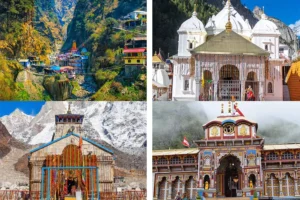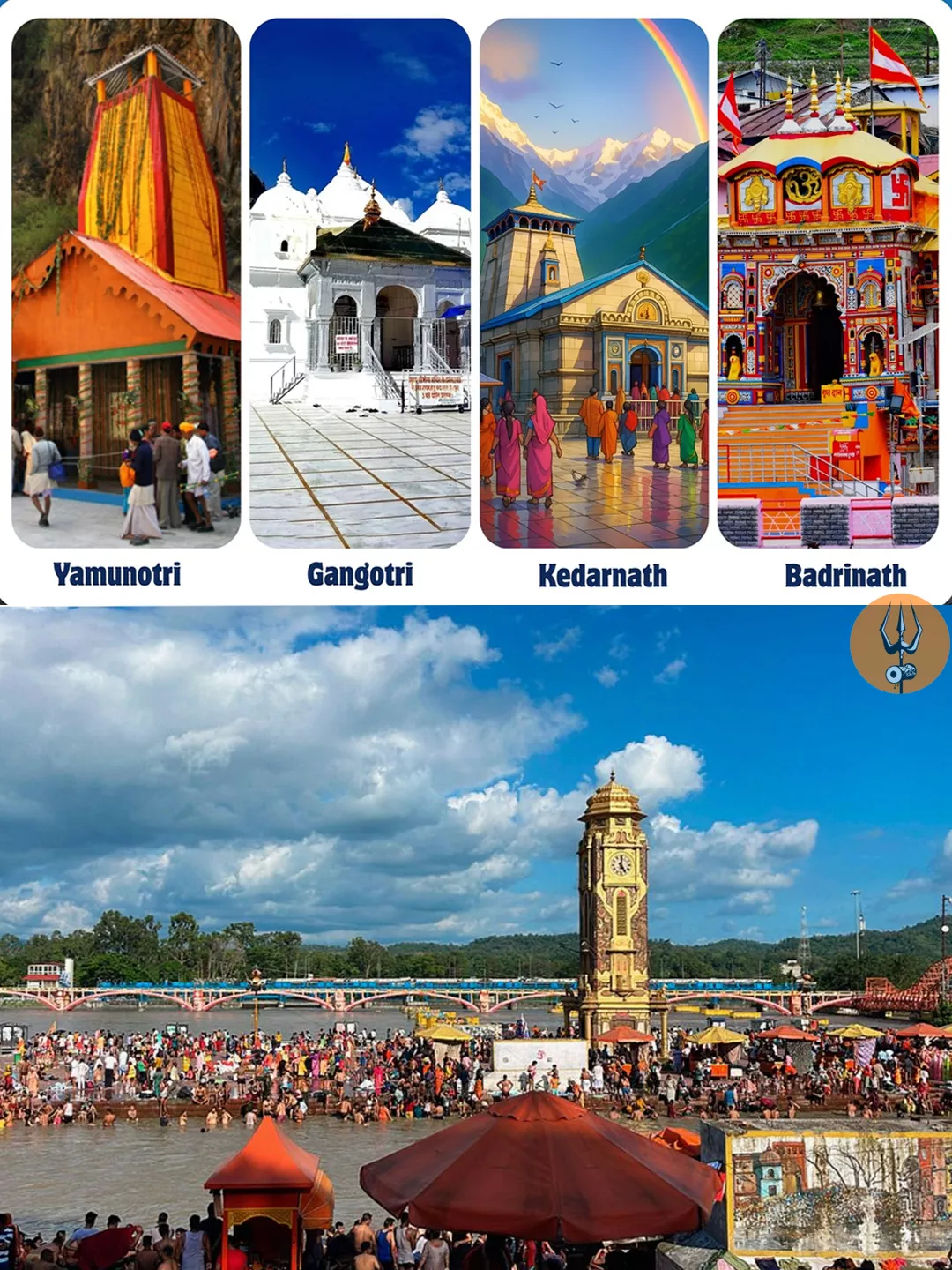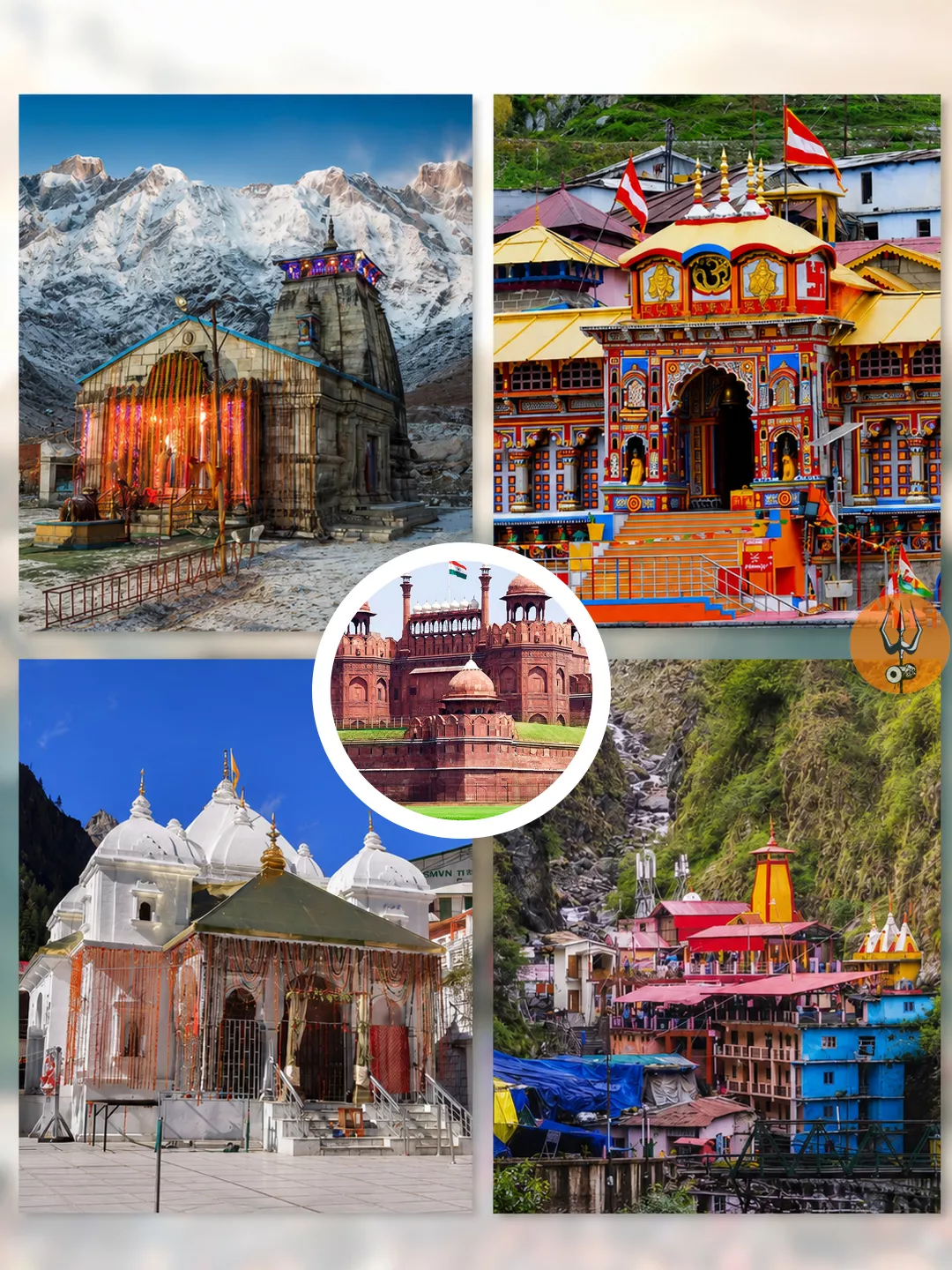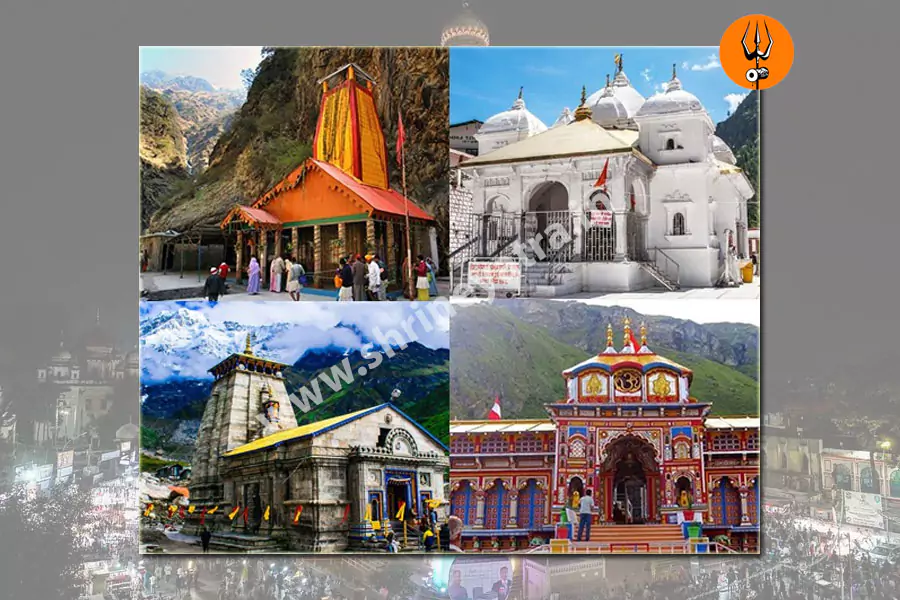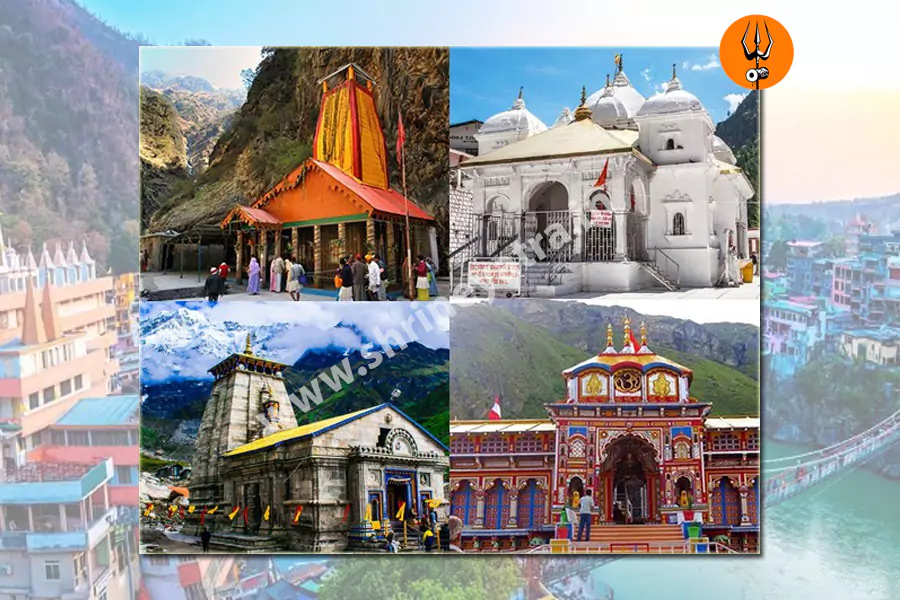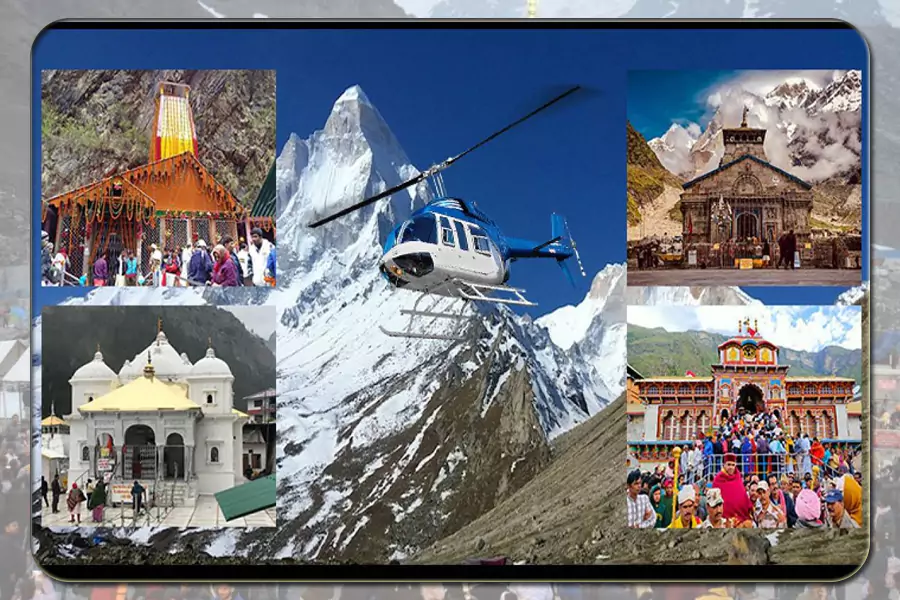

Can We Touch Shivling in Kedarnath?
If you are planning a Kedarnath Yatra, you may wonder, “Can we touch Shivling in Kedarnath?” The answer is yes, the official Shri Badrinath-Kedarnath Temple Committee (BKTC) website states that pilgrims can perform worship of the Kedarnath Jyotirlinga by touching it with their own hands.
However, there is an important practical point. Touching the Shivling is not necessarily available throughout the entire day. Temple authorities can change the way devotees enter the sanctum and manage Sparsh Darshan according to crowd levels, rituals, security and other arrangements. During the 2026 season, for example, reports from Kedarnath stated that Sparsh Darshan in the Garbha Griha was being allowed from the morning until noon, after which devotees received Shringar Darshan from the Sabha Mandap.
So, if touching the Kedarnath Shivling is important to you, do not rely only on an old timetable or travel blog. Check the latest instructions from BKTC and follow the instructions given by temple staff when you reach Kedarnath.
Can Devotees Touch the Shivling at Kedarnath?
Yes. The official BKTC description of Kedarnath Temple specifically says that pilgrims can worship the Jyotirlinga by touching it with their own hands. This provides the clearest official basis for answering the question.
At the same time, this should not be interpreted as a promise that every pilgrim will have unrestricted physical access to the sanctum at any time of day.
Kedarnath receives a very large number of visitors during the Yatra season. Temple authorities therefore manage access according to the day’s conditions. In April 2026, when the shrine was experiencing heavy crowds, local reporting said that Sparsh Darshan in the Garbha Griha was being conducted from 4 AM to 12 noon. After noon, cleaning, bhog and Shringar took place, followed by Shringar Darshan for devotees from the Sabha Mandap.
This distinction is important:
- Touching the Shivling is an established part of the temple’s stated worship practice.
- The exact access window can change.
- Crowd management can affect how devotees enter the Garbha Griha.
- A puja booking should not automatically be described as a guaranteed right to touch unless the current temple administration specifically confirms it.
- The instructions given at the temple on the day of your visit take priority over old online information.
Why Do People Ask About Touching the Kedarnath Shivling?
Kedarnath is one of the most important Shiva pilgrimage sites in India. The temple is dedicated to Lord Shiva and is traditionally revered as one of the twelve Jyotirlingas.
The main sacred form worshipped inside the temple is a distinctive conical rock formation. BKTC describes it as the manifestation of Lord Shiva in his Sadashiva form. The temple stands at a high altitude in the Kedarkhand region of Uttarakhand and forms an important part of the state’s Char Dham and Panch Kedar pilgrimage traditions.
For many devotees, therefore, Kedarnath Shivling Darshan is more than simply seeing the deity from a distance. They may wish to participate personally in worship, offer prayers or experience Sparsh Darshan when that access is available.
That desire should be understood within the religious tradition of the temple. At the same time, the practical arrangements inside a functioning temple can change from one season, day or ritual period to another.
Kedarnath Shivling and Its Religious Significance
According to Hindu tradition, Kedarnath is associated with Lord Shiva and the sacred Jyotirlinga tradition.
The BKTC describes Kedarnath as one of India’s twelve Jyotirlingas and identifies the sacred rock formation inside the Garbha Griha as the form of Shiva worshipped at the shrine. The temple is also associated with the traditional story of the Pandavas and Lord Shiva’s manifestation at Kedarnath.
These are matters of religious tradition and belief. They should not be confused with modern administrative rules.
For example:
- Traditional or religious context: Kedarnath is revered as a Jyotirlinga of Lord Shiva and holds deep significance for Hindu devotees.
- Current temple administration: BKTC determines how darshan, puja, entry and crowd management operate during the pilgrimage season.
Keeping these two aspects separate helps visitors understand why a traditional practice may exist while its practical availability is still controlled by the temple administration.
What Is the Difference Between Darshan and Performing Puja?
This is one of the most important points for anyone researching Kedarnath Temple darshan rules.
Darshan
Darshan means having the opportunity to see and offer one’s prayers to the deity.
A devotee may enter the designated darshan area and have darshan without necessarily participating in a specific ritual.
Puja
Puja involves a particular form of worship performed according to prescribed rituals.
BKTC currently lists several Kedarnath pujas and paths, including Mahabhishek, Rudrabhishek, Laghu Rudrabhishek, Shodashopachar Puja, Ashtopachar Puja, Panchopachar Puja, evening aarti and other worship services.
The official booking information also states that Kedarnath’s attending pujas require the pilgrim to attend according to the relevant arrangement and that a valid government photo ID must be carried with the puja receipt. For early-morning Abhishek pujas, BKTC instructs pilgrims to obtain the slot timing from the puja counter one day earlier.
Therefore, darshan and puja should not be treated as the same thing.
A paid puja is a particular religious service. It should not be promoted as a guaranteed shortcut to touching the Shivling unless the current official booking conditions explicitly say so.
Can Everyone Touch the Kedarnath Shivling?
The official BKTC Hindi page uses broad language and states that pilgrims can worship the Jyotirlinga by touching it with their own hands. It does not present the touching practice there as being limited by gender, caste or age.
However, the practical question is different from the general religious rule.
Can a pilgrim touch the Shivling? Yes, the temple’s official description says pilgrims can.
Can a pilgrim assume that touching will be available at any time? No. Current access arrangements can change.
For example, 2026 reporting showed that the temple administration adjusted the Garbha Griha access window during periods of heavy crowding.
This is why visitors should not depend on statements such as:
- “Touching is always allowed all day.”
- “Touching is completely banned.”
- “Everyone gets guaranteed Sparsh Darshan.”
- “A particular payment guarantees entry into the sanctum.”
Such statements can become inaccurate when temple arrangements change.
Can Women Touch the Shivling in Kedarnath?
There is no basis in the current BKTC temple description we found for making a blanket claim that women are prohibited from touching the Kedarnath Shivling.
The official Hindi description says that pilgrims can worship the Jyotirlinga by touching it themselves.
Therefore, it is better not to repeat gender-based claims from unverified travel websites or social media posts.
Women pilgrims should follow the same current instructions given by the temple administration, priests and security personnel regarding darshan and access on the day of their visit.
Can Children and Elderly Devotees Touch the Shivling?
The question of physical access is different from the question of whether someone is permitted to touch the Shivling.
The current BKTC information does not establish a separate blanket rule saying that children or elderly devotees are prohibited from touching the Jyotirlinga.
However, Kedarnath is a high-altitude pilgrimage destination. BKTC places the temple at roughly 3,584 metres above sea level, and the traditional trek from Gaurikund is around 16 km.
Families and older travellers should therefore consider:
- Trekking distance
- Altitude
- Weather
- Queue duration
- Crowding
- Walking conditions
- Available transport options
- The possibility of waiting before darshan
Physical ability to reach the temple should not be confused with permission to touch the deity.
What Is the Difference Between Regular Darshan and Special Puja?
Regular darshan and special puja serve different purposes.
A pilgrim visiting Kedarnath may seek ordinary darshan, while another may book a specific puja such as Mahabhishek, Rudrabhishek or Shodashopachar Puja.
BKTC’s current online information lists these as separate puja services and identifies which services require the pilgrim’s presence.
For example, the current BKTC information lists:
- Mahabhishek Puja
- Rudrabhishek Puja
- Laghu Rudrabhishek
- Shodashopachar Puja
- Ashtopachar Puja
- Panchopachar Puja
- Entire Day Puja
- Evening Aarti
- Various Shiva paths
The names, availability, timings and charges can change, so visitors should use the live BKTC booking system rather than relying on an old price list. BKTC also reserves the right to change or reschedule booked pujas.
Can You Perform Abhishek at Kedarnath?
Yes, Kedarnath has Abhishek and other forms of Shiva worship listed by BKTC, including Rudrabhishek and Laghu Rudrabhishek.
But there is an important distinction.
A visitor should not assume that simply purchasing a puja means unrestricted physical access to the Shivling. The official BKTC booking terms describe the available pujas and attending arrangements, but they do not state on the current booking page that every puja automatically guarantees a specific form of Sparsh Darshan.
If your main purpose is to perform Abhishek or seek closer access, confirm the exact arrangement with the official BKTC booking counter before making your plans.
Kedarnath Temple Darshan Rules
Temple rules can change during the Yatra season, so treat the following as practical guidance rather than a permanent rulebook.
- Follow the current queue arrangement: Do not leave the queue or attempt to enter a restricted area because another visitor tells you that a different route is available.
- Follow instructions from temple staff: If staff or priests ask pilgrims to move forward, wait, stop or use a particular entrance, follow those instructions.
- Do not assume Sparsh Darshan is available all day: 2026 reporting shows that the Garbha Griha access arrangement has been restricted during the day during periods of heavy crowding.
- Do not carry a camera into restricted areas: Mobile phones, photography and videography have been subject to strict restrictions at Kedarnath in 2026. The temple committee has continued to enforce restrictions after videos from the sanctum appeared online.
- Do not rely on an unofficial VIP promise: Uttarakhand authorities tightened VIP access arrangements for the 2026 season, with reports stating that VIP access was to be limited to people covered by official government protocols.
- Carry the required documents for booked puja: BKTC’s puja terms instruct attending pilgrims to carry valid government photo identification along with the puja receipt.
- Check current arrangements before travelling: BKTC’s current website states that its Yatra 2026 is in progress and provides online puja availability. It also warns that arrangements can change.
What Should You Do During Kedarnath Darshan?
If this is your first Kedarnath Yatra, keep the experience simple and respectful.
- Follow the queue.
- Listen to temple staff and priests.
- Do not push other devotees.
- Do not try to enter a restricted area.
- Do not attempt to touch the Shivling if access is temporarily restricted.
- Follow current mobile and photography restrictions.
- Keep the temple premises clean.
- Avoid arguments with staff or other pilgrims.
- Do not believe unofficial claims about guaranteed VIP or Sparsh Darshan.
- Give other devotees enough space.
- Respect the sanctity of the Garbha Griha.
Most importantly, if touching is not permitted at the time you reach the temple, accept the instruction and take darshan according to the arrangement in place. A change in crowd-management procedure does not reduce the religious importance of your visit.
Best Time for Kedarnath Darshan
There is no single time that can be guaranteed as the “best” time for Sparsh Darshan because the temple administration may change access arrangements according to crowd levels and rituals.
During 2026, local reporting showed a morning Sparsh Darshan arrangement extending until noon during a period of heavy footfall. After that, the sanctum was used for cleaning, bhog and Shringar before devotees received Shringar Darshan.
If touching the Shivling is important to you:
- Reach Kedarnath with enough time.
- Check the day’s arrangement.
- Ask at the authorised temple counter if you have a puja booking.
- Do not assume yesterday’s timings will apply today.
- Follow the latest instructions from temple authorities.
How to Book Kedarnath Puja?
BKTC provides an official online puja booking facility for Kedarnath. The current official portal lists available pujas and their availability.
The basic approach is:
- Open the official BKTC website.
- Go to the online puja booking section.
- Select Shri Kedarnath.
- Check the available puja options and dates.
- Read the current terms before making payment.
- Keep your booking receipt safely.
- Carry valid government photo ID if the booked puja requires attendance.
- Follow the instructions given by the puja counter.
BKTC states that booked amounts are generally non-refundable and non-transferable, and the committee can change or reschedule puja arrangements.
Avoid unofficial websites, social-media contacts and agents claiming that they can guarantee physical access to the Shivling.
Official source: Shri Badrinath-Kedarnath Temple Committee
Common Myths About Touching the Kedarnath Shivling
Myth 1: “Nobody can touch the Kedarnath Shivling.”
Fact: This is not supported by the official BKTC description. The committee’s Hindi Kedarnath page states that pilgrims can worship the Jyotirlinga by touching it with their own hands.
Myth 2: “Everyone can touch it at any time.”
Fact: The official statement about the practice does not mean that physical access is available throughout the day. Temple administration can regulate access. In 2026, Sparsh Darshan was reported to operate only during a specified morning window during heavy crowds.
Myth 3: “Only a particular gender can touch the Shivling.”
Fact: We found no current BKTC source supporting a blanket gender-based restriction. Avoid repeating such claims without authoritative evidence.
Myth 4: “Booking any expensive puja guarantees touching.”
Fact: BKTC lists several attending pujas, but its current booking terms do not say that every booked puja guarantees a particular form of physical access to the Shivling.
Myth 5: “A paid VIP ticket always guarantees Sparsh Darshan.”
Fact: VIP arrangements have been tightened in 2026, and unofficial promises should not be treated as official permission.
Myth 6: “Taking a photo inside the sanctum is allowed if you are quick.”
Fact: Mobile phones, photography and videography have been restricted inside the temple, and the BKTC was still investigating violations involving sanctum videos in September 2026.
What If the Rules Change During Your Visit?
Temple procedures are not necessarily permanent.
Changes can occur because of:
- Heavy crowds
- Special religious ceremonies
- Security requirements
- Festival arrangements
- Weather conditions
- Administrative decisions
- Cleaning and ritual schedules
- Changes in the flow of devotees
The official BKTC booking terms themselves state that the committee can change, amend or reschedule puja arrangements.
That is why an article, YouTube video or social media post from an earlier month should never override instructions being given at the temple.
For a pilgrimage planned months in advance, check the official BKTC website again shortly before departure.
Kedarnath Temple Etiquette for First-Time Visitors
- Respect the sanctum and temple traditions.
- Follow the current queue system.
- Listen to temple staff and priests.
- Do not push or rush.
- Do not attempt unauthorised entry.
- Do not use mobile phones where prohibited.
- Do not photograph or record restricted areas.
- Keep the premises clean.
- Avoid arguments about darshan priority.
- Do not trust unofficial claims about guaranteed access.
- Check current puja arrangements before travelling.
- Respect other devotees.
Final Answer: Can We Touch Shivling in Kedarnath?
Yes. According to the official BKTC description of Kedarnath Temple, pilgrims can worship the Jyotirlinga by touching it with their own hands.
But there is an important difference between the general temple practice and the current day’s darshan arrangement.
The temple administration can limit or reorganise access to the Garbha Griha according to crowd levels, rituals and other operational requirements. During 2026, for example, Sparsh Darshan was reported to be available during the morning until noon during a period of heavy crowds, followed by Shringar Darshan after the sanctum’s ritual arrangements.
Therefore, if you want to touch the Kedarnath Shivling, the safest approach is to:
Check the latest BKTC information, arrive according to the day’s instructions, and follow the directions of temple staff and priests.
Do not assume that an old timetable, paid booking or online claim guarantees physical access.
Your purpose at Kedarnath is ultimately darshan and worship. If Sparsh Darshan is available, follow the prescribed procedure. If it is temporarily restricted, accept the temple’s current arrangement respectfully.
FAQs About Touching the Kedarnath Shivling
Can we touch Shivling in Kedarnath?
Yes. The official BKTC Kedarnath page states that pilgrims can worship the Jyotirlinga by touching it with their own hands. However, the timing and practical access can be regulated by the temple administration.
Can devotees touch the Kedarnath Shivling during darshan?
Sparsh Darshan is practiced at Kedarnath, but the access window can change. During 2026, reports from the temple said that physical access to the Garbha Griha was being provided during morning hours and was restricted later in the day during heavy crowd conditions.
Can everyone touch the Shivling at Kedarnath?
The official BKTC description states that pilgrims can touch the Jyotirlinga during worship. It does not establish a blanket restriction based on gender, caste or age. Actual access remains subject to the current temple arrangement.
Can women touch the Kedarnath Shivling?
We found no current BKTC source establishing a blanket rule that women cannot touch the Shivling. Women should follow the same current instructions issued by the temple administration.
Can children touch the Kedarnath Shivling?
The current BKTC information does not state a separate blanket prohibition for children. Whether a child can participate in a particular darshan arrangement will depend on the instructions and conditions at the temple.
Can senior citizens touch the Kedarnath Shivling?
There is no general BKTC statement found that prohibits senior citizens from touching the Shivling. However, elderly visitors should consider the altitude, trek, queue and waiting conditions before travelling.
Can I perform Abhishek at Kedarnath?
BKTC currently lists Abhishek-related worship services, including Rudrabhishek and Laghu Rudrabhishek. Check the official booking system for the current service and procedure.
Do I need to book a special puja for closer access?
Do not assume that a puja booking automatically guarantees physical access. BKTC lists several attending pujas, but the current booking terms do not state that every puja guarantees Sparsh Darshan.
Is touching the Shivling allowed during regular darshan?
Sparsh Darshan has been part of the Kedarnath darshan arrangement, and the BKTC website confirms the broader practice of pilgrims touching the Jyotirlinga. The exact access arrangement can change according to the temple’s current schedule and crowd management.
Can I take photographs inside Kedarnath Temple?
Mobile phones, photography and videography have been restricted inside the temple premises. In September 2026, BKTC was investigating videos recorded inside the sanctum despite these restrictions.
How can I book Kedarnath Puja?
Use the official BKTC online puja service and check the current Kedarnath availability. Carry the required booking receipt and government photo ID for an attending puja.
Can temple rules change during festivals or busy periods?
Yes. Temple administration can modify access and arrangements because of crowd levels, rituals, security and other operational requirements. BKTC also reserves the right to change or reschedule booked pujas.
What should I do if touching is not permitted when I arrive?
Follow the current temple instructions and take darshan according to the permitted arrangement. Do not attempt to enter the restricted area or argue with temple staff.
Is there a separate official “touching ticket” for Kedarnath?
The current BKTC booking information lists various pujas, paths and aartis, but it does not present a separate universal “touching ticket” in the material reviewed. Check the official BKTC system for the current arrangements rather than relying on unofficial VIP claims.
Where can I verify the latest Kedarnath Temple rules?
The best starting point is the official Shri Badrinath-Kedarnath Temple Committee website. You can also check the Uttarakhand government’s official Char Dham registration and Tourist Care portal for current pilgrimage information.
Official temple authority: BKTC official website
Official Uttarakhand Yatra portal: Uttarakhand Tourist Care portal